


Processing downed timber and clearing heavy storm blowdown demands dependable outdoor power equipment that operators can identify and handle with total confidence. Anyone stepping onto a job site or outfitting a home workshop frequently asks what does a chainsaw look like across different mechanical configurations. At its core, a typical saw features an elongated steel guide bar wrapped in a rotating cutter loop attached to an enclosed powerhead housing the primary drive system. This distinct silhouette balances rotational cutting torque against operator control, whether an individual is maintaining firewood reserves or reviewing other power tools such as lawn mower options for your property.
Modern equipment displays distinctive exterior profiles determined by whether the unit runs on a two-stroke gasoline engine, a high-voltage lithium battery pack, or a corded electrical tether. Key exterior elements include a tubular front handle bar, a molded rear grip with integrated throttle lockouts, and a broad front hand guard serving as the chain brake lever. Recognizing these structural components ensures operators can quickly evaluate machine readiness, verify that vital safety guards remain undamaged, and choose the proper protective equipment for demanding woodcutting tasks.






Visual Anatomy and Structural Identification of Modern Chainsaws
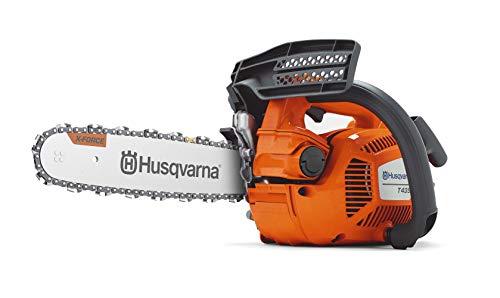
A chainsaw presents an unmistakable, utilitarian silhouette characterized by an enclosed engine housing called the powerhead extending forward into a flat, oval steel plate known as the guide bar. Encircling this steel bar is a continuous loop of interlocking metal links studded with alternating, razor-sharp cutter teeth and internal drive tangs. Two distinct handgrips define the operator interface, including a curved tubular bar spanning the forward chassis and an elongated rear handle fitted with a trigger throttle. Whether viewed on a residential job site or in a commercial timber stand, every visible cowl, lever, and metal tooth serves an essential mechanical or protective role during wood processing.
Powerhead Housing and Chassis Architecture
The powerhead forms the core structural foundation of the machine, enclosing the drive system inside an impact-resistant outer shell designed to withstand airborne debris and heavy vibration. Residential chainsaws frequently utilize dense polymer composite housings that enclose a lightweight clamshell engine assembly. Commercial forestry models incorporate rigid split magnesium crankcases that provide sturdy anchor points for crankshaft bearings and threaded guide bar studs. Slotted louvers across the starter side cowl direct ambient airflow across the internal cooling fins of the cylinder block. High-visibility color schemes, such as safety orange, vibrant red, or bright green, ensure operators can spot the tool instantly in shadowy brush.
On the right side of the powerhead sits the removable clutch cover, secured firmly by dual captive hex nuts or a toolless quick-tensioning hand dial. This protective shield conceals the drive sprocket, the automatic bar oil delivery port, and the internal centrifugal clutch mechanism. Recessed access ports in the cover plate allow operators to reach the chain tensioning screw with a multi-purpose scrench tool. Near the front face of the chassis, a forward-facing metal muffler shield expels exhaust gases safely away from the operator’s hands.
Anatomy of the Guide Bar and Cutting Loop
Extending horizontally from the front of the powerhead, the guide bar looks like an elongated steel blade with a continuous peripheral track. Solid commercial bars are machined from single plates of alloy steel, whereas lighter consumer bars sandwich three laminated steel plates together to minimize front-end fatigue. Along the outer edge runs a precision channel called the bar groove, which holds the spinning chain in stable alignment under heavy lateral cutting pressure. The rounded front tip houses an internal star-shaped nose sprocket secured by heavy rivets, which eases rolling resistance as the chain loops around the nose.
The saw chain itself is an articulated loop built from alternating cutter teeth, drive links, and connecting tie straps held together by hardened steel rivets. Pointed drive tangs on the underside of the chain travel directly within the guide bar groove, picking up bar oil to reduce rail wear. From an overhead perspective, the sharp cutting teeth alternate in left-hand and right-hand orientations to carve a balanced kerf through raw timber. Immediately forward of each cutting tooth sits a small, curved metal tab called a depth gauge or raker, which controls how deep each cutter bites into wood fibers.
Drive Sprockets and Centrifugal Clutch Assemblies
Beneath the clutch cover plate, the mechanical drive system transfers rotational engine power into high-speed chain motion. Entry-level machines feature a fixed spur sprocket permanently brazed or welded to the exterior drum of the centrifugal clutch. Professional powerheads utilize a splined clutch hub fitted with a replaceable floating rim sprocket that slides freely to align with the guide bar rail. Encircling this clutch assembly is a flexible steel brake band designed to clamp the drum instantly when triggered by safety interlocks.
When the engine runs at idle speed, internal clutch springs hold the weighted clutch shoes retracted away from the outer drum surface. Depressing the throttle increases rotational RPM, forcing the centrifugal shoes outward to lock against the drum and spin the drive sprocket. This mechanical connection pulls the drive links across the top edge of the guide bar toward the powerhead under load. Maintaining clean clearances around these drive components prevents wood chips and bar oil sludge from causing excessive clutch drag.
Safety Architecture: Hand Guards, Chain Brakes, and Catchers
Multiple visible safety mechanisms define the exterior appearance of every modern chainsaw to protect the operator during sudden kickback events. Positioned directly in front of the top tubular handlebar is a wide, paddle-shaped plastic shield known as the front hand guard. This paddle acts as the primary mechanical lever for the chain brake, tripping a heavy internal spring whenever an upward kickback forces the operator’s wrist forward. Tripping the brake instantly arrests chain rotation within a fraction of a second, preventing the moving cutters from striking the operator’s upper body.
On the underside of the powerhead chassis directly beneath the guide bar sits a small projection called the chain catcher pin. Constructed from tough polymer, brass, or aluminum, this tab intercepts a derailed or broken chain loop if the drive links jump the bar track. Adjacent to the bar mounting slot, sharp metal teeth called bucking spikes or felling dogs project forward from the engine case. These jagged steel teeth bite directly into tree bark, providing a steady pivot point that stabilizes the saw during horizontal crosscuts.
Physical Differences Across Gas, Battery, and Corded Powerheads
Gasoline-powered chainsaws display a dense, mechanical profile shaped by fuel storage requirements and combustion intake systems. The lower chassis incorporates a rear fuel reservoir for two-stroke premixed gasoline alongside a forward reservoir for tacky bar and chain lubricant. A molded T-handle pull cord projects from the starter housing, accompanied on modern models by a transparent purge bulb and a choke lever. These combustion-related components give gas saws an industrial appearance characterized by venting louvers, dual filler caps, and pronounced exhaust shields.
Cordless battery chainsaws present a noticeably cleaner, more streamlined chassis with smooth polymer cowls and silent internal electric motor housings. Rather than fuel tanks and pull cords, the powerhead features an open receiver slot designed to lock a slide-in lithium battery pack securely into place. The operator interface consists of an electronic keypad with a push-button power toggle, runtime indicator lights, and an economy mode switch. Operators who already use cordless yard equipment around suburban properties will appreciate the tidy, leak-free design of these modern battery powerheads.
Corded electric chainsaws display the narrowest body profile because they eliminate onboard fuel cells and heavy battery brackets entirely. These lightweight units feature an inline electric motor aligned with the bar or a transverse motor forming a cylindrical bump on the left side. A short pigtail electrical cord extends from the bottom of the rear handle, accompanied by a molded clip that secures an external extension cord. This slim chassis configuration offers easy maneuverability for light pruning tasks within reach of a household electrical outlet.
Rear-Handle vs. Top-Handle Configurations
Handle placement fundamentally alters what a chainsaw looks like depending on whether the machine is intended for ground work or aerial climbing. Traditional ground-use chainsaws feature an elongated rear-handle configuration that separates the rear throttle grip from the front tubular wrap handlebar. This wide grip spacing maximizes physical leverage, allowing the operator to maintain firm two-handed control against cutting resistance while bucking firewood logs. The rear handle extends outward behind the powerhead, creating a protective floor that shields the operator’s right hand from underbrush.
Specialized arborist chainsaws employ a compact top-handle configuration designed specifically for trained tree service professionals working in climbing harnesses aloft. On these compact units, the throttle trigger and palm safety lock sit directly on top of the motor housing rather than extending rearward. This arrangement compresses the entire powerhead into a balanced, cube-like shape that navigates easily through dense branch forks. Built-in steel rings and webbing loops allow arborists to clip the tool directly to climbing saddles while moving through tree canopies.
Visual Signs of Wear, Heat Stress, and Slack Tension
Inspecting a chainsaw visually allows operators to identify dangerous mechanical wear and tension issues before starting a cutting project. A properly tensioned chain rests snugly against the lower guide bar rail without sagging downward into a visible belly. If the drive link tangs hang entirely exposed beneath the bar groove, the cutting loop is excessively slack and could jump off the rails at high speed. Conversely, an overtightened chain pulls the bar tip upward, generating excessive friction that wears down the internal sprocket bearings.
The guide bar rails also exhibit clear visual symptoms when cutting conditions become abrasive or lubrication delivery is compromised. Severe rail friction caused by a clogged oil port or empty reservoir creates unmistakable blue or purple thermal discoloration along the steel track. Prolonged cutting with dull chain teeth causes the top rail edges to flare outward into razor-sharp, mushroomed steel burrs. Filing these flared burrs square with a flat dressing tool restores the correct track geometry and prevents the chain from wandering off course.
Protective Forestry Gear and Operator Visibility
Any visual evaluation of chainsaw operations must encompass the specialized personal protective equipment worn by experienced operators in the field. Safe chainsaw users wear certified protective chaps or specialized cut-retardant forestry trousers containing dense interior layers of woven Kevlar or ballistic nylon fibers. If a spinning cutting loop accidentally brushes the leg, the sharp teeth instantly snag these loose fibers and pull them into the drive sprocket. This rapid fiber jamming locks the centrifugal clutch drum in milliseconds, stopping chain rotation before catastrophic injury occurs.
The upper protective ensemble includes a forestry helmet equipped with an integrated steel mesh face visor and acoustic earmuffs. The mesh visor deflects wood chips and sharp branches without trapping moist breath that could fog conventional plastic safety lenses. Cut-resistant leather work gloves and steel-toe forestry boots provide essential grip and puncture defense around heavy fallen logs. Wearing hearing protection, such as industrial foam earplugs from Plugfones, helps reduce continuous acoustic exposure during prolonged firewood bucking sessions.
Chainsaw Iconography and Lifestyle Representation
The bold silhouette of the chainsaw has extended far beyond forestry work into popular lifestyle apparel and woodworking merchandise. Graphic illustrations on casual t-shirts frequently feature the distinct profile of guide bars, bucking spikes, and powerheads for loggers and wood carvers. Enthusiasts wear humorous woodcutting designs to celebrate the artistry of chainsaw carving competitions and local timber festivals. These recognizable graphics highlight how deeply the tool is associated with outdoor self-reliance, craftsman pride, and manual forestry trade skills.
Popular cinema has also reinforced the visual identity of the tool across several generations of movie audiences. Films like The Texas Chainsaw Massacre transformed the raw mechanical profile of the saw into a dramatic cultural symbol of untamed power. While horror cinema exaggerates equipment handling for suspense, the imagery relies on the immediate public recognition of the powerhead, guide bar, and roaring two-stroke engine. This pop culture presence ensures that nearly everyone can identify the general shape of a chainsaw long before handling one in the woods.
Recognizing what does a chainsaw look like across its various structural assemblies is the first step toward safe handling, reliable maintenance, and equipment mastery. From the sturdy composite or magnesium powerhead to the precision guide bar, drive sprocket, and interlocking cutter loop, every component performs a deliberate mechanical job. Inspecting these parts visually ensures operators can detect chain slack, clear obstructed oil passages, and verify that the chain brake trips reliably before making a single cut. Pairing proper machine setup with certified protective apparel ensures that every woodcutting task remains safe, efficient, and thoroughly productive.






Write Your Review
No reviews yet. Be the first to share your experience!