


A typical gas-powered riding lawn mower lasts between 500 and 1,000 engine hours, depending heavily on maintenance consistency and usage intensity. The how many hours will a riding lawn mower last question has no single fixed answer because wear varies by engine type, terrain, and care routines. Most manufacturers design these machines to handle several seasons of regular use before major components require replacement.
Understanding the relationship between engine hours and component wear helps you plan for long-term ownership. Factors like oil changes, air filter replacements, and blade sharpening directly influence how long the machine remains reliable. If you are also considering other equipment for your property, our guide to mowers for slopes offers useful context on how terrain affects wear and tear.
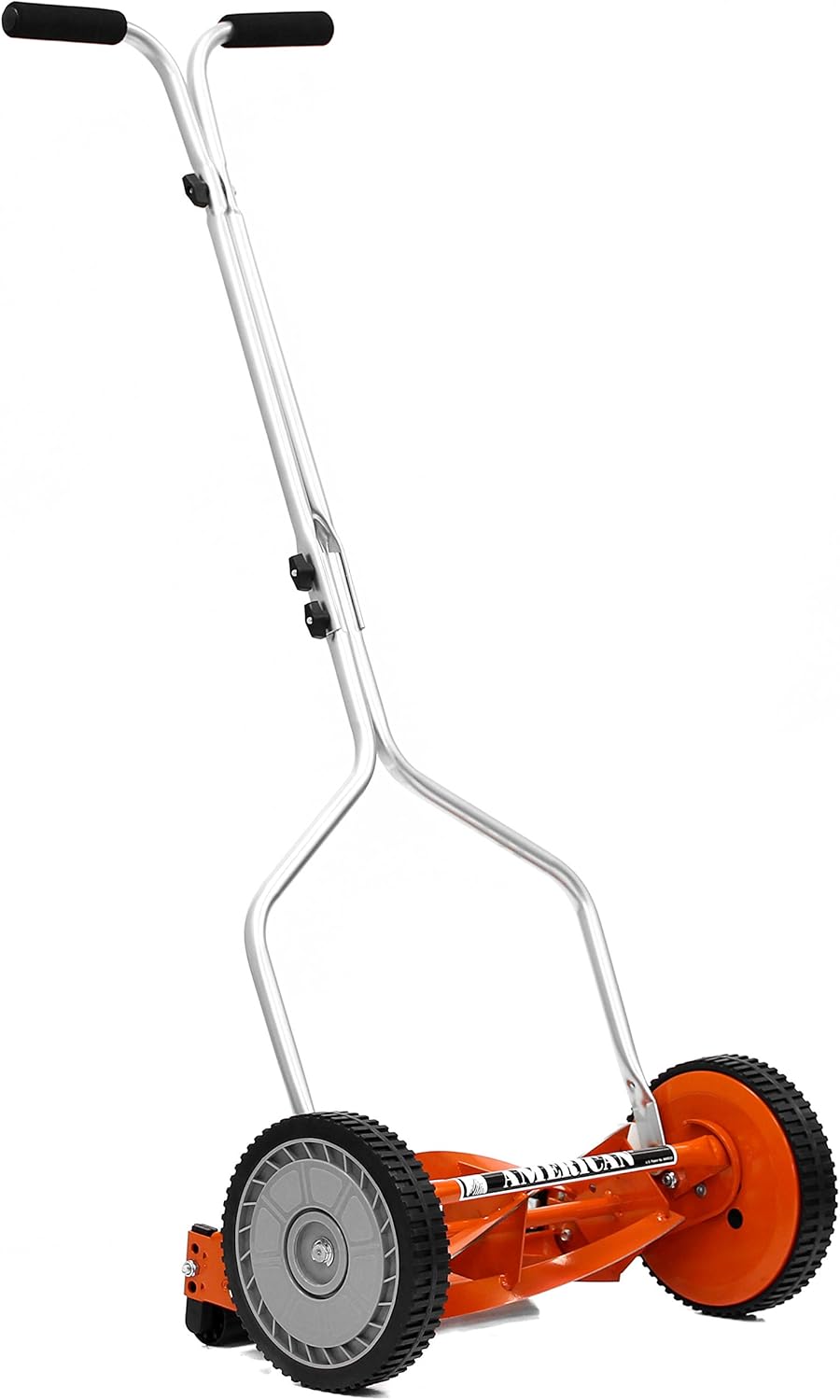
Pros
- Quiet and emission-free, great for early morning or late evening mowing without disturbing neighbors
- Very easy to assemble and requires almost no ongoing maintenance
- Cuts grass cleanly without shredding, leading to a healthier lawn appearance
- Lightweight and easy to store, takes up minimal garage or shed space
Cons
- Not suitable for tall or wet grass; requires frequent mowing when grass is dry and under 4 inches
- Limited cutting width of 14 inches means more passes on larger lawns, best for small to medium yards
- No power assist, so uneven or hilly terrain can make pushing more difficult
The American Lawn Mower Company 1204-14 is a classic push reel mower that brings back the simplicity of manual lawn care. Unlike gas or electric mowers, this tool relies entirely on your own muscle power to spin the reel and cut grass. It's a straightforward, no-nonsense machine designed for homeowners who prioritize quiet operation, zero emissions, and low maintenance over speed and brute force.
This mower is best suited for small, flat lawns with cool-season grasses like bluegrass, fescue, and rye. It's ideal for DIY homeowners who enjoy a bit of exercise while taking care of their yard. If you have a quarter acre or less and don't mind mowing more frequently during the growing season, this reel mower can deliver a clean, precise cut that actually promotes a healthier lawn by slicing rather than shredding the grass blades.
In real-world use, the 1204-14 performs best when you stay on top of your mowing schedule. It handles grass up to 4 inches tall, but for the best results, you should mow when the grass is dry and no more than about 3 inches high. The adjustable cutting height ranges from 0.5 to 1.75 inches, giving you good control over lawn appearance. The 8.5-inch polymer wheels roll smoothly on flat ground, but the mower can struggle on uneven or bumpy terrain. You'll need to make multiple passes if the grass is on the taller side, and wet grass will clog the reel and leave an uneven cut.
Build quality is decent for the price point. The frame is made of steel, and the reel blades are heat-treated alloy steel that stay sharp for years with minimal care. Assembly is straightforward and can be done in about 15 minutes with basic tools. The cushioned T-handle is comfortable for most users, though taller individuals might find it a bit low. At just 19 pounds, the mower is easy to lift and store, and it takes up very little space in a garage or shed.
One realistic drawback is that this mower won't replace a gas or electric model for larger or more demanding lawns. If you have a half-acre or more, or if your yard has hills, you'll likely find the manual effort tiring and time-consuming. Also, the 14-inch cutting width means more passes compared to a 21-inch power mower. But for its intended use - small, flat lawns - the American Lawn Mower 1204-14 is a reliable, eco-friendly, and cost-effective choice that gets the job done without noise, fumes, or ongoing fuel costs.

Pros
- Powerful Kohler engine cuts through thick grass without bogging down
- Zero-turn capability significantly reduces mowing time for large lawns
- Comfortable seat and adjustable controls make long mowing sessions easier
- Sturdy steel frame and deck feel solid and durable
Cons
- Some units may have a front wheel squeal that requires diagnosis
- Blade replacement can be tricky due to a less common blade type
- Occasional reports of units not starting right out of the crate, needing dealer service
The Craftsman 46" zero-turn riding lawn mower is a serious piece of outdoor power equipment designed for homeowners who want to cut mowing time without sacrificing cut quality. Powered by a Kohler 7000 series 22 HP engine and paired with a dual hydrostatic transmission, this mower lets you pivot on a dime and cover ground quickly. It's best suited for owners of 1 to 2 acre lots who want a step up from a standard lawn tractor but don't need a commercial zero-turn.
In real-world use, the Kohler engine starts reliably and maintains consistent blade speed even in damp grass. The 46-inch stamped steel deck gives a clean, even cut, and the optional mulching kit helps return nutrients to the lawn. The twin-cylinder design helps with cold starts, and the Turf Master tires provide good grip on slopes. The high-back seat and three adjustable lap bar positions make it comfortable for longer mowing sessions, though some users note the seat could use more lumbar support.
Build quality is solid overall, with a robust steel frame and a deck that feels well-constructed. However, a few owners have reported a front wheel squeal that may require lubrication or adjustment. Also, the blade type is somewhat unique and can be harder to find replacements for. A small number of units have arrived with starting issues, which may require a quick check of the battery or fuel system. Assembly is straightforward but the crate is large and heavy, so plan for two people to unload it.
Drawbacks are relatively minor for the price point. The mower weighs around 500 pounds, so it's not easy to push if it stalls. The cutting height adjusts up to 4 inches, which is adequate for most lawns but may not suit very tall grass. The 20-inch rear wheels handle bumps okay, but the front casters can leave marks on soft ground. Overall, the Craftsman offers good value for homeowners who want zero-turn efficiency without jumping to a commercial model.
If you have a medium to large lawn and are comfortable with basic assembly and occasional maintenance, this mower is a worthwhile investment. It cuts quickly, rides comfortably, and the Kohler engine should provide years of service. Just be prepared to check for any minor issues right out of the crate and keep an eye on blade availability. For the price, it's a capable machine that will save you time and effort.
Engine: Kohler 7000 Series 22 HP
Deck Width: 46 inches (stamped steel)
Transmission: Dual hydrostatic
Cutting Height Range: 1.5 to 4 inches
Tires: 20x8 Turf Master rear, front casters
Weight: 500 pounds
Dimensions: 80" D x 58" W x 45" H
Assembly Required: Yes
Color: Red/Black
Understanding Mower Lifespan and Engine Hours
Engine hours measure the total time the engine runs, not the total time you spend mowing. A riding mower engine idles while you walk around the yard or wait for the grass to dry, adding to the hour count without cutting. This distinction matters because engine wear occurs during combustion cycles, regardless of whether the blades are spinning. Tracking these hours helps you anticipate maintenance needs before breakdowns occur.
| Component | Typical Lifespan | Key Wear Factor |
|---|---|---|
| Engine | 500-1,000 hours | Oil quality, heat |
| Transmission | 800-1,200 hours | Fluid changes, load |
| Blades | 50-100 hours | Dulling, impact |
| Battery | 3-5 years | Charge cycles |
| Deck | 10+ years | Rust, impact |
Several factors determine where your specific mower falls within the general lifespan range. The quality of the engine is the primary driver, with commercial-grade engines often outlasting residential ones. However, even a high-quality engine will wear faster if the oil is not changed on schedule. The table above provides a baseline, but individual experiences may vary based on the specific conditions in your yard.
Usage patterns also play a significant role in determining how quickly wear accumulates and how severe that wear becomes.
- A mower used once a week on a flat, small lawn will experience less stress than one used daily on a large, hilly property.
- The frequency of use determines how quickly wear accumulates, but the intensity of use determines how severe that wear becomes.
- For example, mowing wet grass puts extra strain on the engine and transmission, accelerating wear compared to dry conditions.
Engine Type and Durability
The type of engine installed in your mower significantly impacts its longevity. Single-cylinder engines are common in residential mowers and are generally reliable for 500 to 700 hours. Twin-cylinder engines, often found in larger zero-turn mowers, may last longer due to better balance and lower vibration. However, twin-cylinder engines require more frequent oil changes to maintain optimal performance.
Manufacturer reputation also plays a role in engine durability. Brands with a history of producing reliable small engines tend to have parts that last longer. Checking the specific engine model in your owner’s manual can help you identify the expected lifespan. Some engines are designed with cast-iron liners, which resist wear better than aluminum liners. This material difference can add hundreds of hours to the engine’s life.
Maintenance Impact on Longevity
Regular maintenance is the single most effective way to extend the life of a riding mower. Neglecting oil changes is the most common cause of premature engine failure. Oil lubricates moving parts and removes heat, so using old or contaminated oil accelerates wear. Most manufacturers recommend changing the oil every 50 to 100 hours of use, or at least once per season.
Air filter maintenance is equally critical. A clogged air filter restricts airflow, causing the engine to run rich and overheat. This condition leads to carbon buildup and reduced fuel efficiency. Cleaning or replacing the air filter every 25 to 50 hours ensures the engine breathes properly. You can find more details on blade care in our mower blade setup guide, which highlights how sharp blades reduce engine load.
Fluid changes for the transmission and hydraulic systems are often overlooked but are vital for long-term reliability. Hydrostatic transmissions use fluid to drive the wheels, and this fluid degrades over time. Changing the transmission fluid every 200 to 300 hours prevents internal wear and ensures smooth operation. Skipping this service can lead to expensive transmission failures that far exceed the cost of the fluid change.
Usage Patterns and Wear
The way you use the mower affects how quickly components wear. Mowing large areas in a single session puts continuous load on the engine and transmission. This sustained effort generates more heat, which accelerates fluid breakdown and metal fatigue. Breaking up mowing into shorter sessions can help manage heat and reduce stress on the machine. Allowing the engine to cool down between sessions is a simple but effective practice.
Terrain type also influences wear. Mowing on flat ground is less demanding than mowing on hills or uneven terrain. Uphill mowing requires the engine to work harder, increasing fuel consumption and wear on the drivetrain. If your property has significant slopes, consider using a mower with a robust transmission and adequate power. The extra strain can shorten the life of the transmission if the machine is not properly maintained.
Grass condition matters as well. Mowing tall, thick grass requires more power than cutting short, dry grass. Letting the grass grow too long forces the engine to work harder, leading to increased wear. Regular mowing schedules help keep the grass at a manageable height, reducing the load on the engine. This practice not only extends the life of the mower but also improves the quality of the cut.
Signs of Wear and Replacement
Recognizing signs of wear early can prevent major breakdowns. A decrease in engine power or increased fuel consumption may indicate internal wear. If the engine struggles to maintain speed or takes longer to reach operating temperature, it may be time for a professional inspection. Ignoring these signs can lead to complete engine failure, which is often more expensive to repair than replacing the mower.
Transmission issues are another common sign of wear. Slipping, grinding, or unusual noises from the transmission indicate internal damage. These problems can develop gradually, making early detection important. If you notice any changes in how the mower drives, have the transmission inspected immediately. Continuing to operate a mower with transmission issues can cause further damage and increase repair costs.
Deck and blade wear are visible signs that require attention. A rusted or dented deck can affect cutting performance and safety. Dull or damaged blades cause uneven cuts and put extra strain on the engine. Replacing blades when they become dull or damaged is a simple maintenance task that extends the life of the engine. Regularly inspecting the deck for rust and damage helps maintain overall mower performance.
Maximizing Mower Lifespan
Extending the life of a riding mower requires a consistent maintenance routine. Following the manufacturer’s recommended service schedule is the foundation of long-term reliability. This includes oil changes, air filter replacements, and fluid checks. Keeping a log of maintenance tasks helps you track when each service is due and ensures nothing is missed.
Proper storage also plays a role in longevity. Storing the mower in a dry, covered area protects it from the elements. Moisture can cause rust and electrical issues, while extreme temperatures can degrade fluids and seals. Draining the fuel or adding a stabilizer before long-term storage prevents fuel system problems. These simple steps help ensure the mower is ready to start when you need it.
Using the correct fuel and oil types is essential for engine health. Modern engines are sensitive to fuel quality and oil viscosity. Using the recommended grade of oil and fresh fuel ensures optimal performance and longevity. Avoiding ethanol-blended fuel where possible can also reduce wear on fuel system components. These small details contribute to a longer, more reliable mower life.
- Change oil every 50 to 100 hours of use.
- Clean or replace air filters every 25 to 50 hours.
- Check transmission fluid levels monthly.
- Sharpen or replace blades every 50 to 100 hours.
- Inspect spark plugs annually for wear.
- Store the mower in a dry, covered area.
Monitoring the hour meter is a simple way to track maintenance needs. Most riding mowers have an hour meter that records engine runtime. Using this data to schedule maintenance ensures you are not relying on guesswork. Regular checks of the hour meter help you plan for upcoming services and budget for necessary repairs. This proactive approach is key to maximizing the lifespan of your equipment.
Investing in a high-quality mower initially can also pay off in the long run. Premium models often have more durable components and better build quality. While the upfront cost is higher, the extended lifespan and lower maintenance costs can make them a better value over time. Considering the total cost of ownership, including maintenance and potential repairs, helps you make an informed decision. A well-maintained, high-quality mower can serve you for many years.
Ultimately, the lifespan of a riding lawn mower depends on a combination of factors. Engine quality, maintenance consistency, usage patterns, and storage conditions all play a role. By understanding these factors and taking proactive steps to care for your equipment, you can extend its life and ensure reliable performance. Regular maintenance and proper usage are the keys to getting the most out of your investment.
Keep a maintenance log and track your engine hours to stay ahead of potential issues. This simple habit helps you plan for necessary services and avoid unexpected breakdowns. With proper care, a riding mower can provide years of reliable service, making it a valuable tool for maintaining your property.




Write Your Review
No reviews yet. Be the first to share your experience!