


Yes, you can mow your lawn on Memorial Day, provided you comply with local noise ordinances and the grass is dry. While the federal holiday marks the end of spring, many municipalities relax their mowing restrictions, allowing homeowners to maintain their turf without facing fines. However, the weather conditions often present challenges, such as high humidity or recent rain, which affect how well the mower blade cuts and how the grass recovers.
Understanding the specific conditions of your yard is key to a successful holiday mow. Many homeowners prefer to check the soil moisture before starting the engine, as wet grass can clog the deck and damage the lawn mower blades.
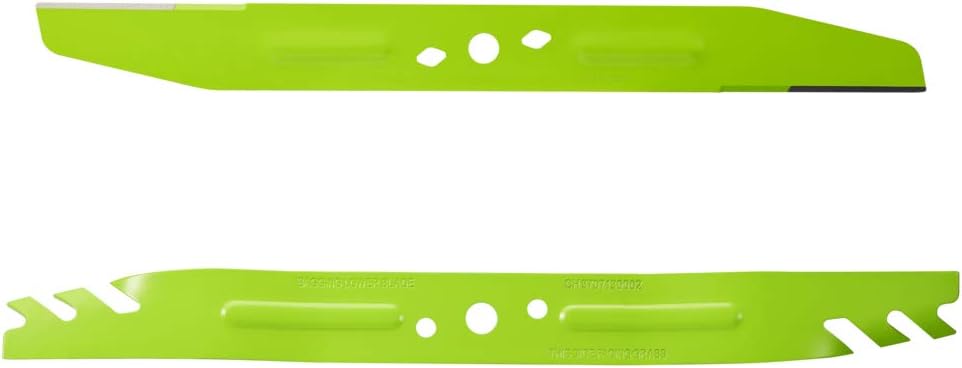
This guide explores the practical aspects of mowing during this period, including the best times of day, the impact of temperature on grass health, and the maintenance required for your equipment. If you are planning to update your gear, our metal mower blade setup essentials provides a helpful overview of proper installation techniques.


The short answer is that there is no federal law prohibiting mowing on Memorial Day. The ability to mow depends entirely on your local municipality’s noise ordinances and your personal schedule. Many cities relax their rules during long weekends to allow for yard work, but some maintain strict quiet hours even on holidays.
It is crucial to check your local municipal code or homeowners association rules before starting your mower. Ignoring these regulations can result in noise complaints or fines, which is an unnecessary hassle on a day meant for remembrance.
| Factor | Consideration for Memorial Day Mowing |
|---|---|
| Local Ordinances | Check city noise bylaws for holiday exceptions |
| Grass Moisture | Wait for dew to dry to prevent clogging |
| Blade Condition | Ensure blades are sharp for clean cuts |
| Temperature | Mow early morning to avoid heat stress |
Weather plays a significant role in the success of a Memorial Day mow. Late spring often brings warm temperatures and higher humidity, which can make the grass softer and more prone to matting. If you mow when the grass is wet, the clippings tend to stick to the deck and the underside of the mower, creating a mess and potentially rusting your equipment.
Dry grass cuts more cleanly, reducing the load on your engine and ensuring a healthier lawn. The goal is to achieve a clean cut that minimizes stress on the grass blades, allowing them to heal quickly.
Before you start the engine, take a moment to assess the state of your mower. This is a good time to inspect the blade bolt and ensure it is tight, as vibration during previous mows can loosen hardware. You should also check the oil level and fuel filter, as these components can degrade over time if the mower has been sitting.
A well-maintained machine runs more smoothly and produces fewer emissions, which is beneficial for both the environment and your neighbors. If you find that the blade is dull, it is worth taking the time to sharpen it now rather than struggling through a tough patch of grass later.
Assessing Grass Conditions and Moisture Levels
Grass condition is the primary factor to evaluate before mowing on Memorial Day. The ideal time to mow is when the grass is completely dry, which usually happens a few hours after sunrise. Mowing wet grass can lead to uneven cuts and the spread of fungal diseases, as the torn grass blades are more susceptible to infection.
The moisture in the grass also adds weight, forcing your mower to work harder and potentially stalling the engine. To check if the grass is dry enough, step on a patch of turf and look for footprints; if they appear, the grass is still too wet to mow effectively.
Humidity levels also affect how the grass responds to mowing. High humidity can cause the grass to retain moisture longer, extending the window where mowing is impractical. In such conditions, it may be best to postpone your mow until the afternoon when the air has dried out.
However, mowing in the heat of the day can stress the grass, so aim for a balance between dryness and temperature. Many homeowners find that the early morning hours offer the best combination of dry grass and mild temperatures. This timing allows the grass to recover during the cooler parts of the day, maintaining its overall health and appearance.
If you have just watered your lawn, you must wait until it is completely dry before mowing. Watering immediately before mowing is a common mistake that leads to poor results. The water makes the grass blades limp and difficult to cut cleanly, resulting in a ragged appearance.
It also increases the risk of clogging the discharge chute, which can cause the mower to stop unexpectedly. Waiting ensures that the grass stands up straight, allowing the mower blade to cut through it cleanly and efficiently. This simple wait time can save you significant effort and frustration during the mowing process.
Local Noise Ordinances and Holiday Rules
Local noise ordinances are the legal framework that governs when you can operate a lawn mower. While many cities allow mowing on weekends, the rules for federal holidays like Memorial Day can vary. Some jurisdictions treat holidays as regular weekdays, maintaining standard quiet hours, while others relax these rules to accommodate yard work.
It is essential to verify the specific rules for your area, as violations can lead to noise complaints from neighbors. These complaints can result in fines or other penalties, which are not worth the risk on a holiday.
Homeowners associations (HOAs) may have their own set of rules that are stricter than municipal laws. If you live in a community governed by an HOA, you must review the covenants and conditions to see if mowing is permitted on Memorial Day. Some HOAs prohibit any outdoor noise during holidays to respect the solemnity of the day.
Others may allow mowing but require it to be completed by a certain time. Ignoring these community rules can lead to disputes with neighbors and potential fines from the HOA board. Always prioritize respect for the holiday and your neighbors’ peace of mind.
Even if local laws permit mowing, consider the impact of your noise on others. Memorial Day is a time for reflection and remembrance, and loud machinery can be intrusive. If possible, try to mow during the mid-morning or early afternoon when most people are awake and less likely to be resting.
This timing also allows you to avoid the early morning rush when neighbors may be starting their own day. By being mindful of the time and the potential impact of your actions, you can maintain your lawn without causing unnecessary disturbance. This approach fosters good neighborly relations and ensures a peaceful holiday for everyone.
Blade Maintenance and Safety Checks
Before mowing on Memorial Day, a thorough safety check of your mower is essential to ensure proper function and lawn health.
- Start by inspecting the lawn mower blades for any signs of damage, such as cracks, bends, or excessive wear.
- A damaged blade can cause the mower to vibrate violently, leading to poor cuts and potential damage to the mower’s internal components.
- If you find any damage, replace the blade immediately rather than attempting to repair it to maintain safety and performance.
- A sharp, balanced blade is critical for a clean cut and the overall health of your lawn during the mowing season.
Check the balance of the blade to ensure it spins smoothly. An unbalanced blade can cause excessive vibration, which wears down the mower’s bearings and spindle. You can test the balance by placing the blade on a balancer tool or a nail; if it tilts to one side, it needs to be balanced.
This step is crucial for the longevity of your mower and the safety of the operator. Additionally, inspect the blade bolt and washer to ensure they are in good condition and tightened to the manufacturer’s specifications. A loose blade bolt can come loose during operation, posing a serious safety hazard.
Ensure that the mower’s safety features are functioning correctly before starting. This includes the blade brake clutch, which stops the blade from spinning when you lift the mower or press the brake. Test this feature by lifting the mower and checking if the blade stops immediately. If the safety feature does not work, do not use the mower until it is repaired.
Operating a mower with faulty safety features can lead to serious injuries. Always prioritize safety over convenience, especially when using equipment that involves sharp, spinning blades. For more detailed information on maintaining your blades, refer to our practical sharpening guide for step-by-step instructions.
Best Times of Day for Holiday Mowing
The best time to mow on Memorial Day is typically early in the morning, after the dew has dried but before the temperature rises. This window provides the ideal conditions for mowing, with dry grass and mild temperatures. Mowing in the early morning reduces the stress on the grass, allowing it to recover quickly from the cut. It also minimizes the risk of heat stress, which can cause the grass to brown and die. Aim to start mowing between 7:00 AM and 9:00 AM, depending on the local dew point and temperature.
If the morning is too cool or the grass is still wet, consider mowing in the late afternoon. By this time, the grass should be dry, and the temperatures will be dropping, reducing the risk of heat stress. Mowing in the late afternoon also allows the grass to recover during the cooler night hours.
However, be mindful of your neighbors’ quiet hours, as some communities restrict noise after a certain time. Check your local ordinances to ensure you are not violating any evening quiet hours. This approach provides a flexible option for those who cannot mow in the morning.
Avoid mowing during the midday heat, as the high temperatures can stress the grass and the operator. The grass is more susceptible to heat damage when cut during the hottest part of the day, leading to browning and thinning. Additionally, mowing in the heat can be physically demanding and increase the risk of heat exhaustion.
If you must mow during the day, take frequent breaks and stay hydrated. Consider using a shade tree to rest and cool down before resuming mowing. This approach ensures that both you and your lawn remain healthy and safe during the holiday mow.
Managing Clippings and Lawn Health
Managing grass clippings is a critical aspect of maintaining a healthy lawn during Memorial Day. Mulching the clippings back into the lawn can provide nutrients and moisture, but only if the clippings are fine and evenly distributed. If the clippings are too long or the grass is too wet, they can mat on the surface, blocking sunlight and air from reaching the soil. This can lead to fungal diseases and thinning grass. To avoid this, mow at a height that leaves the clippings short enough to decompose quickly.
If you choose to bag your clippings, ensure that the bag is emptied regularly to prevent overflow. A full bag can clog the discharge chute, causing the mower to stall and creating a mess. Empty the bag every 15-20 minutes, depending on the density of the grass.
This practice ensures that the mower runs smoothly and that the clippings are collected efficiently. If you have a large lawn, consider using a dual bag system to reduce the frequency of emptying. This setup allows you to mow longer periods without stopping to empty the bags.
After mowing, inspect the lawn for any uneven spots or missed areas. Use a rake to smooth out any clumps of clippings and ensure an even appearance. This step helps to maintain the aesthetic appeal of your lawn and prevents the buildup of thatch. Thatch is a layer of dead grass and debris that can block water and nutrients from reaching the roots.
Regularly removing thatch is essential for a healthy lawn, and mowing on Memorial Day is a good opportunity to check for excessive thatch. If you find that the thatch is more than half an inch thick, consider dethatching the lawn to improve its health.
Weather-Related Challenges and Solutions
Weather can pose several challenges when mowing on Memorial Day, including rain, wind, and extreme temperatures. If it rains in the morning, you must wait for the grass to dry before mowing. Mowing wet grass is not only ineffective but can also damage your mower and the lawn. Use a weather app to check the forecast and plan your mowing time accordingly. If rain is expected, consider rescheduling your mow for the next day to avoid the hassle of waiting for the grass to dry.
Wind can also affect mowing by blowing clippings around and making it difficult to maintain an even cut. If it is windy, consider mowing against the wind to reduce the impact on the clippings. This approach helps to keep the clippings in the bag or mulched evenly.
If the wind is too strong, it may be best to postpone mowing until the wind subsides. Mowing in strong winds can be dangerous, as the clippings can fly into your eyes or cause the mower to lose control. Always prioritize safety and wait for calmer conditions if necessary.
Extreme temperatures, whether hot or cold, can also impact mowing. In hot weather, mow early in the morning or late in the afternoon to avoid the peak heat. In cold weather, ensure that the grass is dry and not frozen before mowing. Mowing frozen grass can damage the blades and the soil structure. Adjust your mowing schedule to accommodate the weather conditions, and always prioritize the health of your lawn and your own safety. By being flexible and adaptable, you can successfully mow on Memorial Day despite any weather challenges.
Ultimately, the decision to mow on Memorial Day depends on your local rules, weather conditions, and personal preference.
- By following the guidelines outlined in this article, you can ensure a safe and successful mow.
- Check your local ordinances, assess the grass conditions, and maintain your mower properly.
- This approach allows you to enjoy a well-maintained lawn while respecting the holiday and your neighbors.
- If you need new blades or accessories, the options listed above provide reliable choices for your maintenance needs.




Write Your Review
No reviews yet. Be the first to share your experience!