


Most riding lawn mowers house the spark plug on the top or side of the engine block, directly accessible once the hood or engine cover is removed. The exact position varies by engine manufacturer, but the component is always connected to the ignition coil via a spark plug wire. Identifying this part is the first step for troubleshooting hard starts, misfires, or black smoke issues.
Before reaching under the hood, ensure the engine is cool and the ignition key is removed to prevent accidental startup. Many homeowners find that knowing the specific engine brand, such as Briggs & Stratton, Honda, or Kohler, helps them locate the plug faster. If you are dealing with a specific engine model, our lawn mower maintenance guide offers additional context on routine checks that complement spark plug inspection.

Pros
- Exact match to common OEM spark plug numbers, so no gap adjustments or adapters needed
- Resistor construction helps protect sensitive ignition modules and reduces electrical noise
- Consistent performance across a range of mower brands - confirmed by a 4.9 out of 5 average rating from users
- Lightweight and small footprint makes storage and shipping easy
Cons
- Limited to specific engine models - verify compatibility with your mower's make and model before purchase
- Not intended for high-performance or racing applications where extended heat range plugs may be required
- Some users report occasional fumbling with the narrow gap spec if not pre-gapped from factory
The MAXPOWER 334058 is a resistor spark plug tailored for riding mowers and similar small engines found in lawn tractors, zero-turn mowers, and even some garden equipment. It directly replaces three of the most common spark plug models on the market - Champion RC12YC, Autolite 3924, and NGK BKR5E - making it a straightforward upgrade or replacement for routine maintenance.
Best suited for DIY homeowners and lawn care enthusiasts who handle their own oil changes and tune-ups, this plug offers a no-nonsense solution for keeping your mower starting reliably and running efficiently. The built-in resistor helps suppress electromagnetic interference, which is especially useful if your mower has electronic controls or you run a radio while cutting grass. In real-world use, the plug delivers consistent spark even under the heat and vibration of a singe-cylinder engine, and it contributes to a smoother idle and easier cold starts compared to older, worn plugs.
Construction quality is solid for a budget-friendly part. The nickel alloy electrode resists wear over a typical mowing season, and the ceramic insulator is snugly fitted to prevent arcing. The dimensions (4.5 x 3.68 x 0.88 inches) make it compact enough to fit into tight spark plug wells, and at only 0.1 pounds it won't add any weight to your tool kit. Installation is as simple as removing the old plug, checking the gap (usually 0.040 inch or as specified by your engine manual), and torquing it in place. No adapter or special tools are required beyond a standard spark plug socket.
One realistic limitation is that this plug is not a universal fit for every small engine. Always cross-reference your mower's owner manual to confirm compatibility before buying. Also, while the resistor feature is beneficial for noise reduction, it may not be the best choice for high-RPM or heavily modified engines that demand a non-resistor plug. For the vast majority of residential riding mowers, however, this MAXPOWER plug offers dependable performance that rivals the OEM brands at a fraction of the cost.
Overall, the MAXPOWER 334058 is an excellent value for anyone maintaining a lawn tractor or riding mower. It performs exactly as promised, saves you money, and simplifies the shopping process by consolidating multiple part numbers into one. If you're gearing up for spring tune-ups or just need a reliable replacement, this spark plug deserves a spot in your workshop drawer.
Brand: MAXPOWER
Model: 334058
Product Group: Automotive Parts and Accessories (Lawn & Patio)
Color: White
Dimensions: 4.5 x 3.68 x 0.88 inches
Weight: 0.1 pounds
Type: Resistor Spark Plug
Replaces: Champion RC12YC, Autolite 3924, NGK BKR5E
This plug is designed for riding mowers and small engines that call for any of these three OEM plugs: Champion RC12YC, Autolite 3924, or NGK BKR5E. Common applications include many models from John Deere, Craftsman, Husqvarna, Troy-Bilt, Murray, and others. Always verify your engine manufacturer's recommendations and check the gap specification before installation.
Pros
- Direct OEM replacement means no compatibility guesswork
- Pre-gapped and ready to install out of the box
- Trusted brand with long history in small engine parts
Cons
- Only fits specific Briggs & Stratton engines check compatibility before buying
- May cost slightly more than generic aftermarket plugs
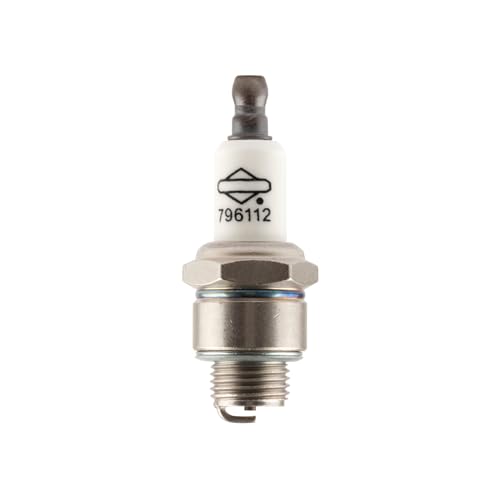
The Briggs & Stratton 796112S spark plug is a genuine OEM replacement designed for many 093000 series engines found in lawn mowers, generators, and pressure washers. If you own equipment with a Briggs engine, this plug ensures you get the exact heat range and gap specifications the manufacturer intended, leading to reliable ignition and consistent performance.
For DIYers and homeowners who maintain their own lawn and garden gear, swapping in this plug is about as straightforward as it gets. It comes pre-gapped, so you can simply unscrew the old plug and install this one without measuring or adjusting. That's a real time saver when you're trying to get the mower ready for spring cutting or winterizing a generator.
In real world use, this spark plug provides a strong, consistent spark that helps engines start easier, especially after sitting for months. It also contributes to smoother idle operation and can restore power in engines that have been running rough due to a worn plug. Build quality is typical of Briggs & Stratton parts: solid, reliable, and exactly what the engine was designed for.
One limitation is that it only fits specific engines. You need to verify your engine model number to ensure compatibility. Also, while it's an OEM part and slightly pricier than generic alternatives, the peace of mind and perfect fit are worth it for most owners.
If you have a Briggs & Stratton engine that calls for this spark plug, buying the 796112S is a smart move. It's a simple, low cost maintenance item that can dramatically improve starting reliability and overall engine health. For anyone who doesn't want to deal with misfires or hard starts, this is the right choice.

Pros
- Exact OEM fit for many popular Kohler engines
- Great value with two plugs at a low price
- Reliable starting and smooth idle after installation
- Easy to install with standard spark plug tools
- Trusted brand with strong customer satisfaction
Cons
- May require gap adjustment before installation (not pre-gapped for all applications)
- Limited to compatible Kohler models; not universal
- Copper core is basic; premium iridium plugs last longer in some engines
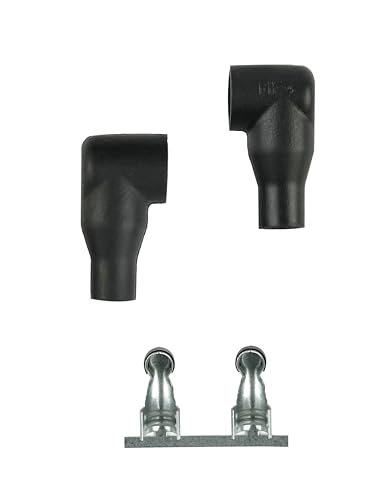
The Briggs & Stratton 491055S 2-pack is a set of genuine OEM replacement spark plugs designed for a wide range of Kohler small engines. These are the exact plugs specified by the manufacturer, so you get a perfect fit and reliable spark right out of the box, provided you set the gap according to your equipment's manual.
This plug set is ideal for homeowners and DIYers maintaining lawn mowers, riding tractors, snowblowers, and generators powered by Kohler Command, Courage, or Pro series engines. If you've dealt with hard starting, misfires, or poor fuel economy, swapping in a fresh spark plug is one of the simplest and most effective fixes. Users consistently report smooth restarts and restored performance after installation.
Build quality is typical of OEM parts: a sturdy copper core, durable metal shell, and precise threading. While copper plugs don't last as long as iridium or platinum options, they do the job reliably for normal seasonal use. The two-pack is a smart buy, letting you replace the plug in one machine and keep a spare for another.
One realistic drawback is that the plugs arrive without a pre-set gap. You'll need a gap gauge to set them to your engine's specification; otherwise, performance can suffer. Also, these plugs are not universal they only fit specific Kohler models, so double-check your engine's part number before ordering.
Overall, the Briggs & Stratton 491055S 2-pack is a straightforward, no-nonsense solution for restoring spark and reliability in compatible Kohler engines. At this price, it's a low-risk investment that pays off with hassle-free starts all season. Perfect for anyone comfortable doing basic engine maintenance.
Brand: Briggs & Stratton
Part Number: 491055S (2-pack)
Core Material: Copper
Thread Size: 491055 (standard)
Top Material: Metal
Vehicle Service Type: Lawn Mower, Snowblower, Generator (Kohler engines)
Item Weight: 2.89 ounces per pack
Product Dimensions: 4 x 1 x 1 inches


Pros
- Affordable price compared to OEM plugs while matching or exceeding performance in everyday use.
- Works excellently for restoring smooth idle and eliminating rough running, as confirmed by multiple positive reviews.
- Compatible with many engine models - broad fitment reduces the need for multiple SKUs in your shop.
- Easy installation with pre-set gap, and no special tools required beyond a spark plug socket.
- Positive reviews highlight improved engine performance after replacing aged plugs, especially in lawn mowers and snow blowers.
Cons
- Not a high-performance plug for racing or modified engines; best suited for standard small engine maintenance.
- Some users may prefer iridium or platinum plugs for extended life in heavy-use commercial equipment, but copper is sufficient for most homeowners.
- Packaging contains only two plugs - may need more for multi-cylinder engines like twin-cylinder lawn tractors.
The Harbot RC12YC spark plug is a direct replacement for one of the most common small engine spark plugs used in lawn and garden equipment. If you own a walk-behind mower, riding tractor, snow blower, or generator with a Briggs & Stratton, Kohler, or John Deere engine, there is a good chance this plug fits. It matches the Champion RC12YC, BS 491055, and Kohler 12 132 02 series, making it a versatile part to have on hand for seasonal maintenance.
Who is this plug best suited for? DIY homeowners and small engine hobbyists who want to keep their equipment running smoothly without overspending. It is not a racing or high-performance part, but for routine tune-ups, it delivers exactly what you need. Many users report that simply swapping out an old, fouled plug for this one restores smooth idle, eliminates misfires, and makes the engine start easier on the first pull.
In real-world use, the copper core provides consistent spark and reliable combustion. The plug is pre-gapped from the factory, which means you can install it right out of the box without fiddling with feeler gauges. Reviews from owners of Exmark, John Deere, and MTD mowers confirm that it runs smoother than some original plugs and holds up well through a full season of mowing. The ceramic insulator handles heat and vibration without cracking, and the copper electrode offers good conductivity for quick starts.
Build quality is solid for the price. These are not fancy iridium or platinum plugs, but they are well-made with a clean shell and proper threading. The 14mm thread size fits most standard small engine cylinder heads without stripping. One reviewer noted that the plug has a groove at the bottom for better spark, which helps in damp conditions. The only practical drawback is that you only get two plugs in the pack. For single-cylinder engines that is fine, but for twin-cylinder lawn tractors or commercial zero-turn mowers you may need to buy multiple packs.
Overall, the Harbot RC12YC spark plug pack is an excellent value for anyone performing routine small engine maintenance. If your lawn mower is hard to start, runs rough, or stalls, this two-pack is a cheap and effective fix. It will not win any awards for cutting-edge technology, but it does its job reliably and saves you money over buying the name brand equivalents. Keep a set in your toolbox for spring tune-ups and you will be ready for the season.

Pros
- Wide compatibility with Honda and other major spark plug brands
- Durable construction with ceramic insulator and copper core
- Good value with 10 plugs per pack for multiple engines
- Easy to install with standard 14mm thread size
- Heat dissipation helps prevent misfires and overheating
Cons
- Brand is less known than NGK or Champion, so some users may prefer OEM
- Not suitable for engines requiring resistor-type plugs (F6RTC)
- Plugs may arrive loose in the box without individual packaging
If you own a Honda GX160, GX200, GX390, or any similar small engine, you know how important a reliable spark plug is for consistent starts and smooth operation. This 10-pack of F6TC spark plugs from Adefol is designed to be a direct replacement for popular models like NGK BP6ES and Champion N9YC. It's a budget-friendly option for anyone who maintains multiple pieces of equipment, from lawnmowers to generators.
These plugs are best suited for DIYers, mechanics, and homeowners who work with small engines in the 120cc to 459cc range. Whether you're tuning up a push mower, a pressure washer, or a go-kart, the F6TC fits the bill. The compatibility list is extensive, covering Honda, Bosch, Denso, and Torch equivalents, so you can stock up for several machines at once.
Performance-wise, the spark plug features a high-grade alumina silicate ceramic insulator and a pure copper core. The copper core promotes efficient heat transfer, which means faster warm-ups and reduced risk of overheating during extended use. The corrosion-resistant plating adds durability, especially if you store equipment in damp conditions. In real-world use, you can expect reliable ignition and consistent firing, which translates to easier starts and smoother idling.
Build quality is solid for the price point. The threads are clean and the hex size is standard (20.8mm), making installation straightforward with a standard socket. One drawback to note: these are non-resistor plugs, so they may cause interference with some electronic ignitions. Also, the Adefol brand isn't as well-known as NGK or Champion, which might give some buyers pause. However, the 10-pack offers great value, and the company backs it with a 100% refund guarantee.
Overall, this is a practical purchase for anyone who needs to keep multiple small engines running. If you're a contractor with a fleet of Honda-powered equipment or a DIYer with several lawn tools, the convenience and cost savings of a 10-pack are hard to beat. Just double-check that your engine doesn't require resistor plugs, and you'll be set for many seasons of reliable operation.
Thread Diameter: 14mm (9/16 inch)
Thread Length: 19mm (0.748 inch)
Hex Size: 20.8mm (0.82 inch)
Type: Non-resistor (standard F6TC)
Package Includes: 10 spark plugs
Color: 10 Pack F6TC Spark Plug
Product Group: Lawn & Patio
Replaces: NGK BP6ES, Bosch W6D, Champion N9YC, Denso W20EP, Torch F6TC F6RTC, Honda 98079-56841
Fits Honda engines: GX100, GX120, GX160, GX200, GX240, GX270, GX340, GX390, GCV135, GCV160, GCV190, and others in 5.5hp to 13hp range
Also suitable for: mini bikes, go-karts, golf carts, generators, water pumps, air compressors, lawn mowers, and small engines from 120cc to 459cc

Pros
- Genuine OEM part guarantees compatibility with Honda engines and many other small engines.
- High build quality and materials provide reliable performance over many hours of use.
- Improves engine start-up consistency and reduces rough idling.
- Simple replacement process requires no special skills or tools.
Cons
- Price is higher than many aftermarket or generic alternatives.
- Not a universal fit; you must verify it matches your specific engine model (BPR6ES type).
- Does not provide a performance boost it is a standard replacement part for maintaining factory specs.
The Honda 98079-56846 spark plug is an OEM replacement part designed specifically for walk-behind mowers and other small engines that require a BPR6ES plug. While it is not a power tool itself, it is an essential maintenance component for the engines that power mowers, generators, pressure washers, and other workshop equipment. This plug is built to Honda's exact specifications and manufactured in Japan, ensuring consistent fit and function.
In real-world use, this spark plug delivers reliable ignition that helps engines start quickly and run smoothly. Homeowners and contractors who maintain their own small engine equipment will notice a difference in idle stability and throttle response compared to worn plugs. The consistent spark also contributes to better fuel efficiency and lower emissions, which is especially important for frequent use on larger properties or jobsites.
Build quality is a standout here. The shell is nickel-plated to resist corrosion, and the center electrode is made from a durable nickel alloy that withstands high heat and electrical erosion. Honda's rigorous quality control means each plug meets tight tolerance for gap and thread depth, reducing the risk of misfires or installation issues. This level of reliability matters when you are working under a deadline and need your equipment to perform.
Installation is straightforward with a standard plug socket and torque wrench (hand-tighten plus a quarter turn). The main drawback is the price, which is higher than many aftermarket plugs like NGK or Champion. However, for those who value OEM peace of mind and want to avoid compatibility guesswork, the cost is justified. It is also worth noting that this plug is not a performance upgrade it simply restores your engine to proper operating condition.
Overall, the Honda OEM BPR6ES spark plug is a smart investment for DIYers, landscapers, and anyone who relies on small engines for daily work. If you want a direct fit replacement that maintains your equipment's efficiency and longevity, this plug delivers exactly what it promises no more, no less.
Locating the Spark Plug on Common Riding Mower Engines
The position of the spark plug is determined by the engine’s cylinder head design and the manufacturer’s choice of ignition system layout.
- On most small engines found in riding mowers, the plug is threaded into the top of the cylinder head, often near the center of the engine block.
- However, some engines, particularly those with overhead cam designs or specific air-cooling configurations, may place the plug on the side of the engine.
- Understanding these variations helps you avoid unnecessary disassembly.
| Engine Brand | Typical Plug Location | Access Method |
|---|---|---|
| Briggs & Stratton | Top of cylinder head, near intake | Remove engine cover or hood |
| Honda | Top or side, depending on series | Remove air filter housing first |
| Kohler | Top of engine, often near coil | Open hood, locate coil wire |
| MTD | Top of cylinder head | Remove engine cover |
Start by opening the mower hood and removing any engine covers that obstruct the top of the engine. On many models, a plastic or metal shroud covers the engine to protect it from debris and to direct airflow. This shroud is usually held by a few bolts or clips. Once removed, look for the ignition coil, which is a small, box-like component with a wire attached. The spark plug wire connects to this coil and leads directly to the spark plug.
Follow the spark plug wire from the coil to its other end. The wire terminates in a rubber boot that fits over the top of the spark plug. This boot is often black or gray and may be secured with a small clip or simply friction-fitted.
If the wire is routed along the side of the engine, the plug is likely on the side. If the wire goes straight up from the coil, the plug is on the top. This visual tracing method is the most reliable way to locate the plug without guessing.
Some engines have the spark plug positioned behind the air filter housing. In these cases, you may need to remove the air filter and its housing to gain access. This is common on Honda engines, where the air filter assembly can block direct access to the top of the cylinder head. Removing the air filter housing usually requires a few screws and a gentle pull to release the rubber gasket. Once the housing is out of the way, the spark plug should be visible and accessible.
On engines with a side-mounted plug, the component is often located near the exhaust port or the oil fill cap.
- The wire may be routed along the side of the engine block, secured with a zip tie or a wire clip.
- In these configurations, you may need to move the wire aside to reach the plug.
- Be careful not to pull on the wire itself, as this can damage the internal connection or the boot.
- Instead, gently lift the wire to expose the plug boot.
It is also helpful to check the owner’s manual for your specific mower model. The manual will have a diagram of the engine with the spark plug location marked. This diagram can save time and prevent confusion, especially if the engine has multiple wires or components that look similar. If you do not have the manual, many manufacturers provide digital copies on their websites, searchable by model number.
Identifying the Spark Plug Wire and Boot
The spark plug wire is a high-voltage cable that carries the electrical signal from the ignition coil to the spark plug. It is typically made of a flexible rubber or silicone material and is color-coded, often black or gray. The wire terminates in a spark plug boot, which is a rubber cap that fits over the top of the spark plug. The boot ensures a secure connection and prevents moisture from entering the plug well.
When locating the plug, pay attention to the condition of the boot. A cracked or frayed boot can cause electrical issues, leading to misfires or hard starts. If the boot is damaged, it should be replaced. The boot is usually pushed onto the plug and may have a small clip or retaining ring to hold it in place. To remove the boot, gently pull it straight off the plug. Do not twist or pull at an angle, as this can damage the wire or the plug terminal.
Some engines have multiple spark plug wires, especially if they have more than one cylinder. In these cases, each wire leads to a different plug. Identify the wire connected to the coil you are inspecting. If the engine has a single cylinder, there will be only one wire. If it has two or more cylinders, there will be multiple wires, each leading to a different plug. Make sure you are inspecting the correct plug for the cylinder you are working on.
The ignition coil is the component that generates the high-voltage pulse needed to fire the spark plug. It is usually a small, rectangular or cylindrical component mounted on the engine. The coil has two terminals: one for the low-voltage input from the ignition switch and one for the high-voltage output to the spark plug wire. The high-voltage terminal is where the spark plug wire connects. This connection is critical for the engine to start and run properly.
Accessing the Plug on Different Engine Configurations
Top-mounted plugs are the most common configuration on small engines. The plug is threaded into the top of the cylinder head, and the wire runs from the coil to the plug on the same side. This configuration is easy to access once the engine cover is removed. The plug is usually visible and can be reached with a standard spark plug socket. No additional disassembly is required beyond removing the cover.
Side-mounted plugs are less common but found on some engine designs. The plug is threaded into the side of the cylinder head, and the wire runs along the side of the engine. This configuration may require moving the wire or other components to gain access. The plug is often located near the exhaust port or the oil fill cap. In these cases, you may need to remove a small bracket or clip that holds the wire in place.
Some engines have the spark plug positioned behind the air filter housing. This is common on Honda engines, where the air filter assembly blocks direct access to the top of the cylinder head. To access the plug, you need to remove the air filter and its housing. This usually involves removing a few screws and lifting the housing off the engine. Once the housing is removed, the plug is visible and accessible.
On engines with a complex shroud design, the spark plug may be partially obscured by the shroud. In these cases, you may need to remove the shroud or a portion of it to gain access. The shroud is usually held by bolts or clips and can be removed with basic hand tools. Be careful not to damage the shroud or the engine components when removing it.
Understanding the specific engine configuration helps you plan your approach. If you are unsure where the plug is located, start by tracing the spark plug wire from the coil. This method works for all engine configurations and is the most reliable way to locate the plug. Once you have identified the plug, you can proceed with inspection or replacement.
Safety Precautions Before Inspection
Always ensure the engine is cool before inspecting the spark plug. A hot engine can cause burns, and the spark plug itself may be too hot to handle. Allow the engine to cool for at least 15 minutes after use. This also allows the fuel system to depressurize, reducing the risk of fuel leaks or fires.
Remove the ignition key from the mower to prevent accidental startup. This is a critical safety step, especially if you are working under the hood where the controls are accessible. If the mower has a battery disconnect switch, use it to isolate the electrical system. This prevents any electrical shorts or accidental ignition.
Wear appropriate personal protective equipment, including safety glasses and gloves. The engine compartment may have sharp edges, hot surfaces, or debris that can cause injury. Safety glasses protect your eyes from falling debris or fuel splashes. Gloves protect your hands from cuts, burns, and chemical exposure.
Work in a well-ventilated area to avoid inhaling fuel fumes or engine exhaust. If you are working indoors, open windows or use a fan to improve air circulation. Fuel fumes are flammable and can cause dizziness or nausea if inhaled in large quantities. Proper ventilation reduces these risks and ensures a safer working environment.
Keep a fire extinguisher nearby in case of a fuel spill or fire. Gasoline is highly flammable, and even a small spark can ignite a fuel leak. A fire extinguisher rated for Class B fires (flammable liquids) should be readily accessible. This simple precaution can prevent a minor incident from becoming a major emergency.
Common Signs of a Failing Spark Plug
A failing spark plug can cause a variety of engine issues, including hard starts, misfires, and reduced power. If the engine is difficult to start or stalls frequently, the spark plug may be worn or fouled. A fouled plug has carbon or oil deposits on the electrode, which can prevent a proper spark. This is common in engines that are not maintained regularly or that burn oil.
Black smoke from the exhaust is another sign of a failing spark plug. This smoke indicates that the engine is burning oil, which can happen if the spark plug is not firing correctly. A misfiring plug can also cause the engine to run rough or vibrate excessively. These symptoms are often mistaken for other issues, but inspecting the spark plug is a quick and easy way to diagnose the problem.
Reduced fuel efficiency is also a common sign of a failing spark plug. A plug that is not firing correctly can cause incomplete combustion, leading to wasted fuel. If you notice that your mower is using more fuel than usual, the spark plug may be the culprit. Replacing a worn plug can improve fuel efficiency and restore engine performance.
Regular inspection of the spark plug is part of routine maintenance. Most manufacturers recommend inspecting the plug at least once a year or every 100 hours of operation. This helps identify issues before they cause engine damage. A quick inspection can reveal wear, fouling, or damage that needs to be addressed.
Tools Needed for Spark Plug Inspection
A spark plug socket is the primary tool needed for removing and installing the spark plug. This socket is designed to fit the specific size of the spark plug, usually 5/8 inch or 13/16 inch. The socket is used with a ratchet or breaker bar to loosen and tighten the plug. Make sure you have the correct socket size for your engine to avoid damaging the plug.
A spark plug gap gauge is used to check the gap between the electrodes of the spark plug. The gap is the distance between the center electrode and the ground electrode, and it is critical for proper ignition. The correct gap is specified in the engine manual, and it is usually between 0.028 and 0.034 inches. A gap gauge helps ensure that the plug is set to the correct specification.
A set of hand tools, including a screwdriver and wrenches, may be needed to remove engine covers or air filter housings. These tools help you gain access to the spark plug. Make sure you have the right size wrenches for the bolts on the engine cover. A screwdriver is useful for removing clips or screws that hold the air filter housing in place.
A flashlight or work light is helpful for illuminating the engine compartment. The spark plug is often in a dark or hard-to-see area, and a good light source helps you see the plug and its connections. A flashlight with a zoom feature is particularly useful for inspecting the plug and the boot. This tool helps you identify any issues that may not be visible in poor lighting.
A clean rag or shop towel is useful for wiping down the spark plug and the surrounding area. This helps keep the work area clean and prevents dirt from falling into the engine. A rag can also be used to catch any fuel or oil that may leak when removing the plug. Keeping the area clean reduces the risk of contamination and makes the inspection easier.
Replacing the Spark Plug Safely
Once you have located the spark plug, you can replace it if it is worn or damaged. Start by removing the spark plug boot from the top of the plug. Gently pull the boot straight off, being careful not to damage the wire. If the boot is stuck, wiggle it gently to loosen it. Do not use excessive force, as this can break the boot or the wire.
Use the spark plug socket to loosen the plug. Turn the socket counterclockwise to remove the plug. If the plug is tight, use a breaker bar for more leverage. Be careful not to over-tighten the plug when installing it, as this can damage the threads. The plug should be hand-tight plus a quarter turn, or as specified in the engine manual.
Inspect the old plug for signs of wear or damage. Look for cracks in the ceramic insulator, erosion of the electrodes, or fouling from carbon or oil. If the plug is worn or damaged, replace it with a new one. Make sure the new plug is the correct type and heat range for your engine. The correct plug is usually specified in the engine manual or on the engine label.
Install the new plug by hand-tightening it first. This ensures that the threads are aligned and prevents cross-threading. Once the plug is hand-tight, use the socket to tighten it to the specified torque. Do not over-tighten the plug, as this can damage the threads or the engine block. A properly installed plug ensures a good seal and reliable ignition.
Reattach the spark plug boot to the new plug. Push the boot firmly onto the plug until it clicks into place. Make sure the boot is secure and not loose. A loose boot can cause electrical issues and misfires. Once the boot is attached, replace the engine cover and air filter housing. Start the engine and listen for any unusual noises or misfires.
Understanding Spark Plug Heat Range
The heat range of a spark plug refers to its ability to dissipate heat from the combustion chamber. A colder plug dissipates heat faster, while a hotter plug retains heat longer. The correct heat range is important for engine performance and longevity. Using the wrong heat range can cause pre-ignition or detonation, which can damage the engine.
Most small engines use a spark plug with a heat range that is suitable for general use. This range is usually specified in the engine manual. If you are unsure of the correct heat range, consult the manual or the engine manufacturer. Using a plug with the correct heat range ensures optimal performance and prevents engine damage.
Some engines may require a colder plug if they are operated in high-temperature environments or at high altitudes. A colder plug helps prevent pre-ignition in these conditions. Conversely, a hotter plug may be needed if the engine is operated in cold climates or at low speeds. The correct heat range depends on the operating conditions and the engine design.
Always use the spark plug recommended by the engine manufacturer. This ensures that the plug is compatible with the engine and provides optimal performance. Using a non-recommended plug can void the engine warranty and cause damage. Stick to the manufacturer’s recommendations to ensure reliable operation and longevity.
Maintenance Tips for Spark Plug Longevity
Regular inspection and cleaning of the spark plug can extend its life. Use a soft brush to remove carbon deposits from the plug. Do not use a wire brush, as this can damage the electrodes. A clean plug ensures proper ignition and reduces the risk of misfires. Cleaning the plug is a simple task that can be done with basic tools.
Check the spark plug gap regularly and adjust it if necessary. The gap should be within the specified range for the engine. A gap that is too wide or too narrow can cause ignition issues. Use a gap gauge to measure the gap and adjust it with a small tool if needed. Maintaining the correct gap ensures reliable ignition and optimal performance.
Replace the spark plug at the intervals recommended by the engine manufacturer. Most manufacturers recommend replacing the plug every 100 hours or once a year. Replacing the plug on schedule prevents wear and ensures reliable performance. A new plug is a small investment that can prevent major engine problems.
Keep the engine oil level at the correct level. Low oil levels can cause the engine to burn oil, which fouls the spark plug. Regularly check the oil level and top it off as needed. Maintaining the correct oil level reduces oil consumption and keeps the spark plug clean.
Use high-quality fuel to reduce carbon deposits on the spark plug. Low-quality fuel can contain impurities that cause fouling. Using high-quality fuel helps keep the engine clean and the spark plug in good condition. This simple step can extend the life of the spark plug and improve engine performance.
Knowing where the spark plug is located and how to inspect it is a valuable skill for any riding mower owner. By following the steps outlined in this guide, you can quickly and safely access the plug for inspection or replacement. Regular maintenance of the spark plug helps ensure reliable engine performance and extends the life of your mower. If you encounter issues that you cannot resolve, consult a professional mechanic for further assistance.


Write Your Review
No reviews yet. Be the first to share your experience!