


Most rotary mower blades are installed with the beveled edge pointing down toward the ground, ensuring a clean cut and proper debris discharge.
- Getting this orientation wrong can lead to a ragged cut, excessive vibration, or even damage to the mower deck.
- The correct direction for what way does a mower blade go on is typically indicated by a directional arrow on the blade or spindle.
- This directional arrow aligns with the mower’s rotation to ensure the blade is positioned correctly for optimal performance.
- For reel mowers, the mechanism is different, relying on a scissor-like action between the reel and the bed knife.
- Therefore, orientation is fixed by the assembly design rather than user choice for these specific types of mowers.
Identifying the correct orientation is a critical safety and performance step before mowing. Many homeowners encounter issues like uneven cutting or loud noises because the blade was installed upside down or with the wrong rotation direction. Understanding the specific requirements for your mower type, whether it is a push rotary, riding mower, or manual reel, helps avoid these common pitfalls. This guide breaks down the visual cues, safety protocols, and mechanical principles that ensure your blade is installed correctly and securely.

Pros
- Quiet and emission-free, great for early morning or late evening mowing without disturbing neighbors
- Very easy to assemble and requires almost no ongoing maintenance
- Cuts grass cleanly without shredding, leading to a healthier lawn appearance
- Lightweight and easy to store, takes up minimal garage or shed space
Cons
- Not suitable for tall or wet grass; requires frequent mowing when grass is dry and under 4 inches
- Limited cutting width of 14 inches means more passes on larger lawns, best for small to medium yards
- No power assist, so uneven or hilly terrain can make pushing more difficult
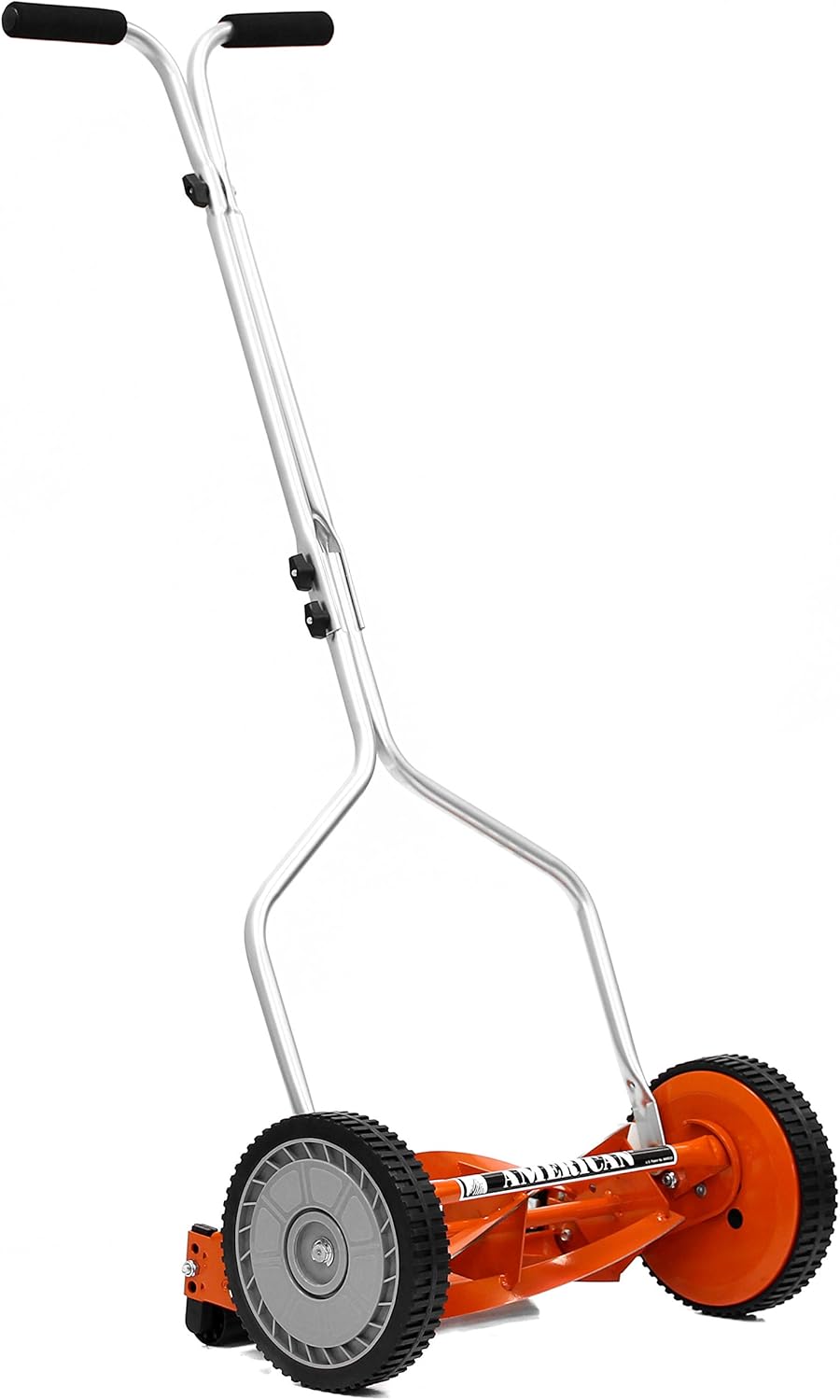
The American Lawn Mower Company 1204-14 is a classic push reel mower that brings back the simplicity of manual lawn care. Unlike gas or electric mowers, this tool relies entirely on your own muscle power to spin the reel and cut grass. It's a straightforward, no-nonsense machine designed for homeowners who prioritize quiet operation, zero emissions, and low maintenance over speed and brute force.
This mower is best suited for small, flat lawns with cool-season grasses like bluegrass, fescue, and rye. It's ideal for DIY homeowners who enjoy a bit of exercise while taking care of their yard. If you have a quarter acre or less and don't mind mowing more frequently during the growing season, this reel mower can deliver a clean, precise cut that actually promotes a healthier lawn by slicing rather than shredding the grass blades.
In real-world use, the 1204-14 performs best when you stay on top of your mowing schedule. It handles grass up to 4 inches tall, but for the best results, you should mow when the grass is dry and no more than about 3 inches high. The adjustable cutting height ranges from 0.5 to 1.75 inches, giving you good control over lawn appearance. The 8.5-inch polymer wheels roll smoothly on flat ground, but the mower can struggle on uneven or bumpy terrain. You'll need to make multiple passes if the grass is on the taller side, and wet grass will clog the reel and leave an uneven cut.
Build quality is decent for the price point. The frame is made of steel, and the reel blades are heat-treated alloy steel that stay sharp for years with minimal care. Assembly is straightforward and can be done in about 15 minutes with basic tools. The cushioned T-handle is comfortable for most users, though taller individuals might find it a bit low. At just 19 pounds, the mower is easy to lift and store, and it takes up very little space in a garage or shed.
One realistic drawback is that this mower won't replace a gas or electric model for larger or more demanding lawns. If you have a half-acre or more, or if your yard has hills, you'll likely find the manual effort tiring and time-consuming. Also, the 14-inch cutting width means more passes compared to a 21-inch power mower. But for its intended use - small, flat lawns - the American Lawn Mower 1204-14 is a reliable, eco-friendly, and cost-effective choice that gets the job done without noise, fumes, or ongoing fuel costs.

Pros
- Quiet operation lets you mow early morning or late evening without disturbing neighbors.
- Tool-free assembly and simple height adjustment make setup a breeze.
- Small footprint and lightweight design make storage easy in tight garages or sheds.
- Consistent, clean cut that many lawn enthusiasts prefer over rotary mowers.
Cons
- Not ideal for tall or thick grass over 4 inches; you'll need to make multiple passes or trim first.
- Requires a flat, even lawn to work best; hills or bumpy terrain can make pushing harder.
- Manual effort means it's not suitable for large lawns or users with physical limitations.
The American Lawn Mower Company 1815-18 is a traditional push reel mower that brings a century-old design into the modern era. This 18-inch, 5-blade manual mower is perfect for homeowners who prioritize a clean, precise cut and want to eliminate gas, oil, and noise from their lawn care routine. Unlike typical rotary mowers that shred grass, this reel mower snips each blade like a pair of scissors, resulting in a healthier lawn with less stress on the turf.
This mower is best suited for small to medium-sized, flat lawns. If you have a yard under a quarter acre and don't mind providing the power yourself, the 1815-18 delivers a satisfying workout while keeping your grass manicured. The cutting height adjusts easily from 1/2 inch to 2-1/4 inches using a wing nut on the cast iron roller brackets, so you can adapt to seasonal growth or personal preference. The 10-inch composite wheels with radial tread tires offer good traction on dry grass, and the lightweight 27-pound frame makes it easy to turn and maneuver around obstacles.
Build quality is solid for the price. The heat-treated alloy steel blades stay sharp for multiple seasons, and the plated loop handle with a full-length foam grip provides a comfortable push. Assembly is tool-free and takes under 10 minutes out of the box. One realistic limitation is that this mower struggles with grass taller than 4 inches or wet, thick turf. You may need to cut twice or use a trimmer first on overgrown areas. Also, on uneven ground, the mower can bounce, leaving uncut patches.
Overall, the American Lawn Mower 1815-18 is a reliable, eco-friendly choice for the DIY homeowner who values a quiet, emissions-free mowing experience. It's low maintenance and built to last, making it a smart buy for anyone with a modest, flat lawn who wants to reduce their carbon footprint and enjoy a cleaner cut.
Brand: American Lawn Mower Company
Model: 1815-18
Cutting Width: 18 inches
Number of Blades: 5
Cutting Height Range: 0.5 to 2.75 inches
Wheel Size: 10 inches
Weight: 27 pounds
Handle Type: Loop handle with foam grip
Material: Tempered alloy steel reel and bed knife
Assembly Required: No (tool-free)
Power Source: Manual (self-propelled by pushing)
This reel mower excels on small, flat lawns where you want a precise, striped look without the noise and fumes of a gas mower. It's ideal for eco-conscious homeowners who enjoy a bit of exercise while mowing. Use it for regular weekly cuts to keep grass at its healthiest. Avoid using it on wet grass or when the lawn is overgrown beyond 4 inches, as it may clog or require extra passes. It also works well for shops and garages that need to maintain a small patch of grass with minimal upkeep.

Pros
- Completely silent and pollution-free operation
- Easy to assemble and maintain with no engine parts
- Adjustable cutting height from 1 to 3 inches for fine-tuning lawn length
- Wider 20-inch cutting path reduces number of passes needed
- Promotes healthier grass by cutting cleanly rather than tearing
Cons
- Does not include a grass catcher, so clippings are left as mulch
- Requires more physical effort on hills or with very tall/thick grass
- Not suitable for large lawns or rough terrain where a power mower would be more efficient
The Scotts 2000-20S is a classic manual push reel lawn mower designed for homeowners who value a quiet, eco-friendly, and low-maintenance approach to lawn care. Unlike gas or electric mowers that rely on motors and emit noise and fumes, this mower is powered entirely by your push. It is best suited for small to medium-sized lawns with relatively flat, well-maintained grass. If you want a greener cut that keeps your turf healthy without the hassle of fuel, oil changes, or charging batteries, this reel mower fits the bill.
In real-world use, the Scotts 2000-20S performs surprisingly well on manicured lawns. Its five-blade reel cuts grass with a scissor action, leaving a clean edge that recovers faster than the ragged tear caused by rotary blades. The 20-inch cutting width lets you cover ground efficiently, and the dual tracking wheels help it follow a straight line with minimal effort. The quick-snap height adjusters are genuinely convenient, letting you dial in the cut height without tools. On the downside, if your grass gets overly tall or wet, the mower can clog or struggle, requiring extra passes or some cleanup. It also has no catcher, so clipping collection is not an option; the mower mulches in place.
Build quality is solid for a manual mower. The steel reel and frame feel durable, and the ball bearing reel keeps the blades spinning smoothly. The handle is comfortable, though the foam grip could be thicker for larger hands. Assembly is genuinely tool-less and takes just a few minutes, which is a big plus for anyone who dreads complicated setups. Portability is excellent; the mower is light enough to carry over a curb or store upright in a small shed.
A realistic drawback is that this mower demands a consistent pace to cut effectively. If you slow down, the reel may not spin fast enough, leaving uncut patches. It also requires regular blade sharpening, though that is straightforward with a sharpening kit. For larger lawns or those with thick Bermuda or St. Augustine grass, a gas or electric mower would be less work. However, for the right user, the trade-off in effort is offset by the environmental benefits, silence, and the satisfaction of a precision cut.
Overall, the Scotts 2000-20S is a solid buy for the eco-conscious homeowner who wants a quiet, simple, and effective lawn tool. It shines on smaller, flat lawns where you can enjoy a peaceful mowing session without disturbing the neighbors or burning fuel. If you are willing to accept a bit of physical effort and periodic blade maintenance, this reel mower will reward you with a healthy, beautiful lawn. For anyone seeking a no-nonsense, manual alternative to power mowers, it's a smart choice.
Cutting Width: 20 Inches
Cutting Height Range: 1 to 3 Inches (9 positions)
Blade Configuration: 5-Blade Reel, Heat-Treated Alloy Steel
Wheels: Two 10-Inch Composite Radials + Two 6-Inch Tracking Wheels
Handle: Loop-Style with Foam Grip
Weight: Approximately 34 Pounds (Shipping)
Assembly: Tool-less, Quick Setup
Warranty: 2-Year Limited
The Scotts 2000-20S is best used on small to medium-sized, flat lawns with moderate grass growth. It works well for homeowners who prioritize eco-friendliness, noise reduction, and a healthy lawn. Ideal for urban or suburban yards where quiet operation is important. Not recommended for large properties, steep slopes, or overgrown grass where a power mower would be more practical.
How to Determine Mower Blade Orientation
The primary indicator for blade orientation is the direction of the bevel. On a standard rotary mower blade, the cutting edge is sharpened at an angle that creates a flat side and a beveled side. The flat side should face upward, while the beveled side faces downward. This geometry allows the blade to lift the grass and cut it cleanly as it spins. If the bevel faces up, the blade will tear the grass rather than cut it, resulting in a brown, ragged appearance on the lawn.
Manufacturers often add visual cues to prevent installation errors. Look for a molded arrow or stamped text on the blade itself that indicates the direction of rotation. This arrow should point in the same direction that the mower deck spins. On the spindle or the center of the blade, there may also be a mark that aligns with a corresponding mark on the deck.
Aligning these marks ensures the blade is not only oriented correctly but also balanced relative to the mower’s center of gravity. Failing to align these marks can cause the mower to vibrate excessively, which wears out bearings and mounts over time.
| Mower Type | Orientation Cue | Common Mistake |
|---|---|---|
| Rotary Push/Riding | Bevel down, arrow matches rotation | Installing bevel up or reversed rotation |
| Reel Mower | Fixed by assembly geometry | Forcing wrong direction of spin |
| Brush Cutter | Check manufacturer manual | Assuming standard mower rules apply |
Before installing a new blade, inspect the old one for wear and damage. A bent or cracked blade should never be reinstalled, as it will throw the mower off balance. Check the center hole for wear; if the hole is significantly larger than the spindle, the blade will wobble. Use a blade balancer to check the weight distribution. If the blade is unbalanced, it can cause premature failure of the spindle and transmission components. Replacing the blade with a new, balanced unit is the safest and most effective solution.
Visual Cues and Manufacturer Markings
Not all blades have obvious arrows, especially older or generic models. In these cases, the bevel is the primary guide. Run your finger lightly across the edge to feel the angle; the side that feels sharp and angled is the bevel. The flat side is the back of the blade.
If the blade is double-beveled, check for a slight asymmetry in the grind or look for a sticker that indicates the ‘top’ side. Some blades have a distinct color or coating on the top side to aid identification. If you are unsure, consult the owner’s manual for your specific mower model, which usually includes a diagram showing the correct installation orientation.
Spindle alignment is another critical factor. The center of the blade must be perfectly centered on the spindle. If the blade is off-center, it will create an eccentric load that damages the mower. Use the mounting hardware provided by the manufacturer, including the specific washer and nut.
The washer often has a specific shape, such as a star or tab, that fits into a groove on the spindle to prevent the blade from spinning loose. Ensure the nut is tightened to the manufacturer’s specified torque. Overtightening can strip the threads, while undertightening can allow the blade to loosen during operation, which is a severe safety hazard.
Safety Protocols for Blade Removal and Installation
Safety is paramount when handling mower blades. Always disconnect the spark plug wire from the spark plug and secure it away from the plug to prevent accidental starting. This step is non-negotiable, as a sudden engine start can cause severe injury. Wear heavy-duty work gloves to protect your hands from sharp edges and rust.
Use a wrench or socket to loosen the blade bolt, turning it counter-clockwise. If the bolt is stuck, use penetrating oil and allow it to sit for a few minutes before attempting to loosen it again. Never use a power tool to loosen a stuck bolt, as it can spin the blade and cause injury.
When removing the blade, support it with one hand to prevent it from falling. Place the blade on a stable surface, not on the ground, to avoid further damage. Inspect the spindle for wear or rust. If the spindle is damaged, it may need to be replaced before installing a new blade.
When installing the new blade, ensure the bevel is facing down and the arrow matches the rotation direction. Tighten the bolt securely, but do not overtighten. After installation, double-check that the blade spins freely without hitting the deck or other components. This final check ensures the blade is installed correctly and safely.
Here are key safety checks to perform before and after installation:
- Disconnect the spark plug wire and secure it away from the plug.
- Wear heavy-duty gloves to protect hands from sharp edges.
- Support the blade when removing it to prevent falling.
- Inspect the spindle for wear, rust, or damage.
- Ensure the bevel faces down and the arrow matches rotation.
- Tighten the bolt to the manufacturer’s specified torque.
- Check that the blade spins freely without hitting the deck.
Common Orientation Errors and Their Consequences
Installing the blade with the bevel up is the most common error. This results in a ragged cut that looks like the grass is torn rather than cut. The grass tips turn brown, and the lawn may appear unhealthy. Over time, this improper cut can stress the grass, making it more susceptible to disease and pests. If you notice your lawn looking ragged after mowing, check the blade orientation first. Flipping the blade to the correct orientation often resolves the issue immediately.
Another common error is installing the blade in the wrong rotation direction. If the arrow on the blade points opposite to the mower’s rotation, the blade will not cut efficiently. It may also cause the mower to vibrate excessively, as the aerodynamic forces are not balanced. This vibration can loosen other components and damage the engine mounts. If your mower vibrates more than usual, check the blade orientation and balance. Reinstalling the blade in the correct direction usually resolves the vibration issue.
Using a blade that is not balanced is another frequent mistake. An unbalanced blade causes the mower to shake, which can damage the spindle, bearings, and transmission. It also makes the mower harder to control and can lead to operator fatigue. Always balance a new blade before installation. If the blade is unbalanced, it may need to be adjusted or replaced. A balanced blade ensures smooth operation and extends the life of your mower.
Reel Mower Blade Mechanics
Reel mowers operate on a different principle than rotary mowers. They use a scissor-like action where the rotating reel blades cut against a stationary bed knife. The orientation of the reel is fixed by the assembly, so there is no user choice in direction. However, it is essential to ensure the reel spins in the correct direction when pushing the mower. If the reel spins backward, it will not cut the grass. Check the mower’s manual to confirm the direction of rotation for your specific model.
Reel mower blades are typically made of heat-treated alloy steel, which helps them stay sharp longer. The cutting action is precise, producing a clean cut that is healthy for the grass. Unlike rotary mowers, reel mowers do not have a bevel orientation issue. Instead, the focus is on maintaining the sharpness of the reel blades and the bed knife. If the cut is ragged, the blades may need sharpening. Regular maintenance ensures the reel mower continues to cut cleanly and efficiently.
If you are considering a reel mower for small lawns, the American Lawn Mower Company 1815-18 18-Inch model is a popular option. It features a durable composite wheel and a tempered alloy steel reel, designed for long-lasting performance.
The scissor-cut action produces a healthy cut for your grass, making it a good choice for those who prioritize lawn health. For a wider cut, the Scotts Outdoor Power Tools 2000-20S 20-Inch model offers a 20-inch cutting width and a 5-blade ball bearing reel. Both models require minimal maintenance and provide a quiet, eco-friendly mowing experience.
Understanding the mechanics of reel mowers helps you maintain them properly. The blades should be checked regularly for wear and sharpness. If the cut is not clean, the blades may need sharpening or replacement. Keeping the reel and bed knife aligned is also important for a clean cut. If you are unsure about the condition of your reel mower blades, consider consulting a professional for sharpening. Proper maintenance ensures your reel mower continues to perform well for years.
Verifying Fit and Compatibility
Before purchasing a replacement blade, verify that it is compatible with your specific mower model. Check the blade length, width, and center hole diameter. The center hole must match the spindle size exactly. If the hole is too large, the blade will wobble; if it is too small, it will not fit. Also, check the outer hole pattern if the blade uses multiple mounting points. The holes must align with the deck’s mounting holes. Using a blade with the wrong hole pattern can prevent proper installation.
Some blades are designed for specific deck configurations, such as mulching, bagging, or side-discharge. A mulching blade has a different shape than a standard blade, with additional cutting edges to recut grass clippings. Using a standard blade in a mulching setup may result in poor mulching performance. Conversely, using a mulching blade in a bagging setup may reduce airflow and clog the bag. Always use the blade type recommended by your mower manufacturer for the intended use. This ensures optimal performance and prevents damage to the mower.
If you are replacing a blade on a brush cutter or trimmer, the orientation may differ from a standard mower. Brush cutter blades often have a different mounting system and may require specific adapters. Check the manufacturer’s instructions for the correct orientation and mounting hardware. Using the wrong blade or adapter can be dangerous and may damage the trimmer. Always follow the safety guidelines provided by the manufacturer when handling brush cutter blades.
For those dealing with stuck or difficult-to-remove blade bolts, our guide on loosening stuck mower blade bolts offers practical techniques to safely remove stubborn hardware without damaging the spindle or blade.
Maintenance and Sharpening Considerations
A sharp blade is essential for a clean cut and healthy lawn. A dull blade tears the grass, leaving ragged tips that turn brown. Regular sharpening helps maintain the blade’s edge and improves cutting performance. However, sharpening should be done carefully to avoid altering the blade’s geometry. Use a file or a professional sharpening service to maintain the correct angle. If the blade is severely worn or damaged, replacement is the best option.
Balancing the blade is another important maintenance task. An unbalanced blade causes vibration, which can damage the mower. Use a blade balancer to check the weight distribution. If the blade is unbalanced, it may need to be adjusted or replaced. Regular balancing ensures smooth operation and extends the life of your mower. If you are unsure how to balance a blade, consult a professional for assistance.
Storing the blade properly when not in use also helps maintain its condition. Clean the blade to remove grass clippings and debris. Apply a light coat of oil to prevent rust. Store the blade in a dry place, away from moisture. Proper storage ensures the blade remains in good condition and ready for use when needed. If you are looking for more detailed advice on sharpening, our article on filing lawn mower blades provides step-by-step instructions for maintaining a sharp edge safely.
Regular maintenance is key to keeping your mower in top condition. Check the blade for wear, balance, and sharpness before each mowing season. If you notice any issues, address them promptly to avoid further damage. Proper maintenance ensures your mower performs well and lasts for many years. If you are unsure about any aspect of blade maintenance, consult your owner’s manual or a professional for guidance.
Correctly orienting your mower blade is a simple but critical task that ensures a clean cut, reduces vibration, and protects your equipment. By following the visual cues, safety protocols, and maintenance tips outlined here, you can avoid common errors and keep your lawn healthy. Always prioritize safety by disconnecting the spark plug and wearing protective gear. If you encounter persistent issues, consulting a professional or referring to your manufacturer’s manual is the best course of action.




Write Your Review
No reviews yet. Be the first to share your experience!