


Most homeowners use a lawn edger to create the crisp boundary between grass and hardscapes. The specific tool depends on whether you prefer manual precision or mechanical speed, but the core function remains the same: cutting a defined line to prevent grass from encroaching on sidewalks, driveways, or flower beds.
Choosing the right device involves balancing the size of your property, the type of ground you are edging, and how much physical effort you are willing to expend. A manual tool offers control for small areas, while a powered unit handles larger perimeters more efficiently.
Understanding the difference between a half-moon edger and a gas or electric edger helps you avoid buying equipment you might only use once. Manual tools are inexpensive, require no fuel, and are easy to store, making them ideal for quick touch-ups.
Powered edgers provide consistent depth and speed, which is useful for long, straight runs along driveways or rural properties. Before selecting a tool, check the material of the blade and the ergonomics of the handle, as these factors determine how long the tool lasts and how comfortable it is to use. The options listed below reflect common choices for both manual and powered setups.

Pros
- Excellent value with 30 blades per pack - far cheaper than buying OEM replacements
- Titanium coating provides superior corrosion resistance and extends blade life
- Sharp out of the box and maintain cutting performance for 100+ hours of run time
- Simple installation with included screws - just twist off old blades and tighten new ones
Cons
- Screws can occasionally break at the head during removal - handle with care and use proper tools
- Blades will eventually dull after heavy use (100-200 hours) and need replacement to maintain performance
- Not designed for traditional walk-behind mowers - only compatible with robotic models listed
If you own a robotic mower from Husqvarna, Gardena, Segway Navimow, or any of the dozens of compatible models, you know that keeping the blades sharp is essential for a healthy lawn. The Headley Tools Replacement Robotic Mower Blades offer a straightforward solution that won't drain your wallet. This pack gives you 30 titanium-coated stainless steel blades plus matching screws, so you can change them frequently without feeling guilty about cost.
These blades are best suited for homeowners who rely on automated mowers to maintain their yard. While not technically a power tool themselves, they're a critical consumable for the robotic mowers that many DIYers and property owners use. The titanium coating is the standout feature here - it resists rust and holds an edge notably longer than uncoated steel blades. In real-world use, you can expect to run these for 100-200 hours before they start to dull, depending on grass type and conditions.
Installation is about as easy as it gets. Each blade uses a single screw, and the package includes everything you need. Just flip the mower over, unscrew the old blade, pop on the new one, and tighten. The double-sided design means you get twice the cutting life out of each blade if you flip half of them when one side wears down. The 0.75mm thickness is standard for robotic mowers and allows for clean, precise cuts that don't tear or brown the grass tips.
Build quality is solid for the price point. The stainless steel feels sturdy, and the titanium coating adds a layer of protection against moisture and lawn chemicals. Over time, some users have reported that the screws can be brittle - a few have snapped during removal, so it's wise to use a well-fitting screwdriver and not overtighten when installing. That said, with 30 blades in the box, even if you lose a screw or two, you've got plenty of extras.
Overall, the Headley Tools blades deliver exactly what they promise: a reliable, affordable way to keep your robotic mower cutting at its best. They're not a magic upgrade, but they match OEM performance at a fraction of the price. If you want to save money and time on lawn maintenance without sacrificing cut quality, this is a no-brainer buy for any compatible mower owner.
Brand: Headley Tools
Material: Stainless steel with titanium coating
Blade size: 35 x 18 x 0.75mm
Screw length: 10mm
Hole diameter: 5mm
Package includes: 30 blades + 30 screws
Compatible with: Husqvarna Automower (220AC, 230ACX, 260ACX, 265ACX, 305, 308, 310, 315, 320, 330X, 420, 430, 430X, 440, 450X), Gardena (R38Li, R40Li, R45Li, R50Li, R70Li, R75Li, R80Li, R100Li, R130Li, R160Li, R165, R180, Sileno models), Segway Navimow, Yard Force robots, Flymo 1200R, and many others.
Regular blade replacement schedule: Swap blades every 100-200 hours of mowing time for optimal cut quality. Great for owners who mow frequently during growing season.
Budget-conscious homeowners: With 30 blades per pack, you can change blades twice a month for a full season without spending OEM-level money.
Multi-mower households: If you have multiple robotic mowers covering different zones, this pack keeps all of them sharp without needing separate orders.
Lawn perfectionists: The titanium coating and double-sided design deliver clean, even cuts that promote healthy grass growth.
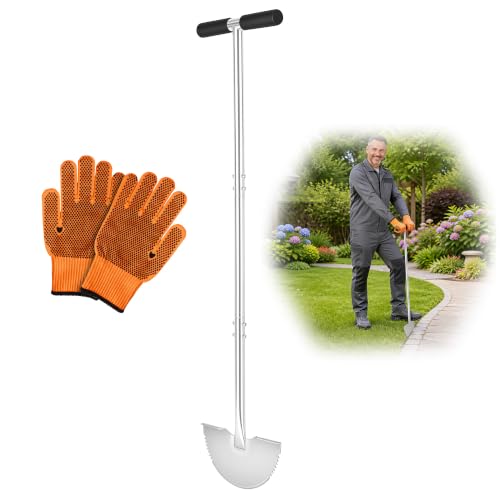
Pros
- Serrated blade provides superior cutting power compared to standard flat edgers
- Ergonomic T-handle and long handle reduce back strain and improve comfort
- Rust-proof steel construction offers good durability and weather resistance
- Versatile use for edging, trenching, and small sod cutting tasks
Cons
- Manual operation requires more physical effort than power edgers, especially in hard or compacted soil
- Blade width may be narrow for larger edging projects, requiring more passes
- Some users may find the footrest a bit small for larger feet
The KYEEN-TOOLS Serrated Edger Lawn Tool is a manual half-moon shovel designed to help homeowners and gardeners create clean, defined edges along sidewalks, driveways, flower beds, and garden paths. Unlike power edgers that require fuel or electricity, this tool relies on your own muscle and a sharp, serrated blade to slice through grass and soil. It is best suited for budget-conscious shoppers, first-time buyers, apartment dwellers with small yards, suburban lawn owners, and gardeners who prefer a quiet, eco-friendly approach to lawn maintenance.
In terms of real-world lawn care performance, the serrated blade is the standout feature. According to product specifications, it offers superior cutting power compared to flat-blade shovels, making it easier to cut through thick grass roots and compacted soil. The wide footrest provides stability, allowing you to apply more force for deeper, cleaner cuts. While it won't replace a power edger for large, overgrown edges, it handles routine edging along sidewalks and flower beds efficiently. The manual design also means zero noise, zero emissions, and no cords to untangle, which is a plus for early morning or quiet neighborhood work.
Build quality appears solid for the price point. The blade is made from rust-proof steel with a rust-resistant coating, which should hold up well against moisture and outdoor storage. The 38-inch T-handle is designed to reduce bending and back strain, and the included gloves add a nice touch for hand protection. The tool is lightweight and easy to store in a garage, shed, or even a small apartment closet. Assembly is straightforward, with no complicated steps required.
Setup and daily handling are simple: you just step on the footrest and push down. Maintenance involves rinsing off soil after use and occasionally wiping the blade to prevent rust. One realistic limitation is that manual edging requires more physical effort than using a power tool, especially in hard or rocky soil. The blade width is also modest, so larger edging projects may take more time and multiple passes. However, for small to medium-sized yards and regular upkeep, it is a practical, low-cost solution.
Overall, the KYEEN-TOOLS Serrated Edger Lawn Tool is a reliable choice for anyone who wants to keep their lawn edges tidy without spending a lot of money or dealing with the hassle of gas, batteries, or extension cords. It is especially well-suited for apartment dwellers with small yards, suburban homeowners with manageable edging needs, and gardeners who appreciate a straightforward, durable tool. If you are looking for a quiet, eco-friendly way to maintain crisp lawn edges, this edger is worth considering.
A closely related question is covered in what do gator blades do on a lawn mower, which may help alongside this section.
Choosing the Right Edging Tool for Your Yard
The primary decision is whether to use a manual or a powered tool. Manual edgers, such as the half-moon shovel style, rely on your body weight to drive the serrated blade into the soil. This method is quiet, inexpensive, and requires no maintenance beyond occasional sharpening.
It works well for small suburban lawns with short grass and soft soil. Powered edgers, including gas and electric models, use a rotating blade to cut through the ground. They are faster for large areas but require fuel, charging, or a power cord. The choice often comes down to the total linear feet of edging you need to do each season.
| Tool Type | Best For | Effort Level | Maintenance |
|---|---|---|---|
| Manual Half-Moon | Small lawns, precise lines | High | Sharpening, cleaning |
| Electric Corded | Medium lawns, no fumes | Medium | Blade cleaning, cord care |
| Gas-Powered | Large properties, rough terrain | Low | Oil, spark plug, blade |
Before purchasing, verify the specific requirements of your yard layout. Different tools excel in different conditions. A serrated manual blade cuts through grass and shallow roots effectively, while a powered blade handles deeper soil and tougher vegetation. Check the width of the cutting area and the depth adjustment range. These specifications ensure the tool can handle the specific edges in your garden. Also consider the storage space available for larger powered units.
- Measure the total length of edges needing cleanup
- Check soil firmness to determine if a powered tool is needed
- Assess available storage space for cords or fuel tanks
- Determine if you prefer the quiet operation of manual tools
- Review the weight of the tool for user comfort
Manual Edgers: Precision and Control
Manual edgers are the most accessible option for most homeowners. The classic half-moon design features a curved, serrated blade that you press into the ground using your foot. This action creates a clean, vertical cut that separates the grass from the adjacent surface.
The serrations help the blade grip the soil and cut through roots without slipping. Many models include a T-handle for better leverage and control. The KYEEN-TOOLS Serrated Edger Lawn Tool is an example of this type, featuring a 38-inch handle that reduces the need to bend over. This ergonomic design helps prevent back strain during extended use.
The advantage of manual tools is their simplicity. There are no engines to start, no oil to change, and no batteries to charge. You can use them immediately after unboxing. They are also lightweight, making them easy to carry around the yard. For small flower beds or tight corners, a manual edger provides more precision than a powered unit.
The user controls the exact depth and angle of the cut. This level of control is difficult to achieve with a gas-powered edger, which follows a set path. Manual tools are also quieter, allowing you to work without disturbing neighbors or wildlife.
Powered Edgers: Speed for Large Areas
Powered edgers are designed for efficiency on larger properties. Gas models offer the most power and mobility, making them suitable for rural areas or large suburban lots. They can cut through tough soil and thick grass quickly. Electric corded models are lighter and produce no emissions, but they are limited by the length of the cord.
Battery-powered edgers offer a balance of mobility and quiet operation, though they require charging time. The choice between these depends on the size of your yard and your tolerance for maintenance. Gas edgers require regular oil changes and spark plug inspections. Electric models need less maintenance but may have a shorter runtime per charge.
The cutting mechanism in powered edgers is a rotating blade that spins at high speed. This blade cuts the grass and soil below the surface, creating a trench-like edge. Most powered edgers have adjustable depth settings, allowing you to customize the cut for different ground conditions.
Deeper cuts prevent grass from growing over the edge, but they require more power. Shallow cuts are faster and easier on the tool. Always check the manufacturer’s specifications for the maximum soil depth and grass thickness the tool can handle. Using the tool beyond these limits can damage the blade or motor.
For more on a connected point, our page on how to change 4 blades on a masport lawn mower goes into it separately.
Blade Materials and Durability
The material of the edger blade significantly affects its lifespan and performance. High-quality steel is essential for durability, especially when cutting through compacted soil or roots. Some blades feature coatings, such as titanium or rust-proof finishes, to extend their life.
These coatings help prevent corrosion from moisture and fertilizer. A sharp edge is crucial for a clean cut. A dull blade will tear the grass and soil, resulting in a ragged edge that requires more effort to fix. Regular sharpening is part of the maintenance routine for both manual and powered edgers.
For manual tools, the serrated edge helps maintain sharpness for longer periods. The teeth catch the soil and cut through it, reducing the need for frequent honing. However, if the serrations become blunted, the tool becomes difficult to use. A file or a dedicated sharpener can restore the edge.
For powered edgers, the blade is typically a solid steel disc or a multi-tooth blade. These can be sharpened with a grinder or a file, but care must be taken to maintain the correct angle. An improperly sharpened blade can vibrate excessively, causing wear on the motor or gearbox. Always follow the manufacturer’s guidelines for sharpening and balancing the blade.
- Check the steel grade for corrosion resistance
- Look for protective coatings on the blade surface
- Verify if the blade is replaceable or fixed
- Assess the ease of sharpening for your skill level
- Consider the weight of the blade for balance
If this topic is part of a bigger decision, how to lower blades on lawn mower is a useful related read.
Safety Considerations for Edging
Edging involves using sharp blades and, in the case of powered tools, moving parts. Safety is paramount to prevent injury. Always wear sturdy footwear and long pants to protect your legs from flying debris.
Eye protection is recommended when using powered edgers, as small rocks and soil can be thrown at high speed. Keep children and pets away from the work area. For manual edgers, be mindful of your footing, as the footrest can slip on wet or uneven ground. A slip can cause the blade to cut your foot or ankle.
Powered edgers have additional safety features, such as blade guards and kill switches. Ensure these components are intact and functional before use. Never remove safety guards to make the tool faster or more accessible. Check the fuel system for leaks before starting a gas edger. Store fuel in approved containers, away from heat sources. For electric tools, inspect the cord for damage before plugging in. Use ground fault circuit interrupters (GFCIs) when operating near water. Proper safety practices ensure that edging remains a safe and enjoyable part of yard maintenance.
Maintenance and Storage Tips
Proper maintenance extends the life of your edging tool. After each use, clean the blade to remove soil and grass clippings. Moisture left on the blade can cause rust, even on coated steel. Use a brush or a damp cloth to clean the surface. Dry the blade thoroughly before storage. For manual tools, check the handle for loose screws or cracks.
Tighten any loose hardware and replace damaged parts. Store the tool in a dry place, away from direct sunlight. A garage or shed is ideal. For powered edgers, perform regular maintenance as specified in the manual. Change the oil, clean the air filter, and inspect the spark plug. These steps prevent breakdowns and ensure reliable performance.
Sharpening the blade is a critical maintenance task. A dull blade tears the grass and increases the effort required to cut. Use a file or a grinder to restore the edge. Follow the manufacturer’s recommended angle for sharpening. Balance the blade after sharpening to prevent vibration.
An unbalanced blade can damage the tool’s internal components. Store the tool with the blade protected. Use a blade guard or cover to prevent accidental cuts. Proper storage protects the tool and keeps your storage area safe. Regular maintenance ensures that your edger is ready for use whenever you need it.
Selecting the right lawn edger depends on your specific yard conditions and personal preferences. For small, precise jobs, a manual half-moon edger is a cost-effective and versatile choice. For larger properties or frequent edging, a powered unit saves time and effort. Always prioritize safety and maintenance to ensure long-term performance. By understanding the differences between tool types, you can make an informed decision that fits your needs and budget. The right tool will help you maintain a clean, professional-looking lawn with minimal hassle.
For more on a connected point, our page on how do you lift a lawn mower to change blades goes into it separately.



Write Your Review
No reviews yet. Be the first to share your experience!