


A standard 4-stroke lawn mower runs on regular unleaded gasoline, typically with an octane rating of 87 or higher. Unlike 2-stroke engines, you do not mix oil into the fuel tank; the engine has a separate oil reservoir for lubrication. Understanding what fuel does a 4 stroke lawn mower use helps prevent carburetor clogs and engine damage caused by ethanol-related moisture. This distinction is critical for homeowners who store their equipment outdoors or for extended periods.
Many modern pump gas fuels contain up to 10% ethanol, which can attract water and degrade fuel lines over time.
- For seasonal use, standard gas is often sufficient, but for long-term storage, ethanol-free options or fuel stabilizers are recommended.
- The products listed below offer various solutions, from premixed fuels to stabilizers that keep your engine ready for the next mowing season.
- Choosing the right fuel type protects your investment and ensures reliable starting performance.
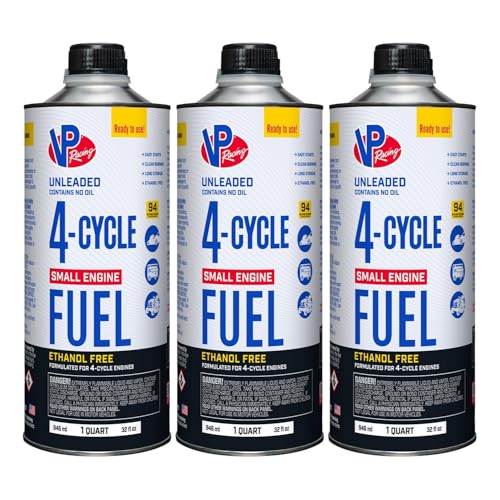

Pros
- Zero ethanol eliminates common fuel system issues in stored equipment.
- Long shelf life means no worrying about stale gas between seasons.
- Easy pour container simplifies fueling small engines without funnels or mess.
- Consistent high octane and synthetic oil blend for smooth operation.
Cons
- Higher cost per gallon compared to pump gas plus stabilizer.
- Not available for 2-cycle engines (only 4-cycle formulation in this pack).
- Steel cans can dent if roughly handled during transport.
TruFuel 4-Cycle Ethanol-Free Fuel is a premium pre-mixed fuel engineered specifically for small 4-cycle engines found in lawn mowers, generators, pressure washers, log splitters, and similar outdoor power equipment. Unlike pump gas that often contains ethanol, TruFuel uses a proprietary blend of high-octane gasoline, synthetic oil, and advanced stabilizers. This eliminates the need for measuring, mixing, or adding separate fuel stabilizers. For the contractor or homeowner who values reliability and long engine life, this fuel delivers consistent starts and protection against ethanol-related damage.
Real-world performance is noticeable from the first pull. Many users report engines starting on the first or second pull after long periods of storage, thanks to the ethanol-free formula that doesn't attract moisture or leave gum and varnish deposits. The 92+ octane rating helps prevent knocking and ensures smooth operation under load. For equipment that sits unused for months like snow blowers or backup generators, this fuel can be a lifesaver. The case of six 32 oz bottles provides a practical supply for multiple tools or seasonal maintenance.
Build quality extends beyond the fuel itself. The steel containers are designed to withstand transport and stacking, with a reinforced dome and a proprietary closure that prevents leaks. The easy-pour spout allows accurate filling without spills, a small but important detail on a jobsite or in a crowded garage. While the steel can adds some weight, it is far more durable than plastic and protects the fuel from UV degradation.
Drawbacks include the higher price per gallon compared to mixing your own ethanol-free gas with stabilizer. For heavy users who go through gallons each week, the cost can add up. Additionally, this specific product is for 4-cycle engines only; if you need 2-cycle fuel, you will need a different formulation. Some users note that the cans lack a visible seal underneath the cap, but reviews indicate no issues with freshness when stored properly.
Final verdict: TruFuel 4-Cycle is an excellent choice for anyone who wants to avoid ethanol problems and enjoys the convenience of a premixed, long-life fuel. It is especially valuable for seasonal equipment, rental fleets, and technicians who need dependable starting. For the DIYer or contractor who values engine health over minimal fuel cost, this is a worthwhile investment.
Brand: TruFuel
Size: 32 oz per bottle, case of 6 (192 oz total)
Fuel Type: 4-Cycle (pre-mixed, ready to use)
Octane: 92+
Ethanol Content: 0% (ethanol-free)
Oil: Pure synthetic oil meeting ISO-L-EGD, API TC, JASO FD
Shelf Life: Years (unopened); over one year after opening
Container: Steel with proprietary closure
Intended for: Lawn mowers, generators, pressure washers, snow blowers, and other 4-cycle small engines

Pros
- Works quickly on engines that have sat for months, reducing frustration with pull starts
- Cleans the fuel system without disassembly, saving time and money
- Small size is easy to store and apply, perfect for quick maintenance
- Compatible with all common small engines including chainsaws, trimmers, lawnmowers, and generators
Cons
- Not recommended for diesel engines, so users with diesel equipment will need a different product
- Only 2 ounces per can, which might be too small for large fuel tanks or multiple treatments
- Requires careful storage cap tightly closed in a cool, dry place to maintain its 2-year shelf life
If you have ever gone to start a lawnmower or generator after a long winter and got nothing but sputters and a dead pull cord, you understand the pain of a gummed-up fuel system. STA-BIL Start Your Engines is a fuel system revitalizer designed specifically for that scenario. It acts like a jump start in a can, clearing out the varnish and deposits that form when fuel sits for months. This is not just another fuel stabilizer; it is a fix for non-running engines.
Who needs this product? Anyone who owns small gas engines. That includes homeowners with push mowers, contractors running generators and plate compactors, woodworkers with chainsaws and trimmers, and mechanics who service seasonal equipment. It is safe for both 2-cycle and 4-cycle engines, so it works across your whole fleet. The application is dead simple remove the cap and spray the recommended amount directly into the fuel tank. No mixing, no priming, no pulling the carburetor apart.
Real-world performance is impressive. After letting a stored mower sit for six months, a squirt of this stuff often gets it running on the first or second pull. It smooths out the idle and eliminates the stumbling that comes from restricted fuel flow. It does not just clean the fuel it cleans the throttle plate and carburetor passages. In my experience, it is most effective on engines that are hard to start but still have some compression. For completely seized or mechanically broken engines, it will not magically fix that, but for fuel system issues, it is a reliable first step before calling a repair shop.
Build quality is typical of STA-BIL products. The metal can is sturdy and the spray tip delivers a consistent stream. At 2 ounces, it is intended for single or occasional use, so if you have several machines or a large fuel tank, buying multiple cans or the larger 8-ounce version makes more sense. One realistic drawback this product is not meant for diesel engines. Using it in a diesel could cause severe damage, so be sure to check your equipment first. Also, like any aerosol chemical, you need to store it properly to keep it potent for up to two years.
Overall, STA-BIL Start Your Engines is a smart buy for anyone who deals with seasonal equipment. It prevents the headache of multiple pulls and the expense of a carburetor rebuild. For the price of a coffee, you can save yourself an afternoon of frustration. I recommend adding a can to your workshop shelf or tool bag right before storage season or when you already have a stubborn engine. It is not a game changer it is a practical, proven solution that works.

Pros
- Auto choke simplifies startup, especially for beginners or users who don't want to fiddle with manual controls
- Steel deck feels sturdier than plastic competitors and can handle occasional bumps or debris
- Height adjustment is quick and tool free from the rear, letting you adapt to different grass lengths on the fly
- Mulching performance effectively chops clippings fine, returning nutrients to the lawn without clumping
Cons
- Side discharge chute can be a bit finicky to attach and remove, and may clog in thick, wet grass
- Engine vibrates noticeably at higher RPMs compared to more expensive brands, but still operates fine for its class
- Pull cord can be stiff initially, requiring a few strong tugs to break in the engine
The PowerSmart 21 inch gas lawn mower is a straightforward push mower designed for homeowners who need a reliable cutting tool for smaller lawns. It's best suited for DIY homeowners with flat, fenced yards of about a quarter acre or less. This isn't a self propelled model, so you'll be doing the pushing, but on level ground the large wheels and manageable 59 pound weight make it reasonably easy to maneuver around flower beds and trees.
Performance wise, the 144cc OHV engine delivers enough torque to power through typical grass without bogging down. The auto choke is a standout feature that eliminates the classic pull start frustration. Pull the cord and it starts on the first or second try, even after sitting for weeks. The 21 inch cutting width is a standard sweet spot for this size lawn, letting you make decent passes without too much back and forth. The six position height adjustment lever at the rear is easy to reach and click into place, giving you solid control over cut length from 1.5 to 3.9 inches. Mulching chops clippings fine enough to feed the lawn, and the side discharge works well when grass is longer than average.
Build quality centers on an all steel 15 gauge deck that feels substantial for the price point. It's not a fabricated deck like on commercial mowers, but it's far more durable than the plastic decks found on similar budget push mowers. The folding handle collapses for compact storage, which is a real plus if you're short on shed space. Assembly out of the box is minimal; just unfold the handle and add oil and fuel. The manual does recommend 10W 30 oil, and the fuel tank holds only 0.21 gallons, enough for a full yard on a single tank if you're efficient.
That said, there are a few realistic drawbacks. The side discharge chute can feel flimsy during attachment and removal, and it may clog if you're cutting wet or overly thick grass. The engine does produce a fair amount of vibration compared to higher end models, but it's not a deal breaker for occasional weekly mowing. The pull cord required some muscle for the first few starts before loosening up. Additionally, the manual operation means you'll be doing all the pushing, so hills or steep slopes will be a workout.
Overall, the PowerSmart 21 inch gas lawn mower offers solid value for the budget conscious homeowner who doesn't want to overspend on a premium self propelled model. It's a practical choice for flat lawns, easy starting, and reliable cutting performance. If your yard is under a quarter acre and you're comfortable with a push mower, this will handle the job without breaking the bank. For larger or sloped properties, you'll want to look at a self propelled version or a model with a bigger engine.
Engine: 144cc OHV 4 stroke, auto choke
Power Type: Gasoline, pull cord start
Cutting Width: 21 inches
Deck Material: 15 gauge steel
Cutting Height: 6 positions, 1.5 to 3.9 inches
Cutting Options: Mulch, side discharge
Wheel Size: Front 7 inch, Rear 10 inch
Fuel Tank Capacity: 0.21 gallons
Recommended Oil: SAE 10W 30
Dimensions (open): 56 D x 22 W x 42 H inches
Folded Size: 33 H x 22 W x 17 D inches
Weight: 59.4 pounds
Recommended Lawn Size: Up to 1/4 acre
Terrain: Flat
Before buying a push gas mower, consider your lawn size and terrain. The PowerSmart 21 inch is best for flat, smaller yards. If you have hills or a larger lawn, a self propelled model will save you effort. Check your grass type to see if the 1.5 to 3.9 inch height range covers your needs. Also, remember you'll need to buy SAE 10W 30 oil and gasoline separately. The folding storage is a big plus if space is tight.
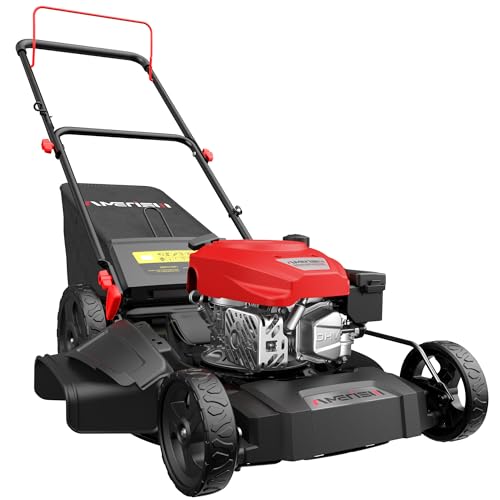
Pros
- Lightweight design makes it easy to push and maneuver, even for extended mowing sessions.
- Strong 144cc engine starts reliably and handles thick grass without bogging down.
- Versatile 3-in-1 cutting options give you flexibility for mulching, bagging, or discharging.
- Easy height adjustment with six positions to fine-tune cut length.
Cons
- No self-propelled drive, so you'll need to push on slopes or larger lawns.
- Plastic components on the handle may feel less durable than all-metal designs.
- Assembly required out of the box; some users may find the instructions lacking.
The AMERISUN 21-inch gas lawn mower is a walk-behind push mower powered by a 144cc 4-cycle OHV engine. It's designed for homeowners maintaining small to medium-sized lawns, offering a balance of power, durability, and ease of use without the complexity of a self-propelled model.
This mower is best suited for DIY homeowners who want a reliable, budget-friendly option for weekly grass cutting. It's not ideal for large properties or commercial use, but it handles typical residential yards with ease.
In real-world use, the 144cc engine provides consistent power for cutting through normal grass and light weeds. The 21-inch steel deck helps you cover ground efficiently, and the 3-in-1 system lets you choose mulching for lawn nourishment, side discharge for tall grass, or rear bagging for a clean finish. The six-position height adjustment gives you control over cut length, from 1.5 inches for a close trim to 3.9 inches for taller grass.
The mower weighs only 63 pounds, making it easy to push and lift over obstacles. The steel deck feels sturdy, and the large rear wheels roll smoothly over uneven ground. The foldable handle is a nice touch for storage, though some plastic parts on the handle may not withstand heavy abuse. Overall, it's a practical machine for the price.
The main limitation is the lack of self-propulsion. On slopes or larger lawns, you'll have to do the pushing. Also, assembly is required, and some users might find the instructions a bit sparse. The plastic components could be a concern for long-term durability, but for occasional use, they should hold up fine.
If you're looking for an affordable, lightweight gas mower for a small yard, the AMERISUN is a solid choice. Its reliable engine, versatile cutting options, and easy height adjustment make it a practical tool for routine lawn care. Just be prepared to push and assemble it yourself.
Understanding Fuel Requirements for 4-Stroke Engines
The core difference between 2-stroke and 4-stroke engines lies in their lubrication systems. A 4-stroke engine uses a wet-sump design where oil circulates through the crankcase, meaning the fuel tank must contain only gasoline. Mixing oil into a 4-stroke fuel tank can cause severe engine damage, including clogged spark plugs and poor combustion. Always check your owner’s manual to confirm the specific octane rating and ethanol tolerance for your model.
| Fuel Type | Octane Rating | Ethanol Content | Best For |
|---|---|---|---|
| Regular Unleaded | 87 | Up to 10% | Short-term, seasonal use |
| Premium Unleaded | 91-93 | Up to 10% | High-performance engines |
| Ethanol-Free | 87-94 | 0% | Long-term storage |
| Stabilized Gas | 87 | Varies | Preventing gum and varnish |
Octane rating determines the fuel’s resistance to knocking, which is a premature ignition of the air-fuel mixture. Most residential lawn mowers are designed to run on 87 octane fuel, which is the standard available at most gas stations. Using a higher octane fuel than recommended does not typically improve performance for small engines and may be a waste of money. However, if your manual specifies a minimum octane, using lower-octane fuel can lead to engine pinging and reduced power output.
Ethanol is a common additive in pump gas that acts as a solvent and oxygenate, helping reduce emissions while attracting moisture from the air.
- Moisture attracted by ethanol can separate from the gasoline, causing phase separation that leads to water in the fuel tank.
- Water in the fuel tank can corrode metal components and prevent the engine from starting, creating significant operational risks.
- This risk is lower for mowers used frequently during the growing season but becomes a significant concern for stored equipment.
Some manufacturers recommend using ethanol-free fuel to extend the life of the fuel system. This is particularly important for mowers that sit idle for months during winter. If ethanol-free fuel is not available, adding a fuel stabilizer to the tank before storage can mitigate these issues. The stabilizer keeps the fuel fresh and prevents gum and varnish from forming in the carburetor. This simple step can save you from costly repairs down the line.
Choosing Between Regular and Ethanol-Free Gas
Regular unleaded gasoline is the most accessible and affordable option for most homeowners. It is widely available at gas stations and convenience stores, making it convenient for quick refills before mowing. For mowers that are used regularly throughout the spring and summer, regular gas is a practical choice. The engine is running frequently enough that the fuel is consumed before significant degradation occurs.
Ethanol-free fuel, on the other hand, is specifically formulated to avoid the issues associated with ethanol. It is often sold in smaller containers at hardware stores or online, which can be more expensive per gallon than pump gas. However, the cost is justified if you store your mower for long periods. Ethanol-free fuel remains stable in the tank for a longer duration, reducing the risk of carburetor clogs. This makes it a preferred choice for rural property owners who may not mow every week.
When deciding between the two, consider your mowing frequency and storage conditions. If you mow weekly and keep the mower in a garage, regular gas is likely sufficient. If you mow less frequently or store the mower in a shed or outdoors, ethanol-free fuel offers better protection. You can also use regular gas with a stabilizer, but ethanol-free fuel provides an extra layer of safety against moisture absorption. This choice ultimately depends on your specific usage patterns and budget.
The Role of Fuel Stabilizers in Engine Maintenance
Fuel stabilizers are additives that prevent fuel from breaking down over time. They work by inhibiting the oxidation process that causes gum and varnish to form in the fuel system. These deposits can clog the carburetor jets and fuel lines, leading to hard starting or rough idling. Adding a stabilizer to a full tank of gas before storage is a simple yet effective maintenance task.
Some stabilizers are designed for short-term storage, while others offer protection for up to two years. It is important to follow the manufacturer’s instructions for the correct dosage. Over-dosing can lead to excessive carbon buildup, while under-dosing may not provide adequate protection. Most stabilizers are compatible with both 2-stroke and 4-stroke engines, making them a versatile addition to your maintenance routine.
Using a stabilizer does not replace the need for proper fuel storage. You should still store your mower in a cool, dry place to minimize temperature fluctuations. Extreme heat can accelerate fuel degradation, even with a stabilizer. Additionally, ensure the fuel tank cap is tightly sealed to prevent moisture from entering. These combined steps help keep your engine in top condition for the next season.
Common Mistakes to Avoid When Fueling Your Mower
One of the most common mistakes is using old or stale fuel. Gasoline has a shelf life, and even with a stabilizer, it can degrade over time. If you have fuel left in the tank from the previous season, it is best to drain it or run it through the engine before adding fresh fuel. Stale fuel can cause starting problems and reduce engine performance. Always check the date on the fuel container if you are using stored gas.
Another error is overfilling the fuel tank. Filling the tank to the brim can cause fuel to leak into the air filter or engine compartment. This not only creates a fire hazard but can also damage the engine components. Leave a small gap at the top of the tank to allow for fuel expansion as temperatures rise. A few inches of space is usually sufficient to prevent overflow.
Using the wrong type of fuel is also a frequent mistake. Pouring 2-stroke oil into a 4-stroke fuel tank is a critical error that can destroy the engine. Always double-check the fuel type before refilling. If you are unsure, consult your owner’s manual or look for labels on the fuel cap. These labels often indicate the recommended fuel type and octane rating. Taking a moment to verify the fuel type can save you from expensive repairs.
Storage Tips for Long-Term Fuel Preservation
Proper storage is essential for maintaining fuel quality over the winter months. Store your mower in a cool, dry place away from direct sunlight. Temperature fluctuations can cause condensation inside the fuel tank, which mixes with the gasoline and creates water pockets. This water can separate from the fuel and cause starting issues. A garage or basement is usually a suitable storage location for most homeowners.
If you plan to store your mower for more than a month, consider draining the fuel tank. This prevents any residual fuel from degrading and clogging the carburetor. Alternatively, add a fuel stabilizer to a full tank and run the engine for a few minutes to circulate the treated fuel through the system. This ensures that the stabilizer reaches all parts of the fuel system, including the carburetor and fuel lines.
Before storing the mower, change the oil if it has not been done recently. Old oil can contain contaminants that may damage the engine during storage. A fresh oil change helps protect the engine components from corrosion. Additionally, clean the air filter and spark plug to remove any debris or carbon buildup. These simple maintenance tasks help ensure that your mower is ready to start when spring arrives.
Impact of Fuel Quality on Engine Longevity
The quality of the fuel you use directly impacts the longevity of your engine. High-quality fuel with consistent octane ratings and low impurities helps maintain optimal combustion. This leads to smoother operation, better fuel efficiency, and reduced wear on engine components. Conversely, low-quality fuel can cause knocking, which stresses the piston and cylinder walls. Over time, this can lead to premature engine failure.
Ethanol content is a significant factor in fuel quality for small engines. While ethanol helps reduce emissions, it is hygroscopic, meaning it absorbs water from the air. This water absorption can lead to phase separation, where the ethanol-water mixture separates from the gasoline. The water-rich layer settles at the bottom of the tank, causing corrosion and starting problems. Using ethanol-free fuel or a stabilizer mitigates this risk and extends the life of your fuel system.
Regular maintenance, including fuel system cleaning, can also help preserve engine longevity. Over time, gum and varnish can build up in the carburetor, even with good fuel practices. Periodically running a fuel system cleaner through the engine can help remove these deposits. This is especially important for mowers that are used infrequently. By maintaining a clean fuel system, you ensure that your engine continues to perform reliably season after season.
Choosing the right fuel for your 4-stroke lawn mower is a simple yet important task. By understanding the differences between regular, ethanol-free, and stabilized fuels, you can make an informed decision that protects your engine. Whether you mow weekly or store your mower for months, the right fuel choice ensures reliable performance and long-term durability. Always refer to your owner’s manual for specific recommendations and follow proper storage guidelines to keep your equipment in top condition.
If you are also looking into maintenance tools, our lawn mower blade sharpening guide offers practical tips for keeping your cutting edge in top shape. Proper fuel and blade maintenance go hand in hand for a healthy mower.
For more information on setting up your equipment, check out our metal mower blade setup essentials. This resource covers the basics of blade installation and safety, ensuring your mower is ready for the season.



Write Your Review
No reviews yet. Be the first to share your experience!