


A weed wacker, often called a string trimmer, is primarily used to cut grass and weeds in areas where a standard push or riding mower cannot reach or operate effectively. It handles the edges of lawns, tight corners around trees and fences, and overgrown patches that are too dense for a mower deck.
The what do you use a weed wacker for question usually arises when homeowners notice uneven grass lines or thick brush growing near hardscapes. This tool bridges the gap between mowing and manual weeding, providing a clean finish to the yard’s perimeter and difficult spots.
While a mower is designed for open, flat turf, a trimmer excels in vertical or irregular terrain. It is the go-to solution for clearing ditches, slopes, and areas with heavy vegetation that might clog a mower bag or discharge chute. Many homeowners use it to prepare garden beds by clearing out unwanted growth before planting.
The versatility of the tool means it serves multiple roles, from basic lawn maintenance to more aggressive brush clearing, depending on the attachment and blade type used. For a deeper look at maintaining cutting edges, you might check out our guide on sharpening lawn mower blades to understand how edge quality impacts performance across different tools.
Practical Uses for a Weed Wacker in Your Yard
The primary function of this tool is to cut vegetation that is too tall, dense, or located in inaccessible areas for a standard mower. It is not intended to replace a mower for the main body of a lawn, but rather to finish the job and handle specific problem areas. Understanding the specific tasks it performs helps in choosing the right settings and attachments for effective use. This section breaks down the main applications where the tool provides the most value.
| Task | Description | Best Attachment |
|---|---|---|
| Edge Trimming | Cutting grass along sidewalks, driveways, and fences | Standard Nylon Line |
| Brush Clearing | Cutting thick weeds and light brush | Plastic or Metal Blade |
| Ditch Cleaning | Clearing overgrowth in narrow drainage areas | Plastic or Metal Blade |
| Garden Prep | Removing weeds from flower beds and borders | Standard Nylon Line |
Before starting any trimming session, it is helpful to know exactly what to target and what to avoid. The tool is versatile, but certain areas require specific attention to ensure safety and effectiveness. Here are the key areas and conditions where the tool is most commonly deployed:
- Edges of sidewalks and driveways where mowers cannot go
- Areas around tree trunks and fence posts
- Overgrown ditches and drainage channels
- Corners of the yard that are hard to reach
- Light brush and thick weeds in open fields
- Perimeter of garden beds and flower borders
Handling Dense Brush and Thick Weeds
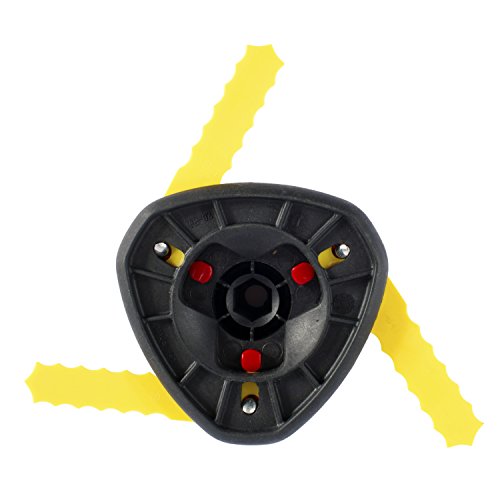
Standard nylon trimmer line is effective for grass and small weeds, but it often struggles with thick, woody brush. In these situations, a blade attachment is necessary to cut through the tougher vegetation. The Weed Warrior Push-N-Load 3-Blade Trimmer Head is an example of an accessory designed for these heavier tasks.
It uses serrated nylon blades that can handle light brush and dense weeds that regular line cannot cut. This type of attachment extends the life of the tool by allowing it to tackle more challenging vegetation without switching to a gas-powered brush cutter.
When using a blade for brush, it is crucial to wear appropriate safety gear, including eye protection and sturdy footwear, because blades rotate at high speeds and can throw debris, making safety a top priority.
- Always inspect the blade for damage before use, as a cracked or bent blade can be dangerous.
- The manufacturer lists these blades as compatible with a wide range of trimmer brands, making them a practical option for many homeowners.
- If you are unsure about compatibility, checking the specific model number of your trimmer against the product specifications is a smart step.
Edge Trimming and Finishing Touches
One of the most common uses for a weed wacker is creating a clean edge along hardscapes like sidewalks, driveways, and patios. A standard mower leaves a strip of uncut grass along these edges, which can look unkempt. Using the trimmer to cut this strip gives the yard a professional, finished look. The line spins at a high speed, allowing for precise cuts along straight lines. Many homeowners find that this task takes only a few minutes per session, but it significantly improves the overall appearance of the property.
For best results, hold the trimmer head close to the ground and move it steadily along the edge. Avoid holding it too high, as this can cause the line to miss the grass and result in an uneven cut. The goal is to create a crisp line that separates the grass from the hardscape. This technique is simple to learn and requires minimal practice to master. It is a quick way to boost curb appeal without extensive labor.
Clearing Ditches and Drainage Areas
Ditches and drainage channels are often overlooked in yard maintenance, but they can become overgrown with weeds and grass that block water flow. A weed wacker is ideal for clearing these narrow, often sloped areas. The tool’s lightweight design makes it easy to maneuver in tight spaces where a mower would be impossible to use. Clearing ditches is not just an aesthetic task; it is a functional one that helps prevent flooding and erosion. Regular maintenance of these areas is important for the health of the property.
When working in ditches, be cautious of the uneven terrain and potential hazards like rocks or hidden debris. Wear sturdy boots with good grip to prevent slipping. It is also important to keep the trimmer head clear of water to avoid damaging the motor. If the ditch is heavily overgrown, consider using a blade attachment to cut through the thicker vegetation. This task can be physically demanding, so take breaks as needed to avoid fatigue.
Preparing Garden Beds and Borders
Before planting flowers or vegetables, it is often necessary to clear out existing weeds and grass from the garden bed. A weed wacker is a fast and efficient way to do this. The line can cut through the tops of weeds, making them easier to pull or remove. This method is less labor-intensive than hand-weeding and can save significant time. It is particularly useful for large garden beds or borders that have been neglected for a season.
When working near plants, be careful not to damage the stems or leaves of the desired vegetation. Hold the trimmer head at a safe distance from the plants to avoid accidental cuts. It is also a good idea to clear the area before applying mulch or soil amendments. This ensures that the garden bed is ready for planting and free of competing weeds. This task is a common part of spring garden preparation for many homeowners.
Safety Considerations and Best Practices
Safety is paramount when using any power tool, and a weed wacker is no exception. The high-speed rotating line or blade can cause serious injury if not handled correctly. Always wear eye protection, hearing protection, and sturdy footwear. Long pants and gloves are also recommended to protect the skin from debris and abrasions. It is important to inspect the work area for hidden hazards like rocks, glass, or metal before starting. These objects can be thrown by the trimmer and cause damage or injury.
Keep a safe distance from bystanders, especially children and pets, while operating the tool. The debris can travel a significant distance from the point of cutting. Never point the trimmer at another person, and be aware of your surroundings at all times. If the tool becomes clogged or jammed, turn it off and unplug it before attempting to clear the obstruction.
Following the manufacturer’s safety guidelines is essential for safe and effective use. For more on maintaining cutting tools, see our guide on loosening stuck mower blade bolts to understand the importance of proper maintenance.
In summary, a weed wacker is a versatile tool that handles tasks a mower cannot, from edge trimming to brush clearing. It is an essential part of yard maintenance for any homeowner. By understanding its specific uses and following safety guidelines, you can keep your yard looking clean and well-maintained. The tool is a practical solution for a variety of cutting needs, making it a worthwhile investment for any property owner.



Write Your Review
No reviews yet. Be the first to share your experience!