


Yes, dethatching blades are effective tools for removing the layer of dead grass, roots, and debris that accumulates on the lawn surface. Unlike standard cutting blades designed for green grass, these specialized implements use aggressive teeth or tines to pull thatch from the soil, allowing air, water, and nutrients to reach the root zone more efficiently. Many homeowners find that using these blades during the early spring or late fall can significantly improve the overall health and appearance of their turf.
The effectiveness of these tools depends heavily on correct installation and compatibility with your specific mower model. Factors such as blade length, mounting hole patterns, and the type of dethatcher attachment you are using play a critical role in performance. Before purchasing, it is essential to verify that the replacement part matches your equipment’s specifications to ensure safe and efficient operation. For general guidance on blade compatibility, you might find our mower blade fit guide helpful for understanding how different models align with specific parts.

Pros
- Durable 65Mn steel construction handles tough dethatching jobs without snapping
- Quick and simple installation saves time compared to replacing the entire blade assembly
- Affordable 6-pack offers good value for maintaining multiple mowers or keeping spares on hand
Cons
- Compatibility limited to specific dethatching blade models, so double-check your mower before buying
- Springs may need periodic replacement depending on usage frequency and lawn debris density
The remolean 330105 dethatcher rake spring pack is a practical replacement solution for anyone who owns a dethatching mower blade and wants to keep it working like new. These springs are specifically designed for the Arnold 16 Inch Dethatching Mower Blade, but they also fit Mastercraft Thatcher Blade and Power Blade models. If you have one of these common dethatcher attachments, this 6-pack gives you a quick fix for worn-out or broken springs that cause blade wobble or detachment.
Who should buy these springs? Homeowners with a standard walk-behind mower that uses a dethatching blade will get the most value. DIYers who maintain their own lawn equipment will appreciate the straightforward installation process. You don't need specialized tools or mechanical skills. Just swap out the old springs, and you are back to dethatching in minutes. Contractors with large properties might also keep a pack on hand for quick repairs between jobs.
Performance wise, the 65Mn spring steel construction is a solid choice for this application. It offers good flexibility and fatigue resistance, so the springs can handle repeated bending and release without snapping. The gold color coating adds a layer of corrosion protection, which is useful when you are working in wet grass or storing the mower in a damp shed. In real-world use, these springs keep the dethatching blade balanced and rotating properly, which improves cutting consistency and reduces strain on the mower engine.
Build quality is decent for the price point. The springs feel sturdy and have a consistent coil shape. They are not overly stiff, which makes installation easier, but they still provide enough tension to hold the blade securely. One realistic limitation is that compatibility is not universal. You need to verify your mower model and blade type before purchasing. Also, like any spring-based component, these will eventually wear out after heavy use, especially if you are dethatching thick, debris-heavy lawns frequently.
Overall, the remolean 330105 dethatcher spring pack is a cost-effective way to extend the life of your dethatching blade. If you already own a compatible Arnold, Mastercraft, or Power Blade dethatcher, this 6-pack is a no-brainer. It saves you the hassle and expense of buying a whole new blade assembly. For the average homeowner or DIYer who wants to keep their lawn equipment running smoothly, these springs are a reliable and practical choice.

Pros
- Affordable multi-pack for replacing worn springs on universal dethatching blades.
- Matches the standard 89-801 part number, so compatibility is straightforward for many popular dethatcher models.
- Lightweight and compact, making storage and handling easy in a garage or shed.
- Helps extend the life of your existing dethatcher without the need for a full attachment replacement.
Cons
- Universal fit may still require you to verify your specific dethatcher model's spring mounting style before ordering.
- Only four springs are included, so larger dethatcher widths may need multiple packs.
- No detailed installation guide is included, which could be a minor issue for first-time buyers.
The xuyunming 89-801 dethatcher spring set is a replacement part designed for universal dethatching blades used on 16, 18, and 20 inch dethatcher attachments. These springs are the small tines that do the actual work of pulling thatch and debris from your lawn. If your existing dethatcher has worn or broken springs, this four-pack offers a simple way to refresh it without replacing the entire attachment.
This product is best suited for homeowners who already own a universal dethatching blade or dethatcher attachment and need replacement springs. It is especially handy for budget-conscious shoppers and DIY lawn care enthusiasts who prefer to maintain and repair their equipment rather than buy new. Apartment dwellers with small patios or renters with modest yards may also keep a dethatcher in storage for seasonal use, and having spare springs on hand makes sense for quick repairs.
Based on the product description, these springs are built to match the standard 89-801 part number, which is commonly used in the lawn care industry. The metal construction should hold up to normal dethatching jobs like pulling up dead grass, moss, and light debris after spring rain or before a fall cleanup. The universal fit for 16, 18, and 20 inch blades gives you flexibility if you own multiple dethatcher attachments or if you upgrade your mower setup later.
Installation and maintenance are straightforward, but keep in mind that this is a bare-bones replacement part. You will need to inspect your current spring mounting and use basic hand tools to swap out the old springs. The springs themselves are small and easy to store in a garage drawer or shed shelf. However, because there are no detailed instructions included, first-time buyers may want to look up generic dethatcher spring replacement videos online. Also, the pack contains four springs, so larger dethatchers may require more than one pack depending on how many tines need replacing.
Overall, this is a practical, low-cost replacement option for anyone who wants to keep an existing dethatcher running rather than spending money on a whole new attachment. For the average suburban homeowner doing weekly lawn maintenance and seasonal thatch removal, having a spare pack of 89-801 springs on hand is a smart move. Just double-check your dethatcher model and spring mounting style before ordering to ensure a smooth fit.
Pros
- Universal fit works with many riding mower dethatchers.
- Sturdy build quality for long-lasting use.
- Multi-pack value reduces need for frequent replacements.
- Effective at removing thatch for better lawn health.
Cons
- May not fit all mower models; check compatibility.
- Requires a compatible dethatcher attachment for use.
- Some users may find installation instructions unclear.
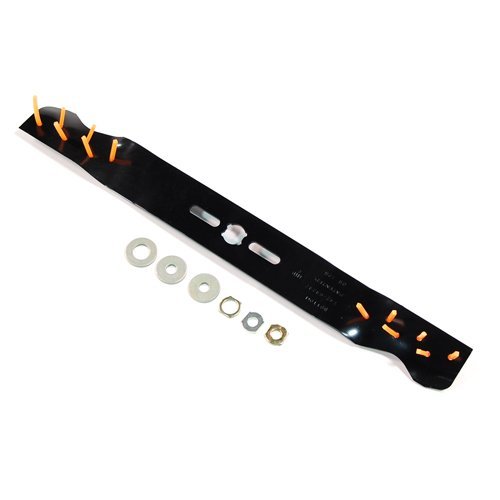
The Arnold Dethatching Blade 21-Inch is a lawn care accessory designed for riding mowers with a compatible dethatcher attachment. This set includes 10 blades, each measuring 21 inches, making it a practical choice for homeowners who want to maintain a healthy lawn by removing thatch buildup.
This product is best suited for homeowners with medium to large lawns who already own a riding mower and a dethatcher attachment. Landscaping professionals and property managers may also find this multi-pack convenient for maintaining multiple properties. If you are looking to improve grass health and reduce thatch without frequent blade changes, this set offers good value.
In terms of performance, the blades are designed to efficiently cut through thatch, allowing air, water, and nutrients to reach the soil. User feedback suggests that they work well with most universal dethatcher attachments, making setup straightforward. The blades are made from durable materials intended to withstand regular use, though actual longevity will depend on mowing conditions and frequency.
Build quality appears solid, with construction that should resist bending or breaking under normal use. The 10-pack ensures you have replacements ready, which is helpful for larger lawns or if you hit debris. Installation is generally simple, but it is important to verify compatibility with your specific mower model before purchasing.
Maintenance of the blades is minimal: just replace them when they become dull or damaged. Storage is easy since the pack comes in a compact box. There are no special storage requirements, and the blades can be kept in a garage or shed.
A realistic limitation is that these blades only work with dethatcher attachments, not as standard mower blades. Also, while the 10-pack is cost-effective, it may be more than needed for a small lawn. Overall, for homeowners committed to lawn health and who have the right equipment, this Arnold dethatching blade set is a reliable and practical choice.

Pros
- Dual-purpose functionality saves storage space and costly equipment rentals
- Heavy-duty steel build handles thick thatch layers reliably
- Significantly reduces the physical effort of manual hand raking
- Pairs directly with existing mower decks for familiar operation
Cons
- Heavy weight puts extra demand on small-displacement mower engines
- Requires careful deck height adjustment to avoid scalping healthy turf
- Spring tines naturally wear down over time and will require eventual replacement
The Arnold 21-Inch Dethatching Blade is a specialized conversion accessory designed for standard walk-behind rotary mowers. Rather than merely slicing grass blades, this setup combines a heavy central bar with resilient spring-steel tines designed to comb through the turf canopy. It is tailored for homeowners, DIY groundskeepers, and light property maintenance crews who want a healthier lawn without investing in a dedicated motorized power rake.
In practical yard use, this blade excels at pulling up the dense layer of dead stems, dried clippings, and moss that chokes out water and fertilizer. As the mower engine spins the bar, the spring tines flick through the turf line, dislodging compacted organic matter and casting it toward the mower chute or collection bag. Pairing the blade with an active rear bagger keeps cleanup clean and rapid, sparing you hours of backbreaking manual hand raking.
Weighing in at roughly 7.8 pounds, the unit brings notable mass to the spindle. That rotational inertia helps pull through stubborn patches, but it also means you must verify clearance within your mower deck and ensure your engine has sufficient displacement to turn it smoothly. Height adjustment is critical during setup. Running the mower too low can tear out healthy grass crowns or place unnecessary strain on the engine crankshaft, so starting high and working downward is the smart play.
While this accessory will not match the aggressive depth of a commercial walk-behind flail dethatcher on heavily neglected acreage, it hits the sweet spot for regular residential yard maintenance. For prepping soil ahead of fall overseeding or clearing out dead winter accumulation in the spring, it provides dependable mechanical help at a fraction of the cost of standalone equipment.
This dethatching blade serves homeowners and landscape DIYers best during early spring wake-up routines and early fall lawn renovations. If your turf feels spongy or water tends to pool rather than soak into the soil, running this blade across the yard will open up the ground for proper aeration and feeding.
It also functions as an ideal surface preparation tool prior to spreading grass seed and fertilizer. By scratching the top quarter-inch of soil and clearing away choking thatch mats, it creates the direct seed-to-soil contact required for high germination rates without needing a tow-behind implement.

Pros
- Affordable price for a 4-pack, great value for budget-conscious shoppers.
- Sturdy SWPB material feels durable and should hold up well during regular use.
- Compatible with popular dethatcher blades from Maxpower and Arnold, plus many universal 16-inch models.
- Easy to install, no special skills required.
Cons
- Limited to 16-inch dethatcher blades, not suitable for other sizes or types of mower attachments.
- Some users may find the springs slightly stiff initially, requiring a bit of effort to attach.
- Pack includes only springs, no additional hardware or instructions included.
If you own a lawn mower with a dethatcher attachment or a power rake blade, you know that the springs are what give the tines their aggressive action to pull up thatch. Over time, these springs can lose tension or break, leaving your lawn care efforts less effective. The Feekoon 4 Pack Universal Power Rake Replacement Springs step in as a practical, budget-friendly solution for homeowners who want to restore their dethatching performance without spending a lot.
These springs are designed to fit a range of 16-inch dethatcher blades, including the popular Maxpower 330105 and Arnold 490-100-0111 models. That makes them a versatile option for many suburban and rural property owners who rely on a dethatcher for spring lawn clean-up or fall reseeding prep. The universal compatibility is a big plus, though it's always a good idea to double-check your blade's design before purchasing.
Made from SWPB steel, these springs boast higher strength, hardness, and toughness compared to standard materials. Based on the product description, they should hold up well against the repeated stress of digging into grass and soil. For budget-conscious shoppers and first-time buyers, this set offers a simple way to maintain your dethatcher without needing to replace the entire blade assembly.
Installation is straightforward: you just remove the old springs and clip in the new ones. No special tools are needed, which is a relief for anyone who isn't mechanically inclined. The compact size (about 4 inches long) means you can store the extras in a drawer or toolbox without taking up valuable garage space. This is especially handy for apartment dwellers or small-yard homeowners who have limited storage.
One realistic limitation is that these springs are only meant for 16-inch dethatcher blades. If you have a larger or smaller blade, they won't fit. Also, some users might find the springs a bit stiff initially, requiring a little muscle to get them into place. But once installed, they should provide reliable tension for effective dethatching.
Overall, the Feekoon power rake replacement springs are a solid choice for anyone who needs to refresh their dethatcher's performance. They offer good value, decent durability, and easy installation. Whether you're a lawn care enthusiast prepping your yard for a backyard barbecue or a suburban homeowner tackling spring cleanup, these springs can help you get the job done without breaking the bank.

Dethatching blades operate by engaging the thatch layer with a series of sharp, rigid tines rather than a smooth cutting edge. As the mower moves forward, the rotating blade pulls the dead organic matter out of the soil and deposits it on the surface for easy removal. This mechanical action is distinct from aeration, which creates holes in the soil, or standard mowing, which trims live vegetation. The result is a cleaner lawn surface that allows for better light penetration and reduced pest habitat.
| Blade Type | Primary Function | Typical Material | Best Season |
|---|---|---|---|
| Dethatching | Remove thatch layer | High-carbon steel | Early Spring/Late Fall |
| Standard Cutting | Trim live grass | Steel | Growing Season |
| Mulching | Chop clippings fine | Steel | Growing Season |
Compatibility is the single most important factor in ensuring these blades work as intended. A blade that does not fit the spindle correctly can cause vibration, uneven cutting, or damage to the mower’s transmission. You must check the center hole diameter, the bolt hole pattern, and the overall blade length to ensure a proper match with your existing setup. Many manufacturers list specific part numbers that correspond to certain mower models, which simplifies the identification process for buyers.
- Verify the center hole diameter matches your mower spindle exactly.
- Check the bolt hole spacing and pattern against the old blade.
- Confirm the blade length is appropriate for your mower deck size.
- Ensure the blade thickness fits the mounting hardware securely.
Understanding Thatch and Why Removal Matters
Thatch is a spongy layer of dead grass stems, roots, and clippings that sits between the green vegetation and the soil. A thin layer of thatch is natural and can provide some insulation for the root system. However, when this layer becomes too thick, it can prevent water and nutrients from reaching the soil, leading to a stressed and unhealthy lawn. Dethatching blades are specifically engineered to break up this compacted layer without damaging the living grass roots below.
Signs that your lawn may need dethatching include water pooling on the surface after rain, a spongy feel when walking on the grass, and the presence of pests like grubs that thrive in thatch. Regular dethatching, combined with proper mowing and fertilization, can help maintain a vigorous turf. Homeowners with high-maintenance lawns or those in regions with heavy clay soils may benefit from more frequent dethatching sessions to prevent excessive buildup.
Blade Dimensions and Material Specifications
The dimensions of a dethatching blade are critical for both performance and safety. Most standard dethatching blades measure between 16 and 21 inches in length, depending on the mower deck size. The width and thickness of the blade also affect its durability and ability to penetrate tough thatch layers. High-carbon steel is a common material choice for these blades because it offers a good balance of hardness and flexibility, allowing the tines to stay sharp longer and resist bending under load.
Some blades are made with additional coatings or heat treatments to improve corrosion resistance and extend their service life. These treatments can be particularly useful for homeowners who store their equipment outdoors or in humid environments. When selecting a blade, look for specifications that indicate the material type and any special finishing processes. This information can help you determine how long the blade will last under regular use conditions.
Matching OEM Part Numbers and Compatibility
Original Equipment Manufacturer (OEM) part numbers are the most reliable way to ensure a correct fit for your mower. Each mower model has specific requirements for blade size, hole pattern, and spindle interface. Using a blade with the wrong part number can lead to poor performance or even equipment damage. Many aftermarket blades are listed with compatible OEM numbers, which makes it easier for buyers to find the right replacement without guessing.
If you are unsure which part number corresponds to your mower, check the owner’s manual or look for a label on the mower deck. You can also measure your existing blade and compare its dimensions to the specifications of the new part. It is important to note that some mower models have multiple deck sizes, so even within the same brand, the correct blade length may vary. Taking the time to verify these details can save you from returning a product that does not fit.
Installation Safety and Maintenance Tips
Installing a dethatching blade requires careful attention to safety. Always disconnect the spark plug wire before working on the mower to prevent accidental starting. Use the appropriate tools to remove the old blade and secure the new one with the correct torque specification. Over-tightening or under-tightening the blade bolt can lead to vibration or the blade coming loose during operation. After installation, check the blade balance to ensure it rotates smoothly without wobbling.
Regular maintenance of dethatching blades includes cleaning off grass clippings and dirt after each use. This prevents rust and keeps the tines sharp. Sharpening the tines periodically can also improve performance, especially if the blade has been used on tough thatch. Store the blades in a dry place to prevent corrosion. If you notice any cracks or significant wear, replace the blade immediately to avoid further damage to your mower or injury to yourself.
- Disconnect the spark plug before removing or installing the blade.
- Use the correct torque wrench to tighten the blade bolt securely.
- Clean the blade after each use to prevent rust and buildup.
- Inspect the tines for wear and sharpen them as needed.
Common Issues and Troubleshooting
One common issue with dethatching blades is uneven cutting or missed spots on the lawn. This can happen if the blade is not balanced correctly or if the mower deck is not level. Check the blade balance and adjust the mower deck height if necessary. Another issue is excessive vibration, which can be caused by a bent blade or a loose mounting bolt. Inspect the blade for any signs of damage and tighten the bolt to the manufacturer’s specification.
Some users report that dethatching blades can be more aggressive than expected, leaving the lawn looking rougher than usual. This is normal, as the goal is to remove thatch rather than provide a smooth cut. However, if the blades are too sharp or the mower speed is too high, they can damage the living grass. Adjust your mowing speed and blade sharpness to find the right balance for your lawn conditions. If you continue to experience issues, consult the mower’s manual for specific troubleshooting advice.
Choosing the right dethatching blade involves matching the part number, verifying dimensions, and understanding the specific needs of your lawn. By following these guidelines, you can ensure that your blade works effectively and safely, helping you maintain a healthy and vibrant turf. Always prioritize safety and compatibility to get the best results from your lawn care equipment.





Write Your Review
No reviews yet. Be the first to share your experience!