


Yes, dethatcher blades effectively remove thatch, dead grass, and surface debris from lawns. These specialized attachments convert standard mowers or dedicated dethatchers into tools that loosen compacted organic layers, allowing air, water, and nutrients to reach the soil. Homeowners often use them to improve lawn health by preventing thick thatch mats that can harbor pests and disease.
The effectiveness of a dethatcher blade depends on its design, compatibility with your equipment, and the severity of the thatch buildup. Some blades are designed for light scarification, while others handle heavier debris removal. Understanding the difference between mulching, bagging, and dethatching functions helps you choose the right tool for your specific lawn care needs in November 2026. For more on how to prepare your mower for different tasks, see our guide on mower blade compatibility.


Pros
- Restores aggressive slicing and thatch-clearing performance to tired dethatchers
- Full 16-inch swath covers typical suburban yards in minimal time
- Budget-friendly alternative to purchasing a brand-new electric scarifier unit
- Straightforward mechanical swap with standard hand tools
Cons
- Fitment is restricted strictly to compatible TIECTOWN 16-inch electric chassis
- Requires reusing your original machine mounting hardware and fasteners
- Scarifier blades need careful inspection to avoid striking hidden rocks or sprinkler heads
The TIECTOWN LM01 16-Inch Replacement Scarifier Blade is a dedicated working cylinder designed for electric lawn dethatchers and scarifiers. Instead of light-duty wire springs that merely comb the surface, this assembly uses fixed steel blades that slice straight into the soil line. It is built for homeowners, weekend DIYers, and property care enthusiasts who manage seasonal turf renovations and need to break up suffocating thatch layers before reseeding or fertilizing.
In real-world yard applications, dull or worn scarifier blades drag through turf instead of making clean vertical cuts, bogging down the electric motor and leaving behind dense mats of dead roots. Swapping in the LM01 restores clean slit-cutting action across a full 16-inch path. The rotating blades slice cleanly into the root zone, pulling up accumulated dead stolons, creeping moss, and packed organic debris that block water and nutrients from reaching healthy soil.
From a workshop perspective, replacing the scarifier drum is a straightforward mechanical fix. You do not need specialized service tools; an ordinary hex key or socket set lets you open the lower housing, slide the old cartridge off the drive hub, and drop this replacement right onto the bearing block. Building out a tool this way gives your existing electric equipment several more seasons of dependable service, sparing you the hassle and expense of replacing an otherwise functional motor chassis.
Keep in mind that fitment is specific. You should verify your dethatcher model and compare the drive-end geometry before mounting. You will also need to retain your original retaining bolts and end caps, as this package is purely the replacement blade cylinder. If you own a compatible 16-inch TIECTOWN machine that is struggling with sluggish performance on thick turf, this replacement blade assembly is an easy, cost-effective way to get your lawn care setup working like new again.
This replacement scarifier cylinder excels during spring and early autumn lawn rejuvenation projects. Use it when turf suffers from water runoff caused by packed soil or thick moss carpets that light raking cannot dislodge. It is also ideal for preparing a lawn bed prior to overseeding, as the vertical blades score shallow trenches that provide optimal seed-to-soil contact.
For best results, mow your lawn to a slightly lower height before running the scarifier, and make sure the soil is lightly moist rather than bone-dry or soaked. After finishing your passes, clean off clinging soil and grass from the blades with a stiff shop brush before storing the machine inside your garage or shed.
How Dethatcher Blades Function and Fit
Dethatcher blades work by rotating at high speeds to cut through and lift thatch from the soil surface. Unlike standard cutting blades that slice grass at a set height, dethatcher blades have a different geometry, often with sharper angles or specific spacing, to penetrate the thatch layer. This action breaks up the mat of dead roots and stems, making it easier to rake or vacuum the debris away. The primary goal is to improve soil contact and promote healthier root growth.
| Blade Type | Primary Function | Typical Use Case |
|---|---|---|
| Standard Mower Blade | Cutting live grass | Regular mowing |
| Dethatcher/Scarifier Blade | Removing thatch and debris | Lawn renovation, aeration prep |
| Power Rake Blade | Aggressive thatch removal | Heavy thatch buildup |
Before purchasing or installing a dethatcher blade, it is crucial to verify compatibility with your specific mower model. Not all mowers are designed to handle the extra torque required for dethatching. Check the manufacturer’s specifications to ensure your engine and transmission can support the attachment. Using an incompatible blade can strain the drivetrain or damage the spindle. Always consult your owner’s manual for approved attachment types and weight limits.
Key factors to check before buying a dethatcher blade include:
- Verify the center hole diameter matches your spindle
- Check the outer hole pattern for proper mounting alignment
- Confirm the blade length fits within your deck clearance
- Ensure the blade thickness is compatible with your bolt and washer
- Review the maximum RPM rating for your mower’s engine speed
Compatibility and Mounting Considerations
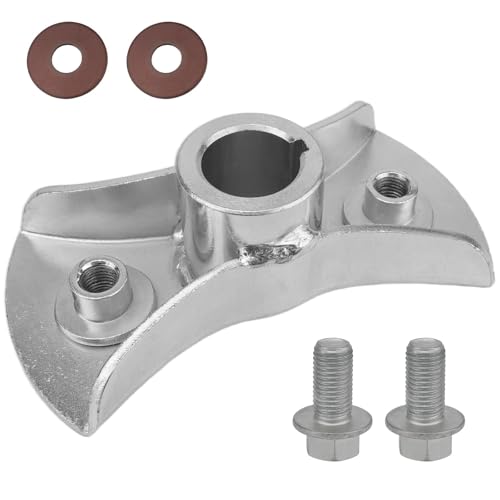
Compatibility is the most common issue buyers face when switching to dethatcher blades. The Stens 370-019, for example, is listed as adaptable to most mowers but requires specific washers to fit various spindle sizes. The kit includes 3/8″, 7/16″, and 5/8″ ID washers, which helps accommodate different mounting hardware. However, “most mowers” is a broad claim, and you must still verify the exact fit for your machine. A mismatch in the center hole or outer holes can lead to vibration, poor cutting performance, or mechanical failure.
The TIECTOWN LM01 is a more specialized option, designed specifically for compatible 16-inch electric dethatchers and scarifiers. This blade is not a universal replacement for walk-behind or riding mowers. It is intended for users who already own a specific TIECTOWN model and need a replacement for a worn component. The product description emphasizes checking the equipment model and comparing images before ordering. This specificity ensures that the blade geometry and mounting pattern align perfectly with the machine’s design.
When comparing these two options, the distinction is clear: one is a versatile attachment for general mower use, while the other is a dedicated replacement part for a specific electric dethatcher. A buyer may prefer the Stens option if they want to convert a standard mower for occasional dethatching. Conversely, a user with a TIECTOWN electric dethatcher should look for the LM01 to maintain consistent performance. Mixing these types can lead to improper fit and reduced effectiveness.
Performance Expectations and Lawn Impact
Dethatcher blades do not replace aeration, but they complement it by removing the organic layer that blocks soil penetration. Regular dethatching can help new seed root more effectively and reduce the risk of fungal diseases that thrive in thick thatch. The Stens blade is marketed as loosening and removing dead grass, which supports the goal of allowing new seed to root and grow. This function is particularly useful in the spring or fall when lawn renovation is planned.
The TIECTOWN blade is designed to help clear accumulated thatch, dead grass, and surface debris during dethatching and scarifying. Replacing a worn blade can help maintain consistent results, ensuring that the equipment continues to perform its intended function. A dull or damaged blade may fail to cut through the thatch layer, leading to uneven results and increased effort. Regular inspection of the blade edge is recommended to ensure it remains sharp enough for effective cutting.
Users should expect that dethatching is a labor-intensive task compared to regular mowing. The process may require multiple passes over the lawn, especially if the thatch layer is thick. It is also important to manage the debris after dethatching. Leaving clumps of thatch on the lawn can smother the grass, so raking or using a leaf blower to clear the area is necessary. Some users find that combining dethatching with aeration provides the best results for lawn health.
Safety and Maintenance Best Practices
Safety is paramount when working with dethatcher blades. These blades operate at high speeds and can throw debris, so wearing eye protection and sturdy footwear is essential. Always disconnect the spark plug or unplug the electric unit before removing or installing a blade. This prevents accidental startup, which can cause serious injury. Follow the manufacturer’s safety guidelines for handling sharp components and securing the blade during installation.
Maintenance of dethatcher blades involves regular sharpening and balancing. A balanced blade reduces vibration and extends the life of the mower’s spindle and bearings. If the blade becomes bent or cracked, it should be replaced immediately. Using a damaged blade can damage the mower and create a safety hazard. Some users find that using a blade balancer tool helps ensure the blade is properly aligned before installation.
Key maintenance steps for dethatcher blades include:
- Inspect the blade for cracks or bends before each use
- Sharpen the edge to maintain cutting efficiency
- Balance the blade to reduce vibration on the mower
- Clean the blade after use to prevent rust and corrosion
- Store the blade in a dry place to extend its lifespan
Choosing the Right Blade for Your Mower
Selecting the right dethatcher blade depends on your mower type and the specific lawn care task. For walk-behind mowers, a universal-fit blade like the Stens 370-019 may be suitable if it matches your spindle and deck clearance. For dedicated electric dethatchers, a model-specific blade like the TIECTOWN LM01 ensures optimal performance and fit. Always check the product specifications and compare them with your equipment’s requirements.
If you are unsure about compatibility, consult the manufacturer’s website or contact customer support. They can provide specific guidance based on your mower model and the blade you are considering. This step can save you from purchasing an incompatible product that may not work as intended. For more information on blade setup and compatibility, refer to our mower blade setup guide.
Ultimately, dethatcher blades are a valuable tool for lawn maintenance when used correctly. They help remove thatch, improve soil health, and prepare the lawn for seeding or aeration. By choosing the right blade and following safety and maintenance best practices, you can achieve better results and extend the life of your equipment. Regular use of dethatcher blades can contribute to a healthier, more vibrant lawn over time.





Write Your Review
No reviews yet. Be the first to share your experience!