


Many homeowners wonder if they can simply pour car motor oil into their push mower. The short answer is: only if the SAE viscosity rating and formulation match your specific engine’s requirements. Using the wrong oil can lead to poor lubrication, increased wear, or even engine failure. This guide clarifies the differences between automotive and small engine oils to help you make a safe choice for your equipment.
Small engines in lawn mowers operate at different temperatures and speeds than car engines. They often run hotter and may lack the advanced cooling systems found in vehicles. Therefore, the oil must be formulated to handle these specific conditions. By understanding the specifications listed in your owner’s manual, you can avoid costly mistakes. This article breaks down the key factors to consider before you open that bottle of motor oil. It also highlights suitable alternatives that are designed specifically for outdoor power equipment.

Pros
- Excellent wear protection with high zinc content, ideal for hard-working small engines under heavy loads.
- Full synthetic formulation provides longer oil life and better thermal stability than conventional oils.
- Works across a wide temperature range, from arctic cold to extreme heat, perfect for seasonal equipment.
- Trusted brand with OEM approvals and positive reviews highlighting smoother engine operation and extended engine life.
Cons
- Premium price point compared to conventional SAE 30 oils, though the extended change intervals offset the cost for many users.
- Straight 30W viscosity may not be suitable for engines requiring multi-grade oils in very cold climates without a block heater.
- Limited availability in physical retail stores compared to big-box brands, though Amazon offers reliable shipping.
The TRIAX Power 4-Stroke 30W Full Synthetic Oil is a high-performance lubricant engineered for small engines used in lawn and garden equipment, portable generators, pressure washers, and other power equipment. Unlike standard automotive oils, this formula is specifically designed for the demands of air-cooled engines that run hot and work hard. With a full synthetic base and a high zinc additive package, it offers dramatically better wear protection and thermal stability compared to conventional OEM oils.
This oil is best suited for contractors, serious DIYers, and homeowners who rely on their equipment for long hours of work and want to maximize engine life. The high zinc content delivers double the anti-wear protection of typical small engine oils, which is critical for preventing camshaft and lifter wear in high-load applications. Users report smoother running engines, reduced smoke, and longer intervals between oil changes. In real-world use, a generator running continuously during power outages or a mower cutting thick grass on a hot day will benefit from the oil's ability to maintain viscosity and resist thermal breakdown.
Build quality is evident in the bottle itself, featuring a well-designed spout that makes filling easy and minimizes spills. The pour point of -50 degrees Fahrenheit means it flows smoothly in cold weather, so you can trust it for winter equipment like snowblowers. On the flip side, this is a straight 30 weight oil, so if your equipment specifically requires a multi-grade 10W-30, you'll want to stick with that. Also, while the price is reasonable for a full synthetic, it costs more than conventional 30 weight oils. However, given the extended life and better protection, the cost per hour of operation is competitive.
Overall, the TRIAX Power 4-Stroke 30W is a top-tier choice for anyone serious about maintaining their small engines. Whether you're a contractor running multiple generators, a homeowner with a riding mower, or a DIYer with a pressure washer and log splitter, this oil delivers the protection these engines need to last. It's a straightforward upgrade that pays for itself through fewer repairs and longer equipment life.
Viscosity: SAE 30 / SAE 30W
Brand: Triax
Vehicle Service Type: Pressure Washers, Ride-on Mowers, Generators, Small Tractors, Compressors
Flash Point: 230 Degrees Celsius
Liquid Volume: 32 Fluid Ounces (1 Quart)
Item Weight: 1.9 pounds
Product Dimensions: 4.5 x 2.1 x 8.6 inches
Item Model Number: SAE 30
Manufacturer Part Number: TRX4T30
OEM Part Numbers: Designed for small 4-stroke gasoline engines; compatible with SAE 30W and 30 applications; suitable for air-cooled engines; meets API SL, SJ for gasoline engines

Pros
- Reliable protection for a variety of small engines, from push mowers to generators.
- All-weather formula allows use in both summer and winter without needing different oils.
- Positive reviews confirm good engine cleanliness and reduced wear after use.
- Competitive price point for a synthetic blend that still offers excellent value per quart.
Cons
- Synthetic blend, not full synthetic: some users may prefer a fully synthetic oil for high-performance engines.
- Each bottle is 32 oz, which may require multiple bottles for larger engines (e.g., riding mowers or snow blowers).
- Best suited for standard maintenance; may not be the top choice for extreme-duty commercial use.
STP's Premium Synthetic Blend 4 Cycle Small Engine Oil SAE 10W-30 is a well-rounded lubricant designed for the vast majority of outdoor power equipment. Whether you maintain a push mower, generator, tractor, or snow blower, this oil meets the basic needs of 4-cycle engines operating in a wide range of conditions. The pack of two 32 oz bottles gives you enough oil for several oil changes on smaller machines.
This oil is best suited for DIYers and homeowners who want dependable protection without needing to step up to a full synthetic. Its synthetic blend formula combines the benefits of synthetic base oils with conventional oil to keep costs reasonable while still offering easier cold-weather starts, better resistance to thermal breakdown, and enhanced engine cleanliness. Users report consistent viscosity and reduced deposits even after extended storage periods.
In real-world use, the oil flows smoothly at low temperatures, making those first pulls of the season less frustrating. The anti-wear additives help minimize scuffing on piston rings and cylinder walls, which is especially important during the initial break-in period of a new engine. The corrosion inhibitors add extra peace of mind during summer or winter layup, protecting internal metal parts from moisture damage.
One realistic limitation is that this is a synthetic blend, not a full synthetic oil. For engines that see extreme loads, high heat, or extended running times (like commercial mowing or continuous generator operation), a full synthetic might offer marginally better longevity. But for the average homeowner pushing a mower every week or running a generator for a few hours during a storm, this oil performs more than adequately.
Overall, STP's small engine oil delivers exactly what it promises: reliable, affordable protection for your outdoor equipment. If you change your oil regularly and store your gear properly, this pack will keep your engines running smoothly for seasons to come. It is a practical choice for anyone who wants to maintain their lawn and garden tools without spending a premium.
Viscosity: SAE 10W-30
Type: Synthetic Blend (4-Cycle)
Volume: 32 fl oz per bottle (Pack of 2)
Total Volume: 64 fl oz
Brand: STP
Model Number: 18588
Package Dimensions: 9.29 x 3.78 x 2.56 inches
Item Weight: 3.91 pounds

Pros
- High zinc content provides superior wear protection for small engines under heavy use
- Full synthetic formulation offers excellent performance across a wide temperature range
- Compatible with many small engines requiring SAE 30W, 5W-30, or 10W-30 oils
- Long oil change intervals due to enhanced durability and shear stability
- Positive user feedback on smoother engine operation and reduced noise
Cons
- Price is higher than conventional oils, which may not be justified for light-duty occasional use
- Some users prefer multi-viscosity oils for engines that see extreme temperature swings
- Limited to 4-stroke engines; not suitable for 2-stroke or diesel applications
The TRIAX Power 4-Stroke Full Synthetic SAE 30W oil is a premium lubricant designed specifically for small engines found in power equipment like lawn mowers, generators, pressure washers, and garden tractors. Unlike standard automotive oils, this full synthetic formula is engineered to handle the higher operating temperatures and load demands of air-cooled engines. With a 4.8-star rating from hundreds of users, it has quickly become a go-to for those who want to maximize engine longevity.
This oil is best suited for DIYers, homeowners, and light commercial users who rely on their equipment for regular yard work, backup power, or property maintenance. It is especially valuable for those who push their engines hard during long mowing sessions or extended generator runtime. The high-zinc formulation provides double the wear protection of OEM and competitor oils, which is critical for preventing camshaft and lifter wear in older flat-tappet engines. In real-world use, many users report smoother running mowers, reduced smoke, and quieter operation after switching from conventional oil.
Build quality is evident in the oil's thermal stability and shear resistance. TRIAX claims it lasts up to three times longer than conventional oils, which means fewer oil changes and less downtime. The all-season viscosity range from -40F to 130F ensures reliable starting in cold weather and stable protection in summer heat. The gallon jug features a built-in pour spout that makes filling small engines clean and easy, a thoughtful touch for workshop practicality.
One realistic drawback is the price. At around $34 per gallon, it costs more than standard 30W oils, but the extended drain intervals and added protection can offset the cost for heavy users. Some users in mild climates may not need the extreme temperature range, and those with engines requiring multi-viscosity (like 10W-30) should note that this is a straight 30W. However, the product description says it is ideal for engines requiring SAE 30W, 5W-30, or 10W-30, so check your manual.
Overall, the TRIAX Power 4-Stroke Full Synthetic oil is a smart investment for anyone who wants to protect their small engines from wear and extend their service life. If you use your equipment frequently or under tough conditions, this oil delivers proven performance. For light occasional use, a conventional oil may suffice, but the peace of mind from using a commercial-grade synthetic is hard to beat.

Pros
- Effective wear protection for extended engine life.
- Works in both push mowers and riding mowers.
- Prevents rust during storage with anti-corrosion additives.
Cons
- Only available in 1 quart size, so you may need multiple bottles for larger mowers.
- Not suitable for two-stroke engines.
- No pour spout included, so careful pouring is needed.
Lucas Oil 11315 SAE 30 Lawn Mower Motor Oil is a dedicated four-stroke engine oil designed for push and riding mowers. It is not a power tool in the traditional sense but an essential maintenance product for the gas engines that power many lawn tractors, walk-behind mowers, and other outdoor power equipment. For anyone who takes their lawn care seriously, using a quality oil like this is one of the simplest ways to keep equipment running reliably year after year.
This oil is best suited for homeowners and DIY landscapers who own push mowers or riding mowers with four-stroke engines. It delivers proven protection against engine wear and overheating, which are two of the biggest enemies of small engines during the mowing season. The formulation also includes rust preventatives that help protect internal components during storage, a major plus if you live in a region with long winters. Users report that engines start easier and run smoother after switching to this Lucas Oil product.
The SAE 30 viscosity is a common recommendation for lawn mower engines, providing the right thickness for lubrication in warm weather. While the quart size is convenient for a single oil change on most push mowers, you may need a few bottles for larger riding mowers with bigger crankcase capacities. The bottle lacks a pour spout, so be careful to avoid spills when adding oil to your mower. This is a minor inconvenience that can be solved with a funnel.
Lucas Oil is a well-known brand in the lubricants world, and this oil lives up to its reputation for quality. For anyone looking for a dependable, off-the-shelf oil that does exactly what it promises, this is a strong choice. It will help extend the life of your mower and keep it performing well all season long.
Size: 1 Quart (1 Pack)
Dimensions: 4.35 x 2.42 x 9 inches
Product Group: Lawn & Patio
Binding: Automotive
Pros
- Reduces engine wear and extends equipment life significantly.
- Protects against overheating in high heat conditions.
- Prevents rust during storage, ensuring easy spring startup.
- Compatible with most push and riding mowers with four-stroke engines.
Cons
- Only sold in single quart containers; may be less economical than gallon jugs.
- Not suitable for two-stroke engines or mixed-fuel equipment.
- Premium price compared to generic alternatives.
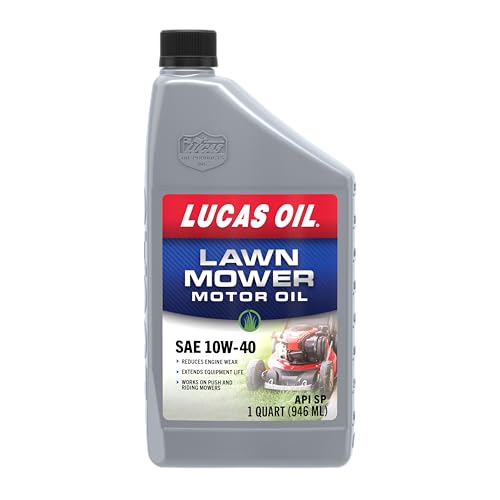
Lucas Oil 11314 SAE 10W-40 Lawn Mower Motor Oil is a dedicated four-stroke engine oil designed for push mowers and riding mowers. It's formulated to handle the high heat and heavy loads that small engines face during regular lawn care. If you own a walk-behind mower or a garden tractor with a 4-stroke engine, this oil is engineered to keep it running reliably season after season.
This product is best suited for homeowners and DIY enthusiasts who perform their own maintenance. Lucas Oil focuses on reducing engine wear, which is critical for mowers that sit idle for months and then get worked hard in summer. The 10W-40 viscosity provides excellent protection across a wide temperature range, helping the engine start easier and run smoother. Users will appreciate the anti-overheating properties, especially when cutting thick grass or using a bagger attachment.
Build quality is solid with Lucas Oil's reputation for additives that minimize sludge and varnish buildup. The quart bottle is easy to pour and store, though some might wish for a larger container for multiple oil changes. A key drawback is price per quart; it costs more than generic oils, but the enhanced protection against rust during storage and reduced wear may justify the premium for those who want to extend their mower's life.
Overall, Lucas Oil 10W-40 is a reliable choice if you're maintaining a single mower and value long-term engine health. It delivers on its promises of easier starting, smoother operation, and rust prevention. For the DIY user who wants one less thing to worry about during mowing season, this oil is a solid investment in your equipment.
Size: 1 Quart (1 Pack)
Dimensions: 4.35 x 2.42 x 9 inches
Product Group: Lawn and Patio
Binding: Automotive
Viscosity: SAE 10W-40
Engine Type: Four-Stroke

Pros
- Proven anti-wear protection for extended engine life, backed by 5+ years of positive reviews from small engine users.
- All-weather formula delivers reliable starts in both hot summer mowing and cold winter snow blowing conditions.
- Affordable price point compared to premium full synthetics, while still offering synthetic blend benefits.
Cons
- Synthetic blend, not full synthetic - users seeking maximum protection in extreme conditions may prefer a full synthetic oil.
- 32 oz bottle may not be enough for larger engines (e.g., riding mowers) that require a full quart or more per change.
STP Premium Synthetic Blend 10W-30 Small Engine Oil is a four-cycle oil formulated specifically for the kind of power equipment you rely on around the workshop, on the jobsite, or in your yard. Whether you are maintaining a lawnmower, generator, tractor, snow blower, or pressure washer, this 32 ounce bottle delivers a synthetic blend designed to handle the demands of small engines that often run under heavy loads or sit idle for months at a time.
This oil is best suited for DIYers, homeowners, and light commercial users who need a dependable, affordable lubricant for their outdoor power equipment. The 10W-30 viscosity makes it a versatile choice for a wide range of temperatures, so you can use it year round. Anti-wear technology helps protect critical engine components, while detergents keep carbon deposits in check. The corrosion inhibitor is a nice touch for anyone who stores equipment seasonally - it helps prevent rust and pitting inside the engine during long periods of disuse.
In real-world use, this oil performs exactly as you would expect. It promotes easier starts, even after a cold winter, and maintains good lubrication under continuous high-speed operation in a generator or mower. The viscosity index improver helps reduce oil consumption, so you do not have to top off as frequently between changes. Build quality is consistent with STP's reputation - the oil meets industry standards and comes in a durable, easy-pour container.
There are a few realistic drawbacks. Some users expecting a full synthetic will be disappointed that this is a synthetic blend. For extreme conditions, such as commercial landscaping or high-hour generator use, a full synthetic might offer better protection. Also, the 32 ounce bottle is only enough for one oil change in many 4-cycle engines; if you have multiple engines or a larger unit like a riding mower, you may need two bottles. But for the price and performance, this is a solid, no-fuss oil that gets the job done.
Overall, if you maintain a single lawnmower or a small fleet of outdoor power equipment and want reliable protection without breaking the bank, STP Premium Synthetic Blend 10W-30 is a smart choice. It balances performance and value, and thousands of satisfied users back that up. Just make sure to check your owner's manual for the correct viscosity and change interval, and you will keep your small engines running smooth season after season.
Understanding Oil Compatibility for Small Engines
The core question is whether automotive motor oil meets the specific demands of a small, air-cooled engine. Most modern car oils are formulated for four-stroke engines, which is the same type found in most gas mowers. However, the operating environment differs significantly. Small engines often run at higher RPMs relative to their size and may not have the same oil filtration efficiency as a vehicle. This means the oil needs to maintain its viscosity and protective properties under sustained heat.
| Oil Type | Typical Use | Compatibility Note |
|---|---|---|
| SAE 30 Conventional | Warm weather small engines | Commonly recommended for mowers in summer |
| SAE 10W-30 Synthetic Blend | All-weather small engines | Good for variable temperatures and easier starts |
| SAE 5W-30 Full Synthetic | High-performance or cold starts | Check manual for approval; often suitable |
| 2-Stroke Oil | 2-stroke engines only | NEVER use in 4-stroke mower engines |
Before selecting any oil, you must verify the engine type in your mower’s manual. Most residential push and self-propelled mowers use four-stroke engines. These engines require oil that provides lubrication, cooling, and cleaning. If your mower has a two-stroke engine, which is rare in modern walk-behind models, it requires a specific 2-stroke oil mixed with fuel. Pouring standard motor oil into a two-stroke engine will cause severe damage. Always confirm the engine configuration first.
Viscosity is the most critical factor in determining compatibility, where the SAE rating indicates how thick the oil is at specific temperatures.
- A single number, like SAE 30, indicates a monograde oil, while a two-number rating, like 10W-30, indicates a multigrade oil that changes viscosity with temperature.
- For small engines, the manufacturer usually specifies a range, and if the manual says SAE 30, using a 10W-30 might be acceptable in many cases, but you must check for specific approvals.
- Some manufacturers explicitly state that only SAE 30 should be used, while others allow multigrade options for better cold-weather starting performance.
Checking Your Mower’s Manual for Oil Specifications
Your owner’s manual is the definitive source for oil requirements. It will list the exact SAE rating recommended for your specific model. This information is usually found in the maintenance or specifications section. If you do not have the physical manual, most manufacturers provide digital copies on their websites. Search for your model number to find the correct documentation. Do not guess based on what you used in previous years or what a neighbor uses.
Look for the recommended viscosity grade and the API service category. The API symbol, such as API SN or API SP, indicates the oil’s performance standard. Higher letters generally mean newer formulations with better additives. For small engines, the manual may specify a minimum API level. Using an oil with a lower API rating than recommended can lead to increased sludge and wear. Always aim for the highest API rating available that meets the viscosity requirement.
Some manuals include a list of approved oil brands or types. This is not a strict requirement to buy only those brands, but it indicates oils that have been tested for compatibility with that specific engine. If you choose a different brand, ensure it meets the same SAE and API standards.
Pay attention to any notes about synthetic or synthetic blend oils. While many small engines can handle synthetic oils, some older models may have seals that are not compatible with certain synthetic formulations. Check for any warnings regarding synthetic use.
Differences Between Automotive and Small Engine Oils
Automotive oils are designed for larger engines with more complex cooling and filtration systems. They often contain additives tailored for high-mileage cars, such as friction modifiers for fuel economy. Small engine oils, on the other hand, are formulated to handle the unique stresses of outdoor power equipment. These engines often run at higher temperatures and may be exposed to moisture and debris. Small engine oils typically have higher detergent packages to keep the engine clean.
One key difference is the zinc content. Small engines often benefit from higher levels of zinc (ZDDP) for wear protection. Automotive oils have reduced zinc levels to protect catalytic converters in cars. Since mowers do not have catalytic converters, higher zinc levels are not a problem and can be beneficial. This is why dedicated small engine oils often outperform automotive oils in this specific application. However, using automotive oil is not inherently dangerous if the viscosity is correct, but it may not provide the same level of protection.
Another consideration is the volatility of the oil. Small engines can run hotter, causing oil to break down faster. Oils with better thermal stability are preferred for this application. Full synthetic oils generally offer better thermal stability than conventional oils. This can be advantageous if you mow frequently or in hot climates. However, the cost difference may not be justified for occasional use. A high-quality conventional or synthetic blend small engine oil is often the best balance of cost and protection.
When It Is Safe to Use Car Motor Oil in a Mower
Using car motor oil in a lawn mower is generally safe if the SAE viscosity matches the manufacturer’s recommendation. For example, if your manual calls for SAE 30, you can use SAE 30 car oil. If it calls for 10W-30, you can use 10W-30 car oil. The key is to match the viscosity grade. Do not use a heavier or lighter oil than specified, as this can affect lubrication and engine performance. Always check the API rating to ensure it meets or exceeds the minimum requirement.
There are scenarios where using car oil is less ideal, particularly when specific conditions or usage patterns affect performance and longevity.
- If you live in an area with extreme temperature swings, a dedicated small engine oil with a multigrade rating may perform better.
- Car oils are optimized for a wide range of driving conditions, but small engine oils are optimized for stationary, high-heat operation.
- If your mower is used heavily, such as for commercial landscaping, dedicated small engine oils may offer better longevity.
- For light residential use, car oil is usually acceptable as a temporary or occasional solution.
Never use 2-stroke oil in a 4-stroke engine. This is a critical safety and maintenance rule. 2-stroke oil is designed to be burned in the engine, while 4-stroke oil is designed to stay in the crankcase. Mixing these up will cause severe engine damage. Always verify the engine type before pouring any oil. If you are unsure, consult your manual or a professional. The consequences of using the wrong oil type are far more costly than buying the correct oil.
Choosing the Right SAE Viscosity for Your Climate
The SAE viscosity rating should match your local climate conditions. In warm climates, a single-grade SAE 30 oil is often recommended. It provides good protection at operating temperatures and is cost-effective. In cooler climates, a multigrade oil like 10W-30 or 5W-30 is preferred. These oils flow more easily at cold temperatures, making starting easier and reducing wear during cold starts. Once the engine warms up, they provide the same protection as SAE 30.
If you live in a region with significant temperature variations, a multigrade oil is the best choice. It ensures reliable starting in the morning and proper lubrication during the day. Check your manual for specific recommendations based on temperature ranges. Some manufacturers provide a chart that matches SAE ratings to temperature zones. Follow this chart to ensure optimal engine performance. Using the wrong viscosity can lead to hard starting or inadequate lubrication.
Do not switch to a much lighter or heavier oil than recommended without checking the manual. For example, using 5W-20 in an engine designed for SAE 30 may result in thin oil at operating temperatures. This can lead to increased wear. Conversely, using SAE 50 in an engine designed for 10W-30 may cause hard starting and poor circulation. Stick to the recommended range. If you are unsure, consult a professional or the manufacturer’s customer support.
Common Mistakes to Avoid When Changing Mower Oil
One common mistake is using the wrong oil type. As mentioned, using 2-stroke oil in a 4-stroke engine is a critical error. Another mistake is overfilling the oil. Too much oil can cause foaming, which reduces lubrication and can damage the engine. Always check the dipstick to ensure the oil level is within the recommended range. If you overfill, drain the excess oil immediately. Underfilling is also dangerous, as it can lead to engine seizure due to lack of lubrication.
Forgetting to change the oil filter is another common error. If your mower has an oil filter, replace it every time you change the oil. A dirty filter can restrict oil flow and cause engine damage. If your mower does not have a replaceable filter, ensure the oil passage is clean. Some small engines have a screen that can be cleaned. Follow the manufacturer’s instructions for cleaning or replacing the filter. Neglecting this step can reduce the effectiveness of the new oil.
Using old or degraded oil is another mistake. Oil breaks down over time, even if the engine is not used. If you stored your mower over the winter with old oil, drain it and refill with fresh oil. Old oil contains contaminants and acids that can damage the engine. Always use fresh oil for the best protection. Check the expiration date on the oil bottle if available. While oil does not have a strict expiration date, it is best to use it within a year or two of purchase.
Benefits of Using Dedicated Small Engine Oil
Dedicated small engine oils are formulated specifically for the needs of outdoor power equipment. They often contain higher levels of zinc and other anti-wear additives. This can provide better protection for small engines that run at high temperatures. These oils also have detergents that help keep the engine clean and prevent sludge buildup. Using dedicated small engine oil can extend the life of your mower and reduce maintenance costs.
Another benefit is optimized performance. Small engine oils are designed to handle the specific operating conditions of mowers, such as high RPMs and variable loads. This can result in smoother operation and better fuel efficiency. Some small engine oils also have additives that help prevent corrosion during storage. This is important if you store your mower for long periods, such as over the winter. Corrosion can damage internal engine components and lead to costly repairs.
While dedicated small engine oils may be slightly more expensive than automotive oils, the difference is usually minimal. Given the potential benefits in terms of engine protection and longevity, the extra cost is often worth it. If you use your mower frequently, investing in high-quality small engine oil is a smart choice. It can help prevent unexpected breakdowns and ensure your mower runs smoothly for years to come.
How to Properly Change Oil in a Lawn Mower
Changing the oil in a lawn mower is a straightforward task that you can do at home. First, ensure the engine is cool to avoid burns. Place the mower on a flat, stable surface. Locate the oil drain plug and the dipstick. You may need to tilt the mower to drain the oil, but be careful not to tilt it in a way that causes fuel or oil to leak into the air intake. Follow the manufacturer’s instructions for the correct tilt direction.
Remove the dipstick and place a drain pan underneath the drain plug. Open the drain plug and allow the oil to drain completely. Once the oil has drained, replace the drain plug and tighten it securely. Remove the old oil filter if your mower has one. Apply a small amount of new oil to the gasket of the new filter before installing it. Tighten the filter according to the manufacturer’s specifications. Do not overtighten, as this can damage the gasket.
Refill the engine with the recommended amount of new oil. Use the dipstick to check the level. Add oil slowly until it reaches the full mark. Do not overfill. Start the engine and let it run for a few minutes. Check for leaks around the drain plug and oil filter. Turn off the engine and wait a few minutes for the oil to settle. Check the dipstick again and adjust the level if necessary. Dispose of the old oil properly at a recycling center or auto parts store.
Storage Considerations for Mower Oil
Proper storage of your mower is important to protect the engine. If you are storing your mower for an extended period, consider changing the oil before storage. Old oil can contain moisture and contaminants that can cause corrosion. Fresh oil provides better protection during storage. Some manufacturers recommend adding a fuel stabilizer to the gas tank to prevent fuel degradation. This can help ensure easier starting when you use the mower again in the spring.
Store the mower in a dry, covered area to protect it from moisture and debris. Moisture can cause rust on the engine and other components. If you live in a humid climate, consider using a dehumidifier in the storage area. Cover the mower with a breathable cover to protect it from dust and dirt. Do not use a plastic cover, as this can trap moisture and cause rust. Regularly inspect the mower during storage to ensure it is in good condition.
Before using the mower after storage, check the oil level and condition. If the oil looks dark or dirty, change it before use. Check the air filter and clean or replace it if necessary. Inspect the spark plug and replace it if it is worn. These simple maintenance steps can help ensure your mower runs smoothly and efficiently. By following these storage and maintenance tips, you can extend the life of your mower and enjoy a well-kept lawn.
Ultimately, the decision to use car motor oil in your lawn mower depends on the specific requirements of your engine. If the SAE viscosity and API rating match the manufacturer’s recommendations, it is generally safe to use. However, dedicated small engine oils offer better protection and performance for outdoor power equipment.
Always consult your owner’s manual before changing the oil. By following these guidelines, you can ensure your mower runs smoothly and lasts for years. For more information on maintaining your equipment, check out our guide on lawn mower care for small yards.


Write Your Review
No reviews yet. Be the first to share your experience!