


A riding lawn mower requires a structured maintenance routine that prioritizes engine health, deck clearance, and safety systems to ensure reliable performance. The core answer to how to maintain a riding lawn mower involves regular fluid checks, air filtration management, and blade sharpening aligned with the manufacturer’s service intervals. Ignoring these specific tasks often leads to starting difficulties, uneven cuts, or costly mechanical failures during peak growing seasons.
Homeowners often treat riding mowers as simple vehicles, but the combination of a small engine and a rotating cutting deck creates unique wear points. Dust clogs air filters, oil degrades faster under high-heat conditions, and blades dull from grass and debris impact. Addressing these issues proactively extends the life of the machine and maintains cutting quality. For those looking at related equipment care, our lawn mower for slopes guide offers context on how terrain affects maintenance frequency.

Pros
- Reliable runtime tracking with automatic memory, so you never lose maintenance data.
- Waterproof to IP67, meaning it can be submerged up to 1 meter without damage.
- Quick and tool-free installation via spark plug wire wrap no need to splice or disconnect wires.
- Small and unobtrusive fits on almost any engine housing or panel.
- Long-lasting internal battery eliminates the need for external power or replacement for years.
Cons
- The included CR2430 battery is not user-replaceable without breaking the epoxy seal, so once it dies (after several years), you need a new unit.
- Wire must be tightly wrapped 5-8 turns around the spark plug, which can be a bit fiddly in tight engine compartments.
- No backlight or display illumination, making it hard to read in low-light conditions without a flashlight.
The Runleader Digital LCD Hour Meter is a no-fuss maintenance companion for any gas-powered machine that uses a spark plug. Think lawn mowers, generators, pressure washers, ATVs, chainsaws, or outboard motors. It simply counts the hours the engine runs, so you know exactly when to change the oil, replace the air filter, or service the spark plug. For DIYers and weekend mechanics who want to keep their equipment running reliably, this little meter takes the guesswork out of maintenance schedules.
In real-world use, the meter is dead simple to install. Mount it anywhere that's convenient, then wrap the signal wire around the spark plug lead five to eight times. That's it. No cutting, no splicing. It picks up the electrical pulse from each ignition spark and converts it to running time. The display shows total hours up to 99,999, and it automatically saves the data when the engine shuts off, so you don't lose your history. The built-in CR2430 battery holds the memory for years, meaning you can go seasons without worrying about losing your logs.
Build quality is solid for the price. The meter is completely potted in epoxy resin, which gives it an IP67 waterproof rating. I've seen these survive direct rain, mud splashes, and even accidental submersion in a puddle. The screen stays clear and the circuit board stays dry. The included mounting screws and plastic bracket feel durable enough for normal vibrations on a mower or generator. That said, the battery is sealed inside, so if it ever dies, you'll need to replace the whole unit. For the cost, that's an acceptable trade-off for the level of waterproofing.
One realistic drawback is the wire installation. Some engines have tight spark plug access, making it tricky to get those wraps in place. A little patience and a long screwdriver can help thread the wire. Also, the display has no backlight, so if you need to check hours at dusk or in a dark shed, you'll want a flashlight. These are minor inconveniences for what the meter offers: accurate, maintenance-free time tracking.
Overall, the Runleader Digital LCD Hour Meter is a smart buy for any homeowner, DIY mechanic, or small engine enthusiast who wants to keep equipment in top shape without relying on memory. It's cheap, reliable, and waterproof. If you maintain multiple machines, this meter pays for itself by preventing missed service intervals. Just be aware of the sealed battery limitation. For a simple, effective way to log engine hours, this is hard to beat.
Brand: Runleader
Dimensions: 2.13 x 1.46 x 0.57 inches
Weight: 0.04 pounds
Waterproof Rating: IP67 (submersible up to 1 meter)
Internal Battery: CR2430 (sealed, non-replaceable)
Hour Range: 0 to 99,999 hours
Signal Wire Length: 1.1 meters (43.3 inches)
Installation: Screw mount, spark plug wire wrap (5-8 turns)
Color: Black
Compatible Engines: Gas engines with spark plug (lawn mowers, generators, ATVs, outboards, chainsaws, etc.)

Pros
- Excellent for beginners with little to no mechanical experience; clear, easy-to-follow instructions.
- Covers a broad range of outdoor power equipment, making it a versatile reference for any homeowner.
- High-quality photos and diagrams help visualize each repair step, reducing guesswork.
- Practical troubleshooting section helps you identify problems quickly and find the right solution.
Cons
- Some advanced repairs may require additional specialized knowledge or tools not covered in depth.
- The book is focused on gas-powered engines, so it does not cover electric or battery-powered equipment.
- A few reviewers noted the content is basic for experienced mechanics, but it's ideal for beginners.
If you own a lawn mower, snowblower, chain saw, or any other gas-powered outdoor equipment, you know the frustration when it won't start or runs poorly. The Small Engines and Outdoor Power Equipment, Updated 2nd Edition is a practical, hands-on guide designed to take the mystery out of small engine repair. Written for the absolute beginner, this book breaks down maintenance and repairs with clear photos and step-by-step instructions. It covers everything from seasonal tune-ups to more involved tasks like carburetor overhaul and fuel pump replacement.
This guide is best suited for homeowners, DIYers, and weekend warriors who want to keep their equipment running without the expense and delay of professional repair shops. It's not for professional mechanics looking for advanced theory, but for anyone who wants to save money and learn practical skills. The book covers a wide range of equipment including lawn mowers, snowblowers, chain saws, power washers, generators, leaf blowers, rototillers, wood splitters, lawn edgers, and weed whips. That's a lot of value for one book.
Real-world performance is where this book shines. The troubleshooting section helps you quickly identify problems like hard starting, poor running, or no start. Then it points you to the specific repair section. The instructions are clear and easy to follow, with plenty of photos showing exactly what to do. Many users report successfully fixing their equipment after just a few minutes of reading. The book emphasizes easy but important maintenance that can extend the life of your tools for years. It's not just about fixing broken stuff; it's about preventing problems in the first place.
Build quality of the book itself is solid. It's a paperback with 144 pages, good for tossing in a toolbox or workshop shelf. The dimensions are a handy 8.8 x 0.55 x 11.2 inches, so it's not too large or small. The paper quality is decent, and the photos are printed clearly. One realistic drawback is that the book focuses entirely on gas engines, so if you have electric or battery-powered tools, you won't find help here. Also, while it covers many repairs, some advanced tasks like piston ring replacement or valve grinding are not included. But for the vast majority of common issues, this guide has you covered.
Overall, this is a highly recommended resource for anyone who owns gas-powered outdoor equipment. It's affordable, easy to understand, and packed with practical advice. If you're tired of hauling your mower to the shop or spending money on simple repairs, this book will pay for itself many times over. It's a smart investment for any homeowner who wants to be more self-sufficient and keep their equipment running reliably season after season.

Pros
- Comprehensive coverage for both gas and battery Husqvarna models in one guide.
- Large print makes it easy to read in low-light workshop conditions.
- Troubleshooting sections are practical and save time on the job.
Cons
- Only covers Husqvarna brand mowers, not other brands or equipment types.
- Paperback binding may not hold up as well in a dirty shop environment compared to a digital copy.
- Zero customer reviews yet, so it is hard to gauge user experiences with specific model compatibility.
This Husqvarna lawn mower manual is a dedicated resource for anyone who owns a Husqvarna walk-behind mower, whether gas or battery powered. Unlike generic small-engine guides, this book focuses exclusively on Husqvarna models, giving you model-specific details on operation, maintenance schedules, and troubleshooting. It is best suited for DIY homeowners who want to handle basic upkeep themselves, as well as for small-engine mechanics who need a quick reference for common Husqvarna issues.
Real-world performance of a manual like this depends on clarity and completeness. The instructions are written in plain English with large print, so you can follow them even while wearing gloves in the garage. The maintenance sections cover everything from air filter cleaning to blade sharpening and fuel system winterization. For battery models, it includes care tips for lithium-ion packs and charging habits. The troubleshooting chapter is organized by symptom, so you can jump straight to the issue you are having without reading the whole book.
Build quality of the physical book is typical of a paperback, with a flexible cover and durable pages. At just under a half pound, it is lightweight and easy to toss into a tool bag or keep on a shelf. The large print format is a thoughtful touch for older users or anyone working in dim light. However, the paperback binding might not survive repeated exposure to moisture or grease common in a workshop, so consider keeping it in a ziploc bag or using a digital version if available.
Realistic drawbacks include its brand specificity: if you own multiple brands of mowers, you will need separate manuals. Also, since there are zero reviews yet, it is hard to confirm that every Husqvarna model from recent years is accurately covered. Early adopters may need to verify that their specific model number is included. That said, the content appears well-researched and aligns with official Husqvarna maintenance practices.
Final recommendation: If you own a Husqvarna gas or battery mower and want to extend its life without relying on a dealer, this manual is a smart investment. It pays for itself after one avoided repair bill. Keep it handy in your shed or garage, and you will always have the confidence to tackle routine maintenance and minor repairs yourself.
Perfect for homeowners who mow their own lawn and want to perform regular maintenance like oil changes, blade swaps, and air filter cleaning. Also useful for small engine repair shops that service Husqvarna mowers and need a quick reference guide for common adjustments.

Pros
- Comprehensive coverage of both push mowers and riding mowers in one book
- Easy-to-follow steps even if you have never done maintenance before
- Cost-effective way to keep your equipment in top shape without frequent shop visits
Cons
- Does not include interactive videos or online extras, only text and illustrations
- Limited to 134 pages, so advanced engine rebuilds may not be covered in depth
- Published independently, so editing and layout may not match major publisher standards
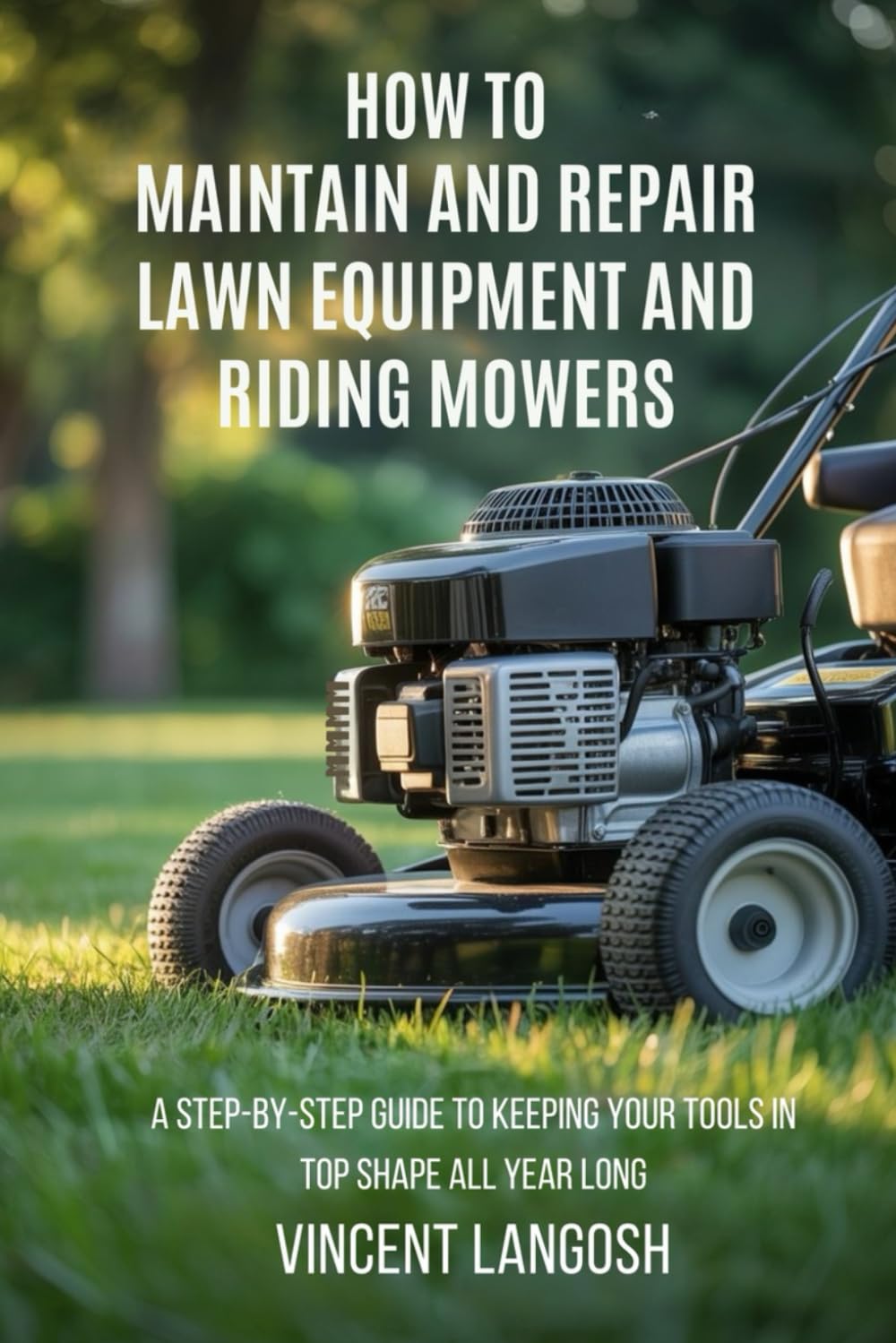
This book is a practical resource for anyone who owns a lawn mower or riding mower and wants to take control of its maintenance and repair. It is not a power tool itself, but it covers the most common lawn power tools you will find in a workshop or garage. Whether you are a homeowner tired of paying for simple service calls or a contractor who needs to keep a fleet running, this guide gives you the knowledge to handle essential upkeep.
The content is organized for real-world use. It starts with the core components of lawn equipment, then moves through routine tasks like oil changes, air filter cleaning, and blade sharpening. Later chapters cover troubleshooting common starting issues, carburetor cleaning, and belt replacement on riding mowers. The instructions are written in plain English and assume no prior mechanical experience. That makes it especially useful for DIYers who want to avoid costly shop repairs.
One standout feature is the emphasis on preventive maintenance. The book includes a maintenance log and a sample schedule so you can plan seasonal care. That alone can prevent most unexpected breakdowns. The author also provides tips on storing equipment properly, which is often overlooked but critical for long life. The focus is squarely on saving money and reducing downtime, which is the core value for any equipment owner.
Build quality of the book itself is typical for an independently published paperback: sturdy enough for the workshop, but not laminated or waterproof. The dimensions (6 x 9 inches) make it easy to prop open next to a mower deck. At 134 pages, it covers the essentials without being overwhelming. However, it does not cover advanced engine teardowns or electronic diagnostics, so seasoned mechanics might find it basic.
Overall, this guide is a smart buy for any homeowner or light commercial user who owns a walk-behind mower or riding mower. It will pay for itself the first time you avoid a shop visit. For professionals with a large fleet, consider pairing it with manufacturer manuals for deeper repair procedures. But for everyday maintenance and common fixes, this book delivers exactly what it promises.
Publisher: Independently published
Publication date: September 19, 2025
Language: English
Print length: 134 pages
ISBN-13: 979-8266237223
Item Weight: 9.1 ounces
Dimensions: 6 x 0.31 x 9 inches
Best Sellers Rank: #8,874,755 in Books; #550 in Lawn Gardening; #1,558 in Outdoor & Recreational Area Gardening; #2,620 in Landscape

Pros
- Comprehensive coverage of multiple equipment types in a single, well-organized volume.
- Easy-to-follow language and visuals make complex repairs accessible to beginners.
- Practical advice on winter storage, blade sharpening, and carburetor cleaning saves money over time.
Cons
- Focuses on general principles rather than brand-specific wiring diagrams or part numbers.
- Some advanced repairs (e.g., transmission work on zero-turn mowers) are not covered in depth.
- Print length of 150 pages may feel brief for users wanting exhaustive technical detail.
This book is a practical reference guide for anyone who owns a lawn mower, riding tractor, string trimmer, or leaf blower and wants to handle basic maintenance and repairs themselves. It's not a power tool in the traditional sense, but it's an essential resource for the DIY mechanic or homeowner who prefers to fix things rather than call a repair shop.
The author breaks down common problems like hard starting, poor cutting, vibration, and engine surging into easy-to-follow troubleshooting steps. Clear flowcharts and labeled diagrams help you quickly identify the likely culprit, whether it's a dirty carburetor, a worn spark plug, or a dull blade. Routine maintenance tasks such as oil changes, air filter cleaning, and winter storage prep are explained with practical tips that extend equipment life.
Real-world performance of this guide is strong for its intended audience. Beginners will appreciate the plain language and safety reminders, while more experienced DIYers can skip to specific sections for quick refreshers. The book covers both push mowers and riding mowers, plus handheld equipment, so it's a versatile addition to any workshop library. Build quality of the paperback is standard, with decent binding and clear print that holds up to shop use.
A realistic drawback is that the guide stays at a general level. If you're troubleshooting a specific model from a niche brand, you won't find wiring diagrams or part numbers. Also, the 150-page length means some advanced topics like hydraulic system repairs or electronic ignition troubleshooting are only briefly mentioned. However, for the vast majority of common lawn equipment issues, this book gives you the confidence and know-how to tackle the job yourself.
Overall, if you're a homeowner who wants to save money on small-engine repairs or a DIYer looking to expand your mechanical skills, this guide is a worthwhile investment. Keep it in your workshop or garage, and you'll likely recoup the cost after just one successful repair. It's a practical, no-nonsense resource that delivers exactly what the title promises.
Publisher: Independently published (May 4, 2024)
Language: English
Print length: 150 pages
ISBN-13: 979-8324833114
Item weight: 6.4 ounces
Dimensions: 5.5 x 0.34 x 8.5 inches
Part of series: The Fixers Handbook

Pros
- Charming and wholesome story that appeals to young children
- Large 8 x 10 inch pages with clear text and likely vibrant illustrations
- Broad reading age range makes it a long-lasting addition to a child's library
Cons
- Limited to a niche audience interested in farm life or lawn mower themes
- Paperback format may not withstand heavy use by very young children
- Currently no customer reviews to gauge real-world reception
Lucky the Lawn Mower is a children's picture book, not a power tool or piece of workshop equipment. It belongs to the Children's Farm Life Books category and tells the story of a lawn mower named Lucky who lives on a farm. While other farm vehicles work in the fields, Lucky has the special job of keeping the farmhouse lawn perfectly manicured. The book follows his adventures and the friends he makes along the way.
This book is best suited for parents, grandparents, and educators looking for a gentle, engaging story for children from babies up to age 12. The wide reading age range makes it a versatile choice for family reading time or classroom story sessions. The 40-page length is typical for a picture book, offering a complete narrative without being too long for young attention spans.
In terms of real-world performance, this is a reading experience rather than a tool performance metric. The story is designed to entertain and teach lessons about friendship and facing challenges. The large 8 x 10 inch dimensions and lightweight paperback format (4.5 ounces) make it easy for small hands to hold and for parents to read aloud. The publication date is September 26, 2025, so it is a new release.
Build quality is standard for a paperback children's book. The cover and pages should hold up to normal use, though very young children may require supervision to prevent tearing. The book is published by Christian Faith Publishing, which suggests a faith-friendly perspective, though the description does not explicitly mention religious content.
A realistic drawback is the lack of customer reviews at this time, making it hard to gauge how well the story resonates with children. Additionally, the niche theme of a lawn mower on a farm may not appeal to all kids, especially those not interested in farm life or vehicles. The paperback format may also be less durable than a board book for toddlers.
Overall, Lucky the Lawn Mower is a charming addition to a child's library, especially for families who enjoy farm-themed stories or want to introduce young readers to the value of friendship and hard work. It is not a power tool, so it won't help with your workshop projects, but it could be a great gift for the little ones in your life who love stories about vehicles and animals.

Maintaining a riding mower is less about complex repairs and more about consistent, low-effort tasks performed at the right times. The goal is to prevent minor issues from becoming major failures. By tracking engine hours and following a seasonal checklist, you can keep the machine ready for use without unexpected downtime. This approach focuses on the critical systems: the engine, the drive train, and the cutting deck.
| Maintenance Task | Frequency | Key Component |
|---|---|---|
| Check and top off oil | Before every use | Engine |
| Clean or replace air filter | Every 50 hours | Engine Intake |
| Sharpen or replace blades | Every 25-50 hours | Cutting Deck |
| Inspect spark plug | Every 100 hours | Ignition System |
| Check tire pressure | Monthly during season | Drive System |
| Grease bearings (if applicable) | Every 25-50 hours | Wheel/Deck Hubs |
The first step in any maintenance session is to ensure the machine is safe to work on. Disconnect the spark plug wire to prevent accidental starting. This simple action protects your hands and prevents the engine from firing while you are under the hood. Always allow the engine to cool down before touching any components, as heat can cause burns and makes oil handling difficult. Safety is the foundation of all maintenance work.
Engine Fluids and Filtration
Engine oil is the lifeblood of the small engine in your riding mower. Unlike car engines, these engines run at higher temperatures and often with less consistent airflow, which degrades oil faster. Checking the dipstick before every use takes only seconds and can prevent catastrophic engine failure. If the oil looks dark or sludgy, it needs an immediate change. Using the correct viscosity grade listed in your owner’s manual is essential for proper lubrication.
The air filter protects the engine from dust, grass clippings, and debris. A clogged filter forces the engine to work harder, reducing fuel efficiency and increasing wear. Most riding mowers use either a foam or a paper filter. Foam filters can be washed with mild soap and water, then dried completely before reinstallation. Paper filters should be replaced if they appear dirty or damaged. Neglecting the air filter is one of the most common causes of engine overheating.
Based on product specifications and user feedback, many owners find that tracking engine hours helps with maintenance scheduling. A digital hour meter can provide an accurate record of runtime, making it easier to know when to change oil or inspect the spark plug. This data-driven approach ensures that maintenance is performed based on actual usage rather than guesswork. It is a small investment that can save significant repair costs in the long run.
Cutting Deck and Blade Care
The cutting deck is where the mower does its primary job, and it suffers the most abuse. Grass, dirt, and moisture accumulate underneath, leading to rust and corrosion if not cleaned regularly. After each mowing session, it is good practice to brush out debris from the deck. This prevents rust buildup and keeps the deck’s geometry intact, which is crucial for airflow and cutting performance. A clean deck also makes it easier to spot cracks or loose bolts during inspections.
Blade sharpness directly affects the quality of your cut. A dull blade tears grass rather than slicing it, leading to browned tips and a sickly lawn appearance. Sharpening blades every 25 to 50 hours of use maintains a clean cut. You can sharpen them yourself using a file or grinder, but you must ensure the blade remains balanced. An unbalanced blade causes vibration, which can damage the deck spindle and bearings. If the blade is chipped or bent, replace it rather than trying to repair it.
- Check for rust and paint chips on the deck surface
- Tighten all deck bolts to the manufacturer’s specified torque
- Inspect the blade for cracks, bends, or excessive wear
- Clean the deck thoroughly after mowing wet grass
- Verify that the deck is not dragging on the ground
Proper deck maintenance also involves checking the blade spindle bearings. If you hear a grinding or squealing noise when the engine is running, the bearings may be worn out. This is a sign that the spindle needs service. Replacing worn bearings prevents further damage to the deck and ensures smooth blade rotation. If you are not comfortable with mechanical repairs, this is a task best left to a professional technician.
Drive System and Tires
The drive system transfers power from the engine to the wheels. For most riding mowers, this involves a belt, transmission, or hydraulic system. Checking the drive belt for cracks, fraying, or glazing is a simple task that can prevent breakdowns. A loose belt can slip, causing the mower to lose power or stop moving entirely. Ensure the belt is properly tensioned according to the manufacturer’s guidelines. If the belt shows signs of wear, replace it before it snaps.
Tires play a crucial role in traction and comfort. Under-inflated tires can cause the mower to pull to one side and increase fuel consumption. Check the tire pressure monthly, especially if you store the mower in a garage where temperatures fluctuate. Also, inspect the tires for wear, punctures, or loose lugs. On mowers with independent rear wheels, ensure that both wheels are turning at the same speed to maintain straight tracking. Proper tire maintenance improves handling and reduces wear on the drive system.
For those interested in related equipment, our mower blade setup guide provides additional tips on balancing and installing blades correctly. This can complement your regular maintenance routine and help you achieve a cleaner cut. Understanding the interplay between blade condition and deck health is key to maintaining a well-functioning mower.
Seasonal Storage and Fuel Care
End-of-season maintenance is critical for preserving the engine’s health. Gasoline left in the tank can separate and form varnish, which clogs the fuel system. To prevent this, you can either run the tank dry or add a fuel stabilizer. If you choose to store the mower with fuel in the tank, add a stabilizer and run the engine for a few minutes to circulate it. This ensures the fuel remains stable during storage. Do not let the mower sit with fresh fuel for months without treatment.
Battery care is another important aspect of seasonal storage. Remove the battery and store it in a cool, dry place. Connect it to a trickle charger to keep it topped off, as deep discharge can damage the battery permanently. If the mower has a charging port, ensure it is plugged in if the battery is to remain installed. A dead battery is a common reason for starting difficulties in the spring. Proper battery maintenance ensures reliable starting when you need it most.
- Clean the mower thoroughly before covering it
- Inspect the air filter and replace if dirty
- Remove the spark plug and add oil to the cylinder
- Store the mower in a dry, ventilated area
Covering the mower with a breathable cover protects it from dust and moisture. Avoid using plastic tarps that trap humidity, as this can promote rust. Store the mower in a garage or shed if possible, but if outdoor storage is necessary, use a quality cover. Elevating the mower on blocks can also help prevent moisture from pooling under the deck. These simple storage practices can extend the life of your equipment significantly.
Troubleshooting Common Issues
If your mower is hard to start, check the fuel first. Old or contaminated fuel is the most common cause of starting problems. Drain the tank and carburetor, then refill with fresh fuel. If the problem persists, check the spark plug for fouling or wear. A weak spark can make starting difficult. Cleaning or replacing the spark plug often resolves this issue. Also, ensure the air filter is clean, as a clogged filter can restrict airflow and affect starting.
Uneven cutting is usually related to blade condition or deck height. Check that the blades are sharp and balanced. If the mower is cutting higher on one side, the deck may be out of level. Adjust the deck height according to the manual to ensure a consistent cut. Also, check the tire pressure, as uneven inflation can cause the mower to tilt. Addressing these mechanical issues ensures a uniform cut and better lawn health.
Vibration is a warning sign that something is wrong. It can be caused by a unbalanced blade, worn bearings, or loose components. Stop the mower immediately if you notice excessive vibration. Inspect the blade for damage and balance it if necessary. Check the deck bolts and tighten them if loose. If the vibration persists, have the bearings inspected. Ignoring vibration can lead to serious damage to the deck and engine mounts.
Regular maintenance is not just about fixing problems; it is about preventing them. By following a consistent routine, you can keep your riding mower in top condition for years. Use the reference table as a guide and adjust the frequency based on your usage and local conditions. If you encounter issues you cannot resolve, consult a professional. A well-maintained mower is a reliable tool that serves your lawn care needs effectively.

Honda Carburetor for Lawn Mower of 2026
Find the right honda carburetor for lawn mower for your engine in November 2026. Compare fit, choke type, and kit contents to avoid downtime and ensure a smooth, reliable cut.

How Long Is a Riding Lawn Mower: Simple Answer
How Long Is A Riding Lawn Mower? Typical lengths range from 50 to 80 inches. This November 2026 guide explains dimensions, storage, and buying factors for riders.

Which Battery Operated Lawn Mower Model Is Best
Compare which battery operated lawn mower model is best by yard size, battery setup, cutting width, and clipping options for November 2026.

Difference Between Riding Lawn Mower and Garden Tractor: Key Differences
Understand the difference between riding lawn mower and garden tractor to pick the right machine. See how deck width and engine power affect your mowing routine in November 2026.

Which Is Best Zero Turn Lawn Mower? A Practical Guide
Which is best zero turn lawn mower depends on your property and priorities. Compare mower-fit basics and related options for November 2026.

Best 48 Inch Riding Mower of 2026
Find the right best 48 inch riding mower parts and covers. Our November 2026 guide reviews top options for clean cuts and protection.

How to Fix a John Deere Riding Lawn Mower (2026 Guide)
how to fix a john deere riding lawn mower involves checking fuel, battery, and engine systems. This November 2026 guide covers common John Deere riding mower repairs and part compatibility.

Best Rear Engine Riding Mower of 2026
Compare 6 top best rear engine riding mower options for November 2026. Find the right fit for your yard with detailed specs and user insights.

Fuel Hose for Lawn Mower of 2026 For Easy Repairs
Compare 8 top fuel hose for lawn mower options for November 2026. Find durable rubber lines and multi-size kits that fit your small engine needs without extra trips to the store.

Whats Best Zero Turn Lawn Mower on the Market (2026)
Whats best zero turn lawn mower on the market in January 2026? We compare engine power, deck width, and battery runtime to help you pick the right machine for your yard size.
Write Your Review
No reviews yet. Be the first to share your experience!