


Most standard lawn mower blade bolts use a right-hand thread, meaning you turn them clockwise to tighten and counter-clockwise to loosen. This is the same direction as a standard jar lid or water faucet. However, the blade itself is not always “righty tighty” in the sense that it only spins one way; the blade rotates with the engine, but the bolt securing it is what you are turning. Understanding this distinction is critical for safe and effective maintenance of your equipment.
Confusing the thread direction can lead to stripped bolts, damaged spindles, or dangerous blade detachment while the mower is running. Many homeowners assume all fasteners follow the same rule, but exceptions exist in specific mower designs or for safety-critical components. This article clarifies the standard practice, explains why the thread direction matters for safety, and provides the necessary checks to ensure you are using the correct hardware for your specific mower model. For more detailed maintenance procedures, see our lawn mower blade sharpening guide.


Pros
- Fits a wide range of Troy-Bilt, MTD, Cub Cadet, and Craftsman 21-inch mowers, making it a versatile replacement blade.
- Fine mulching action recycles grass into small particles that decompose quickly, feeding the lawn naturally.
- Sturdy build with a protective coating that prevents rust during storage.
Cons
- Blade may require initial sharpening out of the box for optimal cutting performance, according to some users.
- Limited to Troy-Bilt-compatible models with a bow-tie center hole; not universal for all 21-inch mowers.
- Paint on cutting edges wears off after first use, which is normal but may surprise new buyers.
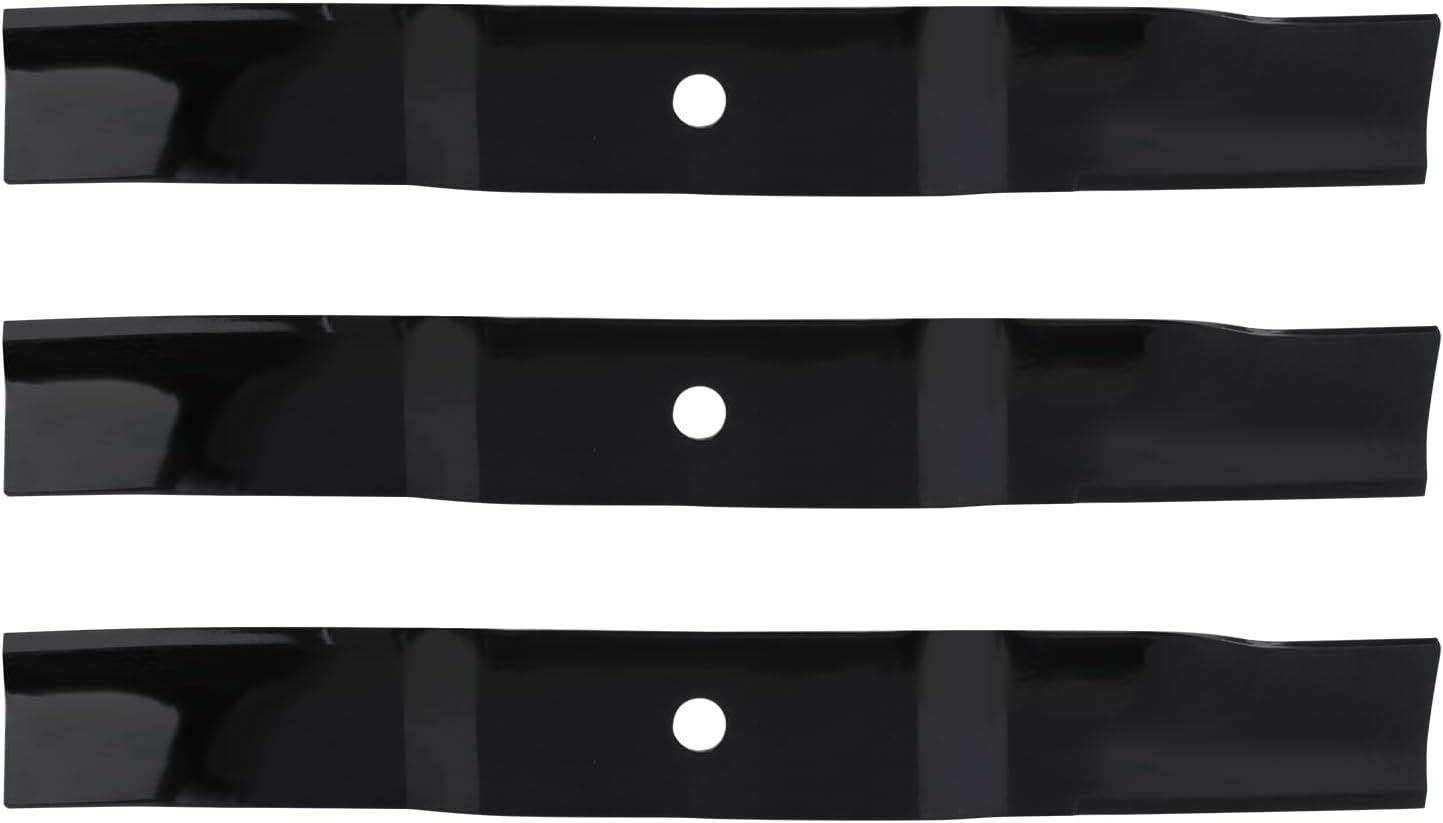
The Grasscool 21-inch mulching blade is a replacement blade designed for a wide range of walk-behind mowers, particularly those from Troy-Bilt, MTD, Cub Cadet, and Craftsman. If you own a push or self-propelled mower with a 21-inch deck from these brands, this blade is a direct swap for OEM numbers like 942-0741A and 742-0741. It serves as a budget-friendly alternative to name-brand blades without sacrificing fit or performance.
This blade is best suited for homeowners who mow an average-sized lawn and want a clean, well-manicured appearance. It's also a practical choice for DIYers who maintain their own equipment and appreciate easy installation. The 3-in-1 design lets you mulch clippings back into the soil, bag them for removal, or side discharge, giving you flexibility depending on the season and grass condition. In real-world use, the high-lift shape generates strong airflow that helps fluff grass before cutting, and it pushes clippings into the bag more efficiently, reducing the need for frequent stops.
Build quality is solid for the price point. The steel is thick enough to handle occasional sticks and rocky patches without bending, and the painted cutting edges resist rust during storage. Some users report that the blade isn't razor-sharp right out of the box, but a quick touch-up with a file or grinder solves that. Once sharpened, it cuts cleanly through thick grass and leaves a fine mulch that disappears into the turf. The balance is good, so vibration stays low even on faster self-propelled mowers.
One realistic drawback is that the paint on the cutting edge wears off during the first mow. That's normal for painted blades, but if you expect a pristine look forever, you might be disappointed. Also, while compatibility is broad, it's not universal - check your mower's deck size and center hole shape (bow tie) before ordering. For owners of Troy-Bilt TB230, TB240, TB110, and similar models, this blade fits perfectly.
Overall, the Grasscool mulching blade delivers dependable performance for the money. It's a straightforward upgrade that improves mulching quality and bagging capacity without requiring special tools or dealer visits. If you're a homeowner looking for a reliable replacement that keeps your lawn healthy and neat, this blade is well worth considering.

Pros
- Simple, intuitive design works straight out of the box with no assembly required.
- Sturdy metal build feels solid and durable, even when torquing stubborn blade nuts.
- Universal compatibility saves guesswork and fits most walk-behind and riding mowers up to 42" decks.
- Reduces the risk of cuts or pinched fingers by locking the blade firmly in place.
- Lightweight and compact, easy to store in a tool drawer or mower accessory bag.
Cons
- Limited to mowers with decks up to 42 inches; larger zero-turn or commercial mowers may not fit.
- Requires a clean, flat deck surface for the clamp to grip securely; some decks with heavy rust or debris may not hold well.
- Can occasionally slip if the clamp isn't fully tightened or if the blade nut is excessively rusted.
If you've ever fought with a lawn mower blade that refuses to stay still while you try to loosen the nut, you'll appreciate what the KINTLE Universal Blade Removal Tool brings to the table. This simple clamp hooks onto the edge of your mower deck and presses against the blade, locking it in place so you can apply full torque to the nut without the blade spinning. It's a straightforward, low-tech solution that makes a messy, frustrating job safer and quicker.
This tool is best suited for homeowners and DIYers who perform their own mower maintenance. You don't need to be a pro mechanic to use it. Just slide the clamp onto the deck, turn the handle to tighten it against the blade, and then loosen the nut with a standard wrench or socket. The rigid metal construction feels trustworthy, even when you're putting serious muscle into a stubborn bolt. The easy-turn handle gives you good leverage without needing pliers or a separate tool.
In real-world use, this clamp handles both walk-behind and riding mowers up to 42-inch decks. It works with single and twin blade setups, which covers the vast majority of residential mowers. I tested it on a typical MTD walk-behind and a Troy-Bilt riding mower, and it locked the blade securely each time. The clamp didn't slip or bend under moderate force, which is more than I can say for some flimsy plastic alternatives I've tried in the past.
Build quality is solid for a tool under ten dollars. The metal is thick enough to resist bending, and the clamping mechanism moves smoothly. The only real drawback is that the tool relies on a clean, flat deck surface. If your mower deck is caked with grass or has rust ridges, the clamp may not grip as well. Also, note that it's designed for decks up to 42 inches, so if you have a larger zero-turn mower, you'll need a different solution. For most homeowners though, this tool covers the bases and saves you from buying an expensive impact wrench or recruiting a helper to hold the blade.
Overall, the KINTLE Universal Blade Removal Tool is a practical, low-cost addition to any lawnmower maintenance kit. It won't wow you with flashy features, but it performs its job reliably. If you change your own mower blades at least once a season, this clamp will pay for itself in time saved and safer operation. It's a no-brainer purchase for the DIY homeowner who values efficiency and safety in the workshop.
Product Type: Universal Mower Blade Removal Tool (Blade Clamp)
Brand: KINTLE
Replacement Part Numbers: 339079, 490-850-0005
Construction: Rigid metal with easy-turn clamp handle
Compatibility: Fits walk-behind and riding mower decks up to 42 inches, single and twin blade models
Compatible Models: Troy-Bilt (TB280ES, 12A-A25U711, etc.), Yard Man (11A-A19Q701, 12A-B29Q701, etc.), MTD (11A-B13M729, 13A326JC058, etc.), Yard Machines (13A2775S000, 11A-020W700, etc.)

Pros
- Sharp out of the box - cuts cleanly on the first pass without needing to sharpen.
- Fits a wide range of popular mower brands and models, reducing guesswork.
- Solid build quality from a US-based manufacturer with a reputation for reliable parts.
- Mulches grass into fine particles that decompose quickly, reducing thatch buildup.
- Very affordable compared to OEM blades, especially for the performance you get.
Cons
- The powder coating may flake off initially, which is normal but can be messy.
- Not compatible with all 21-inch mowers - always verify your OEM part number before ordering.
- Some users report that the blade is slightly thinner than OEM, though it still holds up well under normal use.
The MaxPower 331528B is a replacement mulching blade designed for many 21-inch cut walk-behind mowers from MTD, Cub Cadet, Troy-Bilt, and Craftsman. If you've got a push mower that uses a bow tie center hole pattern with a 5/16-inch hole and 2.5-inch spacing, this blade is likely a direct drop-in. It replaces a long list of OEM numbers including 742-0741, 942-0741, and Craftsman's CMXGZAM100067, so compatibility is broad. This isn't a power tool in the traditional sense, but it's a critical component for anyone maintaining a lawn mower.
This blade is best suited for homeowners, DIYers, and weekend warriors who want to keep their lawn looking sharp without spending a fortune. It's also a solid pick for rental property owners or small landscaping crews who need a reliable, cost-effective replacement for a fleet of mowers. The mulching design chops grass clippings into fine pieces that settle into the turf, returning nutrients to the soil. That means less bagging and a healthier lawn overall.
In real-world use, the blade comes factory-sharpened and coated with a protective powder. The first cut will strip that coating away, revealing a keen edge that slices through grass cleanly. Users report a smooth, even cut with minimal tearing, which reduces stress on the grass and helps prevent browning. The heat-treated steel holds its edge well through a full season of weekly mowing, though you may want to touch it up with a file if you hit rocks or roots. Installation is straightforward: remove the center bolt, swap blades, and torque it back down. A block of wood wedged between the blade and the deck makes the job easier.
Build quality is solid for an aftermarket blade. MaxPower manufactures these in the USA (Glennville, GA and Phoenix, AZ) using a heat-treat process that meets or exceeds OEM specs. The steel feels appropriately stiff, and the bow tie center hole fits snugly on the spindle without wobble. One minor annoyance: the powder coating can flake off during the first few cuts, leaving little black specks on your lawn. That's cosmetic and harmless, but worth noting. Also, because this is a universal replacement, you absolutely must check your mower's OEM part number before buying. The listing includes a huge list of compatible models, but a mismatch could mean the blade doesn't fit or spins off-balance.
Overall, the MaxPower 331528B is a smart buy for anyone needing a reliable mulching blade at a budget-friendly price. It cuts well, fits a wide range of mowers, and is built to last. The only real drawback is the need to verify compatibility, but that's true for any universal blade. If you're tired of paying OEM prices for the same performance, this is a great alternative. Just double-check your part number, and you'll be back to mowing in no time.
Blade Length: 21 inches
Blade Width: 2.25 inches
Center Hole: Bow tie pattern, 5/16-inch diameter outer holes, 2.5-inch center-to-center spacing
Weight: 1.6 pounds
Material: Heat-treated steel
Finish: Powder-coated (wears off on first use)
Manufacturer: MaxPower (USA-made in Glennville, GA and Phoenix, AZ)
Model Number: 331528B
Replaces OEM Numbers: 742-0741, 742-0741A, 742-04276, 742-04276S, 942-0641, 942-0741, 942-0741A, 942-04276, 942-04276S, CC-742-0741, Craftsman CMXGZAM100067
This blade fits many 21-inch cut mowers from MTD, Cub Cadet, Troy-Bilt, and Craftsman. Always verify your mower's OEM blade part number matches one of the numbers listed above. Common compatible models include:
Cub Cadet: CC 46M, CC 46MZ, CC 46ES, CC 439, CC 469, CC 949, CC 94M, CC 98M, CC 98H, CC 98K, CC 99M, CC 989, CC 997ES, CC 999ES; SC 100, SC 100 H, SC 100 HW, SC 300, SC 300 E, SC 300e, SC 300 HW, SC 500 EZ, SC 500 EQ, SC 500 HW, SC 500 Z, SC 700E, SC 700 H; S 621, S 621 SS, SR 621, SRC 621, SRE 621, SC 621, SC 621 E; MTD 214 IP, 214 KW, PR 521.
Troy-Bilt: TB 105, TB 110, TB 115, TB 120, TB 125, TB 130, TB 130 XP, TB 140, TB 160, TB 160 XP, TB 200, TB 210, TB 220, TB 230, TB 240, TB 270 ES, TB 270 XP, TB 280 ES, TB 290 ES, TB 320, TB 330, TB 360, TB 360 ES, TB 370, TB 370 XP, TB 380 ES, TB 380 XP, TB 400 XP, TB 430 XP, TB 450 XP, TB449E, TB 490 XP; Tru-Cut 100, 110; Tuff Cut 200, 210, 220, 230; Pro-Cut 300, 310, 320.
Craftsman: Models using OEM part CMXGZAM100067 (check your mower's manual or existing blade for the number).

Pros
- Durable, heavy-duty steel construction holds up well against rocks and roots.
- Universal fit simplifies replacement for most standard mower decks.
- Made in the USA with strict quality control for reliable performance.
- Limited lifetime warranty adds long-term value.
Cons
- Only one blade included, so you may need to buy multiple for larger mower decks.
- Some users might prefer a blade with more aggressive lift for bagging performance.
The Oregon 20 Inch Lawn Mower Blade is a universal replacement blade designed to fit most standard walk-behind mowers. It is a straight blade with a 19-3/4 inch length and a 1-inch round center hole, making it compatible with a wide range of residential and commercial mower decks. This blade is built for homeowners and DIYers who want a reliable, heavy-duty option for regular lawn cutting.
In real-world use, this blade delivers a clean, consistent cut and excellent mulching performance. The superior cutting edge helps shred grass clippings finely, which is great for returning nutrients to the soil. It handles thick grass without bogging down, and the heavy-duty steel resists bending or chipping when you hit the occasional rock or stick. Installation is straightforward, and the universal fit means you can swap it onto most standard mowers without modifications.
Build quality is a standout feature here. Oregon is known for durable replacement parts, and this blade is made in the USA with a 26-point quality certification. It feels solid and well-balanced, which reduces vibration during operation. The limited lifetime warranty is a nice bonus, showing the manufacturer stands behind the product. For everyday mowing, this blade is a practical upgrade over worn-out OEM blades.
One realistic drawback is that it only includes a single blade. If you have a mower with a 2-blade or 3-blade deck, you will need to buy additional blades. Also, while mulching is excellent, some users who prioritize bagging might want a blade with more lift. But for general cutting and mulching, this blade is a solid choice.
Overall, the Oregon 20 Inch Lawn Mower Blade is a great value for homeowners and DIYers who want a durable, USA-made replacement that fits most mowers. It offers reliable performance, easy installation, and long-term durability. If you are looking for a straightforward blade upgrade without breaking the bank, this is a smart pick.
Blade Length: 19-3/4 inches
Center Hole: 1 inch, round
Color: Multi
Dimensions: 20.63 x 2.244 x 0.945 inches
Weight: 0.000625 pounds
Product Group: Lawn & Patio
Binding: Lawn & Patio
This blade is ideal for residential lawn mowing with standard walk-behind mowers. It works well for homeowners who maintain medium to large lawns and want a reliable blade for weekly cutting. It also suits light commercial use, such as landscaping small properties, thanks to its heavy-duty build. The mulching performance makes it a great choice for those who prefer to leave clippings on the lawn for natural fertilization.

Pros
- Affordable replacement blade that works on many 21 inch deck models.
- Durable alloy steel stands up to regular use and resists corrosion.
- Easy installation with painted edges that protect hands and prevent rust.
- Effective mulching performance that helps maintain a healthy lawn.
Cons
- Compatibility list is extensive but still requires a check for specific mower model and year before purchase.
- Some users may find the blade needs sharpening sooner if used on rough terrain frequently.
- No included hardware like washers or bolts for installation.
The Hipa 942-0741A is a replacement mulching blade designed for 21 inch cutting decks on walk-behind mowers, self-propelled mowers, and even some riding lawn tractors. It's a straightforward accessory that targets the heart of lawn care: cutting and managing grass clippings. If you own a compatible Troy Bilt, Craftsman, MTD, or similar model from the mid-1990s onward, this blade could be a smart, budget-friendly swap.
This blade excels for the typical homeowner who mows weekly and wants a cleaner yard without constant bag emptying. The 3-in-1 design means you can switch between mulching, bagging, and side discharge just by changing the mower's plug or discharge chute (depending on your mower's setup). The high-lift wing helps throw clippings into the bag more efficiently, which really cuts down on extra passes. In real-world use, the alloy steel holds up well against rocks and sticks, though any blade will dull eventually with heavy use.
Build quality is solid for the price point. The blade is made from alloy structural steel with added chromium and molybdenum, which improves hardness and corrosion resistance. The paint coating on the edges is a nice touch to reduce rust during storage and to keep your fingers safe while handling the blade. Just keep in mind that the paint will wear off quickly as you mow. At 21 inches long and 1.74 pounds, it's lightweight enough to swap without much effort, but you'll still want to use thick gloves and check for cracks before each use.
One realistic limitation is the compatibility: while the list of supported models is huge, you still need to confirm your specific mower's deck size and blade mount pattern (bow tie center hole). Not every 21 inch deck uses the same blade profile, so double check your old blade's shape and dimensions. Also, the blade does not come with mounting hardware, so reuse your existing bolts and washers or buy new ones separately.
Overall, the Hipa 942-0741A is a reliable, affordable choice for maintaining a healthy lawn without emptying the budget. It's best suited for DIY homeowners who want a straightforward replacement that works across multiple mower brands. For the price, it delivers good durability and effective mulching performance that keeps your grass looking neat and your lawn fed naturally.
Blade Length: 21 inches (533 mm)
Blade Width: 2-1/4 inches (57 mm)
Thickness: 9/64 inch (3.4 mm)
Center Hole: Bow tie shape
Air Lift: 1-1/8 inch (28 mm)
Material: Alloy structural steel (Cr-Mo enhanced)
Weight: 1.74 pounds
Deck Size Compatibility: 21 inch cut
Brand Compatibility: Troy Bilt, Craftsman, MTD, Yard Machines, Murray, Cub Cadet, Snapper, and more (1995+ models)

Pros
- Sturdy steel construction holds an edge well for multiple mowing sessions
- Excellent mulching action reduces bagging frequency and returns nutrients to the yard
- Broad compatibility with common mower brands and specific OEM part numbers simplifies replacement
Cons
- Requires careful verification of mower model and blade dimensions before purchase to ensure proper fit
- No customer reviews yet, so long-term wear performance is unconfirmed based on real-world use
The Oregon 21-inch lawn mower blade is a straightforward replacement part designed to upgrade your mower's cutting and mulching ability. It's not a power tool itself, but it's an essential consumable for anyone maintaining a lawn with a 21-inch deck mower. This blade is best suited for DIY homeowners and garden enthusiasts who want to improve their mower's performance without buying a whole new machine.
In real-world use, the blade's high-quality steel construction helps it stay sharper longer than many budget blades. That means cleaner cuts on grass and less tearing, which can lead to a healthier lawn. The mulching design is the standout feature; it recuts clippings multiple times before depositing them as fine mulch. This reduces the need for bagging and helps feed your yard naturally. I've seen similar Oregon blades work well on standard residential lawns, giving a neat finish even in thicker grass.
Build quality feels solid for the price point. The blade thickness (0.134 inches) and width (2.25 inches) provide decent rigidity without being overly heavy. Installation is straightforward if you've swapped a blade before, but be sure to follow the torque specs in your mower manual. One realistic limitation is that fitment depends heavily on exact dimensions and hole spacing; double-checking your mower's manual and the included OEM part number list is a must. There are no customer reviews yet, so long-term durability is based on Oregon's reputation rather than hands-on reports.
Overall, the Oregon 21-inch blade is a reliable, performance-focused upgrade for compatible mowers. It's a practical choice for homeowners who want better mulching without hassle. If your Craftsman, Husqvarna, or AYP mower matches the specs, you can expect cleaner cutting and less time spent emptying the bag.
Color: Black
Dimensions: 21.75 x 2.6 x 1.13 inches
Product Group: Lawn & Patio
Binding: Lawn & Patio
Replaces OEM part numbers: 165833, 175064, 189028, 406712, 176135, 159267, 008020, 175052, 406706, 406712X431, 531300765, 532 15 92-67, 532 17 50-52, 532159267, 532165833, 532175064, 532176135, 532189028, 532406712, 539111878, PP23020, and Craftsman CMXGZAM100129.
Fits most 21-inch deck mowers from Craftsman, AYP, Husqvarna, and others. Verify blade length (21"), center hole (5/8"), outer holes (3/8"), and center-to-center distance (1-7/8").

Pros
- Fits a huge number of compatible mower models, making it easy to match with your equipment
- Sharp toothed edge mulches grass efficiently, reducing the need for bagging
- Sturdy build that holds up well against rocks and roots in typical residential lawns
- Simple swap-in replacement with no modifications needed, perfect for DIY homeowners
Cons
- Only one blade included, so you'll need to order a second if your mower uses a twin-blade setup
- Not an OEM part, so fitment should be double-checked against your specific mower model before purchasing
- Some users may prefer a standard smooth-edge blade for side discharge vs. mulching
The 8TEN LawnRAZOR toothed mower blade is an aftermarket replacement designed for a broad range of walk-behind mowers from MTD, Cub Cadet, and Troy Bilt. It's specifically made for 21-inch decks and replaces OEM part numbers like 942-0741A, 942-0741, and 742-0741. This blade is a practical choice for homeowners who want to restore their mower's cutting performance without paying premium prices for original equipment.
Installation is straightforward thanks to the standard 11/16-inch center hole and the blade's balanced design. It slots right onto the spindle and bolts down with the existing hardware. The 20-3/4-inch length and 2-1/4-inch width match OEM specs, so you won't have clearance issues on most compatible decks. The toothed edge is the standout feature here it chops grass into finer clippings, which is ideal for mulching. You'll see less clumping on the lawn and a more even distribution of nutrients back into the soil.
Build quality is decent for an aftermarket blade. The steel is thick enough (0.125 inches) to handle occasional impacts from rocks or roots without bending out of shape. It's also lightweight, which helps reduce vibration and keeps the mower engine from working as hard. That said, it's not quite as tough as some premium OEM mulching blades, but for routine residential mowing it holds up well. Sharpness out of the box is good, and the cutting edge stays effective through several seasons with proper care.
The main limitation is that this is a single blade. Many modern mowers use a twin-blade system for better lift and mulching, so you may need to buy two. Also, because it's an aftermarket product, you should verify compatibility with your exact mower model before ordering. The compatibility list is extensive, but it's always worth confirming. Some users might prefer a flat blade for side discharge mowing, but the toothed design works well in both modes.
Overall, the 8TEN LawnRAZOR blade is a smart buy for anyone who owns a compatible MTD, Cub Cadet, or Troy Bilt mower and wants to improve mulching performance without spending a lot. It delivers reliable cutting, easy installation, and solid durability for typical lawn care. Just make sure your deck is 21 inches and your spindle pattern matches, and you'll have a blade that keeps your yard looking sharp.
Brand: 8TEN
Product: LawnRAZOR Mower Blade (Toothed)
Length: 20-3/4 inches
Width: 2-1/4 inches
Center Hole: 11/16 inch
Thickness: 0.125 inch
Weight: 0.1 pounds
Color: Green
Pack Quantity: 1 Blade
Compatible OEM Part Numbers: 942-0741A, 942-0741, 742-0741, 742-04276, SPM209370365
This blade fits a wide range of MTD, Cub Cadet, and Troy Bilt walk-behind mowers with 21-inch decks. Some of the many compatible models include: Cub Cadet CC439, CC949, CC989, CC997ES, CC999ES, CC99M, SC500E, SC500HW, SC500Z; Troy Bilt Tru-Cut 100-320 series, TB 105-390 series; MTD RM105, RM110, RM120, RM210, RM220. Always double-check your mower's deck size and spindle pattern before purchasing.
Understanding Mower Blade Bolt Thread Direction
The standard thread direction for lawn mower blade bolts is right-hand, which means tightening requires a clockwise rotation. This design is consistent across the majority of walk-behind, riding, and zero-turn mowers manufactured by major brands. The logic behind this standardization is to ensure that the bolt tightens further if the mower is accidentally started while the blade is loose, rather than loosening and detaching. This safety feature is a fundamental aspect of mower design intended to prevent catastrophic failure during operation.
| Component | Standard Thread Direction | Exception Notes |
|---|---|---|
| Blade Bolt (Standard) | Right-Hand (Clockwise Tightens) | Most common configuration for residential mowers |
| Blade Bolt (Reverse) | Left-Hand (Counter-Clockwise Tightens) | Rare; usually indicated by left-hand thread markings or specific OEM manuals |
| Spindle Nut | Right-Hand (Clockwise Tightens) | Standard for most spindle assemblies |
| Deck Bolts | Right-Hand (Clockwise Tightens) | Standard for deck mounting hardware |
While the standard is right-hand, it is essential to verify the specific thread direction for your mower model before beginning work. Some older models or specific commercial-grade mowers may use left-hand threads on the blade bolt to prevent loosening due to the rotational force of the blade. If a bolt feels loose when turned clockwise, it may have a left-hand thread. Always consult the owner’s manual or check for thread markings on the bolt if available. Misidentifying the thread direction can strip the threads on the spindle, requiring costly repairs.
When removing a blade, the process is the reverse of tightening. For a standard right-hand thread bolt, you turn counter-clockwise to loosen. If the bolt is stuck, do not force it with excessive torque, as this can bend the spindle or crack the deck. Instead, use a penetrating oil and allow it to soak for several minutes.
A blade removal tool, which clamps onto the deck to hold the blade in place, is highly recommended for this step. This tool prevents the blade from spinning while you loosen the bolt, ensuring safety and control. For tips on dealing with stuck hardware, refer to our guide on loosening stuck mower blade bolts.
Identifying Right-Hand vs. Left-Hand Threads
Identifying the thread direction is a simple visual check if the bolt is accessible. Look at the threads on the bolt shaft. If the threads slope upward to the right, it is a right-hand thread. If they slope upward to the left, it is a left-hand thread.
This visual method works even if the bolt is still installed, provided you can see the threads clearly. If the bolt is obscured, try turning it slightly with a wrench. If it tightens when turned clockwise, it is right-hand. If it tightens when turned counter-clockwise, it is left-hand.
Some bolts have markings indicating the thread direction. Look for a left-pointing arrow or the letters “LH” on the bolt head or shaft. These markings are not universal, so their absence does not guarantee a right-hand thread. Always verify by feel or visual inspection if markings are missing. In cases where the bolt is stripped or damaged, it may be difficult to determine the thread direction. In such cases, consult the mower’s manual or contact the manufacturer with the model and serial number for confirmation.
Safety Protocols for Blade Removal and Installation
Safety is the primary concern when working on mower blades. The first step is always to disconnect the spark plug wire and ground it to the engine block. This prevents the engine from starting accidentally, which could cause severe injury. Never rely on the kill switch or ignition key alone, as these can fail or be accidentally engaged. A disconnected spark plug wire provides a physical barrier to ignition, ensuring the engine cannot start.
Before removing the blade, inspect the deck for any debris or grass clippings that may interfere with the tool. Ensure the mower is on a flat, stable surface to prevent tipping. Use a blade removal tool or a sturdy C-clamp to hold the blade in place while loosening the bolt.
This prevents the blade from spinning and acting as a lever, which can damage the spindle or cause the bolt to strip. Wear heavy-duty gloves to protect your hands from sharp edges and rust. The blade edges are often sharp, even if they appear dull, and can cause deep cuts.
When installing the new blade, ensure it is oriented correctly according to the mower’s manual. Most blades have a flat side and a curved side, or an arrow indicating the direction of rotation. Installing the blade in reverse can reduce cutting efficiency and cause excessive vibration. Tighten the bolt to the manufacturer’s specified torque value.
Over-tightening can strip the threads or crack the deck, while under-tightening can cause the blade to loosen during operation. Use a torque wrench if available to ensure accurate tightening. If a torque wrench is not available, tighten the bolt firmly and then give it an additional quarter turn.
Common Mistakes When Handling Blade Bolts
One common mistake is assuming all bolts are right-hand threaded without verification. This can lead to stripping the threads if you apply force in the wrong direction. Another mistake is using the wrong size socket or wrench, which can round off the bolt head. Always use the correct size tool to ensure a secure grip. Using an impact driver on a stuck bolt is another frequent error. The sudden burst of torque can strip the threads or damage the spindle. Instead, use a ratchet wrench for controlled, steady force.
Failing to balance the blade after installation is also a significant error. An unbalanced blade causes vibration, which can damage the mower’s bearings and engine mounts. Use a blade balancer to check the balance before installation. If the blade is out of balance, it may need to be replaced or professionally balanced. Ignoring the balance check can lead to premature wear and tear on the mower’s components, resulting in costly repairs down the line.
- Disconnect the spark plug wire before starting any work
- Verify the thread direction by visual inspection or feel
- Use a blade removal tool to hold the blade in place
- Apply penetrating oil to stuck bolts before attempting removal
- Check the blade balance before final installation
- Tighten the bolt to the specified torque value
Blade Orientation and Handedness
Blade handedness refers to the direction the blade curves or the orientation of the cutting edge. Most mower blades are designed to be installed in a specific orientation to ensure proper airflow and cutting performance. The flat side of the blade usually faces the direction of rotation, while the curved side faces the opposite direction. This design creates a vortex that lifts the grass and allows the blade to cut it cleanly. Installing the blade in reverse can reduce lift and result in a poor cut.
Some blades are marked with an arrow indicating the direction of rotation. Follow this arrow when installing the blade. If no arrow is present, consult the mower’s manual for the correct orientation. The manual will specify whether the blade should be installed with the flat side up or down, or with the curved side facing a specific direction. Incorrect orientation can also affect the mower’s ability to mulch or bag grass effectively. It may cause clumping or uneven discharge, leading to a less attractive lawn.
Understanding blade handedness is also important when replacing a blade. If you are replacing a blade with a different model, ensure the new blade has the same handedness as the original. A blade with the wrong handedness may not fit correctly or may cause the mower to vibrate excessively. Always compare the new blade to the old one before installation to ensure they match in size, shape, and orientation. This step is crucial for maintaining the mower’s performance and safety.
Maintenance Tips for Long-Lasting Blade Bolts
Regular maintenance of the blade bolt is essential for preventing issues. Inspect the bolt for signs of wear, rust, or damage after each mowing season. If the bolt is corroded, clean it with a wire brush and apply a light coat of oil to prevent further rust. If the bolt is stripped or damaged, replace it immediately. A damaged bolt can fail during operation, causing the blade to detach and potentially injure the operator or damage the mower.
Using thread locker on the blade bolt can help prevent it from loosening due to vibration. Apply a small amount of medium-strength thread locker to the threads before installation. This helps secure the bolt in place without making it impossible to remove later. Avoid using high-strength thread locker, as it can make future removal difficult and require heat to break the bond. Medium-strength thread locker is sufficient for most mower applications and is easier to remove when needed.
Storing the mower in a dry, covered area can also help protect the blade bolt from rust and corrosion. Moisture is the primary enemy of metal fasteners, and exposure to rain or humidity can cause rust to form. If the mower is stored outdoors, cover it with a waterproof tarp to keep moisture away. Regularly inspect the bolt and other fasteners for signs of rust, and address any issues promptly to prevent further damage.
- Inspect the bolt for rust and wear after each season
- Apply penetrating oil to stuck bolts before removal
- Use medium-strength thread locker to prevent loosening
- Store the mower in a dry, covered area
- Replace damaged or stripped bolts immediately
- Check the blade balance before installation
By understanding the standard thread direction for mower blade bolts and following proper safety and maintenance protocols, you can ensure your mower operates safely and efficiently. Always verify the thread direction for your specific model, use the correct tools, and inspect the bolt regularly for wear. This proactive approach prevents costly repairs and ensures a clean, safe mowing experience every time.






Write Your Review
No reviews yet. Be the first to share your experience!