


Creating a sharp, clean border between your lawn and flower beds requires more than just digging; it demands a specific technique to avoid damaging roots or creating uneven edges. The core method involves driving a shovel vertically into the soil to a depth of 4 to 6 inches, then using the flat side of the blade to scrape away excess turf and soil. This action defines the boundary clearly, making it easier to maintain over time.
Many homeowners struggle with this task because they use the wrong angle or lack the proper leverage, leading to back strain and jagged results. Understanding the mechanics of how to edge with a shovel helps you achieve professional-looking results without specialized equipment. Whether you are using a standard spade or a dedicated edging tool, the principles of leverage and soil preparation remain consistent. A well-defined edge not only looks better but also prevents grass from encroaching into mulch beds or flower patches, reducing the need for constant weeding.


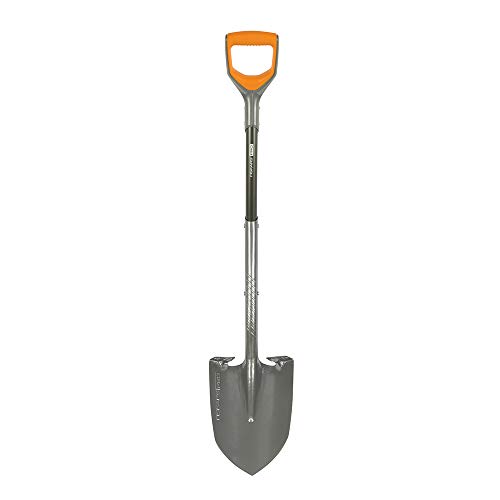


Mastering the Technique for Clean Lawn Edges
The primary goal of edging is to create a vertical wall of soil that separates the grass from the adjacent area. This prevents grass roots from spreading into the bed and makes it easier to see where the lawn ends. To achieve this, you must understand how the shovel interacts with the soil structure.
The blade needs to penetrate deep enough to cut through the root zone but not so deep that it disturbs the underlying foundation. Most lawn roots are concentrated in the top 4 to 6 inches of soil, which is the ideal depth for edging. If you go deeper, you risk hitting irrigation lines or compacted subsoil, which can make the task significantly harder and less effective.
| Soil Type | Recommended Depth | Blade Angle | Effort Level |
|---|---|---|---|
| Sandy | 4-5 inches | Vertical (90 degrees) | Low |
| Loam | 5-6 inches | Vertical (90 degrees) | Medium |
| Clay | 4-6 inches | Slight Forward Tilt | High |
| Compacted | 3-4 inches | Forward Tilt | Very High |
Before you begin, it is crucial to prepare the area. Mow the grass short, ideally to about 2 to 3 inches, to make it easier to see the boundary line. If the grass is long, it will obscure the edge you are trying to create and make it difficult to judge your depth. You should also water the soil the day before edging if it is dry.
Slightly moist soil is easier to cut through than dry, hard-packed earth. However, do not water immediately before starting, as the soil will become too soft and may collapse into the trench you are creating. The ideal condition is soil that is firm enough to hold its shape but soft enough for the blade to penetrate with minimal resistance.
The physical technique involves a combination of stepping and scraping. Stand with your feet shoulder-width apart, placing one foot on the handle of the shovel to apply downward pressure. This uses your body weight rather than just arm strength, which reduces fatigue and allows for a deeper, cleaner cut.
Once the blade is fully inserted into the soil, use the flat side of the blade to scrape outward, removing the strip of grass and soil. This scraping motion is what creates the clean vertical face. If you simply pull the shovel out, you will leave a jagged, uneven edge that will quickly fill in with soil and debris. The scraping action is the key differentiator between a messy dig and a professional-looking edge.
Consistency is the most important factor in achieving a straight line. Use a garden hose, string, or the existing border of a flower bed as a guide. Keep the top of the shovel blade aligned with this guide as you move along the perimeter. If you lose your line, the edge will become wavy and difficult to maintain.
For long stretches, it may be helpful to mark every 10 feet with a stake or flag to ensure you stay on course. This simple step saves time and effort in the long run, as you will not have to go back and fix uneven sections. A straight edge is not just aesthetic; it also makes future maintenance easier because you can follow the same line each time you edge.
Choosing the Right Shovel for the Job
Not all shovels are created equal when it comes to edging, as a standard round-point shovel is designed for digging holes and moving soil, not for cutting clean edges.
- The curved blade does not sit flat against the soil, making it difficult to create a vertical face for edging.
- You need a shovel with a flat, square blade, often called a spade or edging shovel, to slice through soil and roots with precision.
- The flat bottom of the blade allows you to scrape the soil cleanly, leaving a smooth surface behind you.
- If you do not have a dedicated edging shovel, a standard spade is the next best option for this task.
- Avoid using a garden fork or a trowel for this task, as they are too small and inefficient for covering large areas.
The material and construction of the shovel also matter. A heavy-gauge steel blade is more durable and can withstand the stress of cutting through tough soil and roots. A thin, lightweight blade may bend or warp over time, especially if you are working in clay or rocky soil. Look for a shovel with a sturdy handle that provides a good grip.
An ergonomic handle can reduce hand fatigue during long edging sessions. The length of the handle should be appropriate for your height, allowing you to work without bending over excessively. A D-handle shovel is often preferred for edging because it provides better leverage and control. This design allows you to apply downward pressure more effectively, which is crucial for penetrating deep into the soil.
Some specialized edging tools feature a serrated edge, which can help cut through grass roots more easily. These tools are designed specifically for edging and can be more efficient than a standard spade. However, they are not as versatile as a general-purpose shovel. If you only have a small yard and edge infrequently, a standard spade may be sufficient.
For larger properties or frequent edging, a dedicated tool can save time and effort. Consider the size of your yard and the type of soil you have when choosing a tool. If you have a lot of clay or rocky soil, a heavier, more robust tool will be necessary. If you have sandy soil, a lighter tool may be adequate. The right tool for the job makes the task significantly easier and more enjoyable.
Managing Soil Types and Root Systems
Different soil types require different approaches to edging. Sandy soil is loose and easy to cut through, but it may not hold its shape well. You may need to compact the soil slightly after edging to prevent it from collapsing into the trench. Loam soil is the ideal type for edging, as it holds its shape well and is easy to cut through.
Clay soil is the most challenging, as it is dense and difficult to penetrate. You may need to use a forward tilt with the shovel to break through the surface before driving it vertically. Compacted soil is even harder to work with, and you may need to loosen it with a garden fork before edging. Understanding your soil type helps you adjust your technique and avoid frustration.
Root systems also play a significant role in the edging process. Grass roots are shallow and spread horizontally, making them easy to cut through. However, if you have perennial flowers or shrubs near the edge, their roots may be deeper and more extensive. Be careful not to damage these roots when edging, as it can stress the plants and affect their health.
If you are edging near established plants, consider using a smaller tool or hand-pruning the roots before edging. This helps you maintain control and avoid accidental damage. It is also important to consider the time of year when edging. Spring and fall are the best times to edge, as the soil is moist and the grass is actively growing. Avoid edging in the middle of summer when the soil is dry and hard, as this can be more difficult and less effective.
Water management is another critical factor. If you have irrigation lines near the edge, be sure to mark them before you start digging. Hitting an irrigation line can cause leaks and damage, which can be costly to repair. If you are unsure where the lines are, consider hiring a professional to mark them for you. This is a small investment that can save you a lot of trouble down the road.
Additionally, be mindful of drainage patterns. If you create a trench that does not drain properly, water may accumulate and cause erosion or waterlogging. Ensure that the trench slopes slightly away from the lawn to allow water to flow freely. Proper drainage is essential for maintaining the integrity of the edge and preventing future problems.
Safety and Ergonomics for Efficient Edging
Edging can be physically demanding, so it is important to take safety precautions. Wear sturdy gloves to protect your hands from blisters and cuts. Use safety glasses to protect your eyes from flying debris, especially if you are working in rocky or hard soil. Wear closed-toe shoes to protect your feet from the shovel and any hidden obstacles.
If you have back problems, consider using a shovel with a shorter handle or a tool with a curved handle to reduce the strain on your lower back. Take regular breaks to stretch and rest, especially if you are working for an extended period. Listening to your body and taking breaks can prevent injury and help you maintain your energy levels throughout the task.
Proper posture is key to preventing strain. Keep your back straight and your core engaged as you work. Avoid bending at the waist, as this can put excessive pressure on your spine. Instead, bend at the knees and use your leg muscles to lift and push. This technique is more efficient and less likely to cause injury. If you feel any pain or discomfort, stop and rest.
Pushing through pain can lead to more serious injuries. It is also important to stay hydrated, especially if you are working in hot weather. Drink water regularly to prevent dehydration, which can cause fatigue and dizziness. By taking these safety precautions, you can enjoy the process of edging without risking your health.
Tool maintenance is another aspect of safety. Keep your shovel blade sharp to ensure clean cuts and reduce the effort required. A dull blade is more likely to slip, which can cause injury. Clean the blade after each use to remove soil and debris, which can corrode the metal over time. Store the shovel in a dry place to prevent rust.
If you notice any cracks or damage to the handle, replace it immediately. A broken handle can cause the shovel to slip, leading to potential injury. Regular maintenance of your tools ensures they remain safe and effective for use. By taking care of your equipment, you extend its lifespan and ensure it performs well when you need it.
Maintenance and Long-Term Edge Preservation
Once you have created a clean edge, maintaining it is essential to keep it looking sharp. Grass tends to grow back over the edge, especially if the soil is loose. You can prevent this by applying a layer of mulch or gravel along the edge. This barrier helps keep the grass from spreading into the bed and makes it easier to see the boundary.
You should also re-edge the lawn every few months, depending on the growth rate of your grass. In the spring and fall, when the grass is growing rapidly, you may need to edge more frequently. In the summer and winter, when growth is slower, you can edge less often. Regular maintenance keeps the edge defined and reduces the need for major rework.
Inspect the edge regularly for any signs of erosion or collapse. If you notice the soil crumbling into the trench, you may need to re-compact it or add more soil. If the edge is becoming uneven, you can use a rake to smooth it out. It is also important to check for any weeds or debris that may have accumulated along the edge.
Remove these promptly to prevent them from establishing and causing further problems. By staying on top of maintenance, you can keep your lawn edges looking professional for months. This small effort goes a long way in enhancing the overall appearance of your landscape and making future tasks easier.
If you are struggling to maintain the edge, consider installing a permanent border. There are many types of edging materials available, including plastic, metal, and stone. These borders provide a clear definition and prevent grass from spreading. They also make it easier to mow, as you can run the mower right up to the edge without damaging the soil.
Installing a permanent border is a one-time investment that can save you time and effort in the long run. It is a great option if you have a lot of edging to maintain or if you want a more polished look. By choosing the right solution for your needs, you can enjoy a beautiful, well-maintained landscape for years to come.
Ultimately, learning how to edge with a shovel is a valuable skill that can improve the appearance and health of your lawn.
- By understanding the technique, choosing the right tools, and maintaining the edge, you can achieve professional-looking results without hiring a professional.
- Take your time, follow the safety guidelines, and enjoy the satisfaction of a well-kept yard with practice.
- This skill is not only useful for lawn care but also for other gardening tasks, making it a worthwhile investment in your outdoor space.






Write Your Review
No reviews yet. Be the first to share your experience!