


A Craftsman lawn mower that stops working usually fails due to fuel, spark, or air issues rather than complex mechanical damage. Most how to fix craftsman lawn mower problems can be resolved at home by addressing the engine, fuel system, or blade assembly. Understanding the specific symptom allows you to target the repair without unnecessary part purchases or shop visits.
Many homeowners prefer to handle minor maintenance themselves to save on service costs. The process involves checking the spark plug, fuel filter, and air filter first. If the engine turns over but does not start, the issue is often fuel-related. If it does not turn over, the problem may be electrical or mechanical. A guide on blade bolt direction can help when you need to remove the blade for inspection. Always disconnect the spark plug wire before working on the engine to prevent accidental starts.
Pros
- Clear testing order prevents unnecessary replacement of good components
- Accessible explanations make small engine mechanics approachable for beginners
- Requires only basic hand tools and standard garage supplies to execute fixes
- Addresses seasonal storage issues like stale fuel and gummed carburetors
Cons
- Digital Kindle format requires keeping an electronic device clean in a greasy workshop
- Does not cover major internal mechanical rebuilds or cracked engine blocks
- Lacks proprietary wiring schematics for complex commercial zero-turn electrical systems
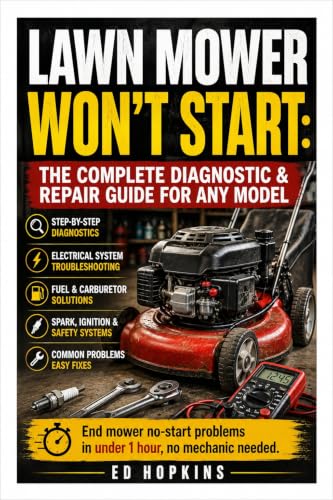
Small engine failure is one of the most frustrating garage headaches, especially when the grass is overgrown and your weekend maintenance schedule is completely derailed. This digital diagnostic handbook serves as a targeted troubleshooting tool for homeowners, DIY mechanics, and groundskeepers facing a stubborn lawn mower that turns over without firing or refuses to catch at all. Instead of relying on guesswork or immediately hauling heavy equipment into a repair shop, this guide establishes a logical testing sequence you can run through right on your garage floor.
The manual concentrates on the essential foundations of small four-stroke engine operation: air, fuel, spark, and compression. It walks you through rapid checks to isolate stale fuel, gummed carburetor jets, fouled spark plugs, broken kill switches, or sheared flywheel keys. The instructions prioritize quick-elimination steps first, helping you spot the most common failure points within 15 to 30 minutes before taking assemblies apart unnecessarily.
From a practical workshop standpoint, the information applies broadly across traditional walk-behind push mowers, self-propelled units, and residential lawn tractors. You do not need specialized test benches or expensive diagnostic computers to follow along. A basic socket set, an inexpensive spark tester, screwdrivers, and a can of carburetor cleaner are enough to work through most procedures. Because the guide is digital, you can keep it open on a tablet or phone right at your workbench, though keeping greasy thumbs off the touchscreen requires a little care.
This handbook focuses strictly on no-start diagnostics and routine fuel or ignition repairs rather than complete engine overhauls. It does not cover internal piston ring replacement, crankcase machining, or complex digital instrumentation found on industrial-grade commercial machinery. For standard seasonal revival and everyday yard-tool troubleshooting, however, the depth is well matched to practical DIY needs.
If you want to save money on basic maintenance fees, avoid weeks of small-engine shop backlog, and understand how your equipment actually functions, this guide is a useful reference to keep on hand for mowing season.
To get the most out of this repair guide, keep a few fundamental diagnostic tools readily available on your workbench. A basic spark tester, a fresh spark plug, an automotive feeler gauge, and an adjustable wrench set will cover the majority of ignition checks.
For fuel system troubleshooting, have a clean container for draining old gas, a small siphon hose, safety glasses, nitrile gloves, and an aerosol can of carburetor cleaner with an extension straw. Working in a well-ventilated garage or open driveway is essential whenever testing fuel lines or draining float bowls.

Pros
- Comprehensive coverage of small engine diagnostics and repairs
- Beginner-friendly with clear language and illustrations
- Practical focus on cost savings and self-sufficiency
- Covers a wide range of outdoor power equipment
Cons
- At only 64 pages, it may not cover advanced or specialized repairs
- Lacks multimedia content for visual learners who prefer video
- Best suited for basic to intermediate repairs, not professional mechanics
Your Guide to Lawn Mower and Small Engine Repair is a compact, affordable handbook that aims to turn any DIYer into a capable small engine mechanic. While it’s not a power tool itself, this book is an essential companion for anyone who owns lawn mowers, snowblowers, generators, or other outdoor power equipment. Instead of paying for expensive repairs, you can follow the clear, photo-illustrated steps to diagnose and fix common problems yourself.
This book is best suited for homeowners, hobbyists, and weekend warriors who want to maintain their own gear. No prior mechanical experience is required. The author breaks down the inner workings of small engines in plain English, covering everything from spark plug changes to carburetor cleaning and blade sharpening. You’ll learn how to identify issues like sputtering, power loss, and uneven cuts, and then tackle the repairs with confidence.
In real-world use, the guide shines as a quick reference. The troubleshooting section helps you pinpoint the culprit fast, and the step-by-step instructions are easy to follow even if you’re not mechanically inclined. The book emphasizes preventive maintenance like oil changes and winterizing, which can save you time and money in the long run. At 64 pages, it’s concise but covers the essentials without overwhelming the reader.
Build quality is typical for a paperback: lightweight and portable, so you can keep it in your garage or workshop. The dimensions (5.5 x 0.15 x 8.5 inches) make it easy to store, though the thinness means it won’t survive heavy abuse on a dirty workbench. A plastic cover or digital version might be more practical for greasy hands, but the printed book is still durable enough for occasional use.
The main drawback is the length. If you’re a professional mechanic or need in-depth theory, this book might feel too basic. It also doesn’t include video or online resources, so visual learners may want to supplement with YouTube. However, for the price and purpose, it delivers exactly what it promises: a no-nonsense manual to get your equipment running again. If you’re a DIYer tired of repair bills, this guide is a smart investment.
Publisher: Independently published (December 13, 2023)
Language: English
Print length: 64 pages
ISBN-13: 979-8871777367
Item weight: 3.04 ounces
Dimensions: 5.5 x 0.15 x 8.5 inches
Best Sellers Rank: #2,140,015 in Books; #191 in Hand Tools (Books); #776 in Home Repair; #2,610 in Do-It-Yourself Home Improvement (Books)
Pros
- Comprehensive coverage of both push mowers and riding mowers in one book
- Easy-to-follow steps even if you have never done maintenance before
- Cost-effective way to keep your equipment in top shape without frequent shop visits
Cons
- Does not include interactive videos or online extras, only text and illustrations
- Limited to 134 pages, so advanced engine rebuilds may not be covered in depth
- Published independently, so editing and layout may not match major publisher standards
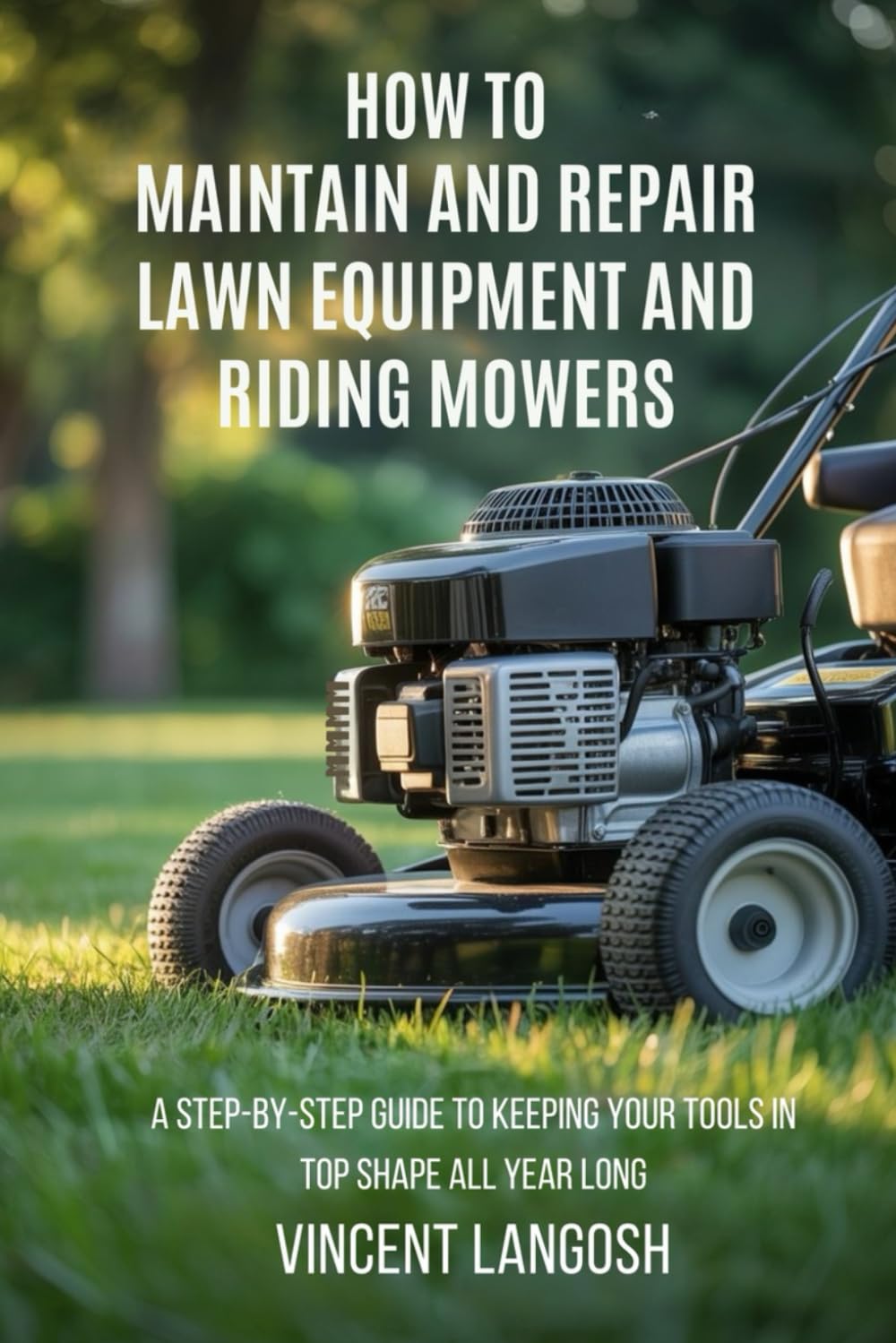
This book is a practical resource for anyone who owns a lawn mower or riding mower and wants to take control of its maintenance and repair. It is not a power tool itself, but it covers the most common lawn power tools you will find in a workshop or garage. Whether you are a homeowner tired of paying for simple service calls or a contractor who needs to keep a fleet running, this guide gives you the knowledge to handle essential upkeep.
The content is organized for real-world use. It starts with the core components of lawn equipment, then moves through routine tasks like oil changes, air filter cleaning, and blade sharpening. Later chapters cover troubleshooting common starting issues, carburetor cleaning, and belt replacement on riding mowers. The instructions are written in plain English and assume no prior mechanical experience. That makes it especially useful for DIYers who want to avoid costly shop repairs.
One standout feature is the emphasis on preventive maintenance. The book includes a maintenance log and a sample schedule so you can plan seasonal care. That alone can prevent most unexpected breakdowns. The author also provides tips on storing equipment properly, which is often overlooked but critical for long life. The focus is squarely on saving money and reducing downtime, which is the core value for any equipment owner.
Build quality of the book itself is typical for an independently published paperback: sturdy enough for the workshop, but not laminated or waterproof. The dimensions (6 x 9 inches) make it easy to prop open next to a mower deck. At 134 pages, it covers the essentials without being overwhelming. However, it does not cover advanced engine teardowns or electronic diagnostics, so seasoned mechanics might find it basic.
Overall, this guide is a smart buy for any homeowner or light commercial user who owns a walk-behind mower or riding mower. It will pay for itself the first time you avoid a shop visit. For professionals with a large fleet, consider pairing it with manufacturer manuals for deeper repair procedures. But for everyday maintenance and common fixes, this book delivers exactly what it promises.
Publisher: Independently published
Publication date: September 19, 2025
Language: English
Print length: 134 pages
ISBN-13: 979-8266237223
Item Weight: 9.1 ounces
Dimensions: 6 x 0.31 x 9 inches
Best Sellers Rank: #8,874,755 in Books; #550 in Lawn Gardening; #1,558 in Outdoor & Recreational Area Gardening; #2,620 in Landscape

Pros
- Comprehensive coverage of multiple equipment types in a single, well-organized volume.
- Easy-to-follow language and visuals make complex repairs accessible to beginners.
- Practical advice on winter storage, blade sharpening, and carburetor cleaning saves money over time.
Cons
- Focuses on general principles rather than brand-specific wiring diagrams or part numbers.
- Some advanced repairs (e.g., transmission work on zero-turn mowers) are not covered in depth.
- Print length of 150 pages may feel brief for users wanting exhaustive technical detail.
This book is a practical reference guide for anyone who owns a lawn mower, riding tractor, string trimmer, or leaf blower and wants to handle basic maintenance and repairs themselves. It's not a power tool in the traditional sense, but it's an essential resource for the DIY mechanic or homeowner who prefers to fix things rather than call a repair shop.
The author breaks down common problems like hard starting, poor cutting, vibration, and engine surging into easy-to-follow troubleshooting steps. Clear flowcharts and labeled diagrams help you quickly identify the likely culprit, whether it's a dirty carburetor, a worn spark plug, or a dull blade. Routine maintenance tasks such as oil changes, air filter cleaning, and winter storage prep are explained with practical tips that extend equipment life.
Real-world performance of this guide is strong for its intended audience. Beginners will appreciate the plain language and safety reminders, while more experienced DIYers can skip to specific sections for quick refreshers. The book covers both push mowers and riding mowers, plus handheld equipment, so it's a versatile addition to any workshop library. Build quality of the paperback is standard, with decent binding and clear print that holds up to shop use.
A realistic drawback is that the guide stays at a general level. If you're troubleshooting a specific model from a niche brand, you won't find wiring diagrams or part numbers. Also, the 150-page length means some advanced topics like hydraulic system repairs or electronic ignition troubleshooting are only briefly mentioned. However, for the vast majority of common lawn equipment issues, this book gives you the confidence and know-how to tackle the job yourself.
Overall, if you're a homeowner who wants to save money on small-engine repairs or a DIYer looking to expand your mechanical skills, this guide is a worthwhile investment. Keep it in your workshop or garage, and you'll likely recoup the cost after just one successful repair. It's a practical, no-nonsense resource that delivers exactly what the title promises.
Publisher: Independently published (May 4, 2024)
Language: English
Print length: 150 pages
ISBN-13: 979-8324833114
Item weight: 6.4 ounces
Dimensions: 5.5 x 0.34 x 8.5 inches
Part of series: The Fixers Handbook
Pros
- Clear, easy-to-follow instructions for common repairs
- Great value for the price - cheap compared to a single repair
- Relevant for both gas and electric mower owners
Cons
- Digital format only - no hard copy for greasy workshop use
- Covers only lawn mowers, not other outdoor power equipment
- No video content or interactive elements
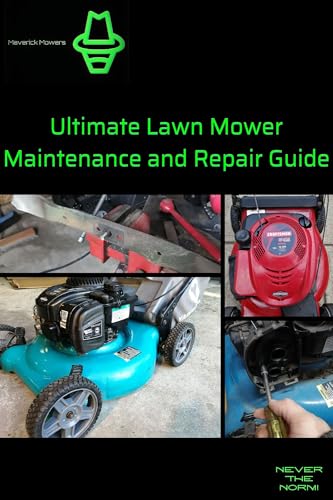
The Maverick Mowers Ultimate Lawn Mower Maintenance and Repair Guide is a practical, no-nonsense digital resource aimed at anyone who owns a lawn mower and wants to keep it running without relying on costly service shops. While it is not a physical power tool, it fills a critical gap in the power tool ecosystem: proper maintenance knowledge. For DIY homeowners, weekend warriors, and even small landscape crews, this guide demystifies the typical problems that plague mowers each season.
This guide is best suited for homeowners who want to handle basic blade sharpening, oil changes, air filter replacements, and carburetor cleaning by themselves. It also benefits light commercial users who manage a small fleet of mowers and need a quick reference to avoid downtime. The content is written in plain language, assuming no prior mechanical experience, but it does not talk down to experienced DIYers. The step-by-step format is easy to follow, and the diagrams (while not high-resolution) get the job done.
Real-world performance comes down to how well the guide translates into actual repairs. The instructions for common tasks like replacing a drive belt or adjusting the carburetor are accurate and match standard manufacturer procedures. Users will appreciate the emphasis on safety and the checklists for pre-season and end-of-season storage. The guide covers both push and riding mowers, though it leans more toward walk-behind machines. It does not cover zero-turn mowers in depth, which is a slight limitation for commercial operators.
Build quality here really means the clarity and usefulness of the content. The guide is well-organized, with chapters separated by system (engine, cutting deck, drive train, etc.). It is formatted for Kindle, so you can read it on your phone or tablet while working in the garage. The lack of a printed version is a drawback if you want to keep a greasy manual on the bench. Also, the guide is limited to mowers; it does not cover string trimmers, blowers, or chainsaws, which many homeowners also own.
Overall, this is a solid, budget-friendly resource for anyone who wants to take control of basic mower maintenance. It will not turn you into a master mechanic, but it will certainly help you avoid spending 0 on a simple carburetor cleaning. If you own a mower and have a few basic hand tools, this guide is a worthwhile addition to your digital workshop library.

Diagnosing a Craftsman mower requires separating the symptoms into categories: no crank, cranks but no start, starts but stalls, or poor performance.
- The first step is to verify the basics: fuel level, fuel freshness, and battery charge if it is a battery model.
- For gas models, stale fuel is a leading cause of failure, as the carburetor can clog with varnish from old gasoline.
- Checking the spark plug condition provides a quick indicator of engine health, since a fouled plug can prevent ignition even if fuel is reaching the cylinder.
| Symptom | Likely Cause | First Check |
|---|---|---|
| No Crank | Dead Battery, Starter Motor | Battery Voltage, Brake Clutch |
| Cranks, No Start | Fuel, Spark, Air | Fuel Filter, Spark Plug |
| Starts, Stalls | Idle Jet, Choke, Fuel Pump | Carburetor Idle Jet |
| Poor Power | Dull Blade, Clogged Air Filter | Blade Sharpness, Air Filter |
Before opening the engine, perform these external checks to identify simple fixes:
- Verify the fuel tank contains fresh gasoline with the correct octane rating.
- Check the spark plug wire for cracks or loose connections.
- Inspect the air filter for dirt, oil, or physical damage.
- Ensure the blade is not bent, cracked, or excessively dull.
- Confirm the brake safety switch is engaging properly.
- Look for visible fuel leaks around the carburetor gasket.
Fuel System and Carburetor Issues
Gasoline degrades quickly, forming gums that clog the tiny passages in the carburetor. If the mower has been sitting for more than 30 days, the fuel should be replaced. A clogged fuel filter or carburetor jet prevents fuel from reaching the combustion chamber. The fuel filter is a small screen located in the fuel line or inside the tank.
It should be replaced annually or when the engine runs poorly. Cleaning the carburetor requires disassembly and a dedicated cleaner. Soaking the parts can dissolve varnish and restore flow. Reassembly requires careful attention to gasket placement to prevent leaks.
For battery-powered Craftsman mowers, the fuel system is replaced by the battery and motor controller. A weak battery may provide enough power to turn the blade but not enough for the motor to run under load. Check the battery terminals for corrosion and ensure the connections are tight. The battery capacity should be tested if the mower shuts off unexpectedly during use. Most battery models have a charge indicator, but this is not a precise measure of remaining capacity. A multimeter can verify the voltage output under load.
Ignition and Electrical Components
The spark plug is the most common ignition component to fail. It should be inspected every 100 hours of use. A healthy plug has a clean electrode and a gap of approximately 0.025 to 0.030 inches. A fouled plug should be cleaned or replaced. The spark plug wire should have no cracks or fraying. A weak spark can cause hard starting or stalling. The ignition coil generates the high voltage needed for the spark. If the plug is good but there is no spark, the coil or wiring may be faulty. Testing the coil requires specific tools and knowledge of the circuit.
On self-propelled models, the electrical system includes the drive motor and safety switches. The brake bar switch must be engaged for the engine to start. If the switch is broken or misaligned, the mower will not crank. The drive belt can also slip or break, preventing the wheels from moving. Inspect the belt for wear, glazing, or fraying. The drive pulleys should spin freely without grinding. A jammed drive system can overload the engine, causing it to stall. Clearing debris from the deck and drive wheels often resolves these issues.
Blade and Deck Maintenance
A dull or unbalanced blade causes the mower to vibrate and cut unevenly. The blade should be sharpened or replaced when the edges become rounded. An unbalanced blade can damage the spindle bearings. To check balance, hang the blade from a nail through the center hole. It should hang level. If it tilts, it needs to be balanced or replaced. The blade bolt should be torqued to the manufacturer’s specification. A loose bolt can cause the blade to wobble and damage the deck. Tightening the bolt requires holding the blade in place to prevent it from spinning.
The mower deck can accumulate grass clippings and dirt, reducing airflow and cutting performance. Cleaning the deck after each use prevents buildup. Rust on the deck can weaken the metal and cause leaks. Applying a rust inhibitor can extend the life of the deck. The deck bolts should be checked for tightness periodically. Loose bolts can vibrate and cause damage. If the deck is dented, it may need to be repaired or replaced. A dented deck can cause the blade to hit the ground, leading to damage.
Common Repair Tools and Parts
Having the right tools makes repairs faster and safer. A basic socket set is needed for most bolt and nut work. A spark plug socket is required to remove the spark plug without rounding the hex. A fuel line plier helps with clamps and fittings. A carburetor cleaning kit includes brushes and spray for detailed cleaning. A multimeter is useful for testing electrical components. A torque wrench ensures bolts are tightened to the correct specification. Using the wrong size or type of tool can damage parts or cause injury.
Replacement parts should match the original equipment manufacturer specifications. Using incorrect parts can lead to poor performance or safety hazards. The model number on the mower is essential for finding the right parts. This number is usually located on a label under the seat or near the engine. Online parts stores and dealer websites use this number to identify compatible components. Keeping a record of purchased parts and service dates can help with future maintenance. A maintenance log can track oil changes, blade sharpening, and filter replacements.
Safety Precautions During Repair
Safety is the top priority when working on any power equipment. Always disconnect the spark plug wire before touching the blade or engine components. Wear safety glasses to protect your eyes from debris. Use gloves to protect your hands from sharp edges and chemicals. Work in a well-ventilated area if using fuel or carburetor cleaner. Keep a fire extinguisher nearby when working with gasoline. Never store fuel or parts near an ignition source. Follow the manufacturer’s safety guidelines for all repairs. If you are unsure about a procedure, consult a professional technician.
Proper storage is also a safety issue. Store the mower in a dry, secure location. Remove the fuel tank if storing for an extended period. A full fuel tank can leak and create a fire hazard. Store the battery in a cool, dry place. Extreme temperatures can damage the battery and reduce its lifespan. Keep the mower out of reach of children and pets. A locked garage or shed is ideal. Regular inspection of the storage area for pests and moisture can prevent damage to the mower and its components.
When to Seek Professional Help
Some repairs are beyond the scope of a typical homeowner. Engine internal repairs, such as piston or cylinder replacement, require specialized tools and expertise. Electrical issues involving the main wiring harness or computer module can be complex. If the mower has been dropped or severely abused, structural damage may be present. A professional shop can assess the damage and provide an accurate repair estimate. Attempting to repair major damage yourself can lead to further damage or safety risks. The cost of professional repair may be less than the cost of parts and tools needed for a DIY fix.
If the mower is under warranty, check the terms before attempting any repairs. Unauthorized repairs can void the warranty. Contact the manufacturer or an authorized dealer for warranty service. Some models have specific repair procedures that must be followed to maintain warranty coverage. Keeping records of all maintenance and repairs can help with warranty claims. A professional technician can also provide advice on preventive maintenance to extend the life of the mower. Regular servicing by a professional can catch issues before they become major problems.
Addressing the specific symptom of your Craftsman mower is the key to an efficient repair. Start with the fuel and ignition systems, as these are the most common sources of failure. Regular maintenance, including oil changes, filter replacements, and blade sharpening, can prevent many issues. If the problem persists after basic checks, consulting a repair guide or professional is the next step. Proper care ensures your mower remains reliable for years to come. For more on maintaining your equipment, see our guide on removing mower blades.




Write Your Review
No reviews yet. Be the first to share your experience!