


A dull mower blade creates ragged, brown-tipped grass and forces the engine to work harder than necessary. You can tell if the blade is sharp by inspecting the cutting edge for nicks, checking the lawn for torn versus sliced grass, and listening for increased engine strain during mowing. The how to tell if mower blade is sharp process involves a simple visual and auditory check before you even consider using a sharpener like the Sharp Pebble Cordless Lawn Mower Blade Sharpener.
Many homeowners wait until the mower is visibly struggling before addressing blade condition, but early signs are subtle. A sharp blade slices grass cleanly, resulting in green, healthy tips, while a dull blade bruises the plant tissue, leading to browning and increased susceptibility to disease. If your mower requires more passes to achieve a clean cut or the engine sounds labored, the blade edge is likely compromised. Understanding these indicators helps you maintain optimal mower performance and extend the life of your cutting components.

Pros
- No need to remove the blade, which simplifies maintenance and reduces downtime
- Adjustable angle guide ensures a precise edge for professional-quality cuts
- Cordless operation with rechargeable battery offers freedom of movement around the yard
- Lightweight and compact design for easy storage and portability
Cons
- Not suitable for zero-turn or heavy-duty mower blades that require higher torque
- Battery life may be limited for multiple sharpening sessions on larger lawns
- Build quality may feel less rugged compared to professional-grade rotary tools
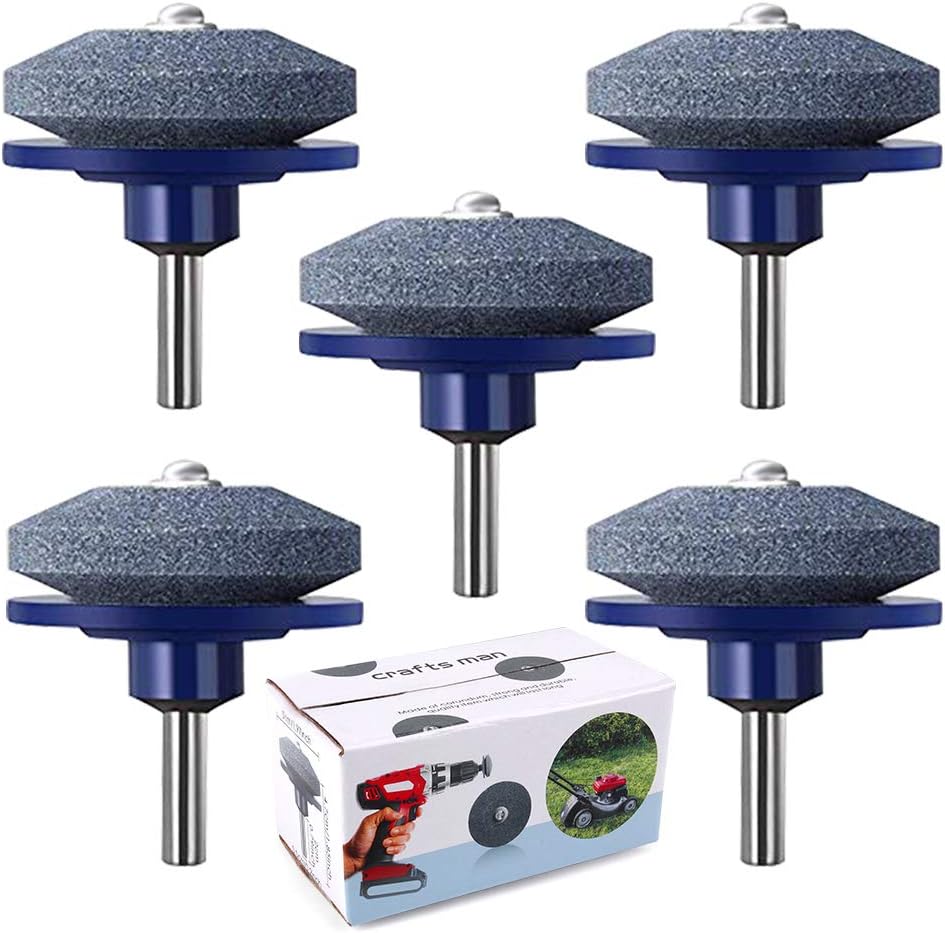
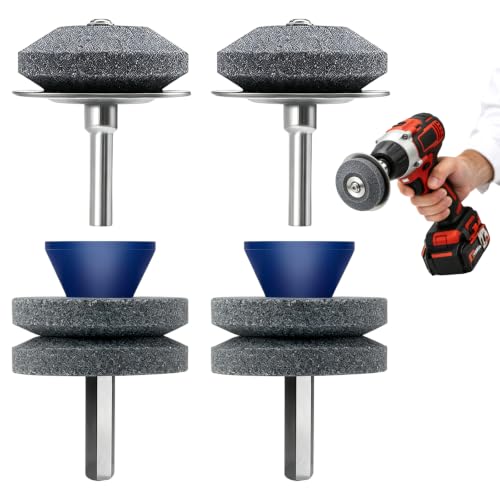
The Sharp Pebble Cordless Lawn Mower Blade Sharpener is a purpose-built rotary tool designed to make blade maintenance quick and hassle-free. Unlike traditional sharpening methods that require removing the blade, this tool lets you sharpen in place, saving you the time and frustration of disassembly. It's an ideal solution for DIY homeowners and weekend gardeners who want to keep their mower blades sharp without investing in expensive professional equipment.
Performance wise, the adjustable angle guide (20-40 degrees) is a standout feature. It allows you to set the exact angle for your blade type, ensuring a consistent edge that promotes cleaner cuts and healthier grass. The variable speed control (5,000-30,000 RPM) gives you the flexibility to handle different blade conditions, from light touch-ups to more aggressive sharpening. The included replaceable sharpening wheels are effective and easy to swap out when they wear down.
Build quality is decent for the price point. The tool feels lightweight and well-balanced, with an ergonomic grip that reduces fatigue during extended use. The cordless design with a rechargeable battery adds convenience, letting you move freely around the yard without being tethered to an outlet. However, the battery life is adequate for a few blades but may require a recharge for larger mowing setups. The tool is best suited for standard mower blades; it lacks the torque needed for zero-turn or heavy-duty commercial blades.
In terms of practicality, this sharpener is a time-saver. You can quickly touch up the blade between mows, ensuring optimal cutting performance without the downtime of removal and reinstallation. Safety features like the ergonomic grip and speed control help maintain control during operation. The compact size makes it easy to store in a toolbox or garage drawer.
One realistic drawback is that the tool may not satisfy users who need to sharpen multiple blades in one session, as the battery could run out. Additionally, the build quality, while adequate for occasional use, may not withstand heavy daily use by professionals. Overall, the Sharp Pebble Cordless Lawn Mower Blade Sharpener is a practical, affordable choice for DIYers and homeowners who value convenience and precision. If you're looking for a quick way to maintain your mower blade without the hassle of removal, this tool delivers solid performance for the price.
Product Dimensions: 8 x 2.8 x 1.2 inches
Item Weight: 1.37 pounds
Manufacturer: Mighty Dreams
Model Number: SPMower2024
Battery: 1 9V battery included
Best Sellers Rank: #56,427 in Patio, Lawn & Garden, #212 in Lawn Mower Accessories
This sharpener is best for standard residential lawn mower blades. It is ideal for DIY homeowners who mow their own lawns and want to keep blades sharp without removing them. Use it for quick touch-ups between mows or to restore a dull blade to a clean cutting edge. Not recommended for commercial zero-turn mowers or heavy-duty blades that require higher torque.
Determining blade sharpness does not require professional tools or disassembly in most cases. The most reliable method combines visual inspection of the cut grass with a physical check of the blade edge. You do not need to remove the blade to assess its condition accurately, though removing it allows for a more precise evaluation of the bevel angle and any hidden damage. This approach saves time and reduces the risk of injury associated with handling heavy, sharp metal components while the mower is still assembled.
| Indicator | Sharp Blade Sign | Dull Blade Sign |
|---|---|---|
| Grass Tip Color | Green, clean cut | Brown, torn, or shredded |
| Engine Sound | Steady, consistent RPM | Labored, straining, or stalling |
| Cut Quality | Uniform height, no clumps | Ragged edges, uneven length |
| Blade Edge Visual | Straight, smooth bevel | Nicks, burrs, or rounded edge |
Start by examining the grass clippings after a short mowing session. A sharp blade produces a clean, straight cut that leaves the grass tip green and intact. If the tips appear shredded, brown, or torn, the blade is likely dull or damaged. This visual cue is the fastest way to assess performance without touching the blade. Check several areas of the lawn, including spots with thicker growth, to ensure the issue is not isolated to one patch of difficult terrain.
- Look for green, cleanly cut grass tips after mowing
- Check for brown or shredded tips indicating a dull edge
- Listen for engine strain or RPM drop during operation
- Inspect the blade edge for visible nicks or burrs
- Compare cut quality in thick versus thin grass areas
- Note if the mower requires multiple passes for a clean cut
Visual Inspection of the Blade Edge
With the mower parked on level ground and the spark plug disconnected for safety, visually inspect the blade edge. Look for nicks, burrs, or a rounded profile along the cutting bevel. A sharp blade has a distinct, straight edge that reflects light uniformly. Any deviation from this straight line suggests wear or impact damage. You do not need to touch the edge to assess this; a good light and a steady hand are sufficient for a reliable check.
If you see a burr, it feels rough when you run a finger lightly along the non-cutting side, but avoid touching the sharp edge directly. Burrs form when the blade hits a hard object like a rock or fence post. They disrupt the cutting action and can quickly dull the rest of the edge if left unaddressed. A small burr might not immediately affect performance, but it signals that the blade has taken a hit and may be out of balance.
Listening to Engine Strain and RPM
The engine sound is a critical diagnostic tool. A sharp blade cuts through grass with minimal resistance, allowing the engine to maintain a steady RPM. If the engine sounds labored, drops in RPM, or stalls when entering thick grass, the blade is likely dull. This strain is caused by the increased force required to push a dull edge through the grass rather than slicing it. Pay attention to how the mower handles transitions from short to tall grass; a sharp blade handles this transition smoothly.
Compare the sound in different areas of your lawn. If the engine strains only in specific spots, the issue might be localized damage or a stuck object rather than overall dullness. However, if the strain is consistent across the entire lawn, the blade edge is the primary culprit. This auditory check is especially useful for walk-behind mowers where the operator is close to the engine and can hear subtle changes in pitch and tone.
For more on a connected point, our page on mower blade for replacement bag goes into it separately.
Evaluating Cut Quality and Grass Health
Cut quality is the most direct indicator of blade sharpness. A sharp blade produces a uniform cut that leaves the grass at the desired height without tearing. If the grass looks ragged, uneven, or shredded, the blade is not cutting cleanly. This type of cut stresses the plant, leading to browning at the tips and increased water loss. Over time, this can weaken the lawn and make it more susceptible to pests and diseases.
Check the underside of the grass blades for clean cuts versus bruised tissue. A clean cut is smooth and flat, while a bruised cut is jagged and discolored. This difference is visible to the naked eye if you pull a few blades and examine them closely. Consistent ragged cuts across the lawn indicate a dull blade that needs attention. If the cut quality is poor despite a sharp-looking edge, check for blade balance or deck alignment issues.
When to Sharpen or Replace the Blade
Sharpening is the preferred solution for a dull blade, as it extends the life of the component and maintains the original geometry. However, if the blade is severely damaged, warped, or has deep nicks that cannot be ground out, replacement is necessary. A blade that has been sharpened multiple times may eventually become too thin or lose its structural integrity. Always follow the manufacturer’s guidelines for sharpening angle and frequency to ensure optimal performance.
For most homeowners, sharpening once or twice per season is sufficient to maintain a sharp edge. If you mow frequently or in challenging conditions, you may need to sharpen more often. Using a dedicated blade sharpener, such as the Sharp Pebble Cordless Lawn Mower Blade Sharpener, can make this process quick and precise. These tools allow you to sharpen the blade in place, saving time and effort compared to traditional grinding methods. They also help maintain a consistent angle, which is crucial for balanced cutting.
- Sharpen the blade if the edge is dull but undamaged
- Replace the blade if it is warped, cracked, or severely nicked
- Check blade balance after sharpening to prevent vibration
- Follow the manufacturer’s recommended sharpening angle
- Inspect the blade for rust or corrosion before sharpening
- Store the blade in a dry place to prevent rust
Safety Precautions for Blade Inspection
Always prioritize safety when inspecting or maintaining mower blades. Disconnect the spark plug wire before touching the blade to prevent accidental starting. Wear heavy-duty gloves to protect your hands from sharp edges and rust. Ensure the mower is on a stable, level surface to prevent tipping. These simple precautions reduce the risk of injury and ensure a safe inspection process.
Do not attempt to sharpen or adjust the blade while the mower is running or capable of starting. The blade can spin at high speeds and cause serious injury. If you are unsure about any step in the inspection or maintenance process, consult the owner’s manual or seek professional assistance. Proper safety practices are essential for protecting yourself and ensuring the longevity of your equipment.
By following these practical checks, you can accurately determine if your mower blade is sharp and take appropriate action to maintain optimal performance. Regular inspection and timely sharpening ensure a clean cut, healthy lawn, and efficient mower operation. If you need guidance on removing the blade for a more detailed inspection, our guide on removing mower blades safely provides step-by-step instructions. Maintaining a sharp blade is a simple task that yields significant benefits for your lawn and mower.
If this topic is part of a bigger decision, mower blade with digital display is a useful related read.





Write Your Review
No reviews yet. Be the first to share your experience!