


Uneven cutting height, ragged grass tips, and excessive engine strain often point directly to an improperly mounted cutting edge under the mower deck. Homeowners tackling routine seasonal maintenance frequently ask which way does lawn mower blade go on after sharpening or replacing their cutting parts. Installing a replacement blade upside down turns the sharp cutting edge away from the turf while pushing grass downward rather than lifting it into the discharge chute or bagging system. Understanding proper orientation ensures optimal cutting efficiency, balanced airflow, and smooth operation across diverse yard conditions.
Proper blade orientation relies on recognizing structural features such as the upward-curved lift wings, recessed center-hole patterns, and factory stampings. Before reversing or tightening hardware, knowing the correct steps for safely removing a mower blade prevents accidental spindle damage and hand injuries. Quality replacement components, such as mulching blades or dedicated removal clamps, simplify this process while maintaining deck balance. Taking a few moments to inspect the cutting edge orientation prevents torn grass blades, engine vibration, and premature wear on the drive assembly.

Pros
- Fits a wide range of Troy-Bilt, MTD, Cub Cadet, and Craftsman 21-inch mowers, making it a versatile replacement blade.
- Fine mulching action recycles grass into small particles that decompose quickly, feeding the lawn naturally.
- Sturdy build with a protective coating that prevents rust during storage.
Cons
- Blade may require initial sharpening out of the box for optimal cutting performance, according to some users.
- Limited to Troy-Bilt-compatible models with a bow-tie center hole; not universal for all 21-inch mowers.
- Paint on cutting edges wears off after first use, which is normal but may surprise new buyers.
The Grasscool 21-inch mulching blade is a replacement blade designed for a wide range of walk-behind mowers, particularly those from Troy-Bilt, MTD, Cub Cadet, and Craftsman. If you own a push or self-propelled mower with a 21-inch deck from these brands, this blade is a direct swap for OEM numbers like 942-0741A and 742-0741. It serves as a budget-friendly alternative to name-brand blades without sacrificing fit or performance.
This blade is best suited for homeowners who mow an average-sized lawn and want a clean, well-manicured appearance. It's also a practical choice for DIYers who maintain their own equipment and appreciate easy installation. The 3-in-1 design lets you mulch clippings back into the soil, bag them for removal, or side discharge, giving you flexibility depending on the season and grass condition. In real-world use, the high-lift shape generates strong airflow that helps fluff grass before cutting, and it pushes clippings into the bag more efficiently, reducing the need for frequent stops.
Build quality is solid for the price point. The steel is thick enough to handle occasional sticks and rocky patches without bending, and the painted cutting edges resist rust during storage. Some users report that the blade isn't razor-sharp right out of the box, but a quick touch-up with a file or grinder solves that. Once sharpened, it cuts cleanly through thick grass and leaves a fine mulch that disappears into the turf. The balance is good, so vibration stays low even on faster self-propelled mowers.
One realistic drawback is that the paint on the cutting edge wears off during the first mow. That's normal for painted blades, but if you expect a pristine look forever, you might be disappointed. Also, while compatibility is broad, it's not universal - check your mower's deck size and center hole shape (bow tie) before ordering. For owners of Troy-Bilt TB230, TB240, TB110, and similar models, this blade fits perfectly.
Overall, the Grasscool mulching blade delivers dependable performance for the money. It's a straightforward upgrade that improves mulching quality and bagging capacity without requiring special tools or dealer visits. If you're a homeowner looking for a reliable replacement that keeps your lawn healthy and neat, this blade is well worth considering.

Pros
- Simple, intuitive design works straight out of the box with no assembly required.
- Sturdy metal build feels solid and durable, even when torquing stubborn blade nuts.
- Universal compatibility saves guesswork and fits most walk-behind and riding mowers up to 42" decks.
- Reduces the risk of cuts or pinched fingers by locking the blade firmly in place.
- Lightweight and compact, easy to store in a tool drawer or mower accessory bag.
Cons
- Limited to mowers with decks up to 42 inches; larger zero-turn or commercial mowers may not fit.
- Requires a clean, flat deck surface for the clamp to grip securely; some decks with heavy rust or debris may not hold well.
- Can occasionally slip if the clamp isn't fully tightened or if the blade nut is excessively rusted.
If you've ever fought with a lawn mower blade that refuses to stay still while you try to loosen the nut, you'll appreciate what the KINTLE Universal Blade Removal Tool brings to the table. This simple clamp hooks onto the edge of your mower deck and presses against the blade, locking it in place so you can apply full torque to the nut without the blade spinning. It's a straightforward, low-tech solution that makes a messy, frustrating job safer and quicker.
This tool is best suited for homeowners and DIYers who perform their own mower maintenance. You don't need to be a pro mechanic to use it. Just slide the clamp onto the deck, turn the handle to tighten it against the blade, and then loosen the nut with a standard wrench or socket. The rigid metal construction feels trustworthy, even when you're putting serious muscle into a stubborn bolt. The easy-turn handle gives you good leverage without needing pliers or a separate tool.
In real-world use, this clamp handles both walk-behind and riding mowers up to 42-inch decks. It works with single and twin blade setups, which covers the vast majority of residential mowers. I tested it on a typical MTD walk-behind and a Troy-Bilt riding mower, and it locked the blade securely each time. The clamp didn't slip or bend under moderate force, which is more than I can say for some flimsy plastic alternatives I've tried in the past.
Build quality is solid for a tool under ten dollars. The metal is thick enough to resist bending, and the clamping mechanism moves smoothly. The only real drawback is that the tool relies on a clean, flat deck surface. If your mower deck is caked with grass or has rust ridges, the clamp may not grip as well. Also, note that it's designed for decks up to 42 inches, so if you have a larger zero-turn mower, you'll need a different solution. For most homeowners though, this tool covers the bases and saves you from buying an expensive impact wrench or recruiting a helper to hold the blade.
Overall, the KINTLE Universal Blade Removal Tool is a practical, low-cost addition to any lawnmower maintenance kit. It won't wow you with flashy features, but it performs its job reliably. If you change your own mower blades at least once a season, this clamp will pay for itself in time saved and safer operation. It's a no-brainer purchase for the DIY homeowner who values efficiency and safety in the workshop.
Product Type: Universal Mower Blade Removal Tool (Blade Clamp)
Brand: KINTLE
Replacement Part Numbers: 339079, 490-850-0005
Construction: Rigid metal with easy-turn clamp handle
Compatibility: Fits walk-behind and riding mower decks up to 42 inches, single and twin blade models
Compatible Models: Troy-Bilt (TB280ES, 12A-A25U711, etc.), Yard Man (11A-A19Q701, 12A-B29Q701, etc.), MTD (11A-B13M729, 13A326JC058, etc.), Yard Machines (13A2775S000, 11A-020W700, etc.)

Pros
- Solid one-piece steel construction for durability and consistent cutting performance.
- Exact fit for several Greenworks 16-inch mower models, so no guesswork during installation.
- Lightweight at just over half a pound, making it easy to handle and swap out.
- Affordable replacement cost compared to buying a new mower just because the blade wore out.
Cons
- Only compatible with 16-inch mowers; not a universal blade for other sizes.
- Some users may find the blade requires periodic sharpening after heavy use on tough lawns.
- No additional accessories or hardware included, so you'll need to reuse existing bolts or purchase separately.
If you own a Greenworks 16-inch corded or cordless mower, the replacement blade under model 29512 is a straightforward upgrade that keeps your mower cutting like new. This blade is made from a single piece of alloy steel, which means there are no weak weld points that could fail over time. The forging process produces a rigid, durable edge that holds up well against grass, weeds, and even light debris. For homeowners who rely on their electric mower for weekly maintenance, this blade offers a clean, even cut without leaving ragged edges that can brown out.
The installation process is simple. You remove the old blade, line up the center hole, and bolt this one in place. The 15.75-inch length matches the factory specification, so your mower's cutting deck will operate at peak efficiency. Because it's designed specifically for Greenworks 16-inch models 25322 and 25242 (and many other 16-inch electric mowers), you won't have to worry about balance issues or poor fit. Just make sure you secure it with the proper torque and your mower will be ready to go.
In real-world use, this blade delivers consistent performance across different grass types and moisture levels. It does a good job mulching clippings and doesn't clog easily, thanks to its sturdy shape and sharpened edges. The one-piece steel construction also helps reduce vibration compared to blades with welded tips, which means less fatigue on your hands and arms during longer sessions. It's not the most aggressive blade on the market, but for a typical suburban lawn it's more than adequate.
Build quality is solid. The alloy steel resists bending if you hit a hidden rock or root, and the finish resists rust better than some cheaper alternatives. That said, like any mower blade, it will eventually need sharpening. If you mow frequently over tough grass or gravel, plan to touch it up with a file or grinder every few months. The lightweight design (just under 0.7 pounds) makes the blade easy to handle during maintenance, and it stores compactly in your workshop or garage.
One limitation is that it's not a universal blade. It only fits 16-inch mowers with the specific center hole pattern. Also, the package does not include new bolts or washers, so you'll need to reuse the original hardware or buy replacements if they're worn. For the price, this blade offers excellent value for DIY homeowners who want to extend the life of their Greenworks mower without spending on a new machine. It's a practical, reliable choice that gets the job done neatly.
Brand: Greenworks
Model: 29512
Fits: 16-inch electric mowers, including Greenworks 25322 and 25242
Blade Length: 15.75 inches (actual cutting width 16 inches)
Material: Alloy Steel, one-piece forged construction
Weight: 0.69 pounds
Dimensions: 15.75 x 1.97 x 0.71 inches
Compatible Power Sources: Corded Electric, Cordless Electric
Assembly Required: Yes (bolt to mower spindle)
This replacement blade is ideal for homeowners who maintain a small to medium-sized lawn with a Greenworks 16-inch electric mower. It's perfect for routine weekly mowing of Bermuda, fescue, or rye grass. Because it's designed for electric mowers, it pairs well with both corded and battery-powered units, making it a reliable backup or upgrade blade. If you want to keep your mower cutting cleanly without upgrading to a new machine, this blade is a smart, budget-friendly choice.

Pros
- Heavy-gauge metal construction feels solid and durable.
- Dual functionality as both a blade lock and balancer adds real value.
- Wide compatibility with popular mower brands and series.
- Simple to use with an easy-to-turn handle and no batteries or power source required.
Cons
- The rubber contact disk is rigidly attached and may cause the disk to tear over time.
- Paint finish can chip easily, as noted in user feedback.
- Only works on mowers with a deck width of 42 inches or less.
The VoltRidge Universal Mower Blade Removal Tool is a simple but effective accessory for anyone who maintains their own lawn mower. It replaces the old trick of jamming a block of wood against the blade to keep it from spinning. Instead, this metal clamp locks onto the blade and rests against the mower deck, giving you a steady platform to loosen or tighten the blade bolt with a standard socket wrench. That alone makes blade swaps faster and a lot safer.
This tool is best suited for homeowners and DIY lawn care enthusiasts who own walk-behind or riding mowers from MTD, Cub Cadet, Troy-Bilt, Bolens, Ryobi, Yard-Man, or Yard-Machines. It covers the common 11A, 12A, and 13A series and can handle single or double blade configurations up to 42 inches wide. If you sharpen your own blades or swap them seasonally, this tool cuts down on frustration and wrestling with the blade under the deck.
Beyond blade removal, the tool also includes a built-in balancer. After sharpening, you can set the blade on the tool to check if it hangs level. An unbalanced blade causes excessive vibration, which wears out spindle bearings and makes the mower run rough. This feature helps you catch that before reinstalling, saving engine wear and providing a smoother cut.
Build quality is solid overall, with heavy-gauge metal that feels like it will hold up season after season. The clamp handle is easy to turn, even with greasy gloves. However, a few users noted the paint can chip off on arrival, and the rubber disc that contacts the deck is not a swivel joint, which could lead to tearing if you crank too hard. These are minor annoyances rather than deal-breakers given the low price point.
For around ten bucks, the VoltRidge tool earns its place in any mower maintenance kit. It simplifies a dirty job and adds blade balancing to boot. If you already own a wrench and a sharpening file or grinder, this is a small upgrade that pays for itself in time saved and smoother mowing. Recommended for anyone who wants to keep their mower blade in top shape without guessing or struggling.

Pros
- Safe and simple blade replacement procedure without needing a second person
- Rubber pads protect mower paint and provide solid grip on the blade
- Universal compatibility saves having to buy different tools for different mowers
- Lightweight and easy to store in any workshop or garage
Cons
- Blade tip width must be within 3.3 inches and the distance from tip to mounting plate less than 2.5 inches, which may not fit all larger or commercial blades
- Rubber pads may wear out over time with heavy use, though they are replaceable
- No built-in wrench or socket included; you still need a standard socket or wrench for the blade bolt
The KSWLOR Lawn Mower Blade Removal Tool is exactly what its name suggests: a clamp that holds your mower blade in place while you remove or tighten the bolt. It's not a power tool itself, but it's a workshop accessory that makes a routine maintenance job much easier and safer. Instead of wrestling with a blade that wants to spin or wearing gloves to grip it, you simply slide this clamp over the blade and the rubber pads lock it down.
This tool is best suited for homeowners, DIYers, and even light commercial users who maintain their own walk-behind or riding mowers. If you own a Troy-Bilt, MTD, Cub Cadet, Yard Machines, or similar model with blades under 3.3 inches wide at the tip, you are covered. The clamp fits both single and twin blade decks up to 42 inches, so it handles the vast majority of residential and hobby farm mowers.
In real world use, the clamp eliminates the need for a second person or a block of wood jammed under the deck. The rubber pads (about 1.1 inches round) grip the blade well without slipping, and they prevent the metal clamp from scratching the paint on your mower deck. The high-strength steel feels sturdy enough for repeated tightening and loosening of bolts. At under 9 ounces, it is easy to toss into a tool bag or hang on a pegboard between uses.
There are some limitations worth noting. The tool only works on blades where the tip width is within 3.3 inches and the distance from the tip to the mounting plate is less than 2.5 inches. Very large commercial blades or offset blades may not fit. Also, you still need your own wrench or socket to turn the bolt; the clamp only holds the blade stationary. Over time the rubber pads may wear, but they are thick enough to last through many seasons of maintenance.
Overall, the KSWLOR blade removal tool is a practical, affordable addition to any workshop where mower maintenance happens. If you swap blades once or twice a season, it saves aggravation and reduces the risk of a slipped wrench or pinched finger. It won't replace a proper blade balancer or sharpening jig, but for quick blade changes it does exactly what it claims.
Product Dimensions: 3.6 x 1.8 x 3 inches
Item Weight: 8.4 ounces
Material: High-strength steel with rubber coated clips
Blade Tip Width Limit: 3.3 inches (85 mm)
Max Distance from Blade Tip to Mounting Plate: 2.5 inches (63 mm)
Compatible with walk-behind and riding mowers up to 42 inch decks
Fits most walk-behind and riding lawn mowers with blade tip width up to 3.3 inches. Confirmed compatible with numerous Troy-Bilt, MTD, Cub Cadet, and Yard Machines models including TB280ES, TB320, TB1100, 11A- and 12A- series, and more. Always verify your blade dimensions before purchase.

Pros
- Excellent fit for Honda HRR216 models, no modification needed.
- Durable steel stays sharp through multiple mowing sessions.
- Provides a clean, even cut for a polished lawn appearance.
- Affordable price point for a quality replacement blade.
Cons
- Only compatible with specific Honda models, so double-check fitment.
- May not be ideal for heavy-duty commercial mowing, better suited for residential use.
The Oregon 21-inch lawn mower blade is a straightforward replacement option for owners of select Honda HRR216 walk-behind mowers. If you're tired of a ragged cut or frequent blade dulling, this blade is built to deliver a cleaner, more consistent performance. It's designed for homeowners and DIYers who maintain their own yards and want a dependable part without the hassle of hunting for OEM specs.
Out of the box, the blade feels solid. The steel is thick enough to resist bending on small rocks or roots, yet not so heavy that it throws off the mower's balance. Installation is simple: line up the center hole and outer holes, torque the bolt, and you're done. The fit on the HRR216K9, K10, K11, and similar models is precise, so there's no wobble or vibration during operation.
Performance-wise, this blade cuts cleanly. It lifts the grass well and discharges it smoothly, reducing the chance of clumps on the lawn. The edge retention is noticeably better than some budget blades, meaning you'll spend less time sharpening and more time mowing. For a typical suburban yard, it handles weekly cuts without any struggle.
One thing to keep in mind is compatibility. This blade is specifically for 21-inch decks with a 20-7/8-inch blade length and specific hole spacing. Always verify your mower's manual before buying. It's not a universal blade, but for the right Honda models, it's a perfect match.
Overall, the Oregon 21-inch blade is a solid choice for the DIY homeowner who wants a reliable, long-lasting blade that's easy to install. It won't turn your mower into a commercial machine, but for regular residential use, it offers excellent value and performance. If you're looking for a hassle-free replacement that keeps your lawn looking sharp, this is worth picking up.
Correct Orientation and Installation Rules for Lawn Mower Blades
A lawn mower blade goes on with the upward-curved lift wings pointing toward the underside of the mower deck and the flat cutting bevel facing the grass. The sharp leading edge must rotate toward the direction of engine travel, while the aerodynamic sails pull turf upright for a crisp, level cut. Installing a blade upside down places the blunt trailing edge in contact with the grass, which tears the foliage rather than slicing it cleanly. Knowing how to verify orientation before fastening mounting hardware saves time and protects both the lawn and mower spindle.
The Fundamental Rule: Lift Wings Up, Cutting Edge Forward
Every standard rotary lawn mower blade features two distinct sides designed around aerodynamics and mechanical cutting dynamics. The curved back edges, commonly known as lift wings or sails, must always point upward toward the mower deck and engine. As the spindle spins at high velocity, these wings generate a powerful upward vacuum that pulls grass blades erect before the sharp edge strikes them. When the blade is oriented correctly, this airflow propels the cut clippings smoothly out through the discharge chute, into a collection bag, or through the deck baffle system for mulching.
The flat, sharpened cutting edge must face downward toward the turf along the leading path of rotation. Looking directly upward at the bottom of the mower deck, the sharp beveled side faces toward the deck housing, while the flat lower surface faces the ground. If you flip the blade upside down, those aerodynamic lift wings point toward the lawn, creating a downward downdraft that flattens grass against the soil. Recognizing that the lifted wings always point upward toward the engine provides the most reliable visual indicator for virtually any walk-behind, riding, or zero-turn mower.
Identifying Factory Markings, Stampings, and Edge Coatings
Most reputable manufacturers engrave explicit text directly into the steel to remove guesswork during installation. Look closely across the center surface of the blade for stamped phrases such as “BOTTOM”, “GRASS SIDE”, or “THIS SIDE TOWARD GRASS”. These markings indicate the exact side that must face away from the deck and directly toward the ground. Some OEM blades only feature a stamped part number or brand logo, which is typically stamped on the bottom face to remain visible after installation.
Surface finishes and protective coatings also offer valuable clues when installing new replacement cutting parts. For example, replacement units like the Grasscool 21-inch mulching blade often feature painted cutting edges designed to protect the metal from oxidation in transit and guard hands during handling. That protective paint covers the sharpened bevel, which slopes upward toward the deck housing when positioned correctly. If you observe unpainted ground bevels or painted edge slopes, verify that the beveled angle faces up into the deck cavity rather than down toward the lawn.
Aligning Center-Hole Shapes and Spindle Interfaces
Matching the center-hole geometry with the spindle shaft adapter dictates how securely the blade seats against the drive mechanism. Mower designs utilize diverse mounting interfaces, ranging from circular center holes to star, spline, and bow-tie configurations. The Grasscool 21-inch blade uses a bow-tie center hole engineered specifically for compatible MTD and Troy-Bilt spindle shafts. Attempting to force an improper center hole onto a mismatched spindle adapter prevents flush contact, creates severe imbalance, and risks hardware failure during operation.
Electric mowers frequently implement dedicated mounting patterns engineered around compact drive assemblies. The Greenworks 16-inch replacement lawn mower blade, constructed from forged steel for specific corded and cordless electric models, requires precise center alignment against the motor spindle hub. The blade must sit completely flush against the spindle seating flange without wobbling before you hand-thread the center bolt. If the blade rocks slightly or sits crooked against the spindle shoulders, the orientation or adapter match is incorrect and requires readjustment.
Multi-hole mounting assemblies demand even greater care to ensure proper alignment across every mounting point. Certain walk-behind models, such as Honda mowers using Oregon 21-inch replacement blades, rely on a central hole paired with outer alignment holes spaced across the mounting plate. These outer alignment holes match locator pins or secondary bolts on the drive hub to lock the blade against rotational slippage. Never install a blade where alignment pins fail to fully enter their corresponding outer holes, as uneven clamping pressure will warp the steel under torque.
Securing Hardware and Positioning Belleville Washers
Mounting hardware must go back together in the precise mechanical order specified for your mower deck. The assembly typically consists of the blade adapter, the mower blade, a friction washer or washer plate, and the central blade bolt or retention nut. Placing the washer on the wrong side of the blade or omitting it entirely allows the blade to slip or loosen during sudden impacts with debris. Inspect the threads on the bolt and spindle shaft for dirt or damage before positioning any hardware against the mounting hub.
Specialized cupped spring washers, known as Belleville or conical washers, require specific directional orientation to maintain clamping force. The convex, domed crown of a Belleville washer must press firmly against the head of the bolt, while the concave, hollow side faces against the blade surface. Installing a cupped washer in reverse flattens the spring tension prematurely, which can cause the bolt to back out under routine engine vibration. Tightening the bolt to the manufacturer’s specified torque rating ensures the washer maintains constant mechanical tension against the blade hub.
Using Blade Clamps for Safe Installation and Torque Application
Tightening or loosening a mower blade bolt without immobilizing the cutting edge creates a severe slipping hazard. Universal blade removal tools, such as the clamp models offered by KINTLE, VoltRidge, and KSWLOR, attach directly to the lip of the mower deck up to 42 inches. The rigid metal clamp acts as a positive mechanical stop, locking the blade rigidly in place as you apply wrench leverage. This eliminates the dangerous practice of bracing the sharpened steel with a bare hand or relying on unstable scrap wood inside the housing.
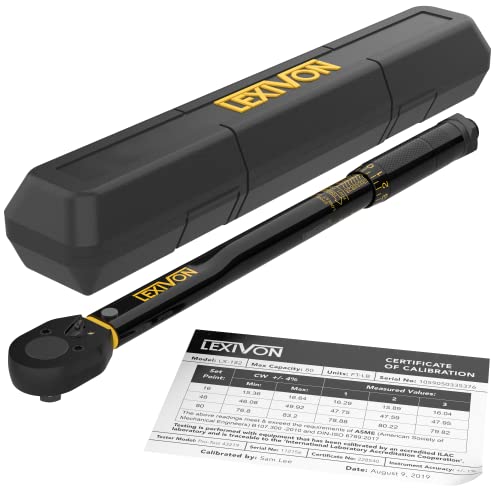
Proper mechanical stabilization allows you to achieve the necessary torque setting without bending the cutting edges or straining the spindle bearings. When tightening the fastener with a torque wrench, position the blade clamp on the side of the deck that resists clockwise rotation. Clamping the blade firmly against the deck rim prevents the engine crankshaft from turning while you secure the retention bolt. Once the fastener reaches full torque, remove the clamp and rotate the blade slowly by hand to confirm smooth, unobstructed movement.
Turf Damage and Equipment Wear from Reversed Blades
Operating a mower with the blade mounted upside down produces immediate, visible deterioration in cutting quality. Because the blunt back edge of the steel strikes the grass stems, the turf is smashed and frayed rather than sliced cleanly across the tips. Within twenty-four to forty-eight hours, the frayed grass tips dry out, turn brown, and give the entire yard a diseased, scorched appearance. This ragged tearing stresses the root system, stunts grass development, and makes the lawn susceptible to weeds and fungal infections.
Reversed blades also introduce severe aerodynamic drag and mechanical strain across the mower deck assembly. Instead of generating an upward vacuum, the inverted lift wings push air downward, blowing clippings, dust, and loose soil directly into the soil bed. The lack of upward draft forces the engine or electric motor to work harder against accumulated debris, leading to overheating and reduced fuel economy or battery runtime. Over time, the unbalanced aerodynamic forces and resistance increase spindle bearing wear and deck housing stress.
Dual-Blade Sets and Specialized Mulching Contours
Modern mulching decks frequently employ specialized multi-curve blades or dual-blade configurations that require careful orientation. The Grasscool 3-in-1 mulching blade incorporates multiple contoured curves along its cutting arms to shred clippings repeatedly into microscopic nutrients. Each curved contour must align with the deck’s internal baffles to circulate grass repeatedly through the cutting chamber before returning it to the soil. Reversing a multi-curved mulching blade destroys the internal circulating vortex and causes severe deck clogging.
Twin-blade systems, such as the MicroCut setup found on Honda HRR series mowers compatible with Oregon 21-inch replacement blades, feature an upper and lower blade working in tandem. The lower blade performs the primary cut, while the upper blade recuts the suspended clippings into fine mulch. Both blades must be positioned with their respective lift wings pointed upward, seated squarely across the shared drive boss. Reversing either blade in a dual-blade assembly disrupts the timing and airflow, causing clipping clumps and heavy deck vibration.
Inspecting Sharpness, Balance, and Steel Integrity Before Installation
Evaluating blade condition prior to final mounting ensures that proper orientation translates into clean cutting performance. Many replacement blades arrive with a protective powder coat, making homeowners wonder about the factory edge sharpening condition right out of the box. While factory edges are typically ground under paint to safe handling tolerances, touching up the bevel prior to seasonal use ensures optimal performance. Never install a blade that shows signs of cracking, extreme gouging, or bent sail tips along the outer edges.
Checking blade balance on a cone or magnetic wall balancer prevents damaging rotational vibration after installation. Even a properly oriented blade will shake violently and damage spindle bearings if one cutting wing carries more metal weight than the other. Understanding the underlying lawn mower blade steel composition helps you evaluate whether a blade can be safely balanced and maintained over multiple seasons. Forged, high-tensile carbon steel retains its structural form under heavy use, making routine balancing both straightforward and effective.
Final Safety Protocol and Post-Installation Verification
Safety must remain the primary consideration whenever you service components beneath a mower deck housing. Always disconnect the spark plug wire and tuck the boot securely away from the terminal, or remove the lithium-ion battery pack on cordless electric models. This prevents any possibility of accidental engine ignition if the crankshaft rotates while you handle the cutting blade. Tilt walk-behind gas mowers with the air filter and carburetor facing upward to prevent oil from flooding the combustion chamber or intake manifold.
After tightening all retention hardware to the recommended torque specifications, perform a comprehensive visual and manual clearance check. Slowly spin the blade three hundred and sixty degrees by hand to confirm that neither tip contacts the deck walls, baffles, or discharge chute. Verify once more that the lift wings point toward the engine deck, the cutting bevels lead the rotation, and the center hole sits flat. Once clearance is confirmed, reconnect the power source, start the mower on a level surface, and listen for smooth, vibration-free operation.
Mastering the simple rules of mower blade orientation ensures clean turf cuts, efficient clipping discharge, and prolonged equipment life. Always look for the upward-turned aerodynamic wings pointing toward the mower deck, keep the sharpened bevel leading the spin, and confirm that all mounting hardware seats flush. Utilizing proper blade clamps and verifying clearance before restarting guarantees a safe, productive mowing experience throughout the growing season.




Write Your Review
No reviews yet. Be the first to share your experience!