


Maintaining a lush lawn often requires clearing out the dense layer of dead grass, moss, and root debris that builds up between green turf and the soil. Many homeowners wonder whether do dethatching lawn mower blades work as an affordable shortcut compared to renting a heavy commercial machine. These specialized conversion blades spin wire spring tines or heavy nylon lines underneath your existing mower deck to rake out tangled organic buildup. When dealing with routine turf maintenance, properly sizing a replacement mower blade remains essential to ensure adequate deck clearance. Understanding how these power rake tools perform on standard walk-behind equipment helps you avoid damaging grass crowns or overloading your mower engine.
While convertible dethatching blades can loosen shallow organic material, they perform differently than dedicated power rakes or core aerators. The spinning action relies entirely on mower deck height adjustment to graze the thatch layer without gouging the soil. If your lawn has thick buildup exceeding half an inch, an improper setup can scalp the turf or strain your mower crankshaft. Reviewing manufacturer specifications, mounting hole geometry, and realistic blade limitations will help you determine if a dethatching blade matches your seasonal yard goals.

Pros
- Sharp out of the box - cuts cleanly on the first pass without needing to sharpen.
- Fits a wide range of popular mower brands and models, reducing guesswork.
- Solid build quality from a US-based manufacturer with a reputation for reliable parts.
- Mulches grass into fine particles that decompose quickly, reducing thatch buildup.
- Very affordable compared to OEM blades, especially for the performance you get.
Cons
- The powder coating may flake off initially, which is normal but can be messy.
- Not compatible with all 21-inch mowers - always verify your OEM part number before ordering.
- Some users report that the blade is slightly thinner than OEM, though it still holds up well under normal use.
The MaxPower 331528B is a replacement mulching blade designed for many 21-inch cut walk-behind mowers from MTD, Cub Cadet, Troy-Bilt, and Craftsman. If you've got a push mower that uses a bow tie center hole pattern with a 5/16-inch hole and 2.5-inch spacing, this blade is likely a direct drop-in. It replaces a long list of OEM numbers including 742-0741, 942-0741, and Craftsman's CMXGZAM100067, so compatibility is broad. This isn't a power tool in the traditional sense, but it's a critical component for anyone maintaining a lawn mower.
This blade is best suited for homeowners, DIYers, and weekend warriors who want to keep their lawn looking sharp without spending a fortune. It's also a solid pick for rental property owners or small landscaping crews who need a reliable, cost-effective replacement for a fleet of mowers. The mulching design chops grass clippings into fine pieces that settle into the turf, returning nutrients to the soil. That means less bagging and a healthier lawn overall.
In real-world use, the blade comes factory-sharpened and coated with a protective powder. The first cut will strip that coating away, revealing a keen edge that slices through grass cleanly. Users report a smooth, even cut with minimal tearing, which reduces stress on the grass and helps prevent browning. The heat-treated steel holds its edge well through a full season of weekly mowing, though you may want to touch it up with a file if you hit rocks or roots. Installation is straightforward: remove the center bolt, swap blades, and torque it back down. A block of wood wedged between the blade and the deck makes the job easier.
Build quality is solid for an aftermarket blade. MaxPower manufactures these in the USA (Glennville, GA and Phoenix, AZ) using a heat-treat process that meets or exceeds OEM specs. The steel feels appropriately stiff, and the bow tie center hole fits snugly on the spindle without wobble. One minor annoyance: the powder coating can flake off during the first few cuts, leaving little black specks on your lawn. That's cosmetic and harmless, but worth noting. Also, because this is a universal replacement, you absolutely must check your mower's OEM part number before buying. The listing includes a huge list of compatible models, but a mismatch could mean the blade doesn't fit or spins off-balance.
Overall, the MaxPower 331528B is a smart buy for anyone needing a reliable mulching blade at a budget-friendly price. It cuts well, fits a wide range of mowers, and is built to last. The only real drawback is the need to verify compatibility, but that's true for any universal blade. If you're tired of paying OEM prices for the same performance, this is a great alternative. Just double-check your part number, and you'll be back to mowing in no time.
Blade Length: 21 inches
Blade Width: 2.25 inches
Center Hole: Bow tie pattern, 5/16-inch diameter outer holes, 2.5-inch center-to-center spacing
Weight: 1.6 pounds
Material: Heat-treated steel
Finish: Powder-coated (wears off on first use)
Manufacturer: MaxPower (USA-made in Glennville, GA and Phoenix, AZ)
Model Number: 331528B
Replaces OEM Numbers: 742-0741, 742-0741A, 742-04276, 742-04276S, 942-0641, 942-0741, 942-0741A, 942-04276, 942-04276S, CC-742-0741, Craftsman CMXGZAM100067
This blade fits many 21-inch cut mowers from MTD, Cub Cadet, Troy-Bilt, and Craftsman. Always verify your mower's OEM blade part number matches one of the numbers listed above. Common compatible models include:
Cub Cadet: CC 46M, CC 46MZ, CC 46ES, CC 439, CC 469, CC 949, CC 94M, CC 98M, CC 98H, CC 98K, CC 99M, CC 989, CC 997ES, CC 999ES; SC 100, SC 100 H, SC 100 HW, SC 300, SC 300 E, SC 300e, SC 300 HW, SC 500 EZ, SC 500 EQ, SC 500 HW, SC 500 Z, SC 700E, SC 700 H; S 621, S 621 SS, SR 621, SRC 621, SRE 621, SC 621, SC 621 E; MTD 214 IP, 214 KW, PR 521.
Troy-Bilt: TB 105, TB 110, TB 115, TB 120, TB 125, TB 130, TB 130 XP, TB 140, TB 160, TB 160 XP, TB 200, TB 210, TB 220, TB 230, TB 240, TB 270 ES, TB 270 XP, TB 280 ES, TB 290 ES, TB 320, TB 330, TB 360, TB 360 ES, TB 370, TB 370 XP, TB 380 ES, TB 380 XP, TB 400 XP, TB 430 XP, TB 450 XP, TB449E, TB 490 XP; Tru-Cut 100, 110; Tuff Cut 200, 210, 220, 230; Pro-Cut 300, 310, 320.
Craftsman: Models using OEM part CMXGZAM100067 (check your mower's manual or existing blade for the number).

Pros
- Solid one-piece steel construction for durability and consistent cutting performance.
- Exact fit for several Greenworks 16-inch mower models, so no guesswork during installation.
- Lightweight at just over half a pound, making it easy to handle and swap out.
- Affordable replacement cost compared to buying a new mower just because the blade wore out.
Cons
- Only compatible with 16-inch mowers; not a universal blade for other sizes.
- Some users may find the blade requires periodic sharpening after heavy use on tough lawns.
- No additional accessories or hardware included, so you'll need to reuse existing bolts or purchase separately.
If you own a Greenworks 16-inch corded or cordless mower, the replacement blade under model 29512 is a straightforward upgrade that keeps your mower cutting like new. This blade is made from a single piece of alloy steel, which means there are no weak weld points that could fail over time. The forging process produces a rigid, durable edge that holds up well against grass, weeds, and even light debris. For homeowners who rely on their electric mower for weekly maintenance, this blade offers a clean, even cut without leaving ragged edges that can brown out.
The installation process is simple. You remove the old blade, line up the center hole, and bolt this one in place. The 15.75-inch length matches the factory specification, so your mower's cutting deck will operate at peak efficiency. Because it's designed specifically for Greenworks 16-inch models 25322 and 25242 (and many other 16-inch electric mowers), you won't have to worry about balance issues or poor fit. Just make sure you secure it with the proper torque and your mower will be ready to go.
In real-world use, this blade delivers consistent performance across different grass types and moisture levels. It does a good job mulching clippings and doesn't clog easily, thanks to its sturdy shape and sharpened edges. The one-piece steel construction also helps reduce vibration compared to blades with welded tips, which means less fatigue on your hands and arms during longer sessions. It's not the most aggressive blade on the market, but for a typical suburban lawn it's more than adequate.
Build quality is solid. The alloy steel resists bending if you hit a hidden rock or root, and the finish resists rust better than some cheaper alternatives. That said, like any mower blade, it will eventually need sharpening. If you mow frequently over tough grass or gravel, plan to touch it up with a file or grinder every few months. The lightweight design (just under 0.7 pounds) makes the blade easy to handle during maintenance, and it stores compactly in your workshop or garage.
One limitation is that it's not a universal blade. It only fits 16-inch mowers with the specific center hole pattern. Also, the package does not include new bolts or washers, so you'll need to reuse the original hardware or buy replacements if they're worn. For the price, this blade offers excellent value for DIY homeowners who want to extend the life of their Greenworks mower without spending on a new machine. It's a practical, reliable choice that gets the job done neatly.
Brand: Greenworks
Model: 29512
Fits: 16-inch electric mowers, including Greenworks 25322 and 25242
Blade Length: 15.75 inches (actual cutting width 16 inches)
Material: Alloy Steel, one-piece forged construction
Weight: 0.69 pounds
Dimensions: 15.75 x 1.97 x 0.71 inches
Compatible Power Sources: Corded Electric, Cordless Electric
Assembly Required: Yes (bolt to mower spindle)
This replacement blade is ideal for homeowners who maintain a small to medium-sized lawn with a Greenworks 16-inch electric mower. It's perfect for routine weekly mowing of Bermuda, fescue, or rye grass. Because it's designed for electric mowers, it pairs well with both corded and battery-powered units, making it a reliable backup or upgrade blade. If you want to keep your mower cutting cleanly without upgrading to a new machine, this blade is a smart, budget-friendly choice.

Pros
- Durable one-piece steel construction resists nicks and bending from everyday turf debris
- Restores clean, crisp slicing action for healthier, greener grass after every mow
- Exact fit for popular Greenworks corded models 25022 and 25112 with no deck modification needed
- Lightweight balance helps minimize deck vibration and prolongs motor life
Cons
- Strictly designed for specific Greenworks corded models and will not fit cordless or 40V/60V decks
- Actual blade length measures 19.69 inches, which can cause confusion for users expecting a full 21-inch blade
- Requires standard mechanical tools and thick work gloves for safe installation
Keeping a manicured suburban lawn starts with a sharp, balanced cutting edge. The Greenworks Replacement Lawn Mower Blade is a factory-style replacement designed specifically for corded electric walk-behind mowers, particularly models 25022 and 25112. It serves homeowners, suburban yard keepers, and budget-conscious DIYers who already rely on their electric push mower for routine weekend lawn care and want to restore original cutting performance without purchasing an entirely new machine.
A dull or dinged mower blade tends to tear grass blades rather than slicing them cleanly, resulting in brown, frayed tips after a Saturday morning mowing session. Forged from a single piece of steel, this replacement blade delivers a crisp, even cut that promotes healthier grass growth across typical cool-season and warm-season turf. The blade geometry is engineered to work smoothly with the mower deck airflow, supporting efficient mulching and clean discharge into the collection bag during peak spring growth or fall leaf cleanup.
Durability is critical when tackling dense patches of grass, small hidden twigs, or uneven turf. Because this blade utilizes solid one-piece steel construction, it provides dependable resistance against premature warping and regular wear. The protective black finish helps guard against surface rust when stored in a shed or garage between trims. At 1.25 pounds, it matches the original rotational weight needed to keep the corded electric motor running smoothly without introducing unwanted vibration through the handle.
Swapping out an old blade is a straightforward seasonal maintenance task for any handy homeowner. The blade measures 19.69 inches end to end, designed specifically to fit snugly within the designated 20-inch and 21-inch Greenworks deck configurations. Installation generally requires standard hand tools, a sturdy pair of work gloves, and securing the mower unplugged before loosening the center hardware. Taking a few minutes to inspect or swap the blade before the spring mowing season can save substantial time and effort all summer long.
While this replacement blade excels at renewing cutting efficiency, compatibility is strictly limited to specific corded Greenworks electric models like the 25022 and 25112. Homeowners should verify their specific model number and deck size before purchasing, as cordless 40V or 60V models require different blade profiles. For owners of compatible corded mowers dealing with dull cuts or nicked edges after hitting a hidden root or rock, this replacement blade offers an affordable, reliable way to keep the yard looking neat and vibrant.
Regular blade maintenance is essential for keeping any walk-behind mower operating at peak efficiency. Before inspecting or replacing the blade, always ensure the extension cord is disconnected from the power source and the mower is placed on a flat, stable surface. Wearing heavy leather work gloves is strongly recommended to protect hands while handling sharp edges or loosening the center blade bolt.
Checking the blade for nicks, dull spots, or balance issues every few mowing cycles helps prevent excessive motor strain and deck vibration. If the cutting edge shows minor dullness from routine use, a simple touch-up with a hand file can restore sharpness. However, when the steel shows deep gouges from rocks or roots, swapping in a fresh replacement blade ensures your mower continues to deliver clean cuts and healthy lawn growth all season long.

Pros
- Affordable price for a 4-pack, great value for budget-conscious shoppers.
- Sturdy SWPB material feels durable and should hold up well during regular use.
- Compatible with popular dethatcher blades from Maxpower and Arnold, plus many universal 16-inch models.
- Easy to install, no special skills required.
Cons
- Limited to 16-inch dethatcher blades, not suitable for other sizes or types of mower attachments.
- Some users may find the springs slightly stiff initially, requiring a bit of effort to attach.
- Pack includes only springs, no additional hardware or instructions included.
If you own a lawn mower with a dethatcher attachment or a power rake blade, you know that the springs are what give the tines their aggressive action to pull up thatch. Over time, these springs can lose tension or break, leaving your lawn care efforts less effective. The Feekoon 4 Pack Universal Power Rake Replacement Springs step in as a practical, budget-friendly solution for homeowners who want to restore their dethatching performance without spending a lot.
These springs are designed to fit a range of 16-inch dethatcher blades, including the popular Maxpower 330105 and Arnold 490-100-0111 models. That makes them a versatile option for many suburban and rural property owners who rely on a dethatcher for spring lawn clean-up or fall reseeding prep. The universal compatibility is a big plus, though it's always a good idea to double-check your blade's design before purchasing.
Made from SWPB steel, these springs boast higher strength, hardness, and toughness compared to standard materials. Based on the product description, they should hold up well against the repeated stress of digging into grass and soil. For budget-conscious shoppers and first-time buyers, this set offers a simple way to maintain your dethatcher without needing to replace the entire blade assembly.
Installation is straightforward: you just remove the old springs and clip in the new ones. No special tools are needed, which is a relief for anyone who isn't mechanically inclined. The compact size (about 4 inches long) means you can store the extras in a drawer or toolbox without taking up valuable garage space. This is especially handy for apartment dwellers or small-yard homeowners who have limited storage.
One realistic limitation is that these springs are only meant for 16-inch dethatcher blades. If you have a larger or smaller blade, they won't fit. Also, some users might find the springs a bit stiff initially, requiring a little muscle to get them into place. But once installed, they should provide reliable tension for effective dethatching.
Overall, the Feekoon power rake replacement springs are a solid choice for anyone who needs to refresh their dethatcher's performance. They offer good value, decent durability, and easy installation. Whether you're a lawn care enthusiast prepping your yard for a backyard barbecue or a suburban homeowner tackling spring cleanup, these springs can help you get the job done without breaking the bank.
Pros
- Works well for light dethatching and leaf pickup
- Simple to install with no special tools
- Compatible with a wide range of popular mower brands
Cons
- Nylon tines wear down quickly on heavy thatch or rough terrain
- Not recommended for battery powered mowers due to extra load
- Some users report tines can fly off during first use
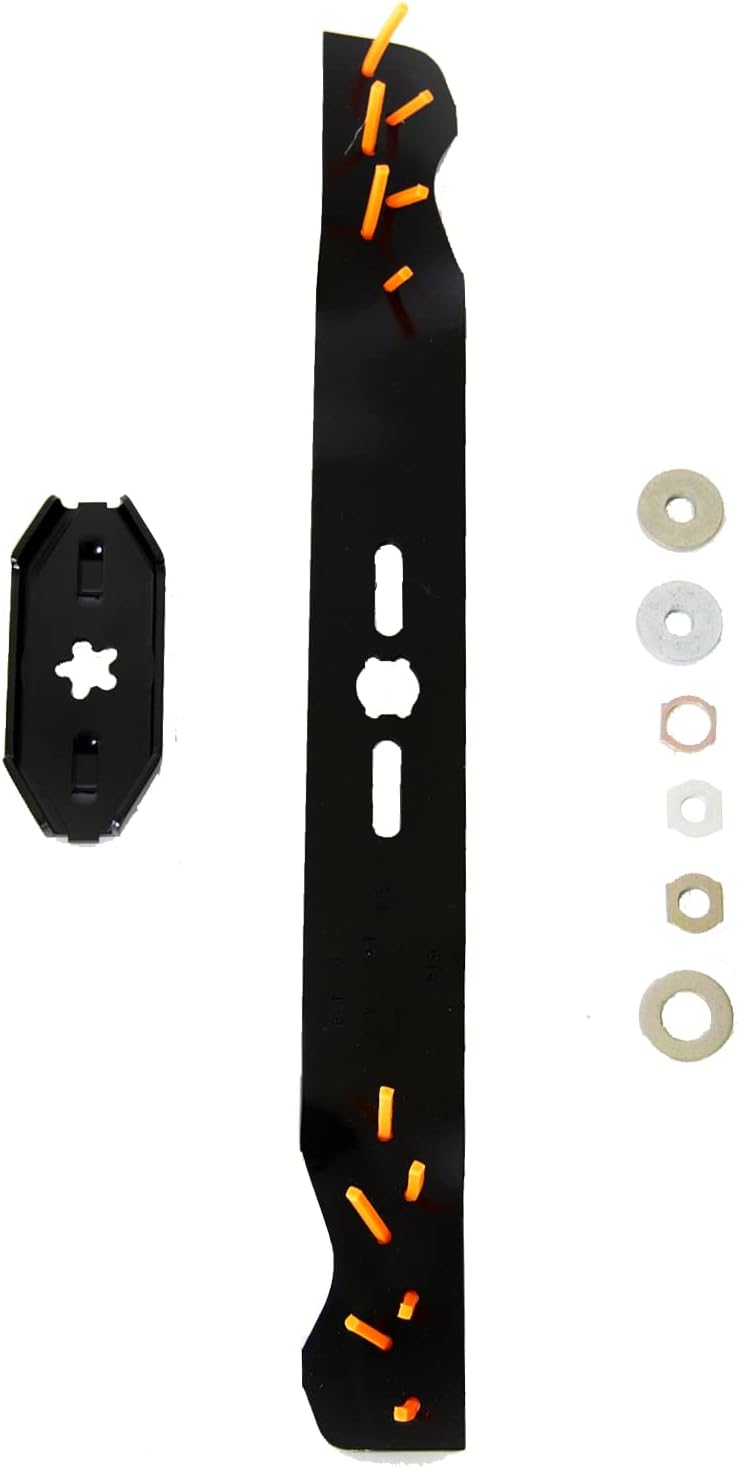
The Arnold 490-100-0083 is a universal replacement blade designed for 21, 22, and 23 inch walk-behind lawn mowers. It combines a standard cutting blade with nylon dethatching lines, letting you mow and clean up your lawn at the same time. This is a smart upgrade for homeowners who want to reduce manual raking and dethatching without investing in a separate machine.
This blade is best suited for DIY homeowners with medium sized lawns. It fits most popular mower brands including Troy-Bilt, Craftsman, Honda, Husqvarna, Toro, Snapper, and Yard Machines. The included adapters make it easy to install on different center hole sizes. Just note that it's not designed for battery powered mowers, as the extra load can drain batteries quickly or strain the motor.
In real world use, the blade cuts grass cleanly while the nylon lines help lift and break up leaves and light thatch. Many users report it saves hours of raking each season. The dethatching effect is mild, so it works best for light to moderate thatch buildup. For heavy thatch, the nylon lines can wear down fast, and some users have reported tines breaking off on the first pass. Replacing the lines with thicker trimmer string can improve durability.
Build quality is solid for the price. The steel blade is sturdy, and the nylon lines are easy to replace. Installation is straightforward, though you should always refer to your mower's manual for torque specs and safety. The blade is lightweight and stores easily. One drawback is that the tines are not aggressive enough for serious dethatching, so if your lawn has thick thatch, you might need a dedicated dethatcher or a metal tine blade.
Overall, the Arnold 490-100-0083 is a practical, budget friendly way to add dethatching and leaf cleanup to your mowing routine. It's not a heavy duty solution, but for routine yard maintenance, it gets the job done. If you have a gas powered mower and want to save time on fall cleanup, this blade is a solid choice.
How Dethatching Lawn Mower Blades Work: Practical Effectiveness, Fitment, and Yard Results
Dethatching lawn mower blades do work for pulling up light to moderate surface thatch, but their practical success depends entirely on lawn density, deck elevation, and equipment capability. Rather than slicing through soil like an aerator, these blades use flexible tines or durable lines to flick dead organic matter to the surface. They provide a convenient middle ground for seasonal yard grooming without requiring separate heavy power equipment. However, they will not cure severe soil compaction or deeply embedded thatch mats that require vertical slicing reels. Homeowners must balance realistic expectations against the physical limitations of mower-mounted power rake setups.
The Direct Verdict: When Dethatching Blades Function and When They Fall Short
A dethatching blade operates as a horizontal rake that attaches directly to your walk-behind mower spindle or engine crankshaft. As the engine spins the blade at standard operating speeds, spring tines or stiff monofilament lines sweep through the turf canopy. This rapid sweeping action lifts dead grass stems and decaying organic matter that block water and nutrients from reaching healthy root systems. For lawns with less than half an inch of loose debris, the setup successfully pulls up noticeable piles of thatch for collection. The process helps restore air circulation around living shoots before spring fertilization or autumn overseeding.
Severe lawn conditions quickly reveal the functional boundaries of mower-mounted dethatching bars. When thatch layers exceed half an inch, the material becomes tightly interwoven with living root systems and compact topsoil. Spinning tines that strike dense soil at high speed tend to tear out healthy grass plants by their crowns rather than gently combing away dead material. Additionally, aggressive contact creates substantial drag that can bog down standard push mower engines. If your turf feels like a spongy mattress underfoot, a dedicated machine with vertical slicing blades remains far more effective.
Core Mechanical Differences: Dethatching Blades vs. Dedicated Power Rakes
Understanding how mower-mounted blades differ from standalone power rakers explains why results vary across different lawn types. Dedicated dethatching machines utilize a horizontal drum equipped with dozens of vertically spinning flails or knife blades. These vertical blades rotate forward like mini pizza cutters, slicing perpendicular to the turf surface to sever lateral stems while lifting dead material. Because the movement is vertical, vertical blades create minimal lateral stress on living grass crowns. Standalone machines also feature micro-adjustable depth gauges that let operators calibrate height within millimeters of the soil line.
Mower dethatching blades, by contrast, rely on a single horizontal bar rotating parallel to the ground at high rotational velocity. This rotational motion swings tines sideways across grass blades, which exerts lateral pulling force on root systems. If the deck sits even slightly too low, the rotating tips snag turf roots and fling dirt across the yard. The mower deck also traps the dislodged debris beneath the housing, requiring substantial airflow to mulch or bag the material. Dedicated power rakes leave the thatch resting loosely on the surface for easy raking without choking an enclosed cutting chamber.
Analyzing Hardware Options: Convertible Bars, Replacement Springs, and Standard Blades
Multiple styles of dethatching hardware exist across the replacement blade market, ranging from multi-function cutting bars to standalone spring packs. For example, the Arnold 490-100-0083 walk-behind blade functions as a multi-purpose unit designed to cut, bag, mulch, and dethatch using adaptable nylon lines. This versatile bar comes with universal center-hole sizing washers to accommodate common 3/8-inch, 7/16-inch, and 5/8-inch spindle patterns across Troy-Bilt, Craftsman, Yard Machines, and similar walk-behind mowers. The inclusion of flexible dethatching line allows homeowners to rake shallow thatch while retaining grass-cutting functionality. Adjusting or replacing these nylon lines keeps the raking mechanism flexible enough to minimize turf scalping.
Other setups utilize heavy-duty metal spring tines mounted onto dedicated power rake bars. Over multiple seasons of vigorous lawn grooming, high-impact ground contact can fatigue or snap metal coils. Products like the Feekoon 4-pack replacement springs provide universal coil replacements made from high-strength SWPB material compatible with Maxpower 330105 bars and Arnold 16-inch dethatching blades. Replacing worn springs in matched sets maintains proper dynamic balance across the spinning blade bar. Using fresh, resilient springs ensures that the tines flex backward upon striking tree roots or hard soil instead of jarring the mower engine shaft.
In contrast to spring-loaded or line-equipped power rake bars, standard grass blades are engineered purely for clean clipping and high airflow. The Maxpower 331528B mulching blade, for instance, features a continuous curved cutting edge and a specialized bow-tie center hole designed specifically for 21-inch MTD, Cub Cadet, and Troy-Bilt decks. Similarly, dedicated electric units like one-piece Greenworks steel replacement blades are forged exclusively to slice foliage cleanly across 16-inch and 21-inch corded or cordless decks. Reviewing our brushless electric mower blade setup highlights how standard cutting geometries optimize motor efficiency and lift rather than dragging through turf debris. Attempting to dethatch with a standard mulching or lift blade will simply shred grass clippings without loosening the underlying thatch mat.
Deck Clearance, Spindle Stress, and Engine Load Considerations
Attaching metal tines or heavy dethatching lines changes the mechanical resistance experienced by your lawn mower spindle and engine. Cutting grass requires minimal rotational torque because the sharpened blade edge slices cleanly through thin foliage. Dragging flexible springs through thick turf thatch creates continuous friction against the rotating bar. This increased drag forces small four-stroke gas engines to run under heavy load, causing operating temperatures to rise. Push mower operators should listen closely for engine bogging, which signals that the tines are running too deep into the turf canopy.
Spindle bearings and engine crankshafts also absorb increased vibration when a dethatching bar encounters uneven lawn terrain. When a metal tine strikes an exposed surface root, rock, or packed dirt mound, the impact transfers directly upward through the spindle housing. Walk-behind mowers with direct-drive crankshafts have no drive belt to slip and absorb shock, making the crankshaft vulnerable to bending under severe impacts. For this reason, homeowners operating lightweight push mowers or electric mowers must exercise extra caution. Ensuring smooth, obstacle-free ground helps protect delicate internal components from unexpected mechanical strain.
Step-by-Step Operation: Running a Dethatching Setup Without Damaging Turf
Proper preparation is critical before installing a dethatching blade or power rake bar on your lawn mower. Begin by mowing your lawn at your normal cutting height using a standard blade to clear excessive grass height. Shorter foliage allows the dethatching tines or nylon lines to contact the thatch layer directly without tangling in tall blades. Inspect your entire lawn thoroughly and clear away sticks, stones, toys, and surface debris that could damage spinning tines. Additionally, check the soil moisture level two days after a light watering so the ground is slightly damp but never soaked.
Always calibrate mower deck height cautiously before beginning your first dethatching pass across the yard. Set the mower wheel height adjusters to their highest setting before starting the engine on flat pavement or bare driveway. Wheel the mower onto a representative patch of grass and lower the deck one notch at a time while inspecting tine clearance. The tips of the spring tines or monofilament lines should merely tickle the bottom of the grass canopy, never scraping into the dirt. If you see dark topsoil being gouged or thrown, immediately raise the deck height one notch to protect turf crowns.
Push the mower steadily across the lawn in straight, parallel lines while avoiding sudden turns with the blade engaged. Turning sharply while tines are dragging through the turf can create circular gouges that tear up shallow root systems. After completing an initial pass in one direction, empty your mower bag frequently or rake the dislodged debris into piles. Dethatching generates a surprisingly large volume of fluffy brown matter that will quickly choke mower discharge chutes. If your lawn requires a second pass, mow perpendicular to your original lines to catch remaining thatch pockets cleanly.
Mounting Geometry and Fitment: Preventing Severe Blade Vibration
Achieving safe operation with any mower blade attachment requires exact matching between the blade center hole and your mower spindle shaft. Standard blades use specific geometries, such as the bow-tie center hole pattern found on the Maxpower 331528B or precise round holes found on Greenworks models. Universal power rake blades typically supply adapter washers or sizers, like the 3/8-inch, 7/16-inch, and 5/8-inch bushings included with the Arnold 490-100-0083 assembly. Selecting the correct adapter collar ensures the blade sits perfectly centered without lateral play. Reading our guide on proper mower blade setup considerations can help you identify proper mounting alignments across various walk-behind mower brands.
Rotational balance is another vital factor when running spring-equipped dethatching blades. Because the bar spins at thousands of revolutions per minute, uneven tine wear or a single broken spring causes severe dynamic imbalance. Installing a replacement spring set like the Feekoon 4-pack ensures all tines share identical weight and tension characteristics. If a tine bends or snaps during operation, stop the mower immediately and replace the affected components before resuming yard work. Operating an imbalanced power rake bar leads to intense handle vibration that fatigues operator hands and ruins spindle bearings.
Surface Dethatching vs. Core Aeration: Choosing the Right Turf Treatment
Knowing whether your lawn needs shallow dethatching or deep core aeration ensures you invest effort into the right turf solution. Thatch is an organic layer composed of dead grass stems, crowns, and roots that decomposes slowly above the soil surface. A healthy lawn benefits from a thin thatch layer under half an inch because it insulates roots and conserves soil moisture. You can measure your thatch layer easily by cutting a small three-inch turf wedge with a garden trowel and checking the brown zone with a ruler. If the brown mat measures less than half an inch, routine raking with a dethatching blade or spring bar is sufficient.
When the organic layer exceeds half an inch or the underlying soil feels heavily compacted, dethatching blades cannot solve the problem. Heavy soil compaction prevents water, oxygen, and fertilizer from penetrating into the root zone regardless of surface cleanliness. Core aerators pull hollow plugs of soil directly out of the ground, relieving soil compaction while creating channels for healthy root expansion. Dethatching blades only comb the surface canopy and cannot fracture dense clay or heavily trampled soil. Pairing light dethatching with periodic core aeration delivers the healthiest growing environment for struggling residential lawns.
In summary, dethatching lawn mower blades provide a workable, budget-friendly solution for homeowners looking to clear minor thatch layers without renting bulky equipment. When configured with the proper deck height, correct spindle sizing adapters, and intact spring tines, these blades reliably lift accumulated surface debris. However, they demand careful operation to avoid scalping grass crowns, straining mower engines, or vibrating spindle assemblies loose. For deeply compacted lawns or severe thatch mats, pairing lighter mechanical raking with professional core aeration remains the most reliable strategy for long-term yard vitality.







Write Your Review
No reviews yet. Be the first to share your experience!