


A carburetor cleaner or a dedicated small engine carburetor solvent is the standard solution for removing gum, varnish, and fuel residue from a lawn mower carburetor. These specialized products are formulated to dissolve carbon buildup without damaging the rubber diaphragms, gaskets, or plastic components found in modern small engines. Using the wrong solvent, such as brake cleaner or generic paint thinner, can degrade these sensitive parts and lead to future leaks or performance issues.
Many homeowners discover that a mower that sat idle for a season fails to start or runs roughly due to clogged passages. Addressing this with the correct cleaning agent and a systematic approach can often restore engine performance without the cost of a full replacement. If you are also dealing with other maintenance tasks, our guide on removing mower blades safely provides essential safety steps that apply to all under-deck work.


Pros
- Very low price point makes it a no-risk first step in troubleshooting mower engine problems.
- Kit includes multiple wear items (spark plug, filters, gaskets) so you can refresh the whole fuel system at once.
- Compatibility covers several popular lawn tractor and push mower brands including Craftsman, Troy Bilt, Toro, and more.
Cons
- Aftermarket part may have slight variations in fitment compared to OEM; check your engine model carefully before ordering.
- Only 0 customer reviews at launch - long-term reliability is not yet proven by real-world use.
- Kit does not come with detailed installation instructions; DIYers may need to consult online guides.
The Carbhub 675 190CC Carburetor Kit is an aftermarket replacement designed for popular push mower engines in the 675 series. It targets 6.25HP and 6.75HP engines found on Craftsman Gold mowers, Troy Bilt TB230, Toro 22 Recycler, and other models using the 190cc 675 engine platform. This kit is built for homeowners and DIY lawn care enthusiasts who want to revive a hard-starting, rough-running, or stalling mower without spending big money at a repair shop.
Performance-wise, a fresh carburetor restores the proper air-fuel mixture and can eliminate most common starting and idle issues. The kit includes not just the carburetor but also gaskets, screws, springs, a spark plug, two fuel filters, and an O-ring. That means you can do a complete fuel system service in one go, which is smart preventive maintenance for a mower that has been sitting for a while or running on stale gas. The cost is a fraction of what an OEM carburetor would run, making this an attractive first step in troubleshooting.
Build quality is typical for an aftermarket carb: functional but not fancy. The aluminum body and plastic float are standard for this price range. All gaskets and filters looked properly sized in the product images. The inclusion of a spark plug is a nice bonus, saving you a separate purchase. However, because this is an aftermarket part, fitment may be slightly off on certain engine revisions. It is wise to compare the kit to your existing carburetor before installing, especially the mounting hole pattern and throttle linkage.
Drawbacks are minimal but worth noting. There are no detailed instructions in the box, so if you have never swapped a carburetor before, plan to watch a YouTube tutorial or consult your engine manual. Also, with no customer reviews at launch, you are relying on Carbhub's general reputation and the product's compatibility specs. If you are comfortable with basic small engine repair, this kit is a low-risk way to get your mower running right again.
In summary, the Carbhub 675 190CC Carburetor Kit is a practical, budget-friendly option for DIYers who own a compatible Craftsman, Troy Bilt, or Toro push mower. It gives you everything you need to tackle a common fuel system problem in one affordable package. If you are handy with tools and want to avoid a costly shop visit, this kit is worth a try.
Compatible Engine Displacement: 190cc
Engine Series: 675 (6.25HP / 6.75HP)
Product Type: Carburetor Kit (aftermarket)
Kit Includes: 1 carburetor, 1 O-ring, 1 spark plug, 2 gaskets, 2 screws, 2 springs, 2 fuel filters
Condition: New aftermarket part
Brand: Carbhub
The kit ships with all parts needed for a complete carburetor swap and fuel system refresh:
- Main carburetor (complete assembly)
- 1 O-ring for the fuel bowl or tank fitting
- 1 standard spark plug (likely a replacement for most 190cc engines)
- 2 gaskets (for carbureto-to-engine and bowl)
- 2 mounting screws
- 2 linkage springs
- 2 fuel filters (inline or tank-style depending on mower)


Pros
- Direct bolt-on fit for numerous Briggs & Stratton push mower engines
- Includes all gaskets and parts for a complete install
- Zinc body resists rust and holds up well to fuel exposure
- Restores engine performance at a fraction of dealer repair cost
Cons
- May require minor adjustment of the idle mixture screw to dial in perfect performance
- Some users report the included gaskets can be a bit thin; using a thin layer of gasket sealant can help
- Not designed for high-performance or commercial mowers, strictly a stock replacement part
If your Briggs & Stratton push mower has been acting up lately (hard starting, surging, or stalling under load), chances are the carburetor is due for a swap. The Gioong 799583 carburetor is a direct-fit replacement designed for a huge range of Briggs engines, including the 300E, 450E, 500E, 550EX, and the 125cc/140cc series found on many MTD, Murray, and Toro walk-behind mowers.
This carburetor is best suited for the homeowner or DIYer who wants to bring a tired mower back to life without spending big money at a repair shop. It's a straightforward swap that takes about 15-20 minutes with basic hand tools. The zinc body feels solid and resists corrosion, which is important since mower carbs live in damp, grassy conditions. The kit includes the carburetor itself plus all the gaskets and mounting hardware you need, so there's no running to the store for extra parts.
In real-world use, this carburetor restores smooth idle and reliable starting. The air-fuel mix is set close to factory spec, though you might need to tweak the idle mixture screw a quarter turn for perfect operation on your specific engine. Once dialed in, the mower should accelerate cleanly and run without surging. It won't add power, but it will return the engine to its original performance level, which is exactly what you want from a replacement part.
Build quality is good for the price. The zinc alloy casting is clean, and the throttle shaft moves freely without play. The included gaskets are functional but on the thinner side; if you have a rough mounting surface, a dab of gasket sealant ensures a leak-free seal. One thing to keep in mind: this is a stock replacement, not a performance part. If you're running a commercial mowing operation, you might prefer an OEM carb, but for the typical homeowner cutting a half-acre lot, this Gioong unit does the job.
Overall, this is a smart buy for anyone with a Briggs & Stratton push mower that's getting hard to start or running rough. It's an easy DIY fix that saves money and keeps your mower out of the landfill. Pair it with a fresh spark plug and air filter, and you'll have a machine that starts on the first pull for seasons to come.
Color: Zinc
Dimensions: 1 x 1 x 1 inches
Product Group: Automotive Parts and Accessories
This carburetor is ideal for restoring performance on Briggs & Stratton push mowers used on residential lawns. It's a perfect fit for DIY tune-ups on MTD, Murray, Toro, and similar walk-behind mowers with 300E, 450E, 500E, 550EX, or 125cc/140cc engines. Great for homeowners who want to fix a surging or hard-starting mower without a trip to the shop.

Pros
- Cost-effective way to restore engine performance without buying a new mower
- Broad compatibility with many popular B&S 140cc engine models and mower brands
- Easy bolt-on installation with clear instructions; includes all necessary gaskets and seals
Cons
- Aftermarket part may require minor adjustment to idle speed or mixture screw after installation
- Not an OEM Briggs & Stratton part, so quality control may vary between units
If you own a push mower powered by a Briggs & Stratton 550EX, 725EXI, 625EX, or 675EX engine, the AiiQee 799584 carburetor kit is a practical solution for common performance issues. This carburetor set is designed as a direct replacement for OEM part numbers 799584, 594058, 596505, and several others, making it a versatile option for DIYers who want to keep their mower running without the cost of a shop visit.
This kit is best suited for homeowners and lawn care enthusiasts who are comfortable with basic engine maintenance. It fits a wide range of popular mowers including Troy-Bilt TB110, TB200, TB230, Craftsman 247372370, Husqvarna LC 121P, and Toro models with the 140cc engine. The carburetor replaces the entire assembly, so you do not need to rebuild the old one. Just swap it out, and you are back to cutting grass.
In real-world use, this carburetor restores smooth idling, eliminates hard starts, and fixes the sputtering that often happens when the old carb gets clogged with ethanol residue. The gaskets included in the kit seal properly, and the mounting holes align with the intake and air filter box. Installation takes about 20 minutes with a socket set and screwdriver. No special tuning is required, but you may need to adjust the idle speed screw slightly for optimal performance.
Build quality is solid for an aftermarket part. The metal body feels sturdy, and the plastic float moves freely. However, because it is not an OEM Briggs & Stratton part, there is a small possibility that the mixture settings are off from the factory. Some users report needing to back out the idle screw a half turn to prevent stalling when engaging the blade. Still, that is a minor adjustment compared to the cost of a new carburetor from the dealer, which can run over $50.
Overall, the AiiQee 799584 carburetor kit is a reliable, budget-friendly fix for mowers that are hard to start or run rough. It is ideal for DIYers who want to extend the life of their mower for another season. If you are comfortable with basic engine work and need a quick replacement, this kit delivers solid performance without breaking the bank.

Pros
- All-in-one kit saves time and hassle sourcing individual parts
- Affordable price point compared to OEM carburetors
- Easy installation with included gaskets and fuel line
- Fits a wide range of common Briggs and Stratton engines
Cons
- Aftermarket parts may not match OEM finish or longevity for heavy commercial use
- Some users may need to adjust the float or clean debris from the fuel bowl before installation
- Not compatible with engines that have different mounting bolt patterns or linkage configurations
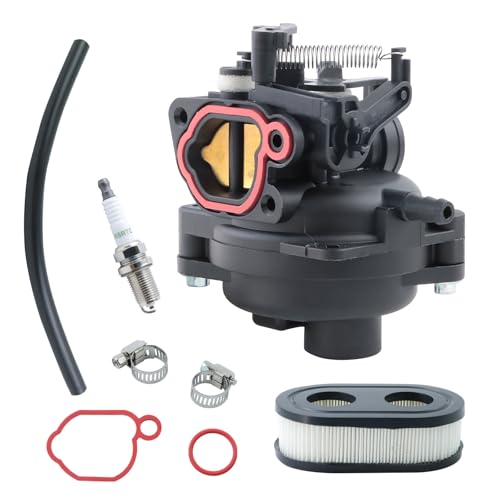
The KIKITE 799584 carburetor replacement is a purpose-built tune-up solution for homeowners with push mowers powered by Briggs and Stratton 550EX, 625EX, 675EX, and 725EXi engines. These engines are found on popular walk-behind mowers from Troy-Bilt, Husqvarna, Craftsman, and other brands. If you are dealing with a mower that surges, stalls, or refuses to start after a long season, this carburetor kit can bring it back to life.
This kit is best suited for the DIY homeowner who wants to avoid a costly trip to the repair shop. It is not intended for commercial landscaping crews running mowers eight hours a day, but for the weekend warrior maintaining a typical suburban lawn, it hits the mark. The package includes everything you need: the carburetor itself, two rubber seals, a section of fuel line, two clamps, a new air filter, and a K6RTC spark plug. That means you can perform a complete tune-up in one sitting.
Performance is solid for a replacement carburetor. The unit is made from a zinc alloy casting that resists corrosion from ethanol-blended fuels, and the internal passages are cleanly machined. After a quick installation (remove the old carb, transfer the linkage, bolt on the new one), most users report that the engine starts on the first or second pull, idles smoothly, and cuts grass without the surging that often plagues older carburetors. The included spark plug and air filter are basic but sufficient for a season of normal use.
Build quality is fair for the price. The plastic choke lever feels a bit light compared to an original Briggs part, and some units may require a slight adjustment to the float height if the engine floods on installation. But given the 18-dollar price point, these minor issues are acceptable. The kit is not designed for heavy commercial use, but for the average homeowner who mows once a week, it should last a couple of seasons before needing replacement again.
One realistic drawback is that this is an aftermarket part, so the fit is not always 100% exact on every engine variant. Some mowers with different cylinder head angles or linkage setups may require minor filing or bending to align properly. Also, if your mower has other problems (bad valve seals, worn cylinder), a new carburetor won't fix everything. Overall, the KIKITE 799584 carburetor is a smart buy for DIYers who want to save money and get their lawn mower back in action with minimal fuss. Just be prepared for a bit of tinkering, and you will likely be very satisfied with the result.
Dimensions: 3.93 x 3.34 x 2.55 inches
Product Group: Automotive Parts and Accessories
Part Numbers: 799584, 594057, 594058, 592361, 594529, 84001033
Compatible Engines: Briggs and Stratton 550EX, 625EX, 675EX, 725EXi (140cc, 150cc, 163cc)
Included Components: Carburetor, 2 rubber seals, fuel line, 2 clamps, air filter, K6RTC spark plug
This carburetor kit is ideal for restoring a Briggs and Stratton powered push mower that is experiencing hard starting, rough idle, surging under load, or stalling. It is perfect for DIY homeowners who own Troy-Bilt TB110/TB200, Husqvarna LC121P, or mowers with engine models 09P702, 093J02, 103M02, 103M05, 104M02, 104M05.
Use this kit for seasonal tune-ups or as a quick fix when your mower won't start after winter storage. It is not recommended for rotary engines, weed trimmers, or other small engines that use different carburetor mounting patterns.


The primary tool for this job is a high-quality carburetor cleaner designed for small engines. These aerosol or liquid solvents contain additives that break down varnish and gum while protecting internal components. While the specific brand may vary, the chemical composition should be suitable for gasoline-powered small engines, not automotive or marine applications which may contain harsher ingredients.
| Cleaning Agent | Recommended Use | Key Caution |
|---|---|---|
| Small Engine Carb Cleaner | Primary solvent for jets, bowls, and passages | Ensure it is labeled for small engines |
| Compressed Air | Drying and clearing loose debris from passages | Use low pressure to avoid damaging parts |
| Soft Brush | Scrubbing accessible surfaces and screens | Use non-metallic bristles to prevent scratches |
| Lint-Free Cloth | Wiping down components and removing excess solvent | Avoid cotton fibers that can clog jets |
Before applying any solvent, it is critical to disconnect the fuel line and drain the fuel tank. This prevents fuel from mixing with the cleaning agent and reduces the risk of fire. The carburetor itself should be removed from the engine to allow for thorough cleaning of all internal passages. Working on the engine while it is still connected to the fuel system is unsafe and ineffective.
- Disconnect the fuel line and drain the tank completely
- Remove the carburetor from the engine assembly
- Disassemble the carburetor into its main components
- Soak the parts in the appropriate cleaning solvent
- Use compressed air to clear the main and idle jets
- Inspect the float and needle valve for wear
- Reassemble with new gaskets if necessary
Understanding Carburetor Clogs and Causes
Carburetors clog primarily due to stale fuel. Gasoline contains ethanol and other additives that attract moisture and break down over time, creating a sticky varnish. This varnish coats the internal jets and passages, restricting the flow of fuel and air. When a mower sits unused for several months, this process accelerates, leading to starting difficulties and poor idle.
Another common cause is dirt or debris entering the fuel system. If the fuel filter is clogged or the tank is not sealed properly, particles can travel into the carburetor. These particles can lodge in the small orifices of the carburetor, blocking fuel flow. Regular maintenance of the fuel system, including changing the fuel filter and using fresh fuel, helps prevent this issue.
Wear and tear also contribute to carburetor problems. The float needle and seat can wear over time, causing the float to stick or leak. This can lead to fuel overflow or starvation. Inspecting these components during cleaning is essential. If the needle or seat is damaged, replacing them ensures proper fuel metering and prevents future issues.
Safe Solvent Selection and Application
Selecting the right solvent is crucial for effective cleaning without causing damage. Small engine carburetor cleaners are specifically formulated to be safe for the materials used in lawn mower carburetors. These materials often include rubber, plastic, and aluminum, which can be damaged by harsher automotive solvents. Always read the product label to confirm compatibility with small engines.
Application should be done in a well-ventilated area, away from open flames or sparks. Carburetor cleaners are highly flammable and can release harmful fumes. Wearing safety glasses and gloves is recommended to protect your eyes and skin. Avoid spraying the solvent into the air intake or exhaust ports, as this can introduce debris or cause damage to other engine components.
Soaking the disassembled parts in a shallow dish of cleaner can help loosen stubborn buildup. However, do not soak rubber gaskets or diaphragms for extended periods, as this can cause them to swell or degrade. If the parts are heavily clogged, a soft brush can be used to gently scrub the surfaces. After soaking, rinse the parts with fresh solvent and dry them thoroughly with compressed air.
Disassembly and Inspection Steps
Disassembling the carburetor requires care to avoid losing small parts or damaging delicate components. Start by removing the fuel bowl, which is usually held in place by a screw or bolt. Once the bowl is removed, you can access the float and needle valve. Inspect the float for any signs of damage or fuel leakage. A damaged float should be replaced to ensure proper fuel level control.
The needle valve and seat are critical for regulating fuel flow. Check the needle for any burrs or wear, and inspect the seat for debris or damage. If the needle does not seat properly, it can cause fuel to leak into the carburetor bowl. Replacing the needle and seat as a set is often recommended to ensure a proper seal. This simple step can resolve many fuel-related issues.
Next, remove the main and idle jets. These are small brass or steel components that control the fuel-air mixture. Use a jet tool or a small screwdriver to remove them carefully. Inspect the jets for any blockages or debris. If they are clogged, soak them in cleaner and use a fine wire or compressed air to clear the passages. Never use a sharp object to poke through the jets, as this can alter their size and affect engine performance.
Reassembly and Testing Procedures
Reassembling the carburetor is the reverse of the disassembly process, requiring careful attention to cleanliness and proper sealing techniques.
- Ensure all parts are clean and dry before reassembly to prevent contamination and ensure optimal performance.
- Apply a small amount of carburetor cleaner to the gaskets to help them seal properly during reinstallation.
- Reinstall the float, needle valve, and jets, making sure they are seated correctly in their designated positions.
- Tighten the fuel bowl screw securely, but do not overtighten, as this can crack the bowl or strip the threads.
Once the carburetor is reassembled, reinstall it on the engine. Reconnect the fuel line and ensure all connections are tight. Fill the fuel tank with fresh gasoline and add a fuel stabilizer if you plan to store the mower for an extended period. Start the engine and let it idle for a few minutes. Observe the idle speed and listen for any unusual noises or rough running.
If the engine runs roughly or stalls, check the air filter and spark plug. A clogged air filter or worn spark plug can mimic carburetor issues. Adjust the idle speed screw if necessary, following the manufacturer’s guidelines. If the problem persists, re-inspect the carburetor for any remaining clogs or leaks. Proper reassembly and testing ensure that the carburetor functions correctly and the engine runs smoothly.
Preventing Future Carburetor Issues
Preventing carburetor clogs is easier than fixing them. Always use fresh fuel and add a fuel stabilizer before storing the mower for the season. This prevents the fuel from breaking down and forming varnish. Run the engine for a few minutes after adding stabilizer to ensure it circulates through the fuel system and into the carburetor.
Regularly check and clean the air filter. A dirty air filter can cause the engine to run rich, leading to carbon buildup in the carburetor and exhaust system. Replace the air filter as recommended by the manufacturer. Also, inspect the fuel filter and replace it if it is clogged or damaged. A clean fuel system ensures that only clean fuel reaches the carburetor.
Store the mower in a dry, cool place to prevent moisture from entering the fuel system. Moisture can cause corrosion and clog the carburetor passages. If the mower will not be used for an extended period, consider draining the fuel tank and running the engine until it stops. This removes any remaining fuel from the system and reduces the risk of clogs. Following these preventive measures can extend the life of your carburetor and ensure reliable engine performance.
If you are looking for a reliable mower that is easy to maintain, our guide on mowers for easy yard care highlights models with user-friendly features. Proper carburetor care is a key part of maintaining any gas-powered mower, ensuring it starts easily and runs efficiently season after season.


Write Your Review
No reviews yet. Be the first to share your experience!