


Most consumer snow blowers are designed to move loose snow, not to shatter solid ice. While the rotating auger can chip away at thin frost or snow-ice crusts, forcing the machine against thick, ground-level ice can damage the auger, strain the motor, or cause the unit to stall. The do snow blowers break up ice question is critical for winter preparation, as understanding the mechanical limits of your equipment prevents costly repairs and ensures safety on slippery surfaces.
Instead of relying on the blower to act as a hammer, effective winter maintenance involves using the tool for its intended purpose: clearing deep, loose snow before it compacts. For icy patches, manual scraping with a dedicated tool or applying de-icing agents is often more effective and safer.
This article explores the mechanical realities of snow blowers, the specific conditions under which they can handle light ice, and the best practices for maintaining your driveway without damaging your investment or risking injury. By distinguishing between snow and ice, you can optimize your workflow and protect both your property and your equipment.



Pros
- Generous 22-inch path clears two-car driveways and long sidewalks quickly
- Lightweight 34.8-pound frame is easy to steer, push, and carry across steps
- Rubber-tipped auger paddles clear down to the surface without scratching paved drives or decks
- Dual LED headlights provide strong visibility for pre-dawn or after-work clearing sessions
Cons
- Requires managing a cold-weather outdoor extension cord while clearing
- Not suitable for gravel driveways or unpaved dirt surfaces because the auger touches the ground
- Can struggle with heavily compacted icy snowdrifts left behind by municipal snowplows
The Snow Joe SJ627E is a corded electric snow blower designed for suburban homeowners, townhome residents, and budget-conscious property owners who need dependable winter clearing without gas-engine upkeep. Managing seasonal yard cleanup and clearing paths after overnight snowstorms often demands heavy physical labor, but this electric model bypasses the strain of lifting manual shovels. With an instant push-button start, it offers a practical alternative for elderly users or first-time power equipment owners who want to avoid stale fuel, oil changes, and stubborn pull cords in freezing temperatures.
Equipped with a robust 15-amp electric motor, this unit can move up to 840 pounds of snow per minute. The clearing housing provides a 22-inch clearing width paired with a 13-inch intake depth, making it well-suited for typical four to eight inch snowfalls on flat, paved surfaces. A quick-turn crank controls the discharge chute through a full 180-degree arc, allowing operators to throw snow up to 25 feet in any chosen direction. Whether directing flakes away from flower beds or tossing accumulation onto the lawn beside a two-car driveway, the chute controls operate smoothly from behind the handle.
Auger construction plays a critical role in both clearing efficiency and surface preservation. Unlike bare metal impellers that can gouge decorative pavers or scrape asphalt, the SJ627E uses an all-steel auger outfitted with four durable rubber-tipped blades. This design allows the machine to pull itself into fresh powder and clear right down to the ground level without damaging concrete sidewalks, patio stones, or treated wood decks. However, because the rubber paddles touch the surface directly, this unit is engineered exclusively for smooth, paved surfaces and should not be used on loose gravel driveways or uneven dirt tracks.
Maneuverability stands out as one of the primary benefits of this walk-behind snow thrower. At roughly 35 pounds, it is significantly lighter than two-stage gas snow blowers, which often weigh well over 150 pounds. Compact rear wheels provide steady tracking across flat terrain, enabling operators to pivot quickly around parked vehicles, entry steps, and narrow patio gates. Dual front LED headlights deliver useful illumination for pre-dawn clearing before the morning commute or late evening touch-ups before overnight freezing sets in.
Routine maintenance and storage are straightforward since there are no carburetors to drain, spark plugs to gap, or fuel filters to replace at the end of the winter season. After clearing, simply wipe down the housing, inspect the auger paddles, and fold the handle over the deck for compact off-season storage along a garage wall or utility shed shelf. The main operational trade-off is the need for a cold-weather extension cord, which requires careful routing to prevent tangles. For homeowners managing moderate suburban driveways, walkways, and patios, the Snow Joe SJ627E offers a balance of clearing width, lightweight agility, and reliable electric power.
Based on product specifications and user feedback, the 15-amp motor produces consistent throwing power across light to moderate powder. The 22-inch mouth width matches the size of many entry-level gas machines, meaning you can clear an average two-car driveway in only four to six passes. Its 13-inch intake height takes on standard suburban snowfalls comfortably, tossing snow well clear of walkways without bogging down.
When handling heavy, slushy snow, pacing becomes key. Walking at a steady, measured rate helps the motor maintain full auger speed to keep the discharge chute clear. While it easily handles fluffy overnight accumulation, very dense snow berms left at the end of the driveway by street plows may require shaving off smaller slices to prevent motor stall.
Unlike gas snow equipment that requires stabilizer, oil changes, and off-season carburetor draining, this corded unit demands virtually zero mechanical maintenance. Once the winter season wraps up, wiping away road salt residue and checking the rubber auger tips for wear is all that is typically required to keep it ready for the next snowfall.
Weighing under 35 pounds, the unit is light enough to hang on sturdy garage hooks or tuck onto a low storage shelf. The collapsible handle system folds down over the motor housing, reducing the overall height and footprint so it takes up minimal space alongside summer lawn mowers and garden tools.

Pros
- Lightweight and easy to handle, ideal for users who struggle with heavy gas-powered machines
- No gas, oil, or cords needed; simple push-button start and immediate operation
- Battery system is part of the Snow Joe IONMAX ecosystem, expandable with additional tools
- Quiet operation and zero emissions, friendly for neighborhoods and environmentally conscious users
Cons
- Limited runtime around 20 minutes in heavy snow; extra batteries strongly recommended for larger areas
- Plastic construction feels less durable than metal augers and housings, leading to potential breakage with rocks or ice
- Some units experience intermittent shutdowns during use, requiring restart and reducing flow
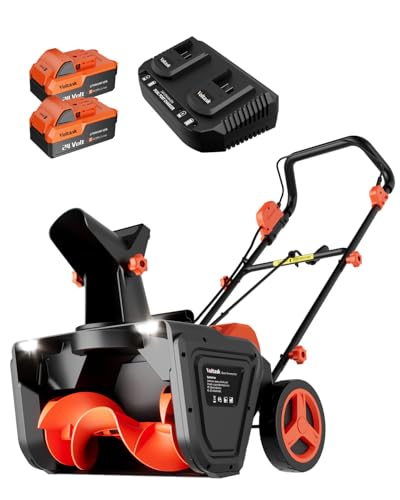
The Snow Joe 24V-X2-SB18-GO is a cordless battery-powered snow blower that combines dual 24-volt IONMAX batteries to deliver 48-volt performance. It targets homeowners and DIYers looking for a lightweight, gas-free alternative to clear light to moderate snowfall on driveways, walkways, and patios. Unlike heavy gas units, this blower pushes easily and stores compactly, making it an attractive option for those who want convenience without sacrificing capability.
In real-world use, the 18-inch clearing width and 10-inch depth handle most residential snow events effectively. The brushless motor provides strong torque for its size, pushing through wet snow better than expected. However, the included 4.0Ah batteries yield about 20 minutes of runtime in heavier conditions, so larger properties will need spare batteries to finish the job. The adjustable chute rotates a full 180 degrees and throws snow up to 20 feet, letting you direct snow away from cleared paths. The built-in 2-watt LED headlight is a nice touch for early morning or evening clearing sessions.
Build quality is a mixed bag. The plastic auger and chassis keep weight under 30 pounds, which is a major plus for maneuverability and storage, but the plastic construction raises durability concerns. Several users report that the bottom scraper bar catches on uneven pavement, and the auger can be damaged by hidden rocks or hard-packed ice. Replacement parts for this model are not widely available, which is a drawback for long-term ownership. Assembly is straightforward, typically taking 15 minutes or less.
The main limitations are runtime and occasional reliability. The blower may shut off intermittently during heavy loads, requiring a restart sequence that can be frustrating. Throw distance also drops significantly with wet or heavy snow, often reducing to 3-5 feet instead of the advertised 20 feet. These issues, combined with the plastic build, mean this unit is best suited for light-duty use on paved surfaces with predictable snow depths.
Overall, the Snow Joe 24V-X2-SB18-GO is a competent choice for budget-conscious homeowners who want a cordless, easy-to-store snow blower for typical suburban snowfalls. If your winters involve heavy, wet snow or you have a large driveway, consider investing in extra batteries or stepping up to a more robust model. For small to medium areas and occasional use, this blower offers solid value and hassle-free operation.
Brand: Snow Joe
Model: 24V-X2-SB18-GO
Power Source: 48V (2 x 24V lithium-ion batteries)
Clearing Width: 18 inches
Clearing Depth: 10 inches
Motor: 750W brushless
Chute Rotation: 180 degrees
Throw Distance: Up to 20 feet
Headlight: 2W LED
Weight: 37.5 lbs (with batteries)
Dimensions: 24 x 19.5 x 21.5 inches
Included: 2 x 4.0Ah batteries, dual-port rapid charger
The kit comes with two 24V 4.0Ah IONMAX lithium-ion batteries and a dual-port rapid charger. This allows you to start clearing snow immediately after a full charge. Each battery charges in under two hours. The blower is pre-assembled aside from attaching the chute and handle, which take about 15 minutes. No additional tools or accessories are required for operation.
The short answer is that snow blowers are not ice breakers. The auger is designed to cut through snow, not to crush hard frozen water. When the blades encounter solid ice, the resistance can cause the drive belt to slip, the motor to overheat, or the auger shaft to bend. In single-stage blowers, the rubber-tipped blades are meant to be gentle on driveways, which makes them even less capable of handling ice. Forcing the machine against ice is a common cause of premature wear and failure.
| Condition | Snow Blower Capability | Risk Level |
|---|---|---|
| Loose Snow | High (Primary Function) | Low |
| Wet/Packed Snow | Moderate (Requires Power) | Medium |
| Thin Frost Layer | Low (May Chip) | Medium |
| Solid Ice | None (Do Not Attempt) | High |
Understanding the difference between snow density and ice hardness is key. Snow is a collection of ice crystals with air pockets, making it compressible and cuttable. Ice is a solid block of water, requiring significantly more force to break. A snow blower’s motor is calibrated for the resistance of snow, not the rigidity of ice. Attempting to clear ice with a blower is like trying to cut a brick with a pizza cutter; the tool will fail, and the result will be ineffective.
Before you start clearing, assess the surface. If the ground is wet and the temperature is near freezing, snow can turn to ice quickly. In these conditions, a blower may struggle even with normal snow. If you see a clear, hard surface, stop using the blower and switch to manual tools or de-icing chemicals. This simple check can save you hours of frustration and potential damage to your equipment.
- Check the ground surface for hardness before engaging the auger
- Stop immediately if the machine stalls or vibrates excessively
- Use a manual scraper for any visible ice patches
- Apply de-icer to ice areas before attempting to clear
- Never force the blower against a hard, frozen surface
How Auger Design Affects Ice Handling
The design of the auger is the primary factor in how a blower interacts with ice. Most residential units use a single-stage or two-stage design. Single-stage blowers have an auger that both cuts the snow and throws it out the chute. These often have rubber-tipped blades to protect concrete and asphalt.
These tips are soft and will simply slide over ice or wear down quickly if forced. Two-stage blowers use a separate impeller to throw the snow, allowing for more powerful cutting, but they are still not designed to crush ice. The steel blades in two-stage units are stronger, but they are not hardened steel intended for rock or ice breaking.
When a steel auger hits ice, the impact can cause the blades to dull or chip, reducing the cutting efficiency of the blower over time.
- In severe cases, the auger shaft can bend, requiring professional repair or replacement to restore functionality.
- The cost of repairing a bent auger often exceeds the cost of hiring a professional to clear a driveway with a snow plow.
- Using a dedicated ice scraper is also cheaper, so treating the blower as a snow mover, not an ice breaker, is the most cost-effective approach.
Some users report that their blowers can handle “light ice” or “frost.” This is usually a misinterpretation of the material. What feels like ice is often a thin layer of packed snow that has frozen slightly. This layer can be broken by the auger, but it is not true solid ice. True solid ice, formed by rain-on-snow or prolonged freezing, is too hard for any residential snow blower to break effectively. Distinguishing between these two conditions is essential for protecting your equipment and ensuring a safe clearing process.
Safety Risks of Forcing a Blower on Ice
Forcing a snow blower against ice creates several safety hazards. The primary risk is loss of control. When the auger hits a hard object, the machine can jerk or kick back, throwing the operator off balance. This is particularly dangerous on icy surfaces where traction is already reduced. A sudden lurch can cause the operator to fall, resulting in injury or damage to the machine. Always maintain a firm grip on the handles and keep your feet planted on stable ground.
Another risk is debris projection. When the auger strikes ice or other hard objects, fragments can be ejected at high speed. These fragments can hit the operator, bystanders, or nearby windows. Always wear eye protection when operating a snow blower, especially in conditions where the surface is uncertain. Hearing protection is also recommended, as the noise level of a blower can be high, and the sound of the machine struggling against ice can be louder than normal operation.
Electrical and mechanical failures are also a concern. In electric blowers, the sudden increase in resistance can trip the circuit breaker or damage the motor. In gas blowers, the engine can stall or backfire. Both scenarios require immediate attention and can lead to costly repairs. If you notice the machine struggling, stop immediately and clear the ice manually. Do not attempt to restart the machine until the obstruction is removed. This proactive approach prevents minor issues from becoming major repairs.
Effective Alternatives for Icy Surfaces
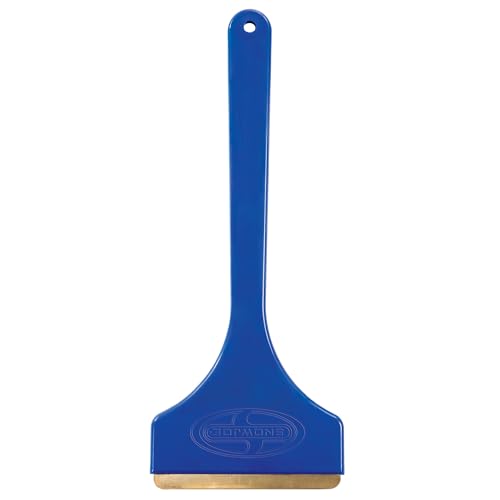
When you encounter ice, the best tool is often a manual ice scraper. A sturdy scraper with a wide blade can effectively remove thin layers of ice from driveways and walkways. These tools are inexpensive, lightweight, and designed specifically for ice removal. They do not have moving parts that can be damaged by ice, making them a safe and reliable option for small areas. For larger areas, a snow shovel with a wide, flat blade can be used to scrape ice, though this is more labor-intensive.
De-icing chemicals are another effective alternative. Salt, calcium chloride, or magnesium chloride can be applied to icy surfaces to lower the freezing point of water. This causes the ice to melt, making it easier to remove with a broom or shovel. De-icers are particularly useful for walkways and stairs, where safety is a priority. However, they should be used sparingly to avoid damaging concrete, landscaping, or the environment. Always follow the manufacturer’s instructions for application rates and safety precautions.
For severe ice conditions, a dedicated ice breaker or a snow plow with a heavy-duty blade may be necessary. These tools are designed to handle the high forces required to break and move ice. They are typically used by professionals or for large commercial properties. For residential use, a combination of manual scraping and de-icing chemicals is usually sufficient. If you have a large driveway with significant ice buildup, consider hiring a professional service to clear it safely and efficiently.
Maintaining Your Blower for Winter Performance
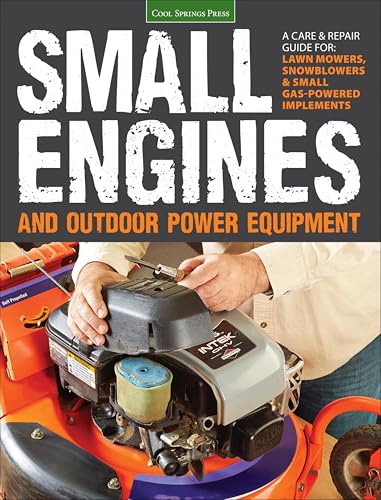
Proper maintenance is essential for keeping your snow blower in good working order throughout the winter season. Regularly check the air filter, spark plug, and fuel system to ensure the engine is running smoothly. A well-maintained blower is more efficient and less likely to stall or overheat. For electric blowers, keep the battery charged and the charging port clean. Store the battery in a cool, dry place to maintain its capacity.
After each use, clean the auger and chute to remove any remaining snow or ice. Moisture can cause rust and corrosion, especially in the metal components. Apply a light coat of oil to the auger blades to prevent rust during storage. Check the drive belt for wear and tension, and replace it if necessary. A worn belt can slip under load, reducing the blower’s effectiveness. By performing these simple maintenance tasks, you can extend the life of your blower and ensure it is ready for the next snowfall.
Storing your blower correctly is also important. Keep it in a dry, protected area to prevent moisture damage. Disconnect the battery or drain the fuel tank if you are storing the blower for an extended period. Use a fuel stabilizer to prevent gum and varnish from forming in the carburetor. These steps will help ensure that your blower starts easily and runs smoothly when you need it. A well-stored blower is a reliable tool for winter maintenance, ready to handle the snow that comes your way.
Choosing the Right Tool for the Job
Selecting the right snow blower for your needs depends on the size of your property and the typical snowfall you receive. For small driveways and walkways, a single-stage electric blower is often sufficient. These units are lightweight, easy to maneuver, and quiet. For larger areas or heavier snowfall, a two-stage gas blower may be more appropriate. These units have more power and can handle deeper snow and wider clearing paths. Consider the noise level, weight, and ease of use when making your choice.
If you live in an area with frequent ice formation, a blower with a robust auger and strong motor may be beneficial. However, remember that even the most powerful blower is not designed to break ice. Pair your blower with a manual ice scraper and de-icing chemicals to handle all conditions. This combination ensures that you can clear your driveway safely and efficiently, regardless of the weather. By choosing the right tools and using them correctly, you can keep your property safe and accessible throughout the winter season.
Ultimately, the goal is to protect your investment and ensure your safety. By understanding the limitations of your snow blower and using the appropriate tools for each condition, you can avoid damage and injury. Whether you are clearing a light dusting of snow or a heavy, icy storm, the right approach makes all the difference. Stay prepared, stay safe, and keep your driveway clear with the right tools and techniques.
If you are looking for additional information on maintaining your winter equipment, our guide on snow blower air filters provides practical tips on keeping your machine running smoothly. Proper filtration is a small step that can prevent large problems, ensuring your blower is ready when the next snowfall arrives.



Write Your Review
No reviews yet. Be the first to share your experience!