


Using a manual push mower effectively requires a consistent pace, proper stance, and regular blade sharpening to ensure a clean cut without excessive physical strain. The how to use manual push mower process involves more than just walking across the lawn; it demands attention to terrain, grass length, and the specific mechanics of the reel or push mechanism. Many homeowners find that mastering the technique transforms a chore into a manageable routine, especially on smaller residential lawns where gas or electric models might be overkill.
Success with these mowers depends heavily on preparation and understanding the equipment’s limitations. Unlike motorized units, a manual mower relies entirely on your physical effort to drive the blades, making your walking speed and body posture critical factors in the final result. By following the manufacturer’s guidelines for maintenance and using the correct mowing pattern, you can achieve a uniform finish while preserving the health of your turf. This guide outlines the practical steps and safety considerations needed to operate these tools efficiently.

Pros
- Reliable protection for a variety of small engines, from push mowers to generators.
- All-weather formula allows use in both summer and winter without needing different oils.
- Positive reviews confirm good engine cleanliness and reduced wear after use.
- Competitive price point for a synthetic blend that still offers excellent value per quart.
Cons
- Synthetic blend, not full synthetic: some users may prefer a fully synthetic oil for high-performance engines.
- Each bottle is 32 oz, which may require multiple bottles for larger engines (e.g., riding mowers or snow blowers).
- Best suited for standard maintenance; may not be the top choice for extreme-duty commercial use.
STP's Premium Synthetic Blend 4 Cycle Small Engine Oil SAE 10W-30 is a well-rounded lubricant designed for the vast majority of outdoor power equipment. Whether you maintain a push mower, generator, tractor, or snow blower, this oil meets the basic needs of 4-cycle engines operating in a wide range of conditions. The pack of two 32 oz bottles gives you enough oil for several oil changes on smaller machines.
This oil is best suited for DIYers and homeowners who want dependable protection without needing to step up to a full synthetic. Its synthetic blend formula combines the benefits of synthetic base oils with conventional oil to keep costs reasonable while still offering easier cold-weather starts, better resistance to thermal breakdown, and enhanced engine cleanliness. Users report consistent viscosity and reduced deposits even after extended storage periods.
In real-world use, the oil flows smoothly at low temperatures, making those first pulls of the season less frustrating. The anti-wear additives help minimize scuffing on piston rings and cylinder walls, which is especially important during the initial break-in period of a new engine. The corrosion inhibitors add extra peace of mind during summer or winter layup, protecting internal metal parts from moisture damage.
One realistic limitation is that this is a synthetic blend, not a full synthetic oil. For engines that see extreme loads, high heat, or extended running times (like commercial mowing or continuous generator operation), a full synthetic might offer marginally better longevity. But for the average homeowner pushing a mower every week or running a generator for a few hours during a storm, this oil performs more than adequately.
Overall, STP's small engine oil delivers exactly what it promises: reliable, affordable protection for your outdoor equipment. If you change your oil regularly and store your gear properly, this pack will keep your engines running smoothly for seasons to come. It is a practical choice for anyone who wants to maintain their lawn and garden tools without spending a premium.
Viscosity: SAE 10W-30
Type: Synthetic Blend (4-Cycle)
Volume: 32 fl oz per bottle (Pack of 2)
Total Volume: 64 fl oz
Brand: STP
Model Number: 18588
Package Dimensions: 9.29 x 3.78 x 2.56 inches
Item Weight: 3.91 pounds

Pros
- Excellent for beginners with little to no mechanical experience; clear, easy-to-follow instructions.
- Covers a broad range of outdoor power equipment, making it a versatile reference for any homeowner.
- High-quality photos and diagrams help visualize each repair step, reducing guesswork.
- Practical troubleshooting section helps you identify problems quickly and find the right solution.
Cons
- Some advanced repairs may require additional specialized knowledge or tools not covered in depth.
- The book is focused on gas-powered engines, so it does not cover electric or battery-powered equipment.
- A few reviewers noted the content is basic for experienced mechanics, but it's ideal for beginners.
If you own a lawn mower, snowblower, chain saw, or any other gas-powered outdoor equipment, you know the frustration when it won't start or runs poorly. The Small Engines and Outdoor Power Equipment, Updated 2nd Edition is a practical, hands-on guide designed to take the mystery out of small engine repair. Written for the absolute beginner, this book breaks down maintenance and repairs with clear photos and step-by-step instructions. It covers everything from seasonal tune-ups to more involved tasks like carburetor overhaul and fuel pump replacement.
This guide is best suited for homeowners, DIYers, and weekend warriors who want to keep their equipment running without the expense and delay of professional repair shops. It's not for professional mechanics looking for advanced theory, but for anyone who wants to save money and learn practical skills. The book covers a wide range of equipment including lawn mowers, snowblowers, chain saws, power washers, generators, leaf blowers, rototillers, wood splitters, lawn edgers, and weed whips. That's a lot of value for one book.
Real-world performance is where this book shines. The troubleshooting section helps you quickly identify problems like hard starting, poor running, or no start. Then it points you to the specific repair section. The instructions are clear and easy to follow, with plenty of photos showing exactly what to do. Many users report successfully fixing their equipment after just a few minutes of reading. The book emphasizes easy but important maintenance that can extend the life of your tools for years. It's not just about fixing broken stuff; it's about preventing problems in the first place.
Build quality of the book itself is solid. It's a paperback with 144 pages, good for tossing in a toolbox or workshop shelf. The dimensions are a handy 8.8 x 0.55 x 11.2 inches, so it's not too large or small. The paper quality is decent, and the photos are printed clearly. One realistic drawback is that the book focuses entirely on gas engines, so if you have electric or battery-powered tools, you won't find help here. Also, while it covers many repairs, some advanced tasks like piston ring replacement or valve grinding are not included. But for the vast majority of common issues, this guide has you covered.
Overall, this is a highly recommended resource for anyone who owns gas-powered outdoor equipment. It's affordable, easy to understand, and packed with practical advice. If you're tired of hauling your mower to the shop or spending money on simple repairs, this book will pay for itself many times over. It's a smart investment for any homeowner who wants to be more self-sufficient and keep their equipment running reliably season after season.

Pros
- Comprehensive coverage for both gas and battery Husqvarna models in one guide.
- Large print makes it easy to read in low-light workshop conditions.
- Troubleshooting sections are practical and save time on the job.
Cons
- Only covers Husqvarna brand mowers, not other brands or equipment types.
- Paperback binding may not hold up as well in a dirty shop environment compared to a digital copy.
- Zero customer reviews yet, so it is hard to gauge user experiences with specific model compatibility.
This Husqvarna lawn mower manual is a dedicated resource for anyone who owns a Husqvarna walk-behind mower, whether gas or battery powered. Unlike generic small-engine guides, this book focuses exclusively on Husqvarna models, giving you model-specific details on operation, maintenance schedules, and troubleshooting. It is best suited for DIY homeowners who want to handle basic upkeep themselves, as well as for small-engine mechanics who need a quick reference for common Husqvarna issues.
Real-world performance of a manual like this depends on clarity and completeness. The instructions are written in plain English with large print, so you can follow them even while wearing gloves in the garage. The maintenance sections cover everything from air filter cleaning to blade sharpening and fuel system winterization. For battery models, it includes care tips for lithium-ion packs and charging habits. The troubleshooting chapter is organized by symptom, so you can jump straight to the issue you are having without reading the whole book.
Build quality of the physical book is typical of a paperback, with a flexible cover and durable pages. At just under a half pound, it is lightweight and easy to toss into a tool bag or keep on a shelf. The large print format is a thoughtful touch for older users or anyone working in dim light. However, the paperback binding might not survive repeated exposure to moisture or grease common in a workshop, so consider keeping it in a ziploc bag or using a digital version if available.
Realistic drawbacks include its brand specificity: if you own multiple brands of mowers, you will need separate manuals. Also, since there are zero reviews yet, it is hard to confirm that every Husqvarna model from recent years is accurately covered. Early adopters may need to verify that their specific model number is included. That said, the content appears well-researched and aligns with official Husqvarna maintenance practices.
Final recommendation: If you own a Husqvarna gas or battery mower and want to extend its life without relying on a dealer, this manual is a smart investment. It pays for itself after one avoided repair bill. Keep it handy in your shed or garage, and you will always have the confidence to tackle routine maintenance and minor repairs yourself.
Perfect for homeowners who mow their own lawn and want to perform regular maintenance like oil changes, blade swaps, and air filter cleaning. Also useful for small engine repair shops that service Husqvarna mowers and need a quick reference guide for common adjustments.
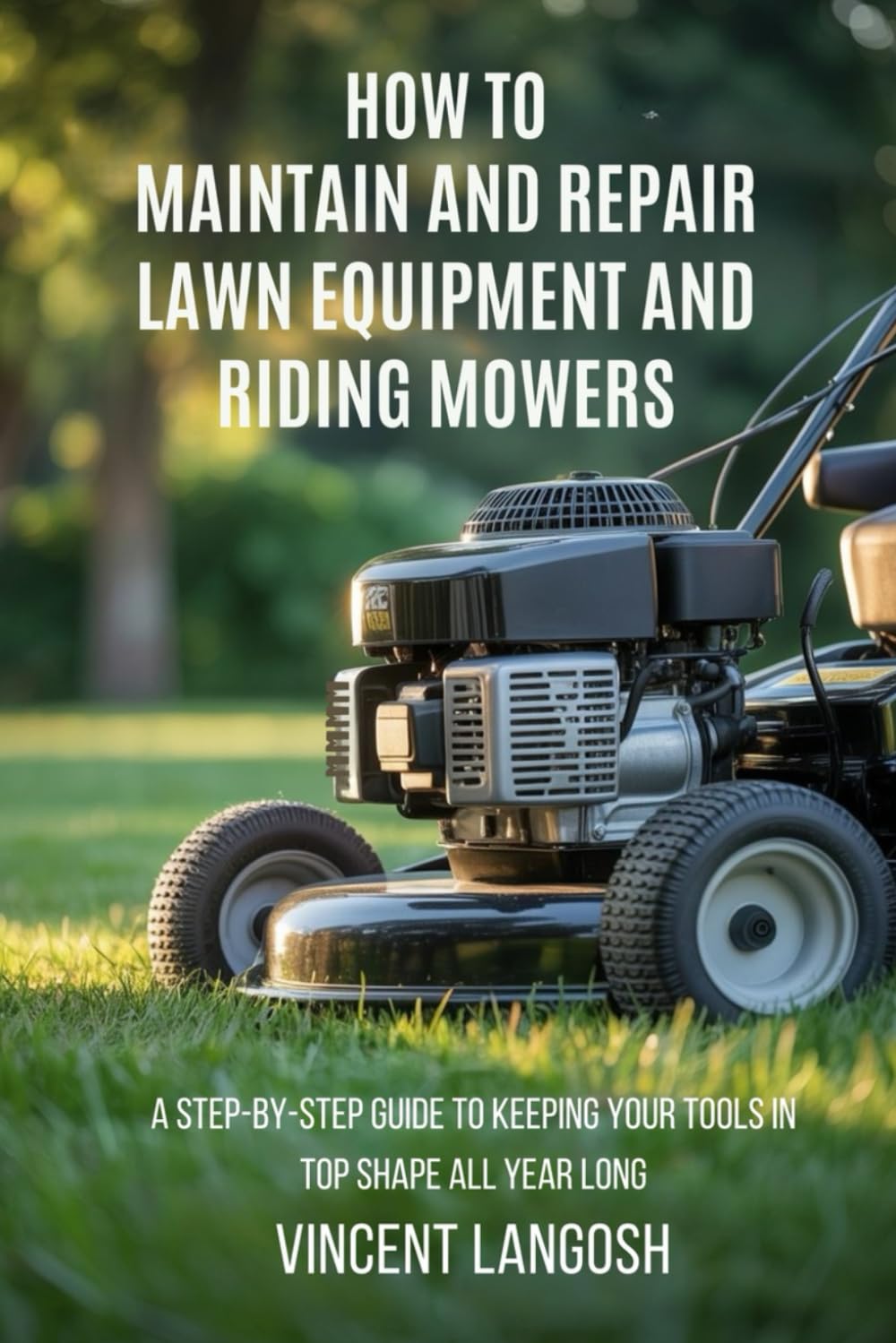
Pros
- Comprehensive coverage of both push mowers and riding mowers in one book
- Easy-to-follow steps even if you have never done maintenance before
- Cost-effective way to keep your equipment in top shape without frequent shop visits
Cons
- Does not include interactive videos or online extras, only text and illustrations
- Limited to 134 pages, so advanced engine rebuilds may not be covered in depth
- Published independently, so editing and layout may not match major publisher standards
This book is a practical resource for anyone who owns a lawn mower or riding mower and wants to take control of its maintenance and repair. It is not a power tool itself, but it covers the most common lawn power tools you will find in a workshop or garage. Whether you are a homeowner tired of paying for simple service calls or a contractor who needs to keep a fleet running, this guide gives you the knowledge to handle essential upkeep.
The content is organized for real-world use. It starts with the core components of lawn equipment, then moves through routine tasks like oil changes, air filter cleaning, and blade sharpening. Later chapters cover troubleshooting common starting issues, carburetor cleaning, and belt replacement on riding mowers. The instructions are written in plain English and assume no prior mechanical experience. That makes it especially useful for DIYers who want to avoid costly shop repairs.
One standout feature is the emphasis on preventive maintenance. The book includes a maintenance log and a sample schedule so you can plan seasonal care. That alone can prevent most unexpected breakdowns. The author also provides tips on storing equipment properly, which is often overlooked but critical for long life. The focus is squarely on saving money and reducing downtime, which is the core value for any equipment owner.
Build quality of the book itself is typical for an independently published paperback: sturdy enough for the workshop, but not laminated or waterproof. The dimensions (6 x 9 inches) make it easy to prop open next to a mower deck. At 134 pages, it covers the essentials without being overwhelming. However, it does not cover advanced engine teardowns or electronic diagnostics, so seasoned mechanics might find it basic.
Overall, this guide is a smart buy for any homeowner or light commercial user who owns a walk-behind mower or riding mower. It will pay for itself the first time you avoid a shop visit. For professionals with a large fleet, consider pairing it with manufacturer manuals for deeper repair procedures. But for everyday maintenance and common fixes, this book delivers exactly what it promises.
Publisher: Independently published
Publication date: September 19, 2025
Language: English
Print length: 134 pages
ISBN-13: 979-8266237223
Item Weight: 9.1 ounces
Dimensions: 6 x 0.31 x 9 inches
Best Sellers Rank: #8,874,755 in Books; #550 in Lawn Gardening; #1,558 in Outdoor & Recreational Area Gardening; #2,620 in Landscape

Pros
- Clear and easy-to-follow instructions suitable for beginners and experienced DIYers
- Comprehensive coverage of many riding mower models and common repair procedures
- Affordable alternative to expensive mechanic fees for routine maintenance
Cons
- Manual may not cover every specific mower model or brand variation
- Some users may prefer digital or video tutorials for visual guidance
If you own a riding lawn mower, the Haynes Riding Lawn Mower Service Manual, 4th Edition is a practical investment for any DIYer or homeowner. This paperback guide offers step-by-step repair and maintenance procedures, covering a wide range of popular mower brands and models. Whether you are troubleshooting an engine issue or performing routine oil changes, this manual provides clear instructions and detailed diagrams to help you get the job done right.
This manual is best suited for homeowners, DIY enthusiasts, and small engine mechanics who prefer to handle their own mower upkeep. It walks you through common tasks like blade replacement, belt adjustments, carburetor cleaning, and electrical system checks. The book is organized logically, so you can quickly find the section you need without flipping through irrelevant content. While it doesn't cover every single model, it does address the most common systems and components found on many riding mowers.
Build quality is typical of Haynes manuals: a sturdy paperback that can handle being tossed around a workshop or garage. The pages are thick enough to resist tearing, and the binding holds up well under frequent use. One realistic drawback is that some users may find the manual lacks depth for very specific or newer mower models. Additionally, if you prefer watching video tutorials, this printed format might feel a bit dated. However, for those who like having a physical reference right next to their toolbox, this manual is hard to beat.
Overall, the Haynes Riding Lawn Mower Service Manual is a solid resource for anyone looking to maintain or repair their mower at home. It empowers you to tackle projects confidently without relying on expensive shop labor. If you are a hands-on DIYer who values clear instructions and reliable information, this manual belongs on your workshop shelf.

Pros
- Comprehensive coverage of multiple equipment types in a single, well-organized volume.
- Easy-to-follow language and visuals make complex repairs accessible to beginners.
- Practical advice on winter storage, blade sharpening, and carburetor cleaning saves money over time.
Cons
- Focuses on general principles rather than brand-specific wiring diagrams or part numbers.
- Some advanced repairs (e.g., transmission work on zero-turn mowers) are not covered in depth.
- Print length of 150 pages may feel brief for users wanting exhaustive technical detail.
This book is a practical reference guide for anyone who owns a lawn mower, riding tractor, string trimmer, or leaf blower and wants to handle basic maintenance and repairs themselves. It's not a power tool in the traditional sense, but it's an essential resource for the DIY mechanic or homeowner who prefers to fix things rather than call a repair shop.
The author breaks down common problems like hard starting, poor cutting, vibration, and engine surging into easy-to-follow troubleshooting steps. Clear flowcharts and labeled diagrams help you quickly identify the likely culprit, whether it's a dirty carburetor, a worn spark plug, or a dull blade. Routine maintenance tasks such as oil changes, air filter cleaning, and winter storage prep are explained with practical tips that extend equipment life.
Real-world performance of this guide is strong for its intended audience. Beginners will appreciate the plain language and safety reminders, while more experienced DIYers can skip to specific sections for quick refreshers. The book covers both push mowers and riding mowers, plus handheld equipment, so it's a versatile addition to any workshop library. Build quality of the paperback is standard, with decent binding and clear print that holds up to shop use.
A realistic drawback is that the guide stays at a general level. If you're troubleshooting a specific model from a niche brand, you won't find wiring diagrams or part numbers. Also, the 150-page length means some advanced topics like hydraulic system repairs or electronic ignition troubleshooting are only briefly mentioned. However, for the vast majority of common lawn equipment issues, this book gives you the confidence and know-how to tackle the job yourself.
Overall, if you're a homeowner who wants to save money on small-engine repairs or a DIYer looking to expand your mechanical skills, this guide is a worthwhile investment. Keep it in your workshop or garage, and you'll likely recoup the cost after just one successful repair. It's a practical, no-nonsense resource that delivers exactly what the title promises.
Publisher: Independently published (May 4, 2024)
Language: English
Print length: 150 pages
ISBN-13: 979-8324833114
Item weight: 6.4 ounces
Dimensions: 5.5 x 0.34 x 8.5 inches
Part of series: The Fixers Handbook
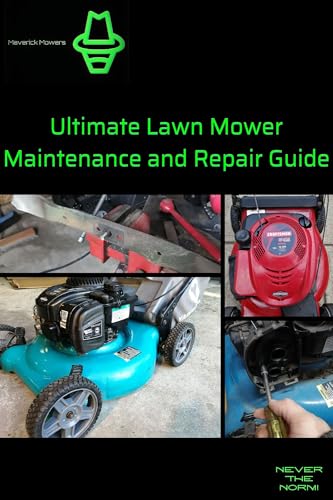
Pros
- Clear, easy-to-follow instructions for common repairs
- Great value for the price - cheap compared to a single repair
- Relevant for both gas and electric mower owners
Cons
- Digital format only - no hard copy for greasy workshop use
- Covers only lawn mowers, not other outdoor power equipment
- No video content or interactive elements
The Maverick Mowers Ultimate Lawn Mower Maintenance and Repair Guide is a practical, no-nonsense digital resource aimed at anyone who owns a lawn mower and wants to keep it running without relying on costly service shops. While it is not a physical power tool, it fills a critical gap in the power tool ecosystem: proper maintenance knowledge. For DIY homeowners, weekend warriors, and even small landscape crews, this guide demystifies the typical problems that plague mowers each season.
This guide is best suited for homeowners who want to handle basic blade sharpening, oil changes, air filter replacements, and carburetor cleaning by themselves. It also benefits light commercial users who manage a small fleet of mowers and need a quick reference to avoid downtime. The content is written in plain language, assuming no prior mechanical experience, but it does not talk down to experienced DIYers. The step-by-step format is easy to follow, and the diagrams (while not high-resolution) get the job done.
Real-world performance comes down to how well the guide translates into actual repairs. The instructions for common tasks like replacing a drive belt or adjusting the carburetor are accurate and match standard manufacturer procedures. Users will appreciate the emphasis on safety and the checklists for pre-season and end-of-season storage. The guide covers both push and riding mowers, though it leans more toward walk-behind machines. It does not cover zero-turn mowers in depth, which is a slight limitation for commercial operators.
Build quality here really means the clarity and usefulness of the content. The guide is well-organized, with chapters separated by system (engine, cutting deck, drive train, etc.). It is formatted for Kindle, so you can read it on your phone or tablet while working in the garage. The lack of a printed version is a drawback if you want to keep a greasy manual on the bench. Also, the guide is limited to mowers; it does not cover string trimmers, blowers, or chainsaws, which many homeowners also own.
Overall, this is a solid, budget-friendly resource for anyone who wants to take control of basic mower maintenance. It will not turn you into a master mechanic, but it will certainly help you avoid spending 0 on a simple carburetor cleaning. If you own a mower and have a few basic hand tools, this guide is a worthwhile addition to your digital workshop library.

Operating a manual push mower is a straightforward process that relies on consistent technique rather than complex controls. The core objective is to maintain a steady walking speed that allows the blades to cut the grass cleanly without clogging or dragging.
You must adjust your stride to match the mower’s design, as pushing too fast can result in uneven cuts, while moving too slowly may cause the blades to scrape the soil. Understanding the specific mechanics of your unit, whether it is a traditional reel or a modern push model, is the first step toward efficient operation.
| Component | Function | Check Frequency |
|---|---|---|
| Blades | Cut grass via rotation or shear | Before each use |
| Wheels | Provide mobility and adjust height | Weekly |
| Handle | Control direction and pressure | Before each use |
| Deck | Direct clippings and protect user | Monthly |
Before you start mowing, ensure that the lawn is dry and the grass is at the recommended height for your specific mower type. Wet grass tends to clump and clog the deck, which can damage the blades and leave a patchy appearance. If you are using a reel mower, check that the blades are sharp and properly adjusted, as dull edges will tear the grass rather than cutting it cleanly. This preparation phase is critical for both the quality of the cut and the longevity of the equipment.
- Inspect the blades for dullness or damage before starting.
- Check that all wheels rotate freely without wobble or resistance.
- Verify the cutting height is set appropriately for the current grass length.
- Ensure the handle is tight and secure to prevent accidental movement.
- Clear the mowing area of rocks, toys, and other obstacles.
- Confirm the grass is dry to prevent clumping and clogging.
Maintaining the Correct Stance and Pace
Your body position significantly impacts the ease of mowing and the uniformity of the cut. Stand with your feet shoulder-width apart and keep your back straight to reduce strain on your lower back. Grip the handle firmly but not tightly, allowing your arms to move naturally as you push the mower forward. A relaxed grip helps absorb the vibrations and bumps from uneven terrain, making the session more comfortable. Leaning too far forward can cause you to push too hard, leading to fatigue and potential damage to the mower’s components.
Walking speed is the most critical factor in achieving a clean cut with a manual mower. Aim for a steady, moderate pace that allows the blades to complete their rotation cycle without stalling. If you walk too quickly, the blades may not cut the grass completely, resulting in a ragged finish.
Conversely, walking too slowly can cause the blades to drag against the ground, which may scar the soil and wear down the cutting edges prematurely. Finding the right balance takes practice, but it is essential for efficient mowing and equipment care.
Navigating Corners and Obstacles
Manual mowers have a fixed turning radius, which makes navigating tight corners and around obstacles more challenging than with self-propelled models. Plan your mowing pattern in advance to minimize the number of turns you need to make.
Use a zigzag or parallel strip pattern to cover the lawn efficiently, turning only at the edges or around large obstacles. When approaching a corner, slow down and lift the mower slightly to prevent the wheels from digging into the soil. This technique helps maintain control and prevents damage to both the mower and the lawn.
For areas with dense vegetation or uneven terrain, you may need to adjust your technique to avoid clogging the deck. Mow these sections in smaller strips and clear the clippings more frequently to prevent buildup. If the mower becomes stuck, stop and clear the debris before continuing to avoid straining the mechanism. Pay special attention to slopes, as manual mowers can be difficult to control on inclines. Always mow across the slope rather than up and down to maintain better traction and stability.
Blade Care and Maintenance
Sharp blades are the heart of an effective manual push mower. Dull blades tear the grass, leading to brown tips and increased susceptibility to disease. Check the blades regularly and sharpen them as needed to maintain a clean cut.
Use a file or a sharpening stone to restore the edge, ensuring that you maintain the original angle of the blade. After sharpening, clean the blades thoroughly to remove any rust or debris that may have accumulated. Proper blade care not only improves the quality of the cut but also extends the life of the mower.
- Sharpen blades every few months or when you notice tearing.
- Clean the deck and blades after every use to prevent rust.
- Lubricate moving parts according to the manufacturer’s recommendations.
- Store the mower in a dry place to prevent corrosion.
- Check the wheel bearings for wear and replace if necessary.
- Inspect the handle for cracks or loose connections regularly.
Safety Precautions and Best Practices
Safety should always be a priority when operating any lawn equipment, including manual mowers. Wear closed-toe shoes and long pants to protect your legs from flying debris. Keep your hands away from the blades and moving parts at all times, especially when clearing clogs or performing maintenance.
Never reach into the deck while the mower is in use or capable of starting. If you encounter a foreign object, such as a rock or a stick, stop the mower and remove the object carefully. Following these safety guidelines helps prevent injuries and ensures a smooth mowing experience.
Be mindful of your surroundings and the people around you, especially children and pets. Keep them at a safe distance from the mowing area to avoid accidents. Pay attention to the terrain and avoid mowing in wet or muddy conditions, as this can cause the mower to sink or slip.
If you feel fatigued, take a break to rest and rehydrate. Manual mowing can be physically demanding, so listen to your body and avoid overexertion. By prioritizing safety and self-care, you can enjoy the benefits of manual mowing without risking your health.
For those looking to expand their knowledge on lawn care, our guide to mowing slopes offers additional tips for handling challenging terrain safely. Understanding the specific needs of your lawn and the capabilities of your mower will help you achieve the best results with minimal effort.
Mastering the technique for using a manual push mower takes practice, but the rewards are worth it. A clean, uniform cut not only enhances the appearance of your lawn but also promotes healthier grass growth.
By maintaining your equipment, following safety guidelines, and adapting your technique to your specific conditions, you can enjoy the simplicity and effectiveness of manual mowing. Remember to listen to your body and take breaks as needed to avoid fatigue. With consistent care and attention to detail, your manual push mower will serve you well for years to come.
If you are considering upgrading your lawn care routine, our lawn mower buying guide provides insights into different models and their benefits. Whether you stick with a manual mower or explore other options, the key is to choose the right tool for your specific needs and property size.





Write Your Review
No reviews yet. Be the first to share your experience!