


Most modern riding mowers, including the Craftsman zero-turn model, feature fixed ignition timing that is set at the factory and does not require user adjustment. The correct approach for a homeowner is to verify that the engine starts reliably and runs smoothly rather than attempting to change mechanical timing settings. If the mower exhibits hard starting, rough idling, or power loss, the issue typically lies with fuel, air, or electrical components rather than the timing mechanism itself.
Attempting to adjust timing on a modern small engine without proper tools and manufacturer specifications can lead to engine damage or unsafe operation. This guide explains why manual timing adjustment is rarely necessary for contemporary gas-powered riding mowers, how to identify common symptoms that mimic timing issues, and the safe diagnostic steps a user can take.
For specific mechanical procedures, always consult the owner’s manual for your exact model or contact a certified technician. Understanding these distinctions helps prevent unnecessary repairs and ensures your equipment remains safe and efficient for seasonal use.

Pros
- Powerful Kohler engine cuts through thick grass without bogging down
- Zero-turn capability significantly reduces mowing time for large lawns
- Comfortable seat and adjustable controls make long mowing sessions easier
- Sturdy steel frame and deck feel solid and durable
Cons
- Some units may have a front wheel squeal that requires diagnosis
- Blade replacement can be tricky due to a less common blade type
- Occasional reports of units not starting right out of the crate, needing dealer service
The Craftsman 46" zero-turn riding lawn mower is a serious piece of outdoor power equipment designed for homeowners who want to cut mowing time without sacrificing cut quality. Powered by a Kohler 7000 series 22 HP engine and paired with a dual hydrostatic transmission, this mower lets you pivot on a dime and cover ground quickly. It's best suited for owners of 1 to 2 acre lots who want a step up from a standard lawn tractor but don't need a commercial zero-turn.
In real-world use, the Kohler engine starts reliably and maintains consistent blade speed even in damp grass. The 46-inch stamped steel deck gives a clean, even cut, and the optional mulching kit helps return nutrients to the lawn. The twin-cylinder design helps with cold starts, and the Turf Master tires provide good grip on slopes. The high-back seat and three adjustable lap bar positions make it comfortable for longer mowing sessions, though some users note the seat could use more lumbar support.
Build quality is solid overall, with a robust steel frame and a deck that feels well-constructed. However, a few owners have reported a front wheel squeal that may require lubrication or adjustment. Also, the blade type is somewhat unique and can be harder to find replacements for. A small number of units have arrived with starting issues, which may require a quick check of the battery or fuel system. Assembly is straightforward but the crate is large and heavy, so plan for two people to unload it.
Drawbacks are relatively minor for the price point. The mower weighs around 500 pounds, so it's not easy to push if it stalls. The cutting height adjusts up to 4 inches, which is adequate for most lawns but may not suit very tall grass. The 20-inch rear wheels handle bumps okay, but the front casters can leave marks on soft ground. Overall, the Craftsman offers good value for homeowners who want zero-turn efficiency without jumping to a commercial model.
If you have a medium to large lawn and are comfortable with basic assembly and occasional maintenance, this mower is a worthwhile investment. It cuts quickly, rides comfortably, and the Kohler engine should provide years of service. Just be prepared to check for any minor issues right out of the crate and keep an eye on blade availability. For the price, it's a capable machine that will save you time and effort.
Engine: Kohler 7000 Series 22 HP
Deck Width: 46 inches (stamped steel)
Transmission: Dual hydrostatic
Cutting Height Range: 1.5 to 4 inches
Tires: 20x8 Turf Master rear, front casters
Weight: 500 pounds
Dimensions: 80" D x 58" W x 45" H
Assembly Required: Yes
Color: Red/Black
Why Modern Riding Mowers Use Fixed Ignition Timing
Contemporary small engines, such as the Kohler 7000 series found in many Craftsman mowers, are engineered with fixed ignition timing. This means the spark plug fires at a predetermined crankshaft angle that is optimized for performance, fuel efficiency, and emissions compliance. Unlike older engines that might have adjustable distributor points or vacuum advance mechanisms, modern electronic ignition systems do not have user-adjustable timing settings. The engine control module or electronic ignition module manages the spark precisely, making manual adjustment both unnecessary and technically infeasible for most homeowners.
The shift to fixed timing occurred as manufacturers moved from mechanical to electronic ignition systems, which offer greater reliability, easier cold-weather starting, and consistent performance across varying temperatures.
- For a mower like the Craftsman 46-inch zero-turn, the twin-cylinder design and electronic ignition ensure a quick start whether the air is hot or cold.
- Because the timing is fixed, the focus for maintenance shifts from adjustment to inspection of related components that influence engine performance.
- Such related components that influence engine performance include the spark plug, air filter, and fuel system for proper operation.
| Component | Function | User-Adjustable? |
|---|---|---|
| Ignition Timing | Determines when the spark plug fires | No (Fixed) |
| Spark Plug Gap | Controls spark intensity and efficiency | Yes (Check/Reset) |
| Air Filter | Removes debris from intake air | Yes (Clean/Replace) |
| Carburetor Jets | Mix fuel and air for combustion | Technician Only |
Understanding this distinction is critical for any DIY maintenance plan. If you encounter performance issues, do not search for a timing screw or adjustment lever, as these likely do not exist on your model. Instead, focus on the components that are designed for periodic user service. This approach saves time, prevents accidental damage, and ensures that you are addressing the actual cause of any engine irregularities.
Identifying Symptoms That Mimic Timing Problems
Homeowners often mistake general engine performance issues for timing problems because they affect how the mower runs. However, most of these symptoms stem from simpler, more common causes. Recognizing these signs helps you direct your troubleshooting efforts toward the correct components. For example, a mower that cranks but does not start is rarely a timing issue; it is more likely a fuel delivery or spark problem. Similarly, a rough idle or hesitation under load usually points to air or fuel mixture issues rather than ignition timing.
Before assuming a complex mechanical fault, perform a basic inspection of the following areas. These checks are safe, non-invasive, and can resolve many common performance complaints. Keep in mind that the Craftsman zero-turn mower is designed for consistent performance, so deviations from normal operation should be investigated systematically.
- Check fuel freshness, as old gasoline can cause starting and running issues.
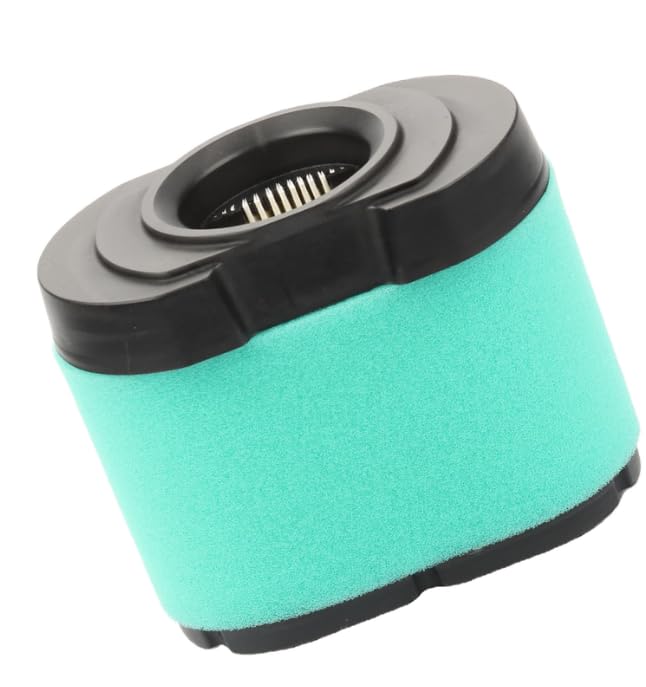
- Inspect the air filter for dirt buildup, which restricts airflow.
- Verify the spark plug condition and gap according to manufacturer specs.
- Ensure the fuel filter is clean and free of debris.
- Check for loose or corroded electrical connections at the ignition switch.
If these basic checks do not resolve the issue, the problem may be more complex. However, it is still unlikely to be related to timing adjustment. In such cases, consulting the owner’s manual for specific diagnostic codes or error messages is a prudent next step. Many modern engines have built-in diagnostics that can point to specific faults without requiring mechanical intervention.
Safe Diagnostic Steps for Homeowners
When troubleshooting a riding mower, safety must always be the priority. Never attempt to inspect or service the engine while it is running or capable of starting. Disconnect the spark plug wire and ground it to the engine block before opening the hood or removing any components. This prevents accidental engine start, which could cause serious injury. Always allow the engine to cool completely before touching any hot surfaces, such as the exhaust manifold or engine block.
The first step in any diagnostic process is to verify that the mower has fresh fuel. Old fuel is one of the most common causes of performance issues in small engines. If the fuel is older than 30 days, drain it and refill with fresh gasoline. Next, inspect the air filter.
A dirty air filter can cause a rich fuel mixture, leading to poor starting and rough running. Clean or replace the filter as needed. Finally, check the spark plug. A fouled or worn spark plug can cause misfires and poor performance. Replace the plug if it shows signs of wear or carbon buildup.
For the Craftsman zero-turn mower, the twin-cylinder design means you may need to check both spark plugs. Ensure that each plug is properly gapped and installed. If the mower still does not run smoothly after these checks, the issue may lie in the fuel system or electronic ignition. These components require specialized tools and knowledge to diagnose and repair. At this point, it is best to contact a certified technician or authorized service center.
When to Consult a Professional Technician
There are several scenarios where professional service is the safest and most effective option. If the mower exhibits persistent misfires, smoke from the exhaust, or unusual noises, these may indicate internal engine damage that requires professional diagnosis. Attempting to repair these issues without proper training and tools can lead to further damage and higher repair costs. Additionally, if the electronic ignition system is faulty, a technician with the appropriate diagnostic equipment is needed to identify and replace the module.
Professional technicians have access to manufacturer-specific diagnostic tools and software that can read engine codes and test component performance. They also have the training to safely handle fuel, electrical systems, and mechanical components. For a high-value investment like a Craftsman zero-turn mower, professional service ensures that repairs are done correctly and safely, extending the life of the equipment and maintaining its performance. If you are unsure about the cause of an issue, it is always better to err on the side of caution and seek professional help.
Before taking your mower to a service center, gather any relevant information, such as the model number, serial number, and a description of the symptoms. This can help the technician diagnose the issue more quickly and accurately. Also, note when the problem first appeared and any recent maintenance performed. This context can be valuable in identifying the root cause of the issue.
Maintenance Tips to Prevent Performance Issues
Regular maintenance is the best way to prevent performance issues in your riding mower. Follow the maintenance schedule outlined in the owner’s manual, which typically includes oil changes, air filter cleaning, spark plug replacement, and fuel system checks. Using the correct oil and fuel types is also essential for optimal engine performance. For the Craftsman zero-turn, using the recommended oil viscosity and unleaded gasoline with the appropriate octane rating will help ensure reliable operation.
In addition to routine maintenance, store the mower properly during the off-season. If storing for an extended period, add a fuel stabilizer to the tank to prevent fuel degradation. Also, clean the deck and undercarriage to remove grass clippings and debris, which can corrode metal parts. Proper storage and maintenance will help keep your mower running smoothly and prevent common performance issues.
For more information on maintaining your mower, consider reading our guide on lawn mower care for small yards, which covers seasonal maintenance tips. Regular upkeep not only extends the life of your equipment but also ensures that it performs efficiently and safely when you need it most.
Remember, the goal of maintenance is to prevent problems before they start. By following a consistent maintenance routine, you can avoid many of the common issues that lead to performance complaints. This proactive approach saves time and money in the long run and ensures that your mower is ready for use whenever you need it.




Write Your Review
No reviews yet. Be the first to share your experience!