


A dull mower blade tears grass instead of cutting it, so restoring the edge by hand is a practical fix for most homeowners. how to hand sharpen mower blades involves securing the blade, matching the factory bevel, and using the right abrasive to remove metal evenly. This process extends blade life and improves lawn health without requiring a trip to a shop. If you are also evaluating replacement options, our lawnmower blade cost guide helps you decide when sharpening is no longer worth the effort.
Many owners assume sharpening is difficult, but the task is manageable with basic tools and careful attention to geometry. The key is consistency: every pass must follow the same angle to avoid creating a wavy edge. Safety is paramount, as mower blades are heavy and sharp. Understanding the difference between rotary and reel blades is also critical, as their sharpening methods differ significantly. For context on deck configurations, see our mower blade setup overview.

Pros
- Extremely affordable for a 5-pack, making it a low-risk investment for casual users
- Simple to use: just chuck into a drill and run along the blade edge at the correct angle
- Includes a balancer to check blade balance after sharpening, reducing vibration
- Works well on straight or slightly curved blades when used with patience and proper technique
Cons
- Not suited for heavy-duty commercial blades with steep factory bevels; may wear out quickly
- Some units may have defects (stone spinning on shaft or cracking) affecting durability
- Best results require a corded drill for consistent speed; battery drills lose power over time
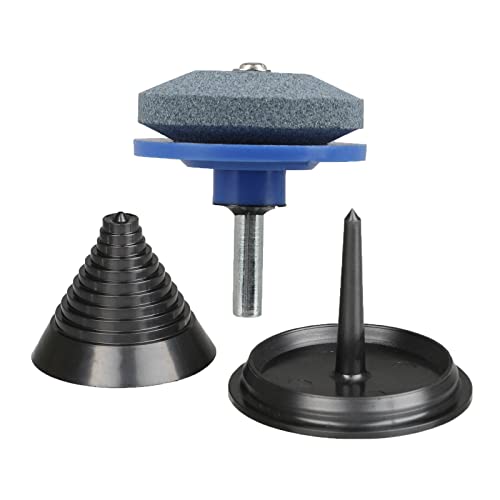
The cenoz 5 Pack Lawn Mower Blade Sharpener is a simple but effective attachment designed to help homeowners and DIY enthusiasts keep their mower blades sharp without investing in a bench grinder or expensive sharpening equipment. It fits any standard power drill (corded models work best) and uses a double-layer corundum grinding stone to restore a sharp edge on dull blades. This is a budget-friendly solution for anyone who wants smoother cuts and healthier grass without frequent blade replacements.
This sharpener is best suited for homeowners with push mowers, riding tractors under 54 inches, and other light to medium-duty cutting equipment. It's not intended for professional landscapers running high-end commercial mowers with thick, hardened blades. For those users, a dedicated bench grinder or abrasive wheel setup would be more reliable. However, for the average yard care routine, the cenoz sharpener gets the job done with a little patience.
Real-world performance depends heavily on technique. Users who clamp the blade securely and move the spinning stone back and forth along the existing bevel at a consistent angle report excellent results. The built-in balancer is a nice touch for checking that the blade spins evenly after sharpening. That said, some reviewers noted the grinding wheel can spin on the shaft if not tightened fully, and a few experienced cracking or disintegration after a minute of use. These issues seem to affect a minority of units, and the low price per stone (around $2 each) makes it easy to accept occasional failures.
Build quality is adequate for the price point. The double-layer corundum material is more durable than the standard single-layer stones found in many budget sharpeners. It doesn't melt or glaze over at high drill speeds, which is a common problem with cheaper alternatives. The 5-pack means you have spares to share or keep in the garage. Just be realistic: these are consumable items that will wear down over time, especially if you sharpen multiple sets of blades each season.
Overall, the cenoz 5 Pack Lawn Mower Blade Sharpener is a solid choice for DIY homeowners who want to extend the life of their mower blades on a tight budget. It's easy to use, installs quickly, and includes extras like a balancer. The main drawbacks are the limited suitability for heavy-duty blades and the occasional quality control issue. If you have a standard push mower or a small riding mower and don't mind spending a few minutes per blade, this set offers great value. For professionals or those with high-end equipment, look elsewhere.

Pros
- Extremely easy to use with any corded or cordless drill
- Consistent sharpening angle for a balanced, sharp edge
- Good value with 5 stones in one pack
- Works on a variety of blade types beyond just mowers
Cons
- Not ideal for heavy-duty or thick commercial blades; may wear out quickly
- Some users report stones spinning on the shaft or breaking under heavy pressure
- Best results require a corded drill for consistent speed and torque
The cenoz Crafts Man Lawn Mower Blade Sharpener is a straightforward accessory that turns your power drill into a handy blade sharpening tool. This 5-pack of corundum sharpening stones is designed for DIY homeowners, lawn care enthusiasts, and light-duty contractors who want to keep their mower blades sharp without investing in a dedicated bench grinder or sending blades out for sharpening.
In real-world use, this sharpener delivers a consistent edge on straight lawn mower blades, especially on push mowers and riding mowers with standard blades. The pre-set angle takes the guesswork out of maintaining the correct bevel. Users who follow the instructions and use a corded drill for steady speed report excellent results, with blades cutting cleanly through grass after just a few passes. The corundum material holds up well at typical drill speeds, though some users have experienced stones spinning on the shaft or cracking under heavy pressure, particularly on thicker commercial blades.
Build quality is acceptable for the price point. The stones are light and compact, and the pack of 5 gives you plenty of backups. Installation takes about 10 seconds just chuck it into your drill and you are ready to go. However, the sharpener works best on blades with a relatively straight cutting edge. Curved blades on some push mowers can be more challenging to sharpen evenly, as noted in a few reviews. For heavy-duty blades from commercial zero-turn mowers, these stones may wear out quickly or fail to achieve a sharp edge.
Overall, this is a practical, budget-friendly tool for routine lawn mower maintenance. If you are a weekend warrior with a standard push mower or a small lawn tractor, this sharpener will save you time and money. For professionals with demanding schedules and thick blades, a bench grinder or professional sharpening service remains a better investment. But for most homeowners, the cenoz 5-pack offers solid value and decent performance.
Material: Corundum
Size per stone: 50 x 47 mm (1.97 x 1.85 inches)
Package includes: 5 sharpeners
Compatibility: Fits most power drills (corded recommended for best results)
Ideal for: Lawn mower blades, tractor blades, rototiller tines, sickle bars, drill bits
Color: Blue
Homeowners: Keep your push mower or riding mower blades sharp for a clean cut and healthier lawn.
DIYers: Sharpen blades on your tiller, sickle bar mower, or even old drill bits.
Light commercial: For small lawn care businesses with a few mowers, this pack provides quick touch-ups between professional sharpenings.
Workshop: Use as a quick backup when you need a sharp edge and your bench grinder is tied up.


Pros
- Affordable way to extend the life of your reel mower
- Simple, intuitive operation that anyone can master in minutes
- Small and lightweight, easy to store anywhere
- By keeping blades sharp, you can reduce the physical effort needed to push the mower
Cons
- Only works with reel mowers, not standard rotary mowers
- Manual sharpening takes some elbow grease compared to professional sharpening services
- Does not include a guide for perfect blade angle, so results depend on your technique
This is a manual blade sharpener made specifically for reel lawn mowers, which are the classic push mowers with a spinning cylinder of blades. Instead of replacing the whole reel or paying for professional sharpening, this small tool lets you touch up the cutting edges at home. It is designed for homeowners who want a simple, low-cost maintenance solution for their manual mower.
Who is this sharpener best suited for? Anyone who owns a reel mower will find it useful, but it is especially helpful for eco-conscious homeowners who have switched to a manual mower to avoid gas and emissions. It is also great for apartment dwellers with small yards, suburban homeowners who value quiet Saturday morning mowing, and elderly users who prefer lightweight equipment and simple maintenance. Budget-conscious shoppers will appreciate that it can keep a mower running effectively for years without spending money on new parts.
In terms of lawn care performance, keeping reel blades sharp makes a real difference. Dull blades can tear grass, leaving ragged edges that turn brown and make the lawn look unhealthy. Using this sharpener regularly helps the reel cut cleanly, which promotes denser, greener grass. The handheld design means you can sharpen the blades while the mower is tipped on its side, and you do not need to remove the reel. Many homeowners find that a quick sharpening session at the start of the season and again mid-summer keeps the mower cutting well.
The build quality of this sharpener is practical and durable. It is made from high-quality materials that are meant to withstand repeated use, and the compact dimensions of about 4.7 x 1.1 x 3.9 inches make it easy to store in a garage, shed, or even a small apartment closet. The green color makes it easy to spot among other tools. Since it is a manual tool, there are no batteries, cords, or complicated parts to worry about, which also means very little can go wrong with it.
One realistic limitation is that this sharpener only works with reel mowers, not the more common rotary mowers that most people own. It also requires a bit of patience and a steady hand, since you are manually running the sharpener along the blade edge. There may be a learning curve to get the angle right, but many users find that a few practice passes are all it takes. Also, while it can restore a mildly dull blade, a badly nicked or damaged reel might still need professional servicing.
Overall, this is a highly practical accessory for reel mower owners who want to get the most out of their equipment. It is inexpensive, easy to use, and directly improves the quality of your cuts, which benefits your lawn health. If you already own a manual reel mower or are thinking about going the eco-friendly route, this sharpener is a smart way to keep that investment in top shape for many seasons.
This sharpener is designed for reel mowers, which are sometimes called cylinder mowers or manual push mowers. It is not intended for rotary mowers, electric mowers, gas mowers, or riding mowers. According to the manufacturer, it is compatible with multiple brands of reel trimmers and reel lawn mowers, so it should work with most popular manual mowers on the market. If you are unsure whether your mower is a true reel type, look for the spinning cylinder of blades that cuts against a fixed bed knife. That design is the one this sharpener is built for.
To get the best results with this reel mower blade sharpener, start by cleaning the reel and bed knife with a brush to remove grass clippings and debris. Tip the mower on its side so you can see the reel clearly. Apply a light sharpening compound or paste to the blades if your mower manufacturer recommends it, then run this handheld sharpener along the cutting edge at the same angle as the original bevel. Work slowly and evenly, moving from one end of the reel to the other. After sharpening, wipe off any metal filings and apply a thin coat of oil to prevent rust. Repeating this process once or twice per mowing season will keep your reel mower cutting smoothly and reduce the effort needed to push it.


Pros
- Sharpens a wide variety of single-edge garden tools quickly
- Reversible blades extend product life
- Safe ergonomic design reduces hand fatigue
- Dishwasher safe for convenient cleaning
- Compact and portable for easy storage
Cons
- Only suitable for single-edge tools, not serrated blades or knives
- Coarse grit may not produce a polished edge for fine cutting tools
- Handle may feel small for users with very large hands
The AccuSharp Garden Tool Sharpener is a straightforward manual sharpener designed to handle the dullest garden tools. It is not a power tool, but an essential workshop accessory for anyone who works with lawn mowers, pruners, shears, hoes, or shovels. Whether you are a homeowner maintaining your own yard or a professional landscaper, this tool saves you time and money by quickly restoring sharp edges without any electricity or complex setup.
Best suited for DIY homeowners, gardeners, and even contractors who need a reliable way to keep their tools in peak condition. The diamond-honed tungsten carbide blade is exceptionally hard, allowing you to sharpen very dull or damaged blades with just a few strokes. The reversible blade feature doubles its useful life, making it a long-term investment for your workshop. Users report getting 5 to 10 years of regular use before needing to replace the blade.
Build quality is solid, with a comfortable ergonomic handle that fits either hand and includes a guard to protect your fingers. The compact size (5 inches) and lightweight design (1.4 ounces) make it easy to store in a drawer or take along on jobs. It is dishwasher safe, so cleaning off residue from sharpening is hassle-free. However, keep in mind that this sharpener works only on single-edge tools; serrated blades or fine knives require a different tool. Also, the coarse grit is great for fast material removal but won't produce a polished, mirror-like finish.
Overall, the AccuSharp Garden Tool Sharpener is a practical, durable addition to any workshop or tool shed. Its ease of use, safety features, and long-lasting performance make it a smart buy for anyone who wants to keep their garden tools working like new without spending much time or money.


Pros
- Easy to use with straightforward instructions included
- Affordable alternative to professional sharpening services
- Works on both the reel blades and the bed knife in one kit
- Compact size makes it easy to store in a toolbox or drawer
Cons
- Requires manual effort and some elbow grease to get good results
- Best suited for reel mowers only, not compatible with rotary or power mowers
- May not work on all reel mower models, check compatibility before buying
The American Lawn Mower Co. SK-2 Reel Lawn Mower Hand Sharpener is a purpose-built tool for anyone who uses a reel push mower. If you own a manual reel mower from brands like Great States, American Lawn Mower, Scotts, or Earthwise, this sharpener is designed to keep your blades cutting cleanly season after season. It is a handheld kit that sharpens both the spinning reel blades and the stationary bed knife, restoring the scissor-like action that gives a precise cut.
This sharpener is best suited for homeowners with small to medium lawns who prefer the quiet, eco-friendly operation of a reel mower. It is also a smart buy for DIYers who want to handle their own mower maintenance without spending money on professional sharpening. The kit includes two sharpening stones, one for the reel blades and one for the bed knife, plus a small brush for applying the included grinding compound. The process is straightforward: you apply the compound, then run the appropriate stone back and forth along the blade surface. It takes some time and a bit of patience, but the results are noticeable. Users report that after sharpening, their mower cuts more cleanly and requires less effort to push through grass.
Build quality is solid for the price. The plastic housing is lightweight but feels durable enough for occasional seasonal use. The sharpening stones are coarse enough to remove dull edges without being overly aggressive. At just 1.72 ounces, the entire kit is easy to toss in a tool bag or store on a shelf. One thing to keep in mind is that this is a manual tool. It requires physical effort to get a good edge, especially if your blades are very dull or have never been sharpened. Some users have found it helpful to use a drill with a socket attachment to speed up the process, but that is not included and requires some improvisation.
A realistic drawback is that this sharpener only works on reel mowers. If you also own a rotary or power mower, you will need a different sharpening system. Also, the instructions could be clearer regarding disassembly steps, particularly when removing the wheel clip. A few users mention that the included directions are basic, but with a little common sense and the tips found in online reviews, most people can get the job done. Overall, this is a practical, low-cost maintenance tool that extends the life of your reel mower and improves your lawn cutting experience.
If you want to keep your reel mower performing at its best without spending a lot of money, the American Lawn Mower Co. SK-2 is a solid choice. It is not a power tool, but it is a valuable workshop accessory for anyone who values a sharp, even cut from a manual mower. For the price, it delivers real value and is a worthwhile addition to any homeowner's tool collection.
Hand sharpening restores the cutting edge by removing a small amount of metal along the bevel. The goal is to match the original factory angle, which is typically between 25 and 35 degrees for most rotary blades. Reel blades often require a different approach, focusing on the contact points with the bed knife. The process requires patience and steady pressure to avoid overheating the steel.
| Blade Type | Typical Angle | Common Tool |
|---|---|---|
| Rotary (Walk-behind/Riding) | 25-35 degrees | File, Bench Grinder, Drill Attachment |
| Reel (Push Mower) | Variable/Factory Set | Hand File, Reel Sharpener Kit |
| Zero-Turn (Dual Blade) | 25-35 degrees | File, Bench Grinder, Drill Attachment |
Before starting, inspect the blade for cracks, bends, or excessive wear. If the metal is thinning near the center or tips, replacement is safer than sharpening. Check the balance of the blade before sharpening; an unbalanced blade will vibrate during operation and damage the spindle. You can check balance by hanging the blade from a nail or using a dedicated balancer tool. A balanced blade indicates that material has been removed evenly in previous sharpening sessions.
Prepare your workspace by placing a soft surface, such as a carpet or rubber mat, under the blade. This prevents the blade from bouncing or rolling when you set it down. Ensure the area is well-lit so you can see the bevel line clearly. Gather your tools: a file, clamp, or drill attachment, along with protective gear. Having everything ready prevents interruptions that could lead to unsafe handling of the sharp tool.
Secure the blade firmly to prevent movement during sharpening. For rotary blades, clamp the center hole to a workbench or use a vice with soft jaws to protect the metal. For reel blades, you can often sharpen them while still mounted on the mower, but removing them allows for more precise control. Never hold the blade by hand while sharpening; the pressure required can cause the tool to slip. A secure clamp ensures that the angle remains consistent across the entire length of the edge.
Identifying the Bevel and Cutting Edge
Locate the factory bevel by running your finger carefully across the non-cutting side of the blade. You will feel a slight ridge where the flat surface meets the angled cutting edge. Mark this line lightly with a marker if it is faint. This line is your guide; your abrasive must follow it exactly. If you sharpen above this line, you will create a new, incorrect angle that reduces cutting efficiency. If you sharpen below it, you will remove too much metal and weaken the blade.
For mulching blades, the bevel is often more complex due to the curved edges designed to lift grass. Focus on the primary cutting edges on the tips and the underside. Do not try to sharpen the curved lifting surfaces unless they are visibly worn. The primary goal is to restore the sharpness of the tips, which do the majority of the cutting work. A dull tip causes the mower to drag and tear the grass rather than slicing it cleanly.
Using a File for Manual Sharpening
A flat file is the most common tool for hand sharpening. Hold the file at the identified angle and push it along the bevel in one direction. Use long, smooth strokes from the center to the tip. Do not pull the file back; only remove metal on the push stroke. Maintain consistent pressure to avoid creating dips or waves in the edge. Work on one side of the blade completely before flipping it over to the other side.
Keep the file clean by wiping it with a file card or cloth. Clogged abrasive particles reduce cutting speed and can scratch the blade. If the file becomes dull, it will slip rather than cut, which is dangerous. A sharp file removes metal efficiently and allows you to control the angle more precisely. For thicker blades, a coarser grit file may be necessary, while a finer grit is better for final polishing.
Check your progress frequently by feeling the edge with a fingernail. It should catch slightly, indicating sharpness. Do not over-sharpen; removing too much metal shortens the blade’s lifespan. The goal is to remove just enough metal to eliminate nicks and restore a keen edge. If the blade is severely damaged, you may need to remove more metal, but this brings you closer to the minimum safe thickness.
Using a Drill Attachment for Speed
Drill attachments, such as corundum or diamond discs, offer a faster alternative to filing. These tools fit onto a standard power drill and rotate at high speed. Attach the disc securely and test the speed on a scrap piece of metal first. Start with low speed to prevent overheating and warping. Apply the disc lightly to the bevel, moving it steadily along the edge. Do not press too hard, as the high speed can remove metal quickly.
Keep the blade cool by pausing frequently or using a water spray if available. Overheating can temper the steel, making it brittle and prone to cracking. A hot blade loses its hardness and will dull faster in the future. If you notice discoloration, stop immediately and let the blade cool down. Consistent, light passes are better than heavy, aggressive grinding. The goal is to remove material evenly without altering the blade’s geometry.
Drill attachments are particularly useful for multiple blades or for removing deep nicks. They can restore a blade to sharpness in minutes, compared to the time required for filing. However, they require more skill to control the angle. Practice on a dull blade first to get a feel for the tool’s speed and pressure. Always wear eye protection, as metal particles can fly off the rotating disc. Secure the blade firmly to prevent it from rotating or slipping during the process.
Sharpening Reel Mower Blades
Reel mower blades are sharpened differently than rotary blades. The cutting action comes from the interaction between the reel blades and the bed knife. You can sharpen the reel blades while they are mounted on the mower or remove them for easier access. Use a fine file or a specialized reel sharpener. Focus on the edges that contact the bed knife. Maintain the original angle, which is usually set by the manufacturer. Do not change the angle, as it will affect the cutting performance.
Sharpen the bed knife as well, as a dull knife will tear grass even if the reel blades are sharp. Use a fine file to remove burrs from the top edge of the knife. Run the file along the edge in one direction, matching the bevel.
Check the gap between the reel blades and the bed knife after sharpening. The gap should be minimal but not touching. If the gap is too wide, adjust the mower according to the manual. If the gap is too narrow, the blades may rub and wear out quickly.
Reel mowers require regular maintenance to keep the blades aligned. After sharpening, spin the reel by hand to ensure it moves freely. Listen for any grinding or catching sounds. If you hear noise, readjust the blades or the bed knife. A well-maintained reel mower provides a clean, scissor-like cut. This type of cut is healthier for the grass than the chop of a rotary blade. Regular sharpening is essential for maintaining this precision.
Maintenance and Safety Checklist
Safety is the top priority when working with mower blades. Always disconnect the spark plug or battery before removing or sharpening the blade. This prevents accidental starting, which could cause severe injury. Wear heavy gloves and safety glasses to protect your hands and eyes. Use a secure clamp or vice to hold the blade in place. Never hold the blade by hand while using a file or drill attachment. A slipped tool can cause deep lacerations or eye injuries.
- Disconnect the spark plug or battery before starting any work.
- Wear safety glasses and heavy gloves to protect against sparks and cuts.
- Clamp the blade securely to a stable surface to prevent movement.
- Check the blade for cracks or bends before sharpening; replace if damaged.
- Keep the blade cool to avoid overheating and losing temper.
- Use consistent pressure and angle to maintain the factory bevel.
- Clean the blade after sharpening to remove metal filings and debris.
- Rebalance the blade after sharpening to ensure smooth operation.
After sharpening, clean the blade thoroughly to remove metal filings. These filings can contaminate the oil or cause rust if left on the surface. Apply a light coat of oil to prevent rust, especially if you are not installing the blade immediately. Store the blade in a dry place, away from moisture. Regular maintenance extends the life of the blade and ensures safe operation. A well-maintained blade cuts efficiently and reduces strain on the mower engine.
When to Replace Instead of Sharpen
There comes a point where sharpening is no longer safe or effective. If the blade is bent, it cannot be straightened safely at home. A bent blade will vibrate and damage the spindle. If the metal is thinning significantly, especially near the center or tips, replacement is the only option. A blade that has been sharpened many times may be too short to cut effectively. Check the manufacturer’s minimum length specification for your model.
Cracks are a clear sign that the blade must be replaced immediately. Even a small crack can spread under the stress of mowing, causing the blade to break. A broken blade can fly off the mower, causing property damage or personal injury. Do not attempt to repair a cracked blade with welding or other methods. Always replace damaged blades with the correct OEM or compatible part. Using the wrong blade can affect the mower’s balance and cutting performance.
Consider replacement if the blade is heavily rusted or pitted. Surface rust can be removed, but deep pitting weakens the metal. If the edge is uneven or wavy, it may be difficult to restore to a straight line. A wavy edge causes uneven cutting and increased vibration. In these cases, a new blade is a better investment than spending time on a compromised part. New blades are often affordable and provide a fresh start for your mower.
Common Mistakes to Avoid
One common mistake is sharpening at the wrong angle. This reduces cutting efficiency and can cause the blade to tear grass. Always check the factory bevel before starting. Another mistake is removing too much metal. This shortens the blade’s life and may make it too thin to be safe. Use light passes and check your progress frequently. Over-sharpening is a waste of time and material.
Ignoring balance is another frequent error. An unbalanced blade causes vibration, which can damage the mower’s bearings and spindle. Always check the balance after sharpening. If the blade is unbalanced, you may need to remove more metal from the heavier side. Use a balancer tool or hang the blade from a nail to check. A balanced blade ensures smooth operation and extends the life of your mower. Do not install a blade that is not balanced.
Working without safety gear is a dangerous mistake. Always wear eye protection and gloves. Disconnect the power source before starting. A slipped file or drill bit can cause serious injury. Take your time and do not rush the process. Rushing leads to uneven sharpening and increased risk of accident. Careful, methodical work yields the best results and keeps you safe. Always prioritize safety over speed.
Hand sharpening is a valuable skill for any mower owner that saves money and extends the life of your equipment.
- By following the correct procedures and using the right tools, you can maintain a sharp edge for years.
- Whether you use a file, drill attachment, or reel sharpener, the principles are the same: match the angle, remove metal evenly, and check the balance.
- A sharp blade cuts cleanly, promotes lawn health, and reduces strain on your mower.
- Take the time to learn the process, and you will enjoy better mowing results for a fraction of the cost of replacement.





Write Your Review
No reviews yet. Be the first to share your experience!