


Most new lawn mower blades arrive from the factory with a functional edge, so you typically do not need to sharpen them immediately upon purchase. The do you need to sharpen a new mower blade question usually arises when a buyer notices slight imperfections or wants to optimize cutting performance before the first mow.
While the initial edge is designed for general use, specific deck configurations or personal preferences for mulching versus bagging might influence whether a minor touch-up is beneficial. Understanding the manufacturing process helps clarify why factory edges are generally sufficient for standard residential mowing tasks.
Factory sharpening ensures the blade is balanced and safe for immediate installation. However, the effectiveness of this initial edge depends on the steel type and the specific geometry of the cutting angle. For homeowners using standard walk-behind or riding mowers, the pre-set angle usually provides a clean cut without additional work.
That said, if you are converting a deck for a specific function, such as heavy mulching, you might find that the factory edge does not perfectly match the ideal airflow profile. In such cases, a light adjustment can help, but it is rarely required for basic operation. Always verify the blade’s balance before installation to ensure safe operation.

Pros
- Quick and easy to use with any standard power drill no need for a bench grinder or expensive sharpening system.
- Durable double-layer corundum stone handles high heat without degrading, unlike cheaper single-layer stones.
- Compact and portable enough to carry in a pocket or tool pouch for on-site sharpening anywhere.
- Versatile compatibility with multiple blade types including mowers, tractors, and rototillers.
Cons
- May not restore severely damaged or nicked blades as effectively as a professional grinder or file.
- Requires a steady hand and consistent pressure to maintain a uniform edge angle across the entire blade.
- Limited to sharpening flat blades; not suitable for curved or serrated edges found on some specialty mowers.
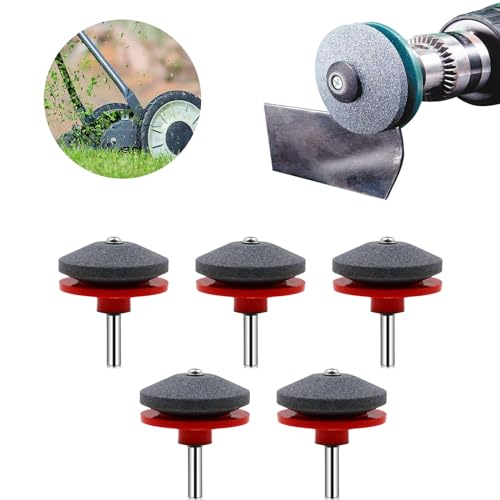
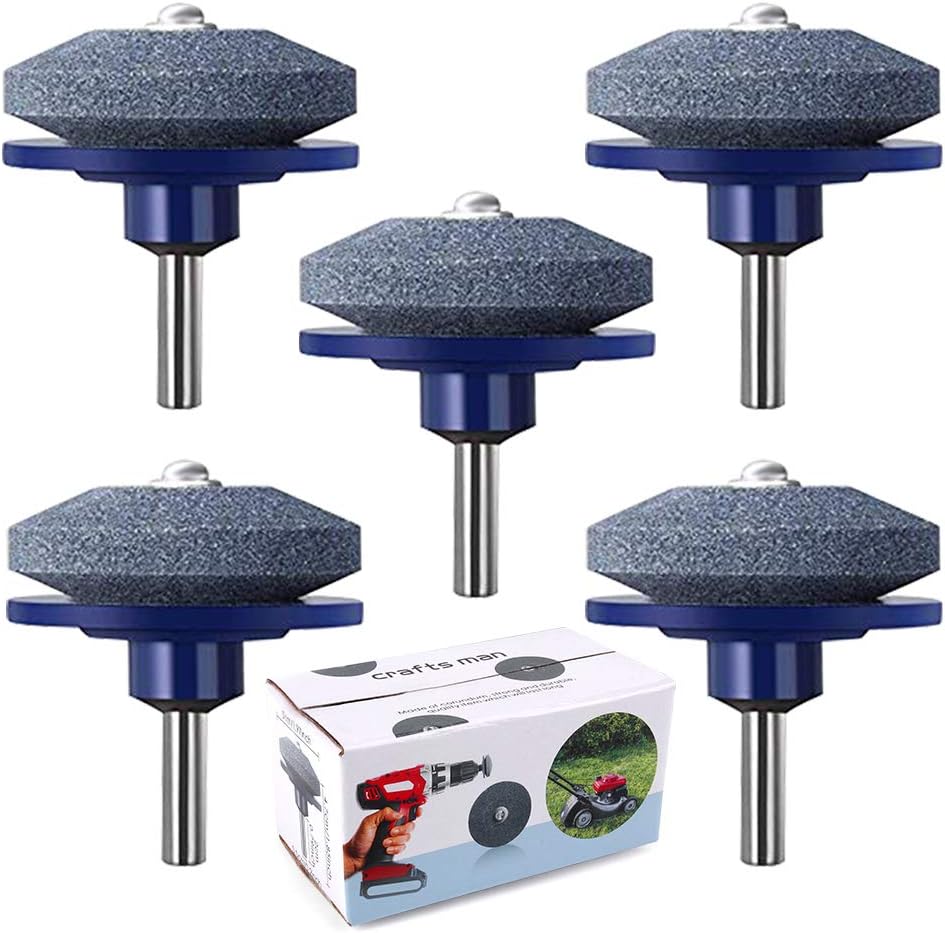
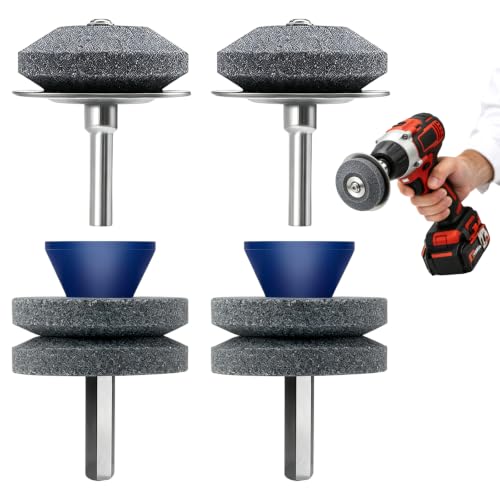
If you are tired of pushing a dull mower blade through thick grass, the 2025 Lawnmower Blade Sharpener by Home offers a practical, budget-friendly fix. This small but capable tool attaches directly to any power hand drill, turning it into a portable sharpening station. The double-layer corundum stone is key here it handles the heat generated by high-speed drilling without melting or glazing over, unlike cheaper stones that fail after a few passes. For the DIY homeowner or weekend warrior, this means you can sharpen your mower blade in place without removing it, saving a ton of time and hassle.
In real-world use, this sharpener excels at bringing dull blades back to life. Just chuck it into your drill, spin it against the blade edge at a shallow angle, and you will see a noticeable improvement in cut quality after a few passes. It works on standard lawn mowers, riding tractors, rototillers, and even drill bits or scythe blades. The compact size (about 2 inches across) makes it easy to carry in a pocket or toss in a tool bag, so you can touch up blades right on the jobsite or in the field. For small property owners who mow once a week, this tool can extend blade life between professional sharpenings, saving both money and frustration.
Build quality is decent for the price point. The corundum stone is bonded to a steel core, and the plastic handle provides a secure grip during use. However, it is not a heavy-duty industrial solution. If you have severely nicked or bent blades, you will still need a bench grinder or file to remove deep damage before using this sharpener. Also, maintaining a consistent edge angle takes a bit of practice, especially on longer blades. But for routine maintenance and light to moderate wear, this tool delivers reliable results that any homeowner can achieve.
Drawbacks are relatively minor given the low cost. The sharpener works best on flat, straight blades; curved or serrated edges are not ideal candidates. You also need a steady hand to avoid uneven sharpening, which can lead to vibration during mowing. And while the corundum stone is heat-resistant, prolonged use at high RPM can still cause some wear, so take breaks and let the stone cool if you are doing multiple blades. That said, for the price of a fast-food meal, this is a solid addition to any DIYer's tool kit.
Overall, the 2025 Lawnmower Blade Sharpener is a smart buy for homeowners who want to keep their mower blades sharp without investing in expensive equipment. It is simple, effective, and portable, making it perfect for quick touch-ups before a mowing session. If you value a clean cut and want to reduce mowing time, this tool delivers practical value that justifies its place in your workshop or shed. Just keep your expectations realistic, and you will not be disappointed.
Product Dimensions: 1.97 x 1.97 x 2.16 inches
Item Weight: 7.4 ounces
Material: Corundum stone, steel, plastic
Color Options: Blue, Red
Package Includes: 3 or 5 lawn mower sharpeners depending on variant
Compatibility: Works with most power hand drills
Manufacturer: Surlveia
ASIN: B0D5YG1H4R
This lawnmower blade sharpener is ideal for quick touch-ups on standard walk-behind mowers, riding lawn tractors, and small rototillers. It works best for routine maintenance where blades are dull but not severely damaged. Homeowners with less than an acre of grass will find it particularly useful for keeping blades sharp between professional sharpenings. It is also handy for contractors who need to sharpen mower blades on-site without returning to the shop. For best results, use it with a drill that has variable speed control to adjust RPM based on blade condition.

For the vast majority of homeowners, the answer is no. New replacement blades are manufactured with a pre-set cutting angle that is calibrated for the specific mower model or deck size. This factory edge is designed to provide a clean cut right out of the box. The steel is hardened to maintain this edge through several mowing seasons, reducing the immediate need for sharpening. If the blade is listed as compatible with your mower model, the manufacturer has likely matched the geometry to the deck’s airflow requirements.
| Blade Condition | Typical Action Required | Reasoning |
|---|---|---|
| New from Factory | Install and use | Pre-set angle is sufficient for general mowing |
| Lightly Dull | Check balance | Minor wear may not affect cut quality yet |
| Bent or Cracked | Replace immediately | Sharpening cannot fix structural damage |
| Converted for Mulching | Potential minor adjustment | Factory edge may not match specific mulch profile |
There are specific scenarios where a buyer might consider a minor adjustment. If you are using a blade on a deck that is slightly different from the one it was designed for, the cutting angle might not be optimal. This is rare with exact-model replacements but can happen with universal-fit blades.
In these cases, a light touch-up can help align the edge with the deck’s design. However, this should be done cautiously to avoid altering the blade’s balance. The goal is to restore the intended geometry, not to create a new one.
Before deciding to sharpen, you should perform a basic inspection. Look for signs of manufacturing defects or shipping damage. A new blade should have a consistent edge along the cutting surface. If you see nicks, burrs, or unevenness, this might indicate a defect rather than a need for sharpening. In such cases, contacting the seller for a replacement is often the best course of action. Sharpening a defective blade can mask the issue and lead to poor performance later.
Here is a quick checklist to determine if your new blade needs attention:
- Verify the blade is balanced on a balancer tool
- Check for visible nicks or burrs along the edge
- Confirm the cutting angle matches your deck type
- Ensure the blade is clean and free of rust
- Inspect the mounting holes for any deformation
Understanding Factory Edge Specifications
Manufacturer specifications often list the blade’s cutting angle and material hardness. These details provide insight into how the blade will perform over time. A higher hardness rating generally means the edge will hold up longer between sharpenings. However, harder steel can be more brittle, so it is important to avoid striking hard objects. The listed material type, such as high-carbon steel, indicates the blade’s ability to retain a sharp edge under stress. Understanding these specs helps set realistic expectations for maintenance frequency.
The geometry of the blade also plays a role in its initial performance. Mulching blades have a different profile than standard bagging blades. The factory edge on a mulching blade is designed to create specific airflow that recuts grass clippings. Altering this angle can reduce the mulching efficiency.
For standard blades, the angle is optimized for a clean cut and efficient discharge. If you are using the blade for its intended purpose, the factory edge is usually sufficient. Deviating from this design can lead to uneven cuts and increased strain on the mower engine.
When a Minor Adjustment Might Be Beneficial
Some users prefer a slightly sharper edge for a cleaner cut, especially on very tall or thick grass. In these cases, a light sharpening session can enhance performance. This is not a requirement but a preference. If you decide to sharpen, use a tool designed for mower blades.
A standard file or a drill attachment can work, but it requires care to maintain the original angle. The Surlveia Lawnmower Blade Sharpener is one option that allows for consistent sharpening. It is designed to fit most electric drills, making the process accessible for DIY users. However, remember that the goal is to maintain the factory angle, not to create a new one.
Another scenario where adjustment might be useful is when a blade has been stored for a long period. Even new blades can develop surface rust if not stored properly. Removing this rust and lightly honing the edge can restore the blade’s performance.
This is more of a maintenance task than a sharpening one. It ensures the blade is ready for use and prevents further corrosion. Regular inspection and proper storage are key to extending the life of your mower blades. A clean, dry storage area helps prevent these issues before they start.
Consider these points before adjusting a new blade:
- Ensure the blade is securely clamped during any work
- Maintain the original factory cutting angle
- Remove only a small amount of metal
- Rebalance the blade after any sharpening
- Check for heat discoloration after grinding
For more on a connected point, our page on affordable mower blade goes into it separately.
Common Misconceptions About New Blade Sharpening
A common myth is that all new blades need to be sharpened to reach their full potential. This is not true for most residential mowers. The factory edge is designed to be effective immediately. Sharpening a new blade can actually remove material that is needed for the blade’s structural integrity.
Over-sharpening can weaken the blade, making it more prone to bending or breaking. It is better to use the blade as intended and only sharpen it when the cut quality noticeably declines. This approach extends the overall life of the blade.
Another misconception is that a sharper blade always means a better cut. While a sharp edge is important, the geometry of the blade and the mower’s deck design are equally critical. A very sharp blade on a poorly balanced mower can cause vibration and uneven cutting.
The key is to have a blade that is sharp enough to cut cleanly and balanced enough to run smoothly. If you are experiencing uneven cuts, the issue might be with the deck or the blade balance, not the sharpness of the edge. Addressing the root cause is more effective than simply sharpening the blade.
Maintenance Tips for Long-Lasting Performance
Proper maintenance is essential for keeping your mower blades in good condition. After each mow, clean the blade to remove grass clippings and debris. This prevents rust and corrosion, especially in humid environments. Storing the blade in a dry place helps protect the edge. If you plan to store the blade for an extended period, consider applying a light coat of oil to prevent rust. Regular inspection for wear and damage ensures that you catch issues early. This proactive approach saves time and money in the long run.
Sharpening should be part of your regular maintenance routine, but not necessarily after every use. Check the edge every few mows to see if it needs attention. If the grass is not cutting cleanly, it might be time to sharpen. Use a consistent method to maintain the angle.
A drill attachment can help ensure consistency. The Home brand blade sharpener is a budget-friendly option for this task. It is made of corundum stone, which is durable and effective for sharpening mower blades. Keeping your tools organized and ready makes the maintenance process easier.
Safety Considerations During Blade Maintenance
Safety is paramount when working with mower blades. Always disconnect the spark plug before removing or servicing the blade. This prevents accidental starting, which can cause serious injury. Use sturdy clamps to secure the blade while you work. Wearing protective gloves and safety glasses is recommended to protect against sharp edges and metal filings. Follow the manufacturer’s safety guidelines for all maintenance tasks. If you are unsure about a procedure, consult the owner’s manual or seek professional help.
Be cautious when using power tools for sharpening. Ensure the tool is appropriate for the task and that you are using the correct speed. Excessive heat can damage the blade’s temper, making it brittle. If you notice discoloration, stop and allow the blade to cool.
Rebalancing the blade after sharpening is crucial to prevent vibration and damage to the mower. A balanced blade runs smoothly and lasts longer. Taking these safety precautions ensures that your maintenance tasks are both effective and safe. Prioritize safety to avoid accidents and extend the life of your equipment.
For more detailed instructions on maintaining your mower’s cutting system, you might find our guide on practical sharpening techniques helpful. It covers various methods and tools you can use for effective blade maintenance. Understanding the right approach helps you maintain your equipment with confidence.
Ultimately, the need to sharpen a new mower blade depends on your specific situation and preferences. For most users, the factory edge is sufficient for immediate use. Focus on proper installation, balance, and regular maintenance to ensure long-lasting performance. If you encounter issues with cut quality, investigate the cause before assuming the blade needs sharpening. A balanced, clean, and properly installed blade will provide the best results for your lawn care efforts.
For more on a connected point, our page on mower blade need goes into it separately.


Write Your Review
No reviews yet. Be the first to share your experience!