


Using a manual lawn edger tool effectively requires positioning the blade correctly, applying steady body weight through the footplate, and maintaining a consistent rhythm along the edge. Most homeowners find that the key to a clean cut lies not in force, but in alignment and patience. The tool is designed to slice through turf and shallow soil, creating a distinct border between grass and hardscapes like sidewalks or driveways.
Before starting, ensure the tool is assembled securely and the blade is sharp. A dull blade will tear grass rather than cut it, leading to brown edges that take longer to recover. By understanding the specific mechanics of your tool, whether it is a step-style half-moon or a wheeled rotary model, you can avoid common mistakes like uneven depth or back strain. This process is straightforward once you grasp the basic technique and safety precautions required for manual yard equipment.

Pros
- Precise, clean cuts with minimal effort thanks to saw-tooth blade.
- Comfortable long handle saves back and knees during extended use.
- Sturdy powder-coated steel construction for durability.
- Lightweight and easy to store in small spaces.
- Eco-friendly and quiet - perfect for early morning or late evening yard work.
Cons
- Manual edging requires more physical effort than a powered edger, especially in hard or rocky soil.
- The blade may need occasional sharpening to maintain cutting efficiency.
- Not ideal for very large properties with extensive edging needs.
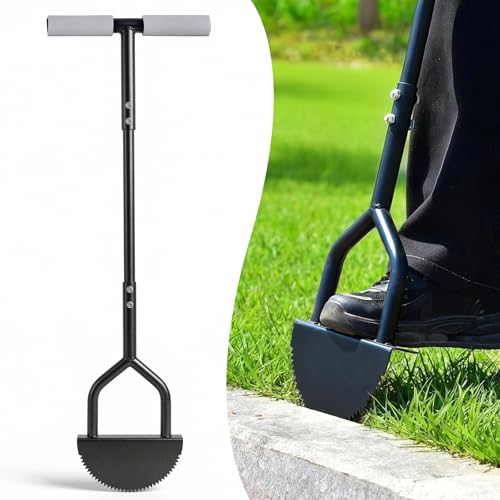
The Colwelt Saw-Tooth Edger is a manual lawn edging tool that brings old-school simplicity to modern yard maintenance. It's designed for homeowners, apartment dwellers with small yards, gardeners, and eco-conscious consumers who want neat borders without the noise or fumes of a gas-powered edger. This tool is particularly appealing to budget-conscious shoppers and those who prefer a low-maintenance, planet-friendly approach to lawn care.
When it comes to cutting performance, the arched saw-tooth blade does an impressive job. It slices through dense turf and even some roots with ease, thanks to the aggressive teeth. The extra-wide foot platform allows you to apply your full body weight, making the cut deeper and more consistent. The 38-inch long handle with a cushioned T-grip means you can edge without bending over or kneeling, which is a big plus for elderly users or anyone with back concerns. This setup works well for creating clean borders along sidewalks, driveways, patios, and garden beds.
Build quality is solid for a manual tool. The blade is powder-coated steel, which resists rust and holds up against regular use. The frame feels durable, and the foot platform is wide enough to provide stability. The T-grip handle is rubberized for comfort, and the overall weight is just over 3.7 pounds, making it easy to carry around the yard. Assembly is minimal - the handle comes mostly pre-assembled, so you can start edging right out of the box.
Storage and maintenance are straightforward. This edger takes up very little space; you can hang it on a wall or lean it in a corner of the garage. There's no fuel to mix, no battery to charge, and no cord to untangle. Cleaning is as simple as wiping off any soil or grass clippings after use. The blade may need occasional sharpening with a file to maintain its cutting edge, but that's a minor task compared to servicing a power tool.
One realistic limitation is that manual edging requires more physical effort than a powered alternative, especially in compacted or rocky soil. It's also not the best choice for very large properties with hundreds of feet of edging - you might tire out before finishing. However, for small to medium suburban lawns, apartment patios, or garden beds, this tool is a reliable, quiet, and cost-effective solution. If you value a clean, tidy yard without the hassle of power equipment, the Colwelt Saw-Tooth Edger is a smart buy.

Pros
- Sturdy manganese steel blade with saw-tooth design cuts through tough soil and roots effectively
- Wide footplate provides good stability and helps transfer body weight for easier cutting
- Adjustable handle length accommodates different user heights and reduces back strain
- Lightweight and easy to maneuver around garden beds and tight spaces
- Eco-friendly, no emissions, and quiet operation – ideal for noise-sensitive areas
Cons
- Manual edging requires physical effort and may not be ideal for very large yards or heavy clay soil
- Some users may prefer a wheeled edger for longer straight runs along driveways
- Assembly required, though it is straightforward with the included hardware
The BlumeTrec Manual Edger Lawn Tool is a hand-operated border edger designed for homeowners who want precise, clean edges along sidewalks, driveways, patios, and garden beds. Unlike gas or electric edgers, this tool relies on your own strength, making it a quiet, eco-friendly choice for routine yard maintenance. It is especially suited for budget-conscious shoppers, suburban lawn owners, gardeners, and anyone who prefers a simple, no-fuel approach to lawn care.
In terms of cutting performance, the half-moon saw-tooth blade is made from thickened manganese steel, which is known for its durability and ability to slice through dense turf, compact soil, grass roots, and weeds. The saw-tooth edge helps grip the material, reducing the need for repeated strikes. The extra-wide footplate allows you to apply your body weight evenly, which improves cutting efficiency and reduces strain on your legs and lower back during extended use. Many homeowners may find this design effective for maintaining neat lawn borders after a weekly mow.
Build quality is solid for a manual edger in this price range. The blade is powder-coated to resist rust and wear, and the steel handle is adjustable to three preset heights (from 38 to 42 inches) to accommodate different user heights. The T-grip handle provides comfortable leverage and control. The tool weighs about 4.6 pounds, so it is easy to carry around the yard and store in a garage or shed without taking up much space. Assembly is straightforward with the included screw and hardware.
When it comes to storage and maintenance, this edger requires minimal upkeep. Simply rinse off dirt after use and occasionally check the blade for sharpness. Because it is manual, there are no engines, batteries, or cords to worry about. It stores flat or hangs easily on a wall hook. For homeowners with small to medium-sized lawns, this tool may work well for defining edges around flower beds, trees, and walkways. It can also be used to install plastic edging or separate lawn from garden areas.
Realistically, this edger is not ideal for very large properties or heavy clay soil, as manual effort can become tiring over long runs. Some users may prefer a wheeled edger for longer straight sections along driveways. However, for targeted edging around curvy beds or tight spaces, the BlumeTrec offers good control and precision. It is a practical, low-cost solution for keeping your yard looking tidy between mowings, especially if you value quiet operation and zero emissions.
Overall, the BlumeTrec Manual Edger Lawn Tool is a reliable choice for homeowners, gardeners, and budget shoppers who want a durable, adjustable hand edger for regular lawn maintenance. It delivers clean cuts, reduces physical strain with its wide footplate, and requires no fuel or electricity. If you are looking for an affordable way to sharpen your lawn's edges without noise or fumes, this tool is worth considering.

Pros
- Smooth rolling action with self-cleaning dual blades that resist clogs from grass clippings
- Three distinct height settings accommodate both taller users and shorter garden setups
- Durable thickened steel shaft is noticeably stiffer than thin stamped-metal competitor handles
- Completely silent operation makes it ideal for early morning weekend lawn touch-ups
Cons
- Requires manual physical push effort and struggles against heavy clay or root-filled soil
- Grass clippings can wrap around the wheel axle over time and require occasional clearing
- Significantly slower for covering large multi-acre properties compared to a gas-powered unit
The BARAYSTUS rotary lawn edger is a purely mechanical yard tool engineered for homeowners and DIY landscapers who want crisp borders without engine noise or battery hassle. Instead of wrestling with a heavy string trimmer or maintaining a gas motor, this walk-behind manual edger relies on a weighted tracking wheel and a CNC-ground serrated cutting assembly to slice turf right at the sidewalk seam.
Using the tool is straightforward once you set a steady forward stride. As you push along the pavement, the wheel grips the concrete edge while the rotating serrated blade shears through encroaching grass blades and light sod. The scissor-style cutting action keeps edges clean and uniform. Because the blades feature a self-cleaning, self-sharpening profile, damp thatch rarely jams the mechanism, though bone-dry, rock-hard soil will ask for a bit more physical muscle behind each push.
Build quality stands out nicely compared to standard thin-wall manual yard tools. BARAYSTUS uses a thickened three-section stainless steel handle that adjusts between 30.7, 44.5, and 58.3 inches. The longest setting lets average and taller operators stand upright rather than hunching over, which saves your lower back on long driveway borders. The padded grip dampens hand vibration and provides solid leverage, while the plated cutting head keeps moisture from causing rust after morning jobs.
This edger is designed for routine maintenance on existing lawn borders rather than cutting deep trenches into rocky, unworked ground. Clearing stray turf strands from the wheel axle every few passes keeps the rolling resistance low. For suburban homeowners looking for a simple, dependable way to keep curbs and walkways neat without firing up a power tool, it is a practical and durable choice.
This manual wheeled trimmer is best suited for maintaining established borders along concrete sidewalks, paved driveways, stone pathways, and garden beds. It delivers the best results on lawns with regular mowing schedules where grass runners are just starting to spill over the hardscape.
It is also a great fit for neighborhood properties with strict noise ordinances or homeowners who prefer quiet, fume-free landscaping. While it will not replace a heavy motorized trencher for carving brand new flowerbeds in compacted dirt, it excels at fast, routine boundary cleanups before or after mowing.

Pros
- Serrated blade provides superior cutting power compared to standard flat edgers
- Ergonomic T-handle and long handle reduce back strain and improve comfort
- Rust-proof steel construction offers good durability and weather resistance
- Versatile use for edging, trenching, and small sod cutting tasks
Cons
- Manual operation requires more physical effort than power edgers, especially in hard or compacted soil
- Blade width may be narrow for larger edging projects, requiring more passes
- Some users may find the footrest a bit small for larger feet
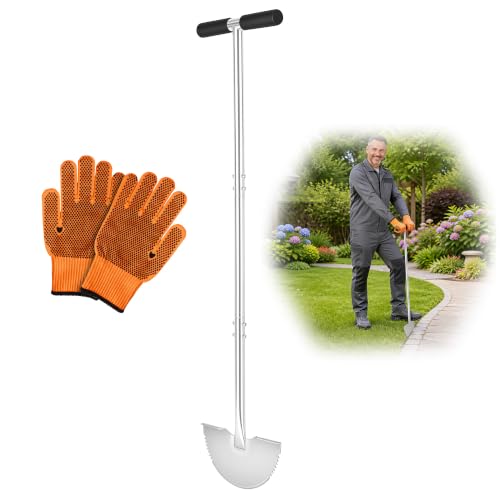
The KYEEN-TOOLS Serrated Edger Lawn Tool is a manual half-moon shovel designed to help homeowners and gardeners create clean, defined edges along sidewalks, driveways, flower beds, and garden paths. Unlike power edgers that require fuel or electricity, this tool relies on your own muscle and a sharp, serrated blade to slice through grass and soil. It is best suited for budget-conscious shoppers, first-time buyers, apartment dwellers with small yards, suburban lawn owners, and gardeners who prefer a quiet, eco-friendly approach to lawn maintenance.
In terms of real-world lawn care performance, the serrated blade is the standout feature. According to product specifications, it offers superior cutting power compared to flat-blade shovels, making it easier to cut through thick grass roots and compacted soil. The wide footrest provides stability, allowing you to apply more force for deeper, cleaner cuts. While it won't replace a power edger for large, overgrown edges, it handles routine edging along sidewalks and flower beds efficiently. The manual design also means zero noise, zero emissions, and no cords to untangle, which is a plus for early morning or quiet neighborhood work.
Build quality appears solid for the price point. The blade is made from rust-proof steel with a rust-resistant coating, which should hold up well against moisture and outdoor storage. The 38-inch T-handle is designed to reduce bending and back strain, and the included gloves add a nice touch for hand protection. The tool is lightweight and easy to store in a garage, shed, or even a small apartment closet. Assembly is straightforward, with no complicated steps required.
Setup and daily handling are simple: you just step on the footrest and push down. Maintenance involves rinsing off soil after use and occasionally wiping the blade to prevent rust. One realistic limitation is that manual edging requires more physical effort than using a power tool, especially in hard or rocky soil. The blade width is also modest, so larger edging projects may take more time and multiple passes. However, for small to medium-sized yards and regular upkeep, it is a practical, low-cost solution.
Overall, the KYEEN-TOOLS Serrated Edger Lawn Tool is a reliable choice for anyone who wants to keep their lawn edges tidy without spending a lot of money or dealing with the hassle of gas, batteries, or extension cords. It is especially well-suited for apartment dwellers with small yards, suburban homeowners with manageable edging needs, and gardeners who appreciate a straightforward, durable tool. If you are looking for a quiet, eco-friendly way to maintain crisp lawn edges, this edger is worth considering.
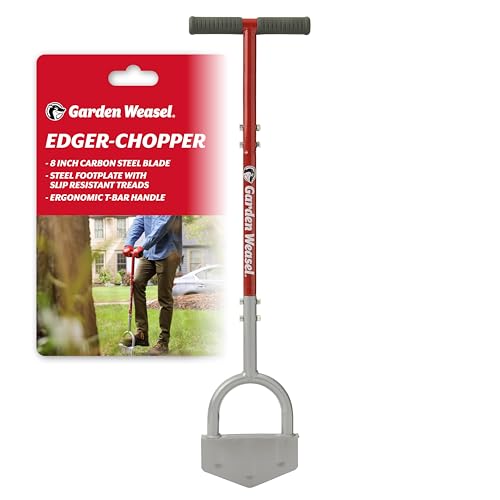


The primary objective of edging is to create a vertical or slightly angled cut that separates the lawn from adjacent surfaces. This prevents grass roots from spreading under sidewalks or into garden beds. The method varies slightly depending on whether you are using a step-on edger or a wheeled rotary tool, but the core principle remains consistent: apply controlled pressure to drive the blade into the ground to a uniform depth.
| Tool Type | Primary Motion | Best For | Effort Level |
|---|---|---|---|
| Step-Style Half Moon | Vertical stepping | Curves, tight corners, short lines | Moderate to High |
| Wheeled Rotary | Horizontal pushing | Long straight sidewalks, driveways | Low to Moderate |
| Hand-Operated Shovel | Manual digging | Very small areas, detailed work | High |
Start by clearing the area of debris, stones, or sticks that could damage the blade or cause the tool to jump.
- For step-style tools, position the blade so the cutting edge is flush against the hardscape.
- Place your foot firmly on the footplate and step down with your full body weight.
- The blade should penetrate the soil to a depth of about two to three inches.
- Lift the tool and move it a few inches forward, repeating the step.
- For wheeled tools, align the wheel with the edge and push the tool forward in a smooth, continuous motion.
- Let the weight of the wheel and the sharpness of the blades do the work; avoid jerking or forcing the tool, as this can bend the frame or dull the cutting edges.
Consistency is crucial for a professional-looking result. If you are edging a long sidewalk, try to maintain the same depth and angle throughout. It helps to use a visual guide, such as the edge of the curb or the lip of the patio, to keep the blade aligned.
If you notice the cut becoming uneven, stop and check your foot placement or pushing angle. Adjusting your stance slightly can correct the trajectory without having to redo the entire section. This attention to detail ensures that the border remains crisp and defined over time.
Preparation and Safety Checks
Before you begin, inspect the blade for any signs of damage, such as cracks, bends, or excessive wear.
- A compromised blade can fail under pressure, posing a safety risk to the operator.
- Ensure that all mounting hardware, including bolts and nuts, is tightened securely.
- Loose components can vibrate during use, leading to poor cutting performance or potential injury.
- If you are using a new tool, verify that the assembly instructions were followed correctly and that all parts are in place.
Wear appropriate safety gear, including sturdy closed-toe shoes and gloves. Gloves protect your hands from rough edges and debris, while shoes provide traction and prevent slips on wet or uneven ground. Clear the work area of any hidden hazards, such as rocks or roots, that could cause the tool to bounce or deflect. If you are working near irrigation lines or electrical cables, mark their locations to avoid accidental damage. Taking these precautions ensures a safer and more efficient edging session.
Check the weather conditions before starting. Edging is most effective when the soil is slightly moist but not saturated. Dry, compacted soil requires more force to cut, while wet, muddy soil can clog the blade and make cleanup difficult.
If the ground is too hard, consider watering the area lightly the day before to soften the top layer. This makes it easier for the blade to penetrate and results in a cleaner cut. Avoid edging during extreme heat, as the soil may be too dry and the physical exertion can be taxing.
Technique for Step-Style Edgers
Step-style edgers, often called half-moon edgers, rely on your body weight to drive the blade into the ground. Position the blade so the curved edge is against the hardscape, with the tip pointing away from you. Place your foot on the wide footplate, ensuring it is centered for balance.
Step down firmly and evenly, allowing the blade to slice through the turf and soil. The goal is to create a clean, vertical cut that exposes the root zone slightly. Lift the tool and move it forward by the width of the blade or slightly less to ensure overlap.
Maintain an upright posture to reduce strain on your back and knees. The long handle is designed to keep you from bending over, so use it to your advantage. Keep your core engaged and your feet shoulder-width apart for stability. If you feel fatigue, take breaks and switch hands if the tool allows. For curves, take smaller steps and adjust your angle to follow the shape of the garden bed. This technique requires practice, but with repetition, you will develop a rhythm that makes the process faster and more efficient.
Common mistakes with step-style edgers include stepping too hard, which can cause the blade to dig too deep, or stepping too lightly, resulting in a shallow, uneven cut. Aim for a consistent depth that matches the thickness of the turf.
If the grass is thick or overgrown, you may need to make two passes, one to cut the top layer and another to clean up the edges. Avoid using the tool on sloped surfaces, as this can lead to loss of balance and control. Focus on flat or gently sloping areas for the best results and safety.
Technique for Wheeled Rotary Edgers
Wheeled rotary edgers are designed for longer, straighter sections of sidewalk or driveway. These tools feature a rotating blade assembly that cuts the grass as you push the tool forward. Align the wheel with the edge of the hardscape and apply steady, even pressure.
The wheel helps guide the tool and maintains a consistent depth. Push the tool in a smooth, continuous motion, avoiding sudden stops or starts. This allows the blades to cut cleanly without tearing the grass. The self-sharpening design of many rotary edgers helps maintain cutting performance over time.
For corners and curves, slow down and use a pivoting motion to guide the tool around the bend. Be careful not to force the tool into tight corners, as this can stress the frame and blades. If the grass is particularly thick, you may need to make multiple passes to achieve a clean cut.
Regularly check the wheel axle for debris, such as grass clippings or dirt, which can increase resistance and make the tool harder to push. Keeping the wheel clean and free of obstructions ensures smooth operation and extends the life of the tool.
Wheeled edgers are generally easier on the body than step-style tools, as they require less vertical force. However, they can be less precise in tight spaces or around obstacles. Use them for the bulk of your edging work and switch to a step-style or hand tool for detailed areas. The adjustable handle height allows you to find a comfortable position that reduces strain on your arms and back. Experiment with different heights to find the one that feels most natural for your body type and working style.
Blade Maintenance and Sharpening
A sharp blade is essential for clean, efficient edging. Dull blades tear the grass, leading to brown edges that are slow to recover. Check the blade regularly and sharpen it when you notice reduced cutting performance. For step-style edgers, you can use a file or a sharpening stone to restore the edge.
Hold the blade at a consistent angle and file in one direction, removing metal evenly from the cutting edge. For wheeled edgers, the blades are often self-sharpening, but you may still need to clean them of debris and check for wear.
Clean the blade after each use to remove dirt, grass, and moisture. This prevents rust and corrosion, which can damage the metal and reduce its lifespan. Use a stiff brush or a damp cloth to scrub the blade, paying attention to the cutting edge and any crevices where debris can accumulate.
Dry the blade thoroughly before storing it. If you notice any rust spots, treat them with a rust remover or a mixture of vinegar and water. Regular cleaning and maintenance keep the tool in good condition and ensure reliable performance.
Store the edger in a dry, protected area, such as a garage or shed. Avoid leaving it outside in the rain or snow, as exposure to moisture can lead to rust and corrosion. Hang the tool on a wall hook or place it in a tool rack to keep it organized and easily accessible.
If you are storing it for an extended period, consider applying a thin layer of oil to the blade to prevent rust. Proper storage not only protects the tool but also makes it ready for use when you need it next.
Common Mistakes and How to Avoid Them
One of the most common mistakes is edging at the wrong time. If the grass is too long, the blade may clog or tear the turf. Mow the lawn first to ensure the grass is at a manageable height. This makes it easier for the blade to cut cleanly and reduces the amount of debris that needs to be cleaned up.
Another mistake is not checking the blade for damage before use. A cracked or bent blade can fail during operation, causing injury or further damage to the tool. Always inspect the blade and replace it if necessary.
Using too much force is another frequent error. The blade is designed to cut with minimal effort, so forcing it can lead to uneven cuts and increased fatigue. Trust the sharpness of the blade and apply steady, controlled pressure. If the blade is not cutting cleanly, it may be dull or the soil may be too hard.
Adjust your technique or prepare the soil accordingly. Finally, neglecting safety precautions can lead to accidents. Always wear appropriate gear and be aware of your surroundings to ensure a safe and successful edging experience.
Ignoring the condition of the soil can also lead to poor results. Compacted or rocky soil makes edging more difficult and can damage the blade. Consider aerating the soil or removing large rocks before edging. If the soil is too wet, wait for it to dry before using the tool. Wet soil can clog the blade and make it difficult to achieve a clean cut. By paying attention to these details, you can avoid common pitfalls and achieve professional-looking results with your manual lawn edger tool.
Choosing the Right Tool for Your Yard
The best edger for your yard depends on the size of the area, the type of hardscapes, and your physical ability. For small gardens or tight corners, a step-style half-moon edger is ideal. It offers precise control and is easy to maneuver in confined spaces. For long sidewalks or driveways, a wheeled rotary edger is more efficient. It covers more ground with less effort and is easier to use for extended periods. Consider the specific needs of your yard when selecting a tool to ensure you get the best results.
Also, consider the material and construction of the tool. High-quality steel blades last longer and maintain their sharpness better than lower-grade materials. Look for tools with durable frames and comfortable handles to reduce fatigue during use. Some tools come with additional features, such as adjustable handle heights or self-sharpening blades, which can enhance your edging experience. By choosing the right tool for your needs, you can make the task of edging your lawn easier and more enjoyable.
If you are unsure which type of edger is best for you, consider renting one before buying. This allows you to try out different models and see which one works best for your yard and physical abilities. Many hardware stores offer rental services for lawn and garden tools. By testing the tool before purchasing, you can make a more informed decision and avoid buying the wrong one. This approach can save you money and ensure that you have the right tool for the job.
Final Verification and Cleanup
After edging, inspect the border to ensure it is clean and uniform. Look for any missed spots or uneven cuts and touch them up with a hand tool if necessary. Remove any excess soil or grass clippings from the hardscape to keep the area tidy. This final step ensures that your yard looks its best and that the border remains defined. Regular edging helps maintain the appearance of your lawn and prevents grass from spreading into unwanted areas.
Clean the tool and store it properly after use. This extends the life of the tool and ensures it is ready for the next use. By following these steps, you can use a manual lawn edger tool effectively and safely, achieving a neat and professional look for your yard. The key is to practice good technique, maintain your tool, and pay attention to the details. With time and experience, you will develop a routine that makes edging a quick and easy part of your lawn care schedule.







Write Your Review
No reviews yet. Be the first to share your experience!