


Choosing the right tool for what to use to cut grass edges depends on your mower type and the specific areas you need to clean. For most homeowners, a combination of a standard push mower for the open lawn and a dedicated edging tool for borders provides the best results. You might use manual shears for tight spaces or a string trimmer for larger perimeters. The goal is a crisp, professional-looking line without damaging your turf or nearby hardscapes.
Many buyers struggle with uneven edges because they try to force a mower blade into a space it was not designed for. This often leads to torn grass or missed spots near fences and sidewalks. Understanding the function of different tools helps you select the right equipment for your specific yard layout.
Whether you have a small suburban plot or a larger rural property, the right grass edge cutting solution makes a visible difference in curb appeal. Our self-propelled mower guide can help if you are looking at larger deck options that might handle more of the edge work.
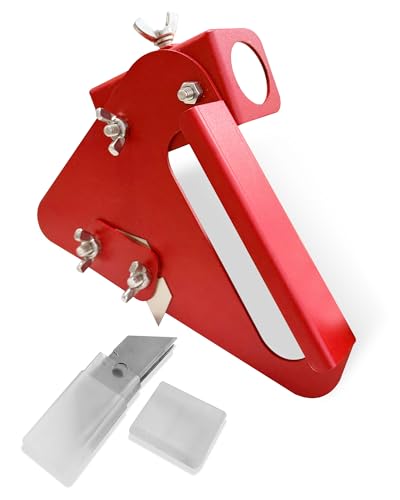
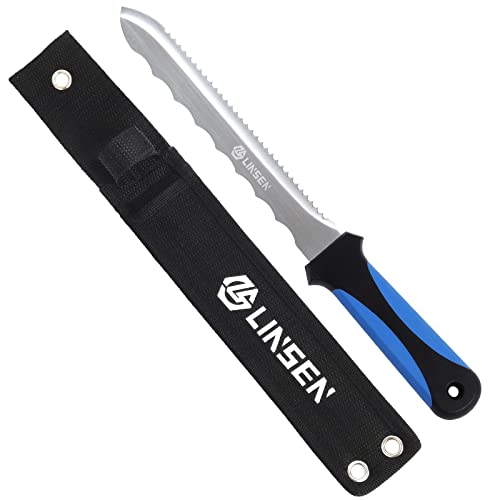


Choosing the Right Tool for Lawn Edging
The best method for cutting grass edges varies based on the width of the border, the type of mower you own, and the condition of the surrounding hardscapes. A standard mower deck is typically too wide to navigate tight corners or narrow strips between a sidewalk and a flower bed. Attempting to force the mower into these areas often results in a jagged cut or damage to the mower deck. Instead, dedicated edging tools allow you to create a precise, vertical cut that defines the lawn boundary clearly.
| Tool Type | Best For | Effort Level | Typical Use Case |
|---|---|---|---|
| Manual Grass Shears | Tight corners, small patches | High | Fences, flower beds |
| String Trimmer | Long borders, uneven ground | Medium | Large perimeters, slopes |
| Edging Blade | Consistent straight lines | Medium | Sidewalks, driveways |
| Sod Knife | Repair, thick turf | High | Spot fixes, new turf |
Before selecting a tool, assess the length of your edging needs. If you have less than fifty feet of border, manual tools are often sufficient and require no fuel or electricity. For larger properties, motorized options save significant time and physical effort. The key is matching the tool’s cutting mechanism to the specific challenge of your yard layout. A mismatched tool leads to frustration and a less-than-perfect finish.
- Manual shears are ideal for small, detailed areas near delicate plants.
- String trimmers handle long, continuous borders with minimal setup time.
- Dedicated edging blades provide a straighter cut than trimmer heads.
- Sod knives are best for removing thick turf sections for repair.
- Electric models offer lower noise and maintenance than gas units.
Manual Shears and Hand Tools for Precision
Manual grass shears, often called lawn edging clippers, are a classic choice for homeowners who want a sharp line without using power equipment. These tools feature long, forged steel blades that slide past each other to cut the grass cleanly. They are particularly effective in areas where a mower cannot reach, such as right up against a fence post or a brick wall. The manual operation allows for precise control over the angle and depth of the cut.
When using manual shears, it is important to keep the blades sharp. Dull blades will tear the grass rather than cutting it, leading to brown tips and a less healthy appearance. Regular maintenance, including oiling the pivot point and sharpening the edges, extends the life of the tool. Many models include a locking mechanism to keep the blades closed for safe storage. This makes them a practical option for seasonal use and quick touch-ups.
Hand tools like sod knives are another category of manual equipment used for edging and repair. These tools have a sharp, straight blade designed to slice through turf and soil. They are useful for removing sections of grass for spot repairs or for creating a clean edge when laying new turf. The action involves pushing the blade into the ground and lifting to separate the grass from the underlying soil. This method is labor-intensive but effective for small, specific tasks.
String Trimmers and Edging Heads
String trimmers, also known as weed eaters, are versatile tools that can handle both open lawn areas and edging tasks. When used for edging, the trimmer head is typically held vertically or at a slight angle to create a clean line. The rotating nylon line cuts the grass as it spins, allowing the user to navigate around obstacles and uneven terrain. This flexibility makes trimmers a popular choice for yards with complex layouts.
For dedicated edging, some trimmers come with interchangeable edging heads. These heads use a fixed blade or a specific line configuration designed to cut a straighter line than a standard trimmer head. The edging head is usually positioned closer to the ground and can be adjusted to match the height of your mower cut. This ensures a seamless transition between the mowed lawn and the edged border. Users should check the manufacturer’s specifications for compatible head types.
The choice of trimmer line also affects edging performance. Thicker lines, such as .065 inch, provide more cutting power and durability. They are better suited for tougher grass types and can handle heavier debris. Thinner lines are more flexible and may be less likely to break, but they require more frequent replacement. Selecting the right line diameter is crucial for maintaining consistent cutting performance and minimizing downtime. Our blade sharpening guide offers similar maintenance tips for keeping cutting edges effective.
Mower Blade Modifications and Edging Blades
Some homeowners consider modifying their mower blades to improve edging capability. However, altering the geometry of a mower blade is generally not recommended. Changing the blade angle or length can affect the mower’s balance, airflow, and cutting pattern. It may also void the manufacturer’s warranty and create safety hazards. Instead, using a dedicated edging blade or a separate tool is a safer and more effective approach.
Dedicated edging blades are designed to be mounted on a mower deck or a separate handle. They are typically shorter and narrower than standard mower blades, allowing them to cut close to obstacles. These blades are often used in commercial settings where consistent, high-quality edging is required. For residential use, they may be overkill unless you have a very large lawn with extensive edging needs. The key benefit is a straighter, more uniform cut than a standard mower blade can provide.
If you are considering a blade modification, consult the manufacturer’s guidelines first. Some mowers have adjustable blade heights or settings that can help with edging without requiring physical changes to the blade. Adjusting the cutting height to be slightly higher when edging can help prevent the mower from catching on curbs or hardscapes. This simple adjustment can improve the overall finish without the risks associated with blade modification. Always prioritize safety and manufacturer recommendations when working with mower components.
Specialty Tools for Synthetic Turf and Hard Surfaces
For artificial turf, standard grass cutting tools may not be suitable. Synthetic turf requires a different approach to edging and trimming. Specialty trimmers designed for artificial grass use sharp, fixed blades to cut the fibers cleanly without fraying them. These tools are often used by landscapers and facility managers to maintain the appearance of synthetic lawns. They can be used manually or with a long handle for standing operation.
When edging near hard surfaces like concrete or asphalt, it is important to use a tool that will not damage the surface. String trimmers with metal heads can scratch or chip concrete if used too aggressively. Manual shears or specialized edging blades with protective guards are safer options for these areas. Taking care to avoid direct contact with hardscapes preserves the integrity of both the tool and the surrounding infrastructure. This is especially important in high-traffic areas where damage can lead to safety issues.
Chemical weed killers are sometimes used as an alternative to cutting grass edges. While they can kill unwanted vegetation, they are not a substitute for physical cutting. Overuse of herbicides can damage nearby plants and harm the environment. It is best to use physical cutting methods for regular maintenance and reserve chemical treatments for persistent weed problems. Always follow the label instructions for any chemical product to ensure safe and effective use. This approach balances aesthetic goals with environmental responsibility.
Maintenance and Safety Considerations for Edging Tools
Regular maintenance is essential for keeping edging tools in good working order. After each use, clean off dirt and grass clippings from the blades and moving parts. Inspect the blades for any signs of damage, such as cracks or bending. Replace any damaged parts immediately to prevent further injury to the tool or the user. Proper storage in a dry, secure location protects the tools from rust and theft. This extends the lifespan of your equipment and ensures it is ready for the next season.
Safety is a top priority when using any cutting tool. Wear appropriate protective gear, including safety glasses and sturdy footwear. Keep fingers away from the cutting area and ensure that the tool is properly secured before starting. For powered tools, make sure the safety guards are in place and functioning correctly. Never bypass any safety features, as this can lead to serious injury. Following these safety guidelines helps prevent accidents and ensures a smooth edging experience.
Understanding the limitations of your tools is also important for safety. Do not use a tool for a purpose it was not designed for. For example, do not use a string trimmer to cut through thick brush or hard objects. This can cause the line to break or the tool to malfunction. If you encounter an obstruction, stop and remove it manually before continuing. This cautious approach protects your equipment and reduces the risk of injury. Always prioritize safe operation over speed or convenience.
Selecting the right tool for cutting grass edges is about matching the equipment to your specific needs and yard layout.
- By considering the type of tool, the condition of your hardscapes, and your maintenance capabilities, you can achieve a professional-looking finish.
- Whether you choose manual shears for precision or a string trimmer for efficiency, the key is to use the right tool for the job.
- This ensures a clean, crisp edge that enhances the overall appearance of your lawn, so take the time to evaluate your options and select the tool that best fits your requirements.



Write Your Review
No reviews yet. Be the first to share your experience!