


Mowing wet grass with a ryobi lawn mower is generally not recommended by manufacturers due to the high risk of clumping, uneven cuts, and potential damage to the cutting deck and blades. While electric mowers like Ryobi models are often lighter and easier to start than gas counterparts, the physical interaction between wet turf and the blade remains the primary concern for any walk-behind mower.
The moisture causes grass clippings to stick together, clogging the discharge chute and reducing the efficiency of the cut. This can lead to a patchy appearance and may force the motor to work harder than intended, potentially affecting battery life or motor longevity.
Understanding the specific mechanics of your mower helps in making this decision. Electric mowers, including cordless battery models, typically have less torque than high-displacement gas engines, making them more susceptible to stalling if the deck becomes clogged with wet clippings. For homeowners looking to maintain a healthy lawn, waiting for the grass to dry is the safest approach.
If you must mow in damp conditions, adjusting your technique and mower settings can mitigate some risks. Our mower blade height guide offers additional context on how cutting height affects grass health and mower performance in various conditions.
Pros
- Quiet and emission-free, great for early morning or late evening mowing without disturbing neighbors
- Very easy to assemble and requires almost no ongoing maintenance
- Cuts grass cleanly without shredding, leading to a healthier lawn appearance
- Lightweight and easy to store, takes up minimal garage or shed space
Cons
- Not suitable for tall or wet grass; requires frequent mowing when grass is dry and under 4 inches
- Limited cutting width of 14 inches means more passes on larger lawns, best for small to medium yards
- No power assist, so uneven or hilly terrain can make pushing more difficult
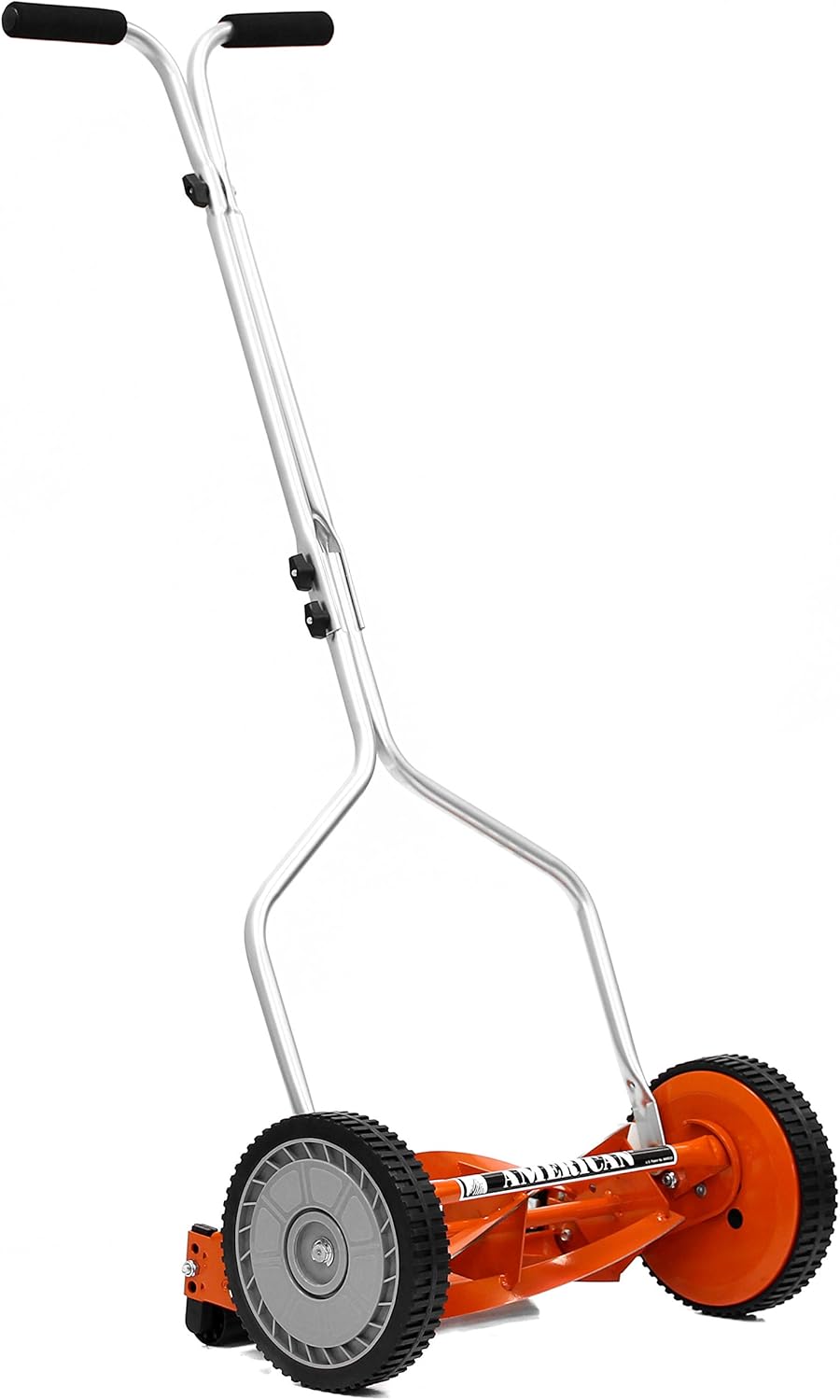
The American Lawn Mower Company 1204-14 is a classic push reel mower that brings back the simplicity of manual lawn care. Unlike gas or electric mowers, this tool relies entirely on your own muscle power to spin the reel and cut grass. It's a straightforward, no-nonsense machine designed for homeowners who prioritize quiet operation, zero emissions, and low maintenance over speed and brute force.
This mower is best suited for small, flat lawns with cool-season grasses like bluegrass, fescue, and rye. It's ideal for DIY homeowners who enjoy a bit of exercise while taking care of their yard. If you have a quarter acre or less and don't mind mowing more frequently during the growing season, this reel mower can deliver a clean, precise cut that actually promotes a healthier lawn by slicing rather than shredding the grass blades.
In real-world use, the 1204-14 performs best when you stay on top of your mowing schedule. It handles grass up to 4 inches tall, but for the best results, you should mow when the grass is dry and no more than about 3 inches high. The adjustable cutting height ranges from 0.5 to 1.75 inches, giving you good control over lawn appearance. The 8.5-inch polymer wheels roll smoothly on flat ground, but the mower can struggle on uneven or bumpy terrain. You'll need to make multiple passes if the grass is on the taller side, and wet grass will clog the reel and leave an uneven cut.
Build quality is decent for the price point. The frame is made of steel, and the reel blades are heat-treated alloy steel that stay sharp for years with minimal care. Assembly is straightforward and can be done in about 15 minutes with basic tools. The cushioned T-handle is comfortable for most users, though taller individuals might find it a bit low. At just 19 pounds, the mower is easy to lift and store, and it takes up very little space in a garage or shed.
One realistic drawback is that this mower won't replace a gas or electric model for larger or more demanding lawns. If you have a half-acre or more, or if your yard has hills, you'll likely find the manual effort tiring and time-consuming. Also, the 14-inch cutting width means more passes compared to a 21-inch power mower. But for its intended use - small, flat lawns - the American Lawn Mower 1204-14 is a reliable, eco-friendly, and cost-effective choice that gets the job done without noise, fumes, or ongoing fuel costs.

Pros
- Quiet and eco-friendly with no gas fumes or battery charging needed.
- Lightweight and easy to push for small to medium lawns.
- Adjustable cutting height offers versatility for different grass types.
- Included grass catcher simplifies cleanup.
Cons
- Not suited for large or overgrown lawns due to manual effort required.
- Cutting height range is limited compared to power mowers.
- Assembly required out of the box.
The Sun Joe MJ500M is a classic manual reel push mower designed for homeowners who want a quiet, eco-friendly alternative to gas or electric mowers. This 16 inch cutting width model is built around an alloy steel deck that resists rust and stands up to the elements, making it a durable choice for small lawn care.
This mower is best suited for people with modest sized yards who enjoy a hands-on approach to lawn maintenance. It delivers a clean scissor-like cut that is healthier for grass compared to the tearing action of rotary blades. The 4-position height adjustment lets you dial in cutting depths from just under an inch to nearly two inches, which covers most typical lawn heights.
Performance is straightforward - you push and the reel spins. The 8.8 inch wheels roll smoothly and the 22 pound weight makes it easy to turn and navigate around flower beds or trees. The detachable grass catcher holds 6.6 gallons, which is enough for a small yard without constant emptying. Since there are no motors, batteries, or gas tanks, maintenance is minimal: just keep the blades sharp and the reel lubricated.
Build quality is decent for the price point. The alloy steel deck feels solid, and the plastic components are typical for budget reel mowers. One realistic limitation is that thick or tall grass will require more effort to push through. This mower works best when used weekly on a well-maintained lawn. Also, the cutting height range is narrower than what power mowers offer, so it may not suit lawns with very uneven growth.
Overall, the Sun Joe MJ500M is a solid choice for the DIY homeowner who values quiet operation, zero emissions, and a good workout while mowing. It is not a replacement for a gas mower on a large property, but for compact lawns it gets the job done with simplicity and reliability.
Brand: Sun Joe
Model: MJ500M
Type: Manual Reel Push Mower
Cutting Width: 16 inches
Cutting Height: 4 positions, 0.88 to 1.81 inches
Deck Material: Alloy Steel
Wheel Size: 8.8 inches
Grass Catcher Capacity: 6.6 gallons
Weight: 22 pounds
Dimensions: 52.4 x 20 x 9.9 inches
Assembly Required: Yes
Ideal for small to medium sized lawns under a quarter acre. Perfect for homeowners who want to avoid gas fumes and noise. Great for maintaining a tight, manicured look in Bermuda or fescue grass. Also works well as a trimmer for tight spots around gardens where power mowers cannot reach.
Why Wet Grass Challenges Electric Mowers
The primary issue with mowing wet grass is not the power source, but the physical state of the turf.
- When grass blades are saturated with water, they bend and fold rather than standing upright.
- A mower blade designed to cut through dry, stiff blades may instead slice through a bundle of wet, limp grass.
- This results in a rough, shredded cut rather than a clean shear.
- For electric mowers, this resistance increases the load on the motor.
- In cordless models, this extra load drains the battery faster, reducing the total runtime available for the job.
Clipping management is the second major factor. Dry clippings are light and aerodynamic, allowing them to be discharged out the side or collected in a bag efficiently. Wet clippings are heavy and sticky. They tend to mat together, forming large clumps that can block the discharge chute.
In bagging mowers, these clumps can pack into the grass catcher, reducing its effective capacity and potentially causing the bag to overflow or detach. For side-discharge mowers, the clumps can be thrown onto the lawn, creating unsightly patches that are difficult to clean up.
| Factor | Dry Grass Impact | Wet Grass Impact |
|---|---|---|
| Cut Quality | Clean, precise cut | Shredded, uneven cut |
| Clipping Discharge | Efficient flow | Clogging and matting |
| Motor Load | Standard operation | Increased strain |
| Lawn Health | Minimal stress | Compaction and disease risk |
The difference in performance is significant. A mower that handles a dry lawn with ease may struggle with a wet one. This is particularly true for lighter electric models that rely on consistent airflow and blade speed to maintain cutting efficiency. When the deck clogs, the blade speed drops, further reducing the quality of the cut. This creates a negative feedback loop where the mower becomes less effective the longer it runs in wet conditions.
Identifying Safe Mowing Conditions
Determining if your grass is dry enough to mow requires a simple visual and tactile check. The most reliable method is the “drop test.” Pull a few blades of grass from the ground and drop them. If they fall straight to the ground and stay there, they are likely dry enough to mow. If they bounce or stick to each other, they are still wet. This test accounts for both surface moisture and internal water content in the blade.
Time of day also plays a role. Morning dew can make grass feel damp, but it often evaporates quickly as the sun rises. However, if the dew is heavy or the air is humid, the grass may remain wet for several hours. Waiting until mid-morning or early afternoon is often a safer bet. If you have just watered your lawn, waiting 24 to 48 hours is recommended to ensure the soil and grass blades have dried sufficiently.
- Perform the drop test on multiple spots in the lawn
- Check for standing water or puddles in low areas
- Assess the humidity levels in the air
- Wait at least 24 hours after watering before mowing
- Observe the color of the grass; wet grass appears darker
Adjusting Mower Settings for Damp Conditions
If you determine that the grass is only slightly damp and you must mow, adjusting your mower settings can help. Raising the cutting height is a key step. Cutting wet grass shorter than usual increases the likelihood of clumping and scalping. Setting the mower to its highest setting allows the blades to cut through the wet mass with less resistance. This also leaves more leaf surface area, which helps the grass recover from the stress of being cut while wet.
Using the side-discharge mode is generally better than bagging in damp conditions. Bagging wet clippings leads to clogging and reduced bag capacity. Side-discharge allows the clippings to fall onto the lawn, where they can dry and break down. However, be prepared for a messier discharge. You may need to rake or blow the clumps after mowing. If your mower has a mulching plug, avoid using it in wet conditions, as mulching relies on fine clipping distribution that is difficult to achieve with wet grass.
Slowing down your mowing speed is another critical adjustment. Moving slowly allows the blade to make more passes over the same area, ensuring a cleaner cut. This also gives the discharge chute more time to clear the clippings. Rushing through a wet lawn will result in a clogged deck and a poor cut. Take your time and be prepared to stop and clear the deck if it becomes clogged.
Preventing Damage to Your Mower
Protecting your mower from the effects of wet grass is essential for long-term reliability. After mowing in damp conditions, clean the underside of the deck thoroughly. Wet clippings and soil can accumulate and cause rust, especially on steel decks. Use a stiff brush and a hose to remove all debris. For electric mowers, be careful not to get water into the motor housing or battery compartment. Allow the mower to dry completely before storing it.
Inspect the blades for any signs of damage or dullness. Wet grass can be more abrasive, potentially dulling the blades faster. Sharp blades cut cleanly, while dull blades tear the grass, making it more susceptible to disease. If you notice the blades are dull, sharpen them or replace them according to the manufacturer’s instructions. Regular maintenance of the blades ensures optimal performance in all conditions.
Check the wheels and drive system for any debris. Wet grass can stick to the wheels and axles, affecting maneuverability. Clean these parts to ensure smooth operation. If your mower has a self-propelled drive, ensure that the drive belts and pulleys are free of grass and dirt. This prevents slippage and ensures consistent drive performance. Our push mower maintenance guide provides detailed steps for keeping your mower in top condition.
Impact on Lawn Health and Appearance
Mowing wet grass can have negative effects on the health of your lawn. The weight of the mower can compact the soil, especially in low-lying areas. Soil compaction reduces the ability of the soil to absorb water and air, which can stress the grass roots. This is particularly problematic in clay soils, which are prone to compaction. To minimize this, avoid mowing in low-lying areas when the ground is wet.
Wet grass is also more susceptible to disease. The torn and shredded blades created by mowing wet grass provide entry points for fungi and other pathogens. This can lead to issues like brown patch or dollar spot. To reduce this risk, ensure that your mower blades are sharp and that you are not cutting the grass too short. A healthy, well-maintained lawn is more resistant to disease and can recover more quickly from stress.
The appearance of the lawn is also affected. Clumps of wet clippings can create unsightly patches that take time to break down. This can make the lawn look uneven and unkempt. If you must mow in wet conditions, be prepared to spend extra time cleaning up the clumps. Using a leaf blower or rake can help remove the clumps and restore the lawn’s appearance. Waiting for the grass to dry is the best way to avoid these issues entirely.
Alternative Strategies for Wet Weather
If you cannot wait for the grass to dry, consider alternative strategies. One option is to use a reel mower. Reel mowers use a scissor-like cutting action that is less likely to clog than a rotary blade. They are also lighter and less likely to compact the soil. However, reel mowers are best suited for small, flat lawns and may not be effective on larger or uneven properties. They also require more physical effort to push.
Another option is to delay mowing until the weather improves. This is the safest and most effective strategy. A few days of waiting will not harm your lawn, but mowing wet grass can cause lasting damage. If you are concerned about the grass growing too long, you can trim it slightly with a hedge trimmer or use a mower on a higher setting to reduce the length. This reduces the amount of grass that needs to be cut when the weather improves.
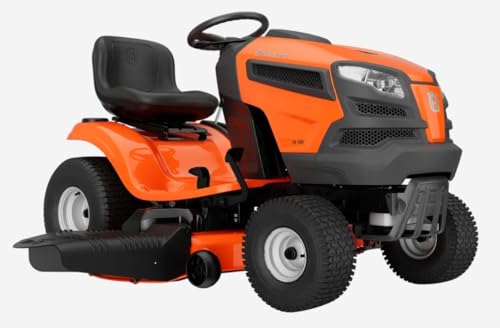
For larger properties, consider using a riding mower or lawn tractor. These machines have more power and can handle wet grass more effectively than walk-behind mowers. They also have larger decks and better discharge systems, which can handle the increased volume of wet clippings. However, they are also heavier and can cause more soil compaction. Use them with caution in wet conditions.
Ultimately, the decision to mow wet grass depends on your specific situation and the condition of your lawn. While it is possible to mow in damp conditions with careful technique and mower adjustments, it is generally not recommended.
The risks of clumping, clogging, and lawn damage outweigh the benefits of mowing on a strict schedule. Waiting for the grass to dry is the best way to ensure a healthy, well-maintained lawn and a long-lasting mower. If you must mow in wet conditions, follow the guidelines provided to minimize the risks and protect your equipment.




Write Your Review
No reviews yet. Be the first to share your experience!