


Cordless outdoor power equipment has transformed seasonal firewood processing and storm cleanup by swapping 2-stroke premix fuel for instant push-button starting. Operators investing in high-voltage cordless chainsaws frequently wonder about platform cross-compatibility across their existing tool collections. A central question among property owners is can you use a 20 volt battery in a 60 volt dewalt chainsaw without damaging the brushless motor or starving the cutting assembly of necessary torque. While modern lithium-ion platforms offer incredible operational convenience, matching powerhead voltage requirements to battery pack discharge capabilities remains essential for reliable performance in dense hardwoods.
Unlike vintage gas workhorses detailed in our vintage chainsaw yard work overview that rely on mechanical carburetors, high-voltage cordless tools utilize electronic motor controllers calibrated for specific operational ranges. Dedicated 60V outdoor powerheads require high-draw current delivery that standard 20V battery packs simply cannot provide. Understanding how physical terminal keying, voltage step-up barriers, and multi-voltage battery architecture interact will keep your cutting gear running smoothly while preventing unnecessary powerhead shutdowns in the field.

Pros
- Incredible runtime, especially in 20V tools.
- Automatic voltage adjustment adds versatility.
- LED indicator for easy monitoring.
- Works with huge range of DEWALT tools.
- Solid build quality.
Cons
- Heavier and bulkier than standard 20V batteries.
- High upfront cost for the 2-pack.
- Not backward compatible with older DEWALT 18V tools.
The DEWALT FLEXVOLT DCB609-2 2-pack is a battery system that thinks ahead. Each 9.0Ah pack automatically senses the tool you’ve attached and adjusts voltage from 20V MAX to 60V MAX (and even 120V MAX in compatible tools). That means one battery works across your entire DEWALT cordless lineup, from a compact drill to a high powered chainsaw or grinder.
This kit is built for contractors, serious woodworkers, and DIYers who push their tools hard. The real advantage shows up in runtime. In a 20V MAX tool, each battery gives you up to six times the run time of a standard 1.5Ah pack. You spend less time swapping batteries and more time cutting, driving, or grinding. For high draw tools like a 60V circular saw or a 120V miter saw, the FLEXVOLT delivers sustained power that feels almost corded.
Build quality matches DEWALT’s reputation. The housing is impact resistant and sealed against jobsite dust. The integrated LED fuel gauge takes the guesswork out of battery management. At 4.4 pounds per battery they aren’t light, but the extra weight is a fair trade for the energy density and runtime you get.
On the downside, the 2-pack price is steep compared to standard 20V batteries. Also, their size and weight make them less ideal for compact drills or impact drivers where maneuverability matters. And if you still run older 18V DEWALT tools, these won’t work with them.
Overall, if you’re invested in the DEWALT 20V/60V ecosystem and need max runtime and versatility, this 2-pack is a smart investment. It’s especially valuable for heavy users who want to streamline their battery collection.
Brand: DEWALT
Model: DCB609-2
Voltage: 20V MAX / 60V MAX (auto switching)
Capacity: 9.0 Ah per battery
Energy: 180 Watt hours per battery (360 Wh combined)
Weight: 4.4 pounds per battery
Dimensions: 6 x 3 x 5.5 inches
Battery Type: Lithium Ion
Included: (2) DCB609 FLEXVOLT batteries
Warranty: 3 year limited
The FLEXVOLT system is designed to simplify your tool setup. One battery works across all DEWALT 20V MAX, 60V MAX, and 120V MAX* tools. When you attach a 20V tool, the battery delivers 20V output with high capacity. On a 60V tool, it reconfigures internal cells to provide 60V power. This means you can use the same battery in a compact driver and a heavy duty miter saw without carrying multiple battery types. The DCB609-2 2-pack gives you enough runtime for a full day of mixed work.

Pros
- Exceptional runtime for extended work sessions without frequent recharges.
- Compatible with multiple DEWALT voltage platforms, increasing tool versatility.
- Sturdy build quality with impact-resistant housing for jobsite durability.
Cons
- Higher upfront cost compared to standard 20V batteries, but justified by performance.
- Not compatible with older 18V tools without an adapter, limiting use for some users.
- Size and weight may feel bulky on compact tools like drills or impact drivers.
The DEWALT FLEXVOLT DCB606 is a 6.0Ah lithium-ion battery that operates on both 20V MAX and 60V MAX platforms, automatically switching voltage based on the tool you use. This means you can power your everyday 20V drill or saw, then drop it into a 60V circular saw for heavy ripping without needing a separate battery. It's a smart system that simplifies your battery lineup.
This battery is best suited for contractors, carpenters, and serious DIYers who demand high runtime and power for demanding tasks like framing, decking, or running large saws. The 4x runtime over a standard 1.5Ah pack means fewer interruptions on the jobsite, while the 3x power boost over older 18V batteries gives you the muscle to cut through thick lumber or dense materials with ease.
In real-world use, the DCB606 delivers consistent power without noticeable drop-off as it drains. The LED charge indicator is a practical touch, letting you gauge remaining capacity at a glance. Build quality is typical DEWALT tough, with a rugged housing that handles drops and dust well. At 2.25 pounds, it's light enough for overhead work but still feels solid in hand.
One realistic drawback is the price it costs more than standard 20V packs, but the versatility and runtime justify the investment for frequent users. Also, it's a bit bulky for compact tools like impact drivers, where a smaller battery might balance better. However, for high-draw tools like miter saws or hammer drills, the extra capacity is a clear win.
Overall, the DEWALT FLEXVOLT DCB606 is a smart buy for anyone already in the DEWALT ecosystem or looking to upgrade to a more powerful, flexible battery system. It's a reliable workhorse that reduces downtime and boosts productivity on any serious project.
Brand: DEWALT
Model: DCB606
Voltage: 20V MAX / 60V MAX (FLEXVOLT)
Capacity: 6.0Ah
Weight: 2.25 pounds
Dimensions: 3.37 x 7 x 7 inches
Color: Black
Compatibility: 20V MAX, 60V MAX, and 120V MAX tools
The FLEXVOLT system is DEWALT's innovative battery platform that automatically changes voltage when you switch tools. In a 20V MAX tool, the battery reconfigures its internal cells to deliver 20V output. In a 60V MAX tool, it switches to 60V for higher power. This means one battery works across multiple voltage lines, reducing the number of batteries you need to carry. The DCB606 is also compatible with 120V MAX tools (using two batteries) for even heavier applications like large miter saws or table saws.
This battery excels in high-drain tools like circular saws, reciprocating saws, and hammer drills where extended runtime and consistent power are critical. It's ideal for framing, decking, roofing, and other heavy construction tasks. DIYers tackling large projects like building a shed or remodeling a room will appreciate fewer battery swaps. For mechanics, it powers impact wrenches and grinders with authority. It's less suited for light-duty tasks where a smaller, lighter battery would be more comfortable.

Pros
- Great balance of power and size for moderate drilling and driving jobs
- Batteries charge quickly and hold up well for intermittent use on typical DIY projects
- Build quality feels solid for the price point, with a belt clip included for portability
Cons
- Chuck is plastic and can slip under heavy torque, limiting durability for constant professional use
- Battery life is adequate for light tasks but may run short for sustained heavy drilling into concrete or steel
- No built in side handle or depth stop, so precision drilling can be trickier without accessories
The DEWALT 20V MAX Cordless Drill Driver Kit (DCD771C2) is one of the most popular entry level drills in the power tool market. It belongs to DEWALT's 20V MAX lineup, a broad battery ecosystem that powers everything from impacts to saws. This drill targets the homeowner, DIYer, and light contractor who needs a dependable tool for assembling furniture, driving screws into studs, or drilling holes up to 1/2 inch in wood and metal without breaking the bank.
In real world use, the drill’s 300 UWO motor delivers enough power to handle common tasks like mixing paint, installing shelving, or drilling into soft metal. The two speed trigger gives you fine control: low speed for driving screws without stripping, high speed for quick drilling through plywood. At only 3.6 pounds, it won't wear you out during a weekend project. The compact head length (7.98 inches) fits well in tight spots like inside cabinets or behind ductwork. The rubber overmold on the grip feels secure, even with sweaty hands.
Build quality is decent for the price. The chuck is plastic, which can wear over time if you frequently use larger bits or apply side pressure. The battery packs (included are two 20V 1.3Ah) are lightweight but limited for extended runtimes; you'll likely want a higher capacity battery if you plan heavy use. But for intermittent drilling and driving, they recharge quickly enough in the included charger. The LED light is a nice addition under a sink or in a dim attic.
Drawbacks? The lack of a side handle means one handed drilling can get tiring for larger bits, and there is no depth stop for consistent pilot holes. The plastic chuck may slip with certain hex shank bits if you don't tighten it fully. Also, this drill is not brushless, so it's less efficient and noisier than higher end models. But for a budget kit, it delivers reliable performance for light to moderate tasks.
Overall, if you're a DIYer tackling furniture assembly, basic repairs, or light remodeling, this DEWALT 20V MAX drill offers excellent value. It's also a smart choice for homeowners who want a cordless drill that fits into DEWALT's battery platform. For heavy daily use or professional concrete drilling, consider a brushless model with a metal chuck. But for the money, the DCD771C2 is a solid, no nonsense drill that gets the job done.

Pros
- Lightweight and easy to handle for overhead pruning and tight spaces
- Powerful brushless motor delivers consistent cutting speed on small branches
- Compatible with common Dewalt 20V and 60V batteries for flexible use
- Auto oiler ensures chain stays lubricated without manual attention
Cons
- Battery and charger not included, requires existing Dewalt battery system
- 12-inch bar limits cutting capacity to branches and small logs only
- Limited user reviews available for long-term reliability assessment
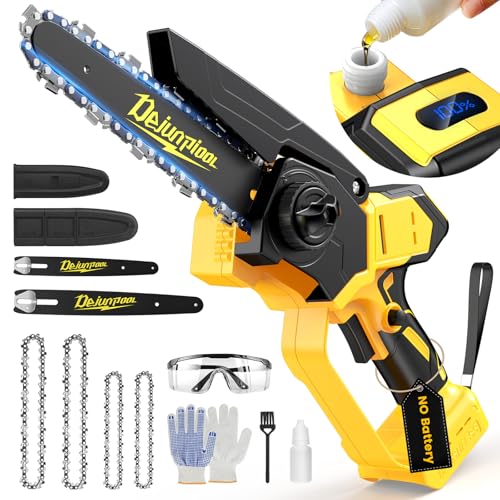
The FXAFXA brushless electric chainsaw is a compact 12-inch cordless saw designed as a tool-only option for Dewalt 20V and 60V battery platforms. It targets homeowners, DIY yard workers, and property owners who need a lightweight saw for routine tree trimming, pruning, and light storm cleanup. With its brushless motor and auto oiler, it aims to deliver reliable performance without the hassle of gas engines or cords.
In terms of cutting power, the 1000W copper brushless motor provides a chain speed of 13 meters per second, which is sufficient for cutting limbs up to about 10 inches in diameter and small logs. The automatic oiler keeps the chain lubricated during use, reducing friction and wear. Tool-free chain tensioning and a double nut design make adjustments simple, so you can spend more time cutting and less time fiddling.
Build quality appears solid for the price point. The motor uses pure copper windings for durability, and the chain is made of German manganese steel for sharper, longer-lasting performance. The saw weighs only 5 pounds, making it easy to maneuver for overhead pruning or one-handed use on smaller branches. A safety lock prevents accidental startups, and the ergonomic handle offers decent comfort for short to medium cutting sessions.
Setup is straightforward if you already own Dewalt batteries. Just slide in a compatible battery (like DCB204, DCB205, or DCB606), adjust the chain tension, fill the oil tank, and you're ready. The included storage bag, gloves, and two spare chains add value for beginners. Maintenance involves regular chain sharpening and keeping the oiler filled, but the tool-free design simplifies bar and chain swaps.
Realistically, this saw is not for heavy firewood cutting or large tree felling. The 12-inch bar limits its capacity to branches and small logs. It also requires an existing Dewalt battery system, which adds cost if you don't already own one. With no user reviews yet, long-term reliability is uncertain, but the specs suggest decent value for light-duty tasks.
Overall, the FXAFXA brushless electric chainsaw is a practical choice for homeowners, landscapers, and ranch owners who need a lightweight, battery-powered saw for pruning, trimming, and occasional storm cleanup. It works best as a complement to a larger gas or corded saw for heavier work. If you're already invested in Dewalt batteries and want an affordable, easy-to-use limbing saw, this model is worth considering.
The 12-inch bar and 13m/s chain speed make this saw effective for branches up to 10 inches thick and small logs. The brushless motor provides consistent torque without bogging down on green wood. The auto oiler ensures smooth operation, and the German manganese steel chain stays sharp longer than standard chains. For pruning, limbing, and light firewood cutting, performance is solid for the price.
The pure copper brushless motor is a highlight for durability and efficiency. The double nut guide bar design adds stability, and the tool-free tensioning system simplifies adjustments. The included chains are made from German manganese steel for improved edge retention. The plastic housing feels sturdy enough for occasional use, though the saw is not designed for heavy professional work.

Pros
- Exceptional runtime for heavy-use tools, reducing downtime for recharging
- Versatile dual-voltage design works with both 20V and 60V DEWALT tools
- Sturdy build quality that holds up to real-world jobsite abuse
Cons
- Heavier than standard 20V compact batteries, which may affect balance on some tools
- Higher upfront cost compared to lower-capacity batteries, though the runtime justifies the investment for pros
The DEWALT DCB609 is a 9Ah FlexVolt battery pack designed to power both 20V MAX and 60V MAX tools. It's part of DEWALT's innovative FlexVolt system, which automatically detects the tool's voltage requirements and adjusts output accordingly. This means one battery can serve double duty, whether you're running a compact drill or a high-torque circular saw.
This battery is best suited for contractors, electricians, carpenters, and serious DIYers who need reliable, long-lasting power on the job. The 9Ah capacity on 20V tools provides extended runtime for tasks like driving screws all day or cutting plywood without swapping batteries. On 60V tools, it delivers the high current needed for demanding applications like miter saws and grinders, though runtime is reduced to about 3Ah at that voltage.
In real-world use, the DCB609 performs admirably. It powers through tough cuts in hardwood and dense materials without bogging down. The battery's weight (2.8 pounds) is noticeable on smaller tools, but the trade-off is that you spend less time recharging. The built-in LED fuel gauge is a handy feature, letting you see remaining charge at a glance so you can plan your workflow. Build quality is typical DEWALT: tough, impact-resistant housing that can survive drops and exposure to dust on active jobsites.
One realistic limitation is the battery's size and weight. On compact tools like impact drivers or small drills, it can make the tool feel top-heavy and less maneuverable. Also, the price is higher than standard 20V batteries, but considering the dual-voltage capability and runtime, it's a solid investment for pros who use both voltage platforms. The battery is compatible with all DEWALT 20V MAX and 60V MAX chargers, so you don't need to buy new charging equipment.
Overall, the DEWALT DCB609 is a smart choice for anyone already invested in the DEWALT ecosystem. It offers the flexibility to power two voltage lines with one battery, excellent runtime for heavy tasks, and the durability expected from a top-tier brand. If you're a contractor or a dedicated DIYer who values productivity and hates stopping to recharge, this battery is worth the extra cost.
Brand: DEWALT
Model: DCB609
Voltage: 20V MAX / 60V MAX (FlexVolt)
Capacity: 9Ah (20V) / 3Ah (60V)
Weight: 2.8 pounds
Dimensions: 6 x 3 x 5.5 inches
Color: Multi
Battery Type: Lithium-ion
The DCB609 uses DEWALT's FlexVolt technology, which is a game-changer for cordless tool users. FlexVolt batteries automatically switch voltage when you attach them to a 20V MAX or 60V MAX tool. This means you can use the same battery across a wide range of tools, from compact drills to heavy-duty saws. The 9Ah capacity on 20V tools provides all-day runtime for most tasks, while the 3Ah on 60V tools gives you enough power for demanding cuts without weighing you down. It's fully compatible with all DEWALT 20V MAX and 60V MAX chargers, so upgrading is seamless.
This battery shines in high-drain applications where runtime matters. Use it with a DEWALT 60V MAX circular saw for framing or decking, where you need consistent power through thick lumber. It's also great with 20V MAX hammer drills for masonry work, or with grinders for metal cutting. For electricians and carpenters, the extended runtime means fewer interruptions on large jobs. DIYers tackling big projects like building a shed or remodeling a room will appreciate not having to swap batteries constantly.
Technical Compatibility and Battery Architecture for Dewalt Cordless Chainsaws
Cordless battery technology has reshuffled traditional expectations around cutting speed, powerhead balance, and maintenance routines. When operating outdoor power equipment, matching the tool electrical rating to the mounted battery pack is critical for function and safety. Direct inquiries regarding whether can you use a 20 volt battery in a 60 volt dewalt chainsaw arise because both lines share similar styling and sliding pack designs. Attempting to slide a standard 20V battery into a 60V powerhead reveals intentional engineering restrictions designed to protect the equipment.
Why Standard 20V Max Batteries Cannot Power 60V Chainsaws
A standard DEWALT 20V MAX battery cannot operate a dedicated DEWALT 60V MAX chainsaw. The most immediate barrier is mechanical keying built into the tool battery foot. Dedicated 60V MAX tools feature physical plastic ribs and terminal barriers that prevent standard 20V packs from sliding completely into place. This physical lockout prevents an underpowered battery from making electrical contact with a tool requiring higher nominal voltage.
Beyond the physical casing, the electrical requirements of a 60V brushless motor make standard 20V power unworkable. A 20V MAX battery pack consists of five lithium-ion cells wired in series, delivering 18 volts nominal and 20 volts peak under zero load. In contrast, a 60V MAX chainsaw motor controller requires approximately 54 volts nominal to initialize its circuitry and spin the brushless stator. Even if an operator bypassed the mechanical rail guides, the low voltage would trigger immediate undervoltage protection in the motor control unit.
Woodcutters sometimes confuse standard 20V packs with the proprietary FLEXVOLT line because FLEXVOLT packs carry both 20V and 60V branding. Standard packs such as the DCB204 or DCB205 are strictly single-voltage 20V products. These standard packs are engineered exclusively for 20V tools such as compact drills, impact drivers, and light-duty pruning saws. Attempting to force them into a high-draw forestry tool creates mechanical strain on the housing without producing chain rotation.
How the DEWALT FLEXVOLT Dual-Voltage Architecture Operates
The confusion around voltage compatibility stems directly from the switching architecture found in DEWALT FLEXVOLT battery packs. Unlike standard batteries, packs like the DEWALT FLEXVOLT 20V/60V MAX Lithium Ion Battery contain fifteen individual lithium-ion cells arranged in three parallel strings of five cells. When connected to a standard 20V tool, the battery terminal pins configure these strings in parallel, yielding an extended-runtime 20V output. This internal wiring supplies dependable power to standard drills, blowers, and light saws.
When you slide that exact same FLEXVOLT pack into a 60V tool, mechanical switches inside the tool receptacle engage internal bypass terminals on the battery. This physical engagement shifts the three cell groups from a parallel circuit into a series circuit. By connecting three 18-volt nominal cell strings end-to-end, the pack outputs 54 volts nominal and 60 volts maximum. The battery changes its internal circuit configuration based entirely on the tool you mount it to.
This dual-voltage flexibility functions in one direction only. A FLEXVOLT battery can step down to power a 20V tool, but a standard 20V battery cannot step up to power a 60V tool. As a result, woodcutters who own high-output 60V equipment must maintain a stable supply of genuine FLEXVOLT packs. Just as sourcing chainsaw replacement components requires matching exact specifications, cordless powerheads demand exact battery platform compatibility to function safely.
Motor Demand and Rotational Torque in High-Voltage Chainsaws
Electric chainsaws generate cutting power differently than traditional 2-stroke gasoline engines. Gas engines rely on high-RPM crankshaft rotation and centrifugal clutches to maintain momentum through dense timber. Cordless chainsaws like the Dewalt Saw Chain BRUSHLESS Bare 18IN DCCS672B utilize heavy-duty brushless electric motors that deliver maximum rotational torque almost instantly upon pulling the throttle trigger. Brushless motors direct high electrical currents directly through magnetic coils to spin the rotor without physical carbon brushes.
Pulling an 18-inch guide bar through green hardwoods creates immense rotational resistance against the cutters. If a motor were fed by a low-voltage circuit, the electrical system would draw excessive amperage to compensate for the missing voltage, causing severe heat buildup in the wiring. By operating at 60V MAX, the motor controller draws lower amperage while still delivering high mechanical wattage to the drive sprocket. This balance reduces heat generation and prevents motor winding failure during sustained bucking.
Heavy firewood processing that once required high-displacement gas saws like those examined in our guide to classic logging chainsaws can now be handled by high-voltage cordless units, provided the electrical platform delivers sufficient continuous wattage. When a saw encounters tough timber, electronic current limiters prevent the motor from burning out. Standard 20V batteries lack the internal cell capacity to sustain such intense power draws, which is why 60V chainsaws enforce their voltage requirements so strictly.
Battery Capacity, Watt-Hours, and Woodcutting Runtime
Evaluating battery performance requires looking beyond simple voltage numbers to understand total watt-hour capacity. A battery amp-hour rating indicates how much electrical charge it can supply over time, but watt-hours represent total usable energy. For example, the DEWALT FLEXVOLT 20V/60V MAX* Batteries, 9.0-Ah provide 180 watt-hours of stored energy in each individual pack. That energy rating is calculated by multiplying nominal voltage by operating amp-hour capacity.
When using a pack like the DEWALT DCB609 on a 60V powerhead, its 9.0-Ah rating at 20V shifts to an effective 3.0-Ah capacity at 60V. While 3.0-Ah might sound modest on paper, the pack delivers that current at three times the operating pressure, yielding identical total energy. Operators tackling thick trunk sections will notice substantially less chain slowing under load when using higher watt-hour packs. Smaller 6.0-Ah FLEXVOLT packs discharge their cells faster under continuous load, leading to quicker thermal pauses.
Continuous bucking generates substantial internal heat inside lithium-ion cells as energy discharges rapidly through the motor controller. High-capacity 9.0-Ah packs distribute this electrical burden across larger cell arrays, keeping internal temperatures lower during heavy firewood sessions. For homeowners managing moderate yard maintenance and small pruning jobs, a 6.0-Ah pack provides sufficient endurance with less powerhead weight. Woodcutters processing multi-cord firewood piles will benefit significantly from alternating between two 9.0-Ah packs on a rapid charger.
Hybrid Multi-Voltage Saws vs Dedicated 60V Max Platforms
While genuine OEM DEWALT 60V chainsaws strictly reject 20V batteries, the broader outdoor power market includes versatile aftermarket options. Tools such as the Brushless Electric Chainsaw 12″ Cordless Tool Only from FXAFXA feature open battery receiver footings. This design is engineered specifically to accept both standard 20V DEWALT batteries like the DCB205 and dual-voltage FLEXVOLT packs like the DCB606 and DCB609. The internal brushless motor in these hybrid units is built with a flexible 1000W copper winding that accommodates multiple voltage inputs.
Mounting a standard 20V battery to a hybrid 12-inch saw provides an agile, lightweight setup ideal for trimming overhead branches and clearing trail brush. In this configuration, the motor spins the cutting chain at practical working speeds while drawing modest current from standard tool batteries. However, sliding a heavy FLEXVOLT pack into that same hybrid tool unlocks higher chain speeds and improves stall resistance when cutting through fallen logs. This adaptability offers a practical middle ground for homeowners who already own multiple standard 20V packs.
Woodcutters must recognize the operational differences between compact 12-inch hybrid saws and full-sized 18-inch forestry models. A compact hybrid saw weighing roughly five pounds is engineered for quick limbing, storm brush cleanup, and light carpentry cutting. Dedicated 60V chainsaws feature heavier chassis, wider bumper spikes, and dual captive bar nuts designed to handle severe bucking torsional loads. Choosing between these platforms depends on log diameter, cutting volume, and existing battery investments.
Matching Guide Bar Length, Chain Pitch, and Battery Discharge
Guide bar length directly impacts how much electrical current the motor demands from the battery pack during each cut. As guide bar length increases from 12 inches to 18 inches, the saw chain surface area contacting timber expands dramatically. This expanded contact creates greater friction, which requires the brushless motor to pull more current to maintain chain velocity. Attempting to run an oversized guide bar on an underpowered powerhead causes rapid battery drain, excessive heat, and frequent electronic stalling.
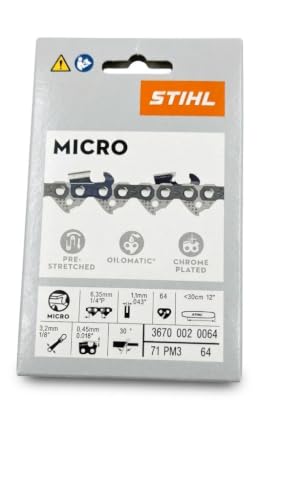
Chain specifications also play a major role in electrical efficiency and battery runtime. Most battery-powered chainsaws utilize narrow-kerf cutting chains with a 3/8-inch low-profile pitch and a .043-inch or .050-inch gauge. Narrow-kerf chains remove a thinner slice of wood with every pass, reducing the mechanical work required from the motor. Installing an aggressive, standard full-kerf chain designed for large gas saws will bog down a cordless motor and drain a high-capacity battery in minutes.
Proper chain lubrication is equally critical for preserving battery charge and preventing motor strain. The automatic oiler pump must supply consistent bar and chain lubricant to reduce metal-on-metal friction along the guide bar rails. A dry or improperly tensioned chain creates severe drag that turns valuable electrical energy into wasted heat. Operators should inspect the oil reservoir regularly and clear clogged bar oil holes whenever changing or tensioning the cutting chain.
Thermal Protection, Charging Logistics, and Cold-Weather Cutting
Modern lithium-ion battery packs incorporate electronic monitoring systems to protect the internal cells from catastrophic damage. Embedded thermistors continuously measure cell temperatures during both charging and discharging cycles. If prolonged cutting in dense hardwoods causes internal temperatures to exceed safe operational thresholds, the battery automatically cuts power to the tool. When this occurs, the pack must cool down before the motor controller will allow the saw to restart.
Managing battery temperature is especially important during extreme summer heat or sub-zero winter cutting conditions. Operating a high-voltage saw in freezing temperatures can temporarily reduce available discharge capacity, causing the pack indicator LEDs to register fewer bars. To maximize performance in winter, keep spare batteries stored in an insulated container or inside a heated vehicle until you are ready to make cuts. Never attempt to recharge a frozen battery pack, as charging cold lithium-ion cells can cause permanent internal plating damage.
Establishing an efficient charging rotation ensures continuous woodcutting productivity on large cleanup jobs. Standard wall chargers take several hours to recharge large 9.0-Ah packs, creating substantial downtime between work sessions. Investing in a high-output fast charger allows an operator to replenish one battery while actively cutting with a second pack. Keeping cooling fins free of sawdust and wiping battery terminal contacts clean ensures optimal electrical conductivity and fast charging cycle completion.
Safe Operation, Preventive Maintenance, and Equipment Selection
Battery-powered chainsaws operate silently until the operator engages the throttle trigger, creating a unique set of safety considerations. Because there is no idling engine noise to remind bystanders that the saw is live, setting the front handguard chain brake whenever you set the tool down is mandatory. Cordless saws also deliver instant rotational torque, meaning kickback forces can develop instantaneously if the upper tip of the guide bar contacts an obstruction. Always grip the wrap-around front handlebar firmly with your thumb wrapped underneath to maintain positive control.
Before beginning any cutting operation, inspect the guide bar rails, chain tension, and drive sprocket for excessive wear. The saw chain should fit snugly against the underside of the guide bar rail without sagging, while still pulling smoothly around the bar nose by hand with the chain brake released. Whenever performing maintenance, clearing sawdust buildup, or adjusting chain tension, disconnect the battery pack completely from the powerhead. This simple step eliminates any possibility of accidental motor engagement while your hands are near the sharp cutter teeth.
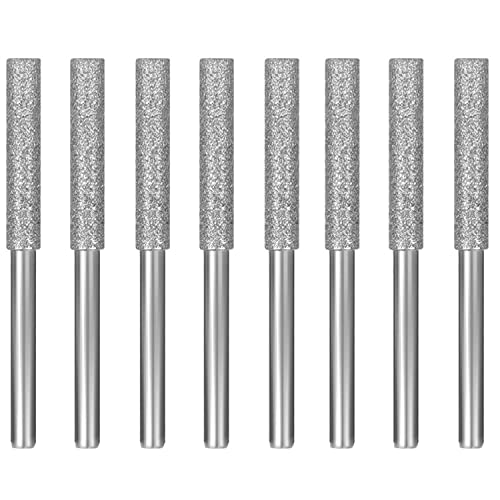
Routine preventative maintenance will keep your cordless chainsaw operating at peak efficiency across multiple cutting seasons. Dress the guide bar rails regularly with a flat file to remove mushroomed burrs and ensure straight tracking through log kerfs. Sharpen the cutter teeth with the correct diameter round file, maintaining uniform cutter angles and filing depth gauges to match timber hardness. With proper battery management, clean guide rails, and a sharp chain, high-voltage cordless saws provide exceptional cutting power that rivals traditional gas equipment without fuel mixing.






Write Your Review
No reviews yet. Be the first to share your experience!