


Cold weather presents significant hazards for small outdoor power equipment when seasonal maintenance is neglected. Gasoline left sitting in a four-stroke engine degrades over several months, resulting in varnish accumulation, clogged carburetor passages, and frustrating startup failures in the spring. Understanding how to store gas lawn mower for winter provides the practical foundation needed to shield your engine, cutting deck, and fuel components from moisture and cold damage. Homeowners who rely on mowers for residential properties can protect their investment by completing a few straightforward maintenance tasks before freezing temperatures arrive.
Winterization requires addressing essential systems such as fuel stabilization, crankcase lubrication, cylinder protection, and undercarriage cleaning. Moisture trapped against raw steel decks or acidic residues lingering in contaminated engine oil can slowly deteriorate key components throughout months of storage. Taking time to service these areas preserves engine efficiency and prevents costly repairs when the mowing season resumes. Following a dependable winter preparation routine ensures that your walk-behind machine remains in dependable working condition year after year.

Pros
- Auto choke and primer bulb make starting nearly effortless – great for less experienced users or those who dislike pulling cords.
- Lightweight at 58.4 pounds, so it’s easy to push on flat terrain and navigate around obstacles.
- Durable steel deck feels solid and should handle years of typical use without issues.
- Five height adjustments give you flexibility to mow different grass types and seasons.
Cons
- Only side discharge included – no mulching or bagging capability, so you’ll need to rake or use a separate catcher for clippings.
- 18-inch cutting width is smaller than many standard mowers, meaning more passes on larger lawns.
- Gas engine requires regular maintenance like oil changes and fuel stabilization, which may be a drawback for eco-conscious users.
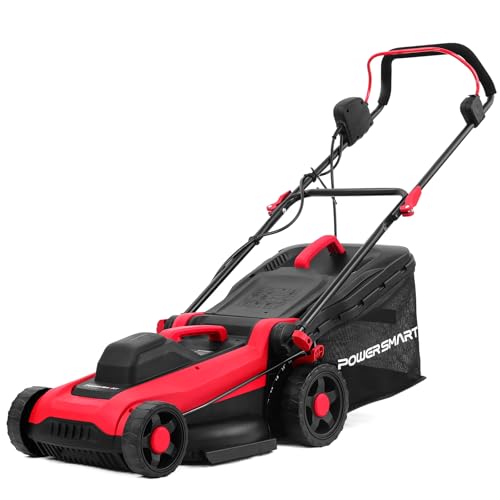
If you’re a homeowner or first-time buyer looking for an affordable gas push mower that starts easily and handles small to medium lawns, the PowerSmart 18-inch 144cc model deserves a close look. This walk-behind mower is designed for practicality: it’s lightweight, maneuverable, and built with a steel deck that can take the bumps and knocks of regular yard work. The standout feature is the auto choke and primer bulb combo, which means you spend less time yanking a cord and more time mowing on Saturday morning.
When it comes to cutting performance, the 18-inch blade does a solid job on typical suburban grass, including thick patches that might bog down weaker mowers. The side discharge clears clippings efficiently, so you won’t have to stop frequently to unclog. However, if you prefer mulching or bagging, you’ll need to handle clippings separately – this mower is side-discharge only. The five cutting heights (1.5 to 3.9 inches) are easy to adjust with the dual-lever system, letting you tailor the cut for spring growth, summer heat, or fall leaf cleanup.
Build quality is a highlight: the steel deck feels sturdy and resistant to rust, while the 8-inch rear and 7-inch front wheels provide good traction on uneven ground. The mower is light enough (58 pounds) to push uphill on gentle slopes without straining, and the handle height is comfortable for most users. Storage is straightforward – the handle folds down, so the mower takes up minimal space in a garage or shed. Maintenance is also simple: the oil fill and air filter are easy to access, and changing the blade is a straightforward job with basic tools.
That said, there are a few limitations to keep in mind. The 18-inch cutting width means more passes on larger lawns, so it’s best suited for yards up to a quarter acre. The gas engine requires regular care – oil changes, fuel stabilization, and cleaning – which may not appeal to everyone. Noise levels are typical for a gas mower, so early morning mowing might disturb neighbors. And since there’s no grass bag, you’ll need to rake or leave clippings on the lawn.
Overall, the PowerSmart 18-inch gas push mower is a practical, budget-friendly option for homeowners who want a reliable machine for basic lawn maintenance. It’s especially good for first-time buyers, elderly users who appreciate easy starting, or anyone with a small yard who doesn’t need mulching or bagging. If you’re after a simple, no-fuss mower that gets the job done without a high price tag, this one is worth considering.

Pros
- Lightweight and easy to push, ideal for small yards and users who prefer a non-self-propelled mower.
- Reliable 144cc gas engine provides ample power for thick grass without the hassle of batteries or cords.
- Side-discharge design effectively handles clippings and reduces cleanup time.
- 3-position height adjustment offers flexibility for different grass lengths and seasonal conditions.
Cons
- No mulching or bagging option included; only side discharge is available, which may require additional raking.
- 18-inch cutting width is narrow, making it less efficient for larger lawns compared to wider models.
- Assembly may require basic tools and some time, though instructions are generally clear.
The SENIX Gas Lawn Mower is a compact, lightweight push mower designed for homeowners with small yards, first-time buyers, or anyone looking for a straightforward gas-powered cutting solution. With an 18-inch steel blade and a 144cc 4-cycle engine, it delivers reliable performance for routine grass maintenance around suburban homes, apartments with small lawns, or even rural properties with modest cutting needs.
This mower is best suited for budget-conscious shoppers and those who prioritize ease of use over advanced features. The 37.5-pound weight makes it one of the lighter gas mowers available, so pushing it across a flat lawn or maneuvering around flower beds and garden hoses feels manageable. The ergonomic handle and 7-inch rear wheels help with turning in tight corners, and the 3-position height adjustment (1.2 to 3.15 inches) allows you to adapt to different grass conditions without needing tools.
In terms of cutting performance, the 144cc engine provides enough power for typical grass growth in small to medium yards. The side-discharge system uses a vortex tunnel design to spread clippings evenly, which can reduce the need for raking after mowing. However, note that this model does not include a mulching plug or grass bag, so you will rely solely on side discharge. If you prefer a clean, bagged finish or want to mulch clippings for lawn health, you may need to purchase additional accessories or consider a different model.
Build quality is practical for the price point. The deck is made of durable materials, and the lightweight construction helps with storage in a garage or shed. The mower's compact dimensions (23.5 x 21 x 11.78 inches) make it a good fit for smaller storage spaces. Maintenance is straightforward: check oil before each use, keep the blade sharp, and clean the underside after mowing to prevent grass buildup. The engine is a standard 4-cycle, so it runs on regular gasoline and requires oil changes periodically.
Realistic limitations include the 18-inch cutting width, which means more passes on larger lawns compared to 21-inch or wider models. Additionally, the lack of self-propulsion means you'll need to push it yourself, which could be tiring on hilly terrain or larger properties. The side-discharge-only design may leave clippings on the lawn, which some users find messy, but it does help return nutrients to the soil if you mow frequently.
Overall, the SENIX Gas Lawn Mower is a solid choice for homeowners who want an affordable, lightweight gas mower for small yards, apartment patios, or as a backup mower. It's especially good for first-time buyers or those who want a simple, no-fuss machine that starts easily and cuts reliably. If you have a larger lawn, need mulching or bagging, or prefer self-propelled convenience, you may want to explore other options. But for basic lawn care on a budget, this mower gets the job done.

Pros
- Reliable 144cc engine starts easily even after storage
- Lightweight and easy to push across small lawns
- Versatile 3-in-1 cutting options for mulching, bagging, or side discharge
- Affordable price point for a gas-powered mower
- Foldable handle saves storage space in compact garages
Cons
- 18-inch cutting width may be small for lawns larger than 1/4 acre
- No self-propelled feature – requires manual pushing on slopes or thick grass
- Grass bag capacity is not specified but likely smaller than larger mowers, requiring more frequent emptying
The PowerSmart EasyCut 18-Inch Gas Lawn Mower is a straightforward push mower designed for homeowners who need reliable performance on small to medium-sized lawns. With its 144cc 4-stroke OHV engine and 18-inch steel deck, this mower targets budget-conscious shoppers, first-time buyers, and those with compact yards up to a quarter acre. It's a practical tool for weekly mowing, mulching fall leaves, or keeping the grass tidy before a backyard barbecue.
When it comes to cutting performance, the 3-in-1 system gives you flexibility: mulch clippings for lawn health, bag them for a clean finish, or side discharge when grass is thick. The 6-position height adjustment lets you dial in the cut from 1 to 3 inches, so you can avoid scalping on uneven ground or leave grass longer during hot summer months. Many users find the 18-inch width nimble enough to navigate around flower beds and garden hoses, though it may take more passes on a larger lawn. The rear bag collects clippings reasonably well, and emptying it is quick – a plus when you're trying to finish before dinner.
Build quality is a highlight for the price. The steel deck is powder-coated to resist rust and impact, and the lightweight 55-pound frame makes it easy to push and maneuver. The handle folds without tools, allowing you to store the mower vertically in a shed or garage corner – a real advantage for apartment dwellers or anyone with limited space. Assembly is tool-free, and you can have it ready to mow in under 10 minutes. The rubberized grip handle is comfortable for most users, though taller folks might wish for a bit more height adjustability.
The engine is a key selling point: the 144cc OHV powerplant starts reliably in 1-2 pulls thanks to the auto choke and recoil starter. It sips gas, so you won't be refueling often during a typical mowing session. Maintenance is straightforward – access to the oil dipstick and air filter is easy, and blade replacement is simple with basic tools. Noise levels are typical for a gas mower, so early morning mowing might disturb neighbors, but the engine is not excessively loud.
Realistically, this mower has limitations. The 18-inch width means more laps on a 1/3-acre lot, and there's no self-propelled drive, so you'll need to push it yourself – fine for flat ground but tiring on slopes. The grass bag capacity is not specified, but based on its size, expect to empty it frequently during peak growth. Some users may prefer a larger cutting deck or a self-propelled model for convenience. However, for its price, the PowerSmart EasyCut offers excellent value.
Overall, the PowerSmart EasyCut is a smart buy for homeowners with small lawns, renters with tiny yards, or anyone looking for an affordable gas mower that's easy to store and maintain. It handles the basics of lawn care reliably, and its lightweight design makes it a good choice for elderly users who don't want to wrestle with a heavy machine. If your yard is under a quarter acre and you prioritize simplicity and budget, this mower is worth considering.
The PowerSmart EasyCut offers a 3-in-1 cutting system that lets you switch between mulching, bagging, and side discharge. The 18-inch steel blade is sharp enough to handle typical grass growth, and the 6-position height adjustment (1 to 3 inches) gives you control over the final cut. For mulching, the mower recirculates clippings finely, returning nutrients to the soil – ideal for eco-conscious homeowners. Bagging is efficient for a clean look, though the bag may fill quickly on thick, damp grass. Side discharge works well for tall growth, reducing clogs and saving time. The cutting width is best for small to medium lawns; larger areas will require more passes.
Many users report that the mower cuts evenly on flat terrain, but scalping can occur on uneven ground if the height is set too low. The lightweight design helps you maneuver around obstacles, but it also means the mower may bounce on bumpy lawns. Overall, the cutting performance is solid for the price point, with reliable grass handling for routine weekly maintenance.
The heart of the PowerSmart EasyCut is a 144cc 4-stroke OHV engine. This overhead valve design provides good torque for a push mower of this size, making it capable of cutting through thick grass without bogging down. The recoil starter with auto choke ensures easy starting, often in 1-2 pulls even after the mower has been sitting for a few days. The engine runs on regular unleaded gasoline and is relatively fuel-efficient, so you can mow a small lawn several times on a single tank.
Maintenance is straightforward: the oil dipstick is easy to access for checking levels, and the air filter can be cleaned or replaced without major disassembly. The engine is not overly loud compared to other gas mowers, but it's still louder than electric models. For suburban lawns, the noise is acceptable for daytime mowing. Overall, the engine delivers dependable power for the mower's intended use – small to medium yards where ease of use and reliability matter more than raw horsepower.

Pros
- Reliable 144cc engine with no oil mixing needed, plus better fuel economy than 2-stroke alternatives.
- Durable steel deck and overmolded wheels handle rocky or hilly lawns well.
- 5 height settings give you control over cut length from short to tall grass.
- Low noise compared to many gas mowers, making it neighbor-friendly during early morning or evening mowing.
- Easy maintenance with accessible air filter and blade replacements.
Cons
- No self-propulsion; you'll need to push it manually, which can be tiring on larger yards or steep slopes.
- At 43.4 pounds, it's heavier than some comparable push mowers, though the wheels help rolling.
- Only side discharge included; no bagging or mulching option mentioned, limiting versatility for some users.
The SENIX LSPG-L5 is a gas-powered push lawn mower designed for homeowners who want a dependable machine without the complexity of battery charging or 2-stroke engine maintenance. It uses a 144cc 4-cycle OHV engine that runs on straight gasoline, offering a simple start and consistent power for cutting grass on small to medium lawns (up to about a quarter acre).
This mower is best suited for DIY-oriented homeowners who value fuel efficiency and low noise over the convenience of self-propulsion. The 20-inch steel deck provides a good balance between cutting width and maneuverability, allowing you to trim around flower beds and fences without too much hassle. The 5-position height lever lets you quickly adjust from 1.25 to 3.75 inches, accommodating different grass lengths and seasonal conditions.
Performance is solid for its class. The engine starts reliably (prime and pull) and runs smoothly, cutting through typical turf grass without bogging down. The side discharge clears clippings well, though on very thick wet grass you may need to overlap passes. The 7-inch overmolded wheels roll easily over uneven ground and small bumps, but the lack of self-propulsion means you'll feel the weight on inclines or longer sessions. At 43 pounds, it's manageable but not lightweight.
Build quality is good for the price point. The steel deck feels sturdy and the plastic components are well fitted. Assembly takes about 20 minutes with basic tools. The 2-year warranty adds peace of mind, though you'll want to keep the blade and air filter clean to ensure longevity. A realistic drawback: there's no mulching or bagging attachment included, so if you need those features you'll have to look at other models or buy accessories separately.
Overall, the SENIX 144cc gas lawn mower is a smart choice for budget-conscious homeowners who want a reliable gas mower for flat to slightly rolling yards. It's not for steep hills or large acreage, but for everyday lawn care it delivers good value with low operating costs.
Brand: SENIX
Power Source: Gas Powered (4-stroke OHV engine, 144cc)
Cutting Width: 20 inches
Cutting Height Range: 1.25 - 3.75 inches (5 positions)
Discharge Type: Side discharge
Wheel Size: 7 inches front and rear (overmolded)
Deck Material: Heavy-duty steel
Weight: 43.4 pounds
Dimensions (assembled): 27.2 x 22.2 x 14.2 inches
Assembly Required: Yes
Warranty: 2-year manufacturer warranty
UPC: 843212102748
Model Number: GCJ-LSPG-L5

Pros
- Tough plastic steel material stands up to fuel and weather without cracking or rusting.
- Simple inline design installs in seconds with basic hand tools.
- Two filters included offer good value for the cost.
- Universal fit for many outdoor power tools and small engines.
Cons
- Only works with 1/4-inch fuel lines; check your line size before buying.
- Not recommended for engines with a fuel pump; best for gravity-fed or pulse-pump carburetors.
- Some users may prefer a clear housing to see dirt accumulation, but these are opaque.
This Gasedin 2-Pack Gas Fuel Filter is a simple but vital component for small engines used in lawn mowers, snowblowers, generators, and other carbureted equipment. It is a 1/4-inch inline filter with a 150-micron mesh, designed to catch dirt, rust, and other contaminants before they reach the carburetor. While it may not be a power tool itself, it is an essential accessory for anyone who maintains outdoor power equipment in their workshop or garage.
This filter is best suited for DIY homeowners, weekend mechanics, and small engine enthusiasts who regularly service their own mowers, trimmers, or tractors. It is not intended for high-pressure fuel injection systems, but for gravity-fed or pulse-pump carburetors found on most lawn and garden gear. The plastic steel (POM) construction gives it good resistance to fuel, oil, and weather, so it holds up well in wet or dusty conditions without rusting or deforming.
In real-world use, the filter installs quickly. You just cut the fuel line, push the barbed ends into the hose, and secure with clamps. The 150-micron rating is fine enough to catch small particles without restricting fuel flow too much. Over time the filter will get dirty, but swapping in a fresh one is easy and cheap. The two-pack means you always have a spare ready, which is handy when the mower starts sputtering mid-season. The size is compact enough to fit in tight spaces under the fuel tank.
One realistic limitation is that it only fits 1/4-inch lines, so you need to verify your equipment before ordering. It also may not work well on engines with a mechanical fuel pump because the filter can create extra restriction. The opaque housing means you cannot see when it is dirty without pulling it off, but regularly changing it at the start of each season solves that. Overall, the Gasedin fuel filter is a practical, affordable maintenance item for keeping small engines running reliably. If you own any carbureted outdoor power tool, having a couple of these on hand is a smart move.
Brand: Gasedin
Model: 2-Pack Fuel Filter
Color: 2 PCS
Filtration: 150 Micron
Material: POM (Plastic Steel)
Fits Hose Size: 1/4 inch
Height: 1.75 inches
Diameter: 1.31 inches
OEM Number: BS 298090S
Compatible With: Lawn mowers, small tractors, garden equipment, snowmobiles, and other small engine carburetors without a fuel pump.

Pros
- Starts reliably on the first pull thanks to auto choke
- Strong enough to handle overgrown grass and weeds without bogging down
- Easy height adjustment with a single lever that works on all four wheels simultaneously
- Lightweight enough for most users to maneuver and store
Cons
- Plastic motor cover and dipstick housing can crack under vibration, leading to oil leaks
- Height adjustment lever may slip during use, requiring a zip tie to hold position
- Not designed for slopes over 15 degrees or hilly terrain
The BILT HARD 20 inch gas lawn mower is a budget friendly push mower aimed at homeowners maintaining small to medium sized flat yards. Powered by a 144cc 4-cycle OHV engine with an auto choke system, it eliminates the hassle of priming and choking, so you just pull the cord and it fires up. The 20 inch cutting deck is a practical size for navigating gates and storage areas while still covering decent ground.
This mower is best suited for people with a quarter to half acre lot that doesn't have steep hills. The 8 position height adjustment lets you go from a short 0.7 inch trim to a taller 3.2 inch cut, which is useful for different grass types or seasonal conditions. In real world use, the engine handled thick grass and weeds without stalling, and the side discharge kept clippings spreading evenly. The foam wrapped grip and ball bearing wheels make pushing comfortable on flat turf, though the mower is not self propelled so you'll need to supply the legwork.
Build quality is a mixed bag. The metal cutting deck feels solid, but several components like the motor cover, dipstick housing, and wheel retainers are plastic. Some users reported excessive vibration that caused those parts to crack or fall off within hours of use. The height adjustment lever also has a tendency to slip, though a simple zip tie fix works. That said, many owners have put multiple seasons on their mower without issues, so your mileage may vary depending on how rough the terrain is.
Ergonomics are decent for a budget mower. The handle is adjustable and the grip stays comfortable even after an hour of mowing. At 51 pounds, it's not overly heavy to lift or push. Storage is straightforward thanks to the compact footprint. Just be mindful that you shouldn't tilt the mower on its side to avoid oil entering the combustion chamber, as noted in the manual.
Drawbacks are worth considering before buying. The plastic parts are a real durability concern, and the mower isn't meant for slopes. If you have a perfectly flat lawn and want a mower that starts easily and cuts well without breaking the bank, the BILT HARD delivers. But if you need something that will survive rough use or tricky terrain, look at a more rugged model with a metal frame and better vibration dampening. For the price, it's a solid value for light duty homeowners.
Engine: 144cc 4-Cycle OHV, 3.8 HP
Cutting Width: 20 inches
Cutting Heights: 8 positions, 0.7 to 3.2 inches
Wheels: 7 inch rear, 6 inch front with ball bearings
Weight: 51 pounds
Dimensions: 57.4 x 21.6 x 38.5 inches
Deck Material: Metal
Discharge: Side
Start Type: Auto choke, recoil pull
Fuel Type: Gasoline (unleaded)
Essential Steps on How to Store Gas Lawn Mower for Winter
Storing a gas-powered lawn mower for the winter requires a methodical approach that protects the fuel delivery system, internal engine surfaces, and cutting deck from seasonal decay. Gasoline deteriorates quickly in unheated environments, while lingering moisture and acidic combustion residues can cause corrosion across steel and aluminum components. By completing a structured sequence of fuel treatment, oil service, undercarriage maintenance, and dry sheltering, you eliminate common spring starting headaches. Taking these preventive steps ensures that your push mower remains ready to deliver clean cuts when lawn growth resumes in the spring.
Managing the Fuel System to Prevent Carburetor Gumming
Modern unleaded gasoline contains ethanol that readily absorbs ambient humidity from the atmosphere over extended storage periods. As temperature fluctuates during winter, this absorbed moisture separates from the gasoline in a chemical reaction known as phase separation. The resulting water and alcohol mixture sinks directly to the bottom of the fuel tank and enters the carburetor bowl. This corrosive blend attacks brass jets and creates sticky varnish deposits that restrict fuel delivery during initial spring starts.
Homeowners generally choose between two reliable strategies for fuel preservation: treating a full tank with quality fuel stabilizer or draining the entire system completely. If you choose fuel stabilization, add the recommended ratio of stabilizer to fresh fuel and run the engine for five minutes. This runtime ensures that treated gasoline circulates through the fuel line, shut-off valve, and carburetor passages. Filling the tank nearly full with stabilized fuel also reduces open air space, minimizing internal condensation during cold snaps.
Running the engine dry serves as an alternative method for small displacement four-stroke engines without fuel pumps. After siphoning the excess fuel from the tank, restart the mower and allow it to idle until the engine naturally stalls from fuel starvation. Engaging the primer bulb or pulling the recoil starter several additional times clears out residual droplets trapped within the main jet. Storing a completely dry carburetor eliminates the risk of gum formation and keeps internal needle valves moving freely.
Inspecting Fuel Lines and Inline Fuel Filters
Small inline fuel filters play an essential role in trapping microscopic rust particles, dirt, and tank debris before they reach delicate engine passages. Gravity-fed fuel systems on residential walk-behind mowers often rely on 1/4-inch inline filters equipped with 150-micron filtering elements. Replacement filters made from durable polyoxymethylene plastic resist fuel additives, ethanol corrosion, and temperature swings. Inspecting this component before winter ensures that trapped sediment does not settle into the fuel line or enter the carburetor during storage.
Examining the flexible fuel lines connected to the filter is equally important before putting the mower away for the season. Rubber fuel tubing can stiffen, crack, or soften from seasonal exposure to heat and modern blended fuels. If you notice signs of dry rot, cracking, or loose clamp connections, replacing the line and filter simultaneously restores system integrity. Addressing fuel plumbing issues in the fall prevents surprise gasoline leaks and vapor hazards inside enclosed storage spaces during the winter.
Changing the Engine Oil and Flushing Contaminants
Engine oil accumulates carbon particles, unburned hydrocarbons, and corrosive moisture over a full season of mowing. Leaving contaminated oil inside the crankcase allows these acidic combustion byproducts to settle against polished aluminum and steel surfaces. Over several months of freezing temperatures, this dirty oil can cause microscopic pitting on engine bearings and cylinder walls. Performing an oil change before winter storage flushes out these harmful suspended contaminants and fills the crankcase with fresh protective lubricants.
Draining the oil is easiest when the engine has run for a few minutes to warm the lubricant and suspend dirt particles. Disconnect the spark plug wire first, then tip the mower according to manufacturer directions or use an oil siphon pump to evacuate the crankcase. Refill the engine with the exact viscosity grade of four-cycle small engine oil specified in your operator manual. Check the dipstick carefully to ensure the oil level sits squarely between the minimum and maximum fill marks without overfilling.
Protecting the Cylinder Bore and Servicing the Spark Plug
Servicing the spark plug provides an opportunity to inspect engine combustion health while preparing the upper cylinder for hibernation. Always detach the spark plug boot and tuck it away from the terminal to eliminate any risk of accidental startup while working. Use a spark plug socket to remove the plug, examining the electrode tip for heavy carbon crusting, wet oil deposits, or physical damage. A light tan or grayish tip indicates balanced combustion, while heavy deposits suggest the plug should be replaced before the next season.
Protecting the bare cast iron or aluminum cylinder walls from winter condensation requires a light coating of clean oil. Pour roughly one tablespoon of fresh four-stroke engine oil or spray specialized fogging oil directly through the open spark plug port. Slowly pull the recoil starter rope once or twice to cycle the piston and distribute the oil film evenly across the cylinder walls and piston rings. Reinstall the spark plug finger-tight to keep dirt, moisture, and pests out, leaving the boot disconnected for winter safety.
Cleaning the Undercarriage Deck and Inspecting the Blade
Tipping the lawn mower correctly is critical when accessing the underside of the cutting deck for seasonal cleaning. Always position the mower so the air filter and carburetor face upward toward the sky rather than toward the ground. Tilting the machine on the wrong side can cause crankcase oil to drain into the air intake, soaking the paper air filter and fouling the combustion chamber. Following this correct orientation protects internal engine components while exposing the entire undercarriage for inspection.
Wet grass clippings packed under the mower deck contain moisture and acidic plant juices that rapidly accelerate rust on stamped steel decks. Use a plastic scraper or wooden paddle to remove caked-on sod, avoiding sharp metal tools that can scratch through protective powder coatings. Washing the undercarriage with a gentle spray of water removes lingering debris, provided the deck is allowed to dry completely afterward. Applying a light film of protective lubricant or silicone spray across bare metal areas shields the steel from winter humidity.
Inspect the cutting blade for chips, gouges, bend deformities, and general edge wear while the deck is clean. Homeowners planning off-season maintenance can review safe blade removal techniques to detach the cutting component securely without damaging the engine crankshaft. Checking the edge profile helps you decide whether sharpening will suffice or if deep gouges require replacing the blade entirely. Reviewing standard lawn mower blade costs allows you to evaluate replacement options and maintain clean cutting performance for the upcoming season.
Inspecting Linkages, Cables, and Auto-Choke Mechanisms
Routine engine vibration throughout the mowing season can gradually back out mounting bolts and loosen chassis fasteners. Inspect the engine mounting hardware, handle brackets, and wheel bolts, snugging down any connections that exhibit mechanical play. Check the operator presence bail cable running from the upper handle down to the engine flywheel brake mechanism. Ensuring that this control cable moves smoothly through its outer sheath prevents binding and guarantees that safety shutdowns function properly.
Modern 144cc push mowers frequently feature automatic choke systems and delicate governor linkages that respond to engine heat and air speed. Grass clippings, spider webs, and dust can collect around these small external springs, restricting their natural range of travel. Use a soft brush or compressed air to dislodge dried debris from the throttle plate, choke thermostat, and governor arm. Verifying that these mechanical linkages move without friction prevents frustrating engine surging or hard starting when you crank the machine in the spring.
Selecting a Dry Storage Environment and Preventing Pest Damage
Selecting an appropriate indoor location prevents cold precipitation and condensation from attacking exterior paint and internal electrical contacts. Storing a gas mower inside a clean, dry garage, basement walkout, or well-ventilated garden shed provides shelter from direct weather. Never store a gas-powered machine in close proximity to appliances featuring open flames or electronic igniters, such as gas water heaters or furnaces. Residual fuel vapors can escape through vented gas caps, creating a dangerous combustion hazard in tight utility spaces.
Direct contact with damp concrete or bare dirt floors can draw moisture upward into the steel deck and degrade rubber tire compounds. Placing a thick sheet of cardboard, a rubber utility mat, or a wood pallet beneath the wheels keeps the machine insulated from floor dampness. Small rodents frequently view mower engine shrouds as attractive nesting spots during freezing winter months. Inspecting cooling fins and placing rodent deterrents near the storage area prevents mice from chewing ignition wires or packing grass into cooling passages.
Folding Handles and Space-Saving Storage Configurations
Many residential push mowers feature folding handle systems designed to reduce their physical footprint in compact garages and sheds. Loosening the mid-handle knobs or quick-cam locking levers allows the upper handle to fold forward flat over the engine shroud. When collapsing the handle, take care not to crimp, pinch, or sharply bend the throttle or blade brake cables. Binding these control cables inside sharp metal hinges can cause internal wire fraying and premature control failure.
Vertical storage claims require careful verification against your specific mower engine design and manufacturer instructions. Standard four-stroke small engines without specialized sealed fuel and oil systems should never be stored upright on their rear wheels for the winter. Storing standard models vertically can cause motor oil to migrate through open valves into the combustion chamber or leak past the air filter. Unless your machine explicitly features a specialized leak-free engine designed for upright storage, keep the wheels flat on the ground.
Spring Startup Preparation and Mechanical Verification
Recommissioning your mower in the spring begins with a quick visual check before pulling the recoil starter rope. Pull the oil dipstick, wipe it clean with a rag, reinsert it, and verify that the crankcase lubricant sits at the proper operating level. If you stored the machine with a dry fuel system, fill the fuel tank with fresh, high-octane gasoline from a clean container. Reconnect the spark plug wire securely over the plug terminal, ensuring the rubber boot clicks firmly into position.
Move the mower outdoors into an open, well-ventilated area before attempting the initial seasonal startup. If your engine features a primer bulb, depress it the recommended number of times, or engage the starter on auto-choke equipped engines. Pull the recoil starter cord smoothly to crank the engine, allowing it to run at idle for two minutes to circulate fresh oil across the valvetrain. Check around the carburetor, fuel lines, and deck for any unexpected leaks or unusual vibrations before beginning your first lawn cut.
Taking time to winterize a gas lawn mower shields essential components from fuel deterioration, moisture damage, and internal engine corrosion. A consistent off-season maintenance routine protects your investment and ensures hassle-free operation when warmer weather prompts vigorous lawn growth. By managing the fuel supply, changing the engine oil, servicing the cylinder, and choosing a clean, dry shelter, you eliminate the most common small engine failures. Proper seasonal preparation guarantees that your walk-behind mower will start reliably and deliver neat, healthy lawn cuts year after year.




Write Your Review
No reviews yet. Be the first to share your experience!