


Yes, you can sharpen your lawn mower blades at home, provided you follow proper safety protocols and use the correct tools. The process involves removing the blade, securing it in a stable fixture, and grinding the edge to a consistent angle while maintaining the factory balance.
This task is feasible for most homeowners who have basic hand tools and a power drill or angle grinder. can i sharpen my mower blades is a common question because dull edges tear grass rather than slicing it, leading to browning and increased maintenance time.
Before starting, it is critical to disconnect the spark plug wire to prevent accidental engine start. You will need a blade balancer to check the weight distribution, as an unbalanced blade causes vibration and bearing wear. The sharpening method depends on your equipment; a bench grinder offers speed but requires skill, while a drill attachment provides more control for beginners.
Many homeowners find that maintaining a sharp edge extends the life of the mower and improves the quality of the cut. If you are unsure about the procedure, our guide on safe blade removal covers the necessary steps to detach the component securely.

Pros
- Powerful 700W motor handles tough blade restoration quickly.
- Integrated dust collection keeps metal shavings contained for a cleaner workspace.
- Includes three grit sandpapers for complete sharpening stages.
- Heavy steel base provides stability and reduces vibration during use.
Cons
- No blade holder or guide included, requiring careful hand positioning.
- Some assembly and setup may be needed before first use.
The WEWEAL 7-Inch Lawn Mower Blade Sharpener is a benchtop grinder designed specifically for restoring dull, chipped, or damaged mower blades to a sharp edge. Unlike manual files or angle grinders, this dedicated sharpener offers a more controlled and efficient process, making it a valuable tool for homeowners who prefer to maintain their own equipment. With a 700W motor, built-in dust collection, and a set of three sandpaper grits, it aims to simplify blade maintenance while keeping your workspace clean.
This sharpener is best suited for homeowners, lawn care enthusiasts, and gardeners who regularly mow their lawns and want to keep their blades cutting cleanly. It's also a practical option for budget-conscious shoppers who prefer to sharpen blades themselves rather than pay for professional sharpening or replace blades frequently. The product description highlights compatibility with a wide range of blade types, including high lift, low lift, gator, and flat designs, so it should work with most standard walk-behind mowers and some riding mower blades.
In terms of real-world performance, the 700W motor provides ample power for grinding through hardened steel. The included 60-grit disc handles coarse grinding on heavily damaged edges, while the 120-grit refines the edge, and the 320-grit produces a smooth finish. The hook-and-loop system allows quick sandpaper changes, which is convenient when moving between stages. The built-in dust collection case captures most metal shavings, reducing mess and making cleanup easier. According to the manufacturer, it captures up to 99% of particles, which is a significant advantage over open bench grinders.
Build quality appears solid with a heavy-duty steel base that adds stability and helps minimize vibration. The ceramic wheel is designed for longevity and consistent sharpening. The detachable dust box is a thoughtful feature that allows you to empty shavings without stopping work. The overall dimensions (13 x 9.3 x 10.4 inches) mean it will occupy a permanent spot on your workbench, but it's not overly large.
Ease of use is straightforward: mount the sharpener on a stable surface, attach the desired sandpaper disc, and guide the blade along the wheel. However, there is no included blade guide or holder, so you'll need to manually control the angle and pressure. This requires a steady hand, especially for beginners. Maintenance of the sharpener itself is minimal: occasional cleaning of the dust box and replacement of sandpaper discs as they wear. The product does not include a blade holder, which some users may find as a limitation.
Realistic limitations include the price point, which is higher than manual sharpening tools but lower than industrial-grade sharpeners. Also, the sharpener is not designed for very wide blades or those with complex profiles. For most standard mower blades, it should work well. Overall, if you value a clean workspace, consistent results, and have multiple blades to maintain, the WEWEAL 7-Inch Lawn Mower Blade Sharpener is a worthwhile investment for your lawn care toolkit.
The WEWEAL sharpener uses a 700W motor to drive a ceramic wheel at high speed, allowing it to grind through steel efficiently. The three included sandpaper grits (60, 120, 320) cover the full sharpening cycle: coarse grinding to reshape the edge, medium sharpening to refine it, and fine finishing to polish. The hook-and-loop attachment makes switching between grits quick, so you can move through the stages without delay. The dust collection system is a standout feature, capturing most metal particles and keeping your bench clean. For homeowners who sharpen blades seasonally, this system reduces cleanup time significantly.
The sharpener features a reinforced steel base that adds weight and stability, reducing vibration during operation. The ceramic wheel is durable and resists wear, maintaining its shape over many sharpening sessions. The housing appears to be impact-resistant, and the detachable dust box is made of sturdy plastic. Overall, the build quality seems designed for regular use in a home workshop. The product dimensions are compact enough to fit on most benches, and the base has mounting holes if you want to secure it permanently. The manufacturer provides a standard warranty, though the exact length is not specified in the product data.


Pros
- Direct factory replacement design guarantees a secure, wobble-free fit on compatible SENIX gas mowers
- High-lift contour generates excellent airflow for cleaner bagging and reduced grass clipping buildup
- Tough heat-treated carbon steel construction stands up well against rough lawn debris and weekly mowing
- Simple DIY installation allows fast restoration of clean cutting performance without professional service
Cons
- Engineered specifically for select SENIX 21-inch mower models rather than universal deck configurations
- Installation hardware such as the blade bolt and washer must be reused from your existing mower setup
- Requires standard safety precautions like spark plug disconnection and thick work gloves during blade swapping
The SENIX 21-inch replacement mower blade is an essential yard care accessory tailored for homeowners, suburban lawn owners, and property caretakers who rely on compatible SENIX gas walk-behind mowers. Specifically engineered for models such as the LSPG-L6 and LSPG-M14, this durable cutting blade offers a convenient DIY solution for replacing dull, worn, or nicked factory blades. Keeping a sharp blade installed is one of the most effective ways to preserve lawn health, preventing ragged grass tears that invite disease and discoloration across your yard.
Performance under the mower deck relies heavily on proper aerodynamic circulation, and this blade features a high-lift contour designed to optimize airflow. As the blade rotates, it creates a vacuum effect that pulls flattened grass blades upright just before the cutting edge makes contact. This airflow dynamic results in an even, manicured finish on front lawns and backyards, while simultaneously propelling grass clippings into the collection bag or out through the discharge chute without clumping on damp morning turf.
In terms of construction, the blade is formed from heat-treated carbon steel designed to withstand regular contact with small branches, pine cones, and turf debris. Its durable structure resists bending and edge deformation under typical residential mowing workloads. A protective black coating helps shield the raw steel from moisture and acidic plant juices, reducing the risk of rust formation when your mower is parked in a garage, outdoor shed, or basement between weekend lawn maintenance sessions.
Swapping the blade is simple enough for budget-conscious DIYers and first-time equipment owners. The mounting center and positioning holes match original factory specifications, ensuring a tight, balanced alignment against the mower crankshaft adaptor. Homeowners only need basic hand tools like a socket wrench and a block of wood to secure the blade while loosening the retaining bolt. For personal safety, always disconnect the spark plug boot and wear thick work gloves before reaching underneath the mowing deck.
While this replacement part offers great value for compatible SENIX machines, its specific design means it will not fit other mower brands or alternative deck sizes. Users will also need to retain their existing mounting hardware, as extra bolts and washers are not included in the box. For suburban homeowners and lawn care enthusiasts seeking to restore factory-level cutting precision and tidy clipping dispersal to their SENIX LSPG mower, this 21-inch blade serves as a dependable, budget-friendly seasonal upgrade.
Constructed from thick carbon steel that undergoes heat treatment, this replacement blade provides the structural integrity needed to tackle thick grass and seasonal yard debris. The hardened steel core helps the cutting edge maintain its sharpness longer than softer aftermarket alternatives, minimizing the frequency of edge touch-ups throughout the growing season.
The outer surface features a durable dark coating that guards against environmental rust and moisture exposure. Because the blade is precisely weighted and balanced at the factory, it spins smoothly beneath the deck without generating the excess vibration that can wear down engine bearings and mower hardware over time.
Routine blade inspection is a critical part of seasonal outdoor power equipment upkeep. Homeowners should inspect the blade edge periodically, especially after mowing over exposed tree roots, gravel borders, or hidden garden rocks. Always ensure the mower engine is completely cool and the spark plug wire is disconnected before inspecting the underside of the deck.
Scraping away caked-on grass and mud after mowing wet lawns helps preserve the protective coating and maintains optimal deck airflow. If the cutting edge shows minor dulling from regular use, it can be touched up with a standard metal file or bench grinder, provided equal material is removed from both ends to preserve balance.

Pros
- Complete sharpening and balancing system in one purchase
- Smooth ball bearing handle reduces fatigue during extended use
- Adjustable angle range covers most common blade bevels
- Magnetic balancer is simple to use and highly accurate
Cons
- Aluminum alloy construction may not withstand heavy commercial use over time
- Some users may need to purchase additional adapter screws for non-standard angle grinders
- Large frame can be bulky to store in smaller workshops
The Aurorasters Lawn Mower Blade Sharpener & Balancer is a practical two-in-one tool designed for homeowners and DIYers who want to keep their mower blades in top condition without a trip to the shop. This kit includes both a sharpener with an extended 20.08-inch articulated arm and a magnetic blade balancer, so you can sharpen and balance in one workflow. It's best suited for weekend warriors and hobbyists who maintain their own lawn equipment, though it could also serve light commercial use.
In real-world use, the ball bearing handle glides smoothly, reducing hand fatigue when you're working through a set of blades. The adjustable frame lets you set the sharpening angle from 15 to 45 degrees across 7 positions, which covers most standard mower blades. The magnetic balancer is straightforward: just set the blade on the magnetic post and see where it dips. That makes it easy to spot and correct imbalances that cause vibration and uneven cuts. The included adapter screws fit most angle grinders, so you don't need to buy extra hardware.
Build quality is decent for the price point. The aluminum alloy frame feels sturdy enough for regular home use, but it's not built to withstand the abuse of a professional landscaping crew working daily. The bushings fit snugly over the guide pins, which helps reduce wobble during sharpening and improves accuracy. At 5.81 pounds, the kit is portable but not ultralight. The large frame takes up some bench space, so you'll want a dedicated spot in your garage or workshop.
One realistic drawback is that the aluminum construction may show wear over time if you're sharpening heavily pitted or thick blades frequently. Also, while the sharpener works with most angle grinders, you might need to source additional adapter screws for some models. The balancer is magnetic but not overly strong, so larger commercial blades might not hold as securely. These are minor issues for the typical homeowner, but something to consider if you plan to use it every week.
Overall, the Aurorasters Lawn Mower Blade Sharpener & Balancer is a solid investment for anyone who wants to maintain their mower blades at home. It delivers good precision, reduces vibration, and extends blade life between sharpenings. If you're a DIYer or homeowner who values a clean cut and doesn't want to pay for professional sharpening, this kit offers excellent value. For heavy commercial use, you may want to look at a more rugged steel option, but for most people, this will get the job done well.
Color: Black Red
Dimensions: 20 x 10 x 20 inches
Weight: 5.81 Pounds
Product Group: Lawn & Patio
Binding: Unknown Binding
Ideal for homeowners and DIYers who sharpen their lawn mower blades 2-4 times per season. Works well for standard residential mowers, riding mowers, and zero-turn blades. Also suitable for small engine repair shops that need a reliable sharpening setup for walk-behind mowers. Not recommended for heavy daily commercial use where a steel frame would hold up better.
How to Sharpen Mower Blades Safely
Sharpening a mower blade is a practical maintenance task that restores cutting efficiency without the cost of a replacement. The core principle is removing material evenly from the cutting edge to restore the original bevel angle. Most standard mower blades have a specific angle, often between 30 and 45 degrees, which determines how the blade interacts with the grass. Maintaining this angle is more important than simply making the edge sharp. A consistent bevel ensures the blade slices through the grass cleanly, reducing stress on the lawn and the mower’s engine.
| Tool Type | Control Level | Speed | Best For |
|---|---|---|---|
| Angle Grinder | Low | Fast | Experienced users |
| Drill Attachment | High | Moderate | Beginners, precision |
| Bench Grinder | Medium | Fast | High volume, heavy duty |
| Hand File | High | Slow | Minor touch-ups |
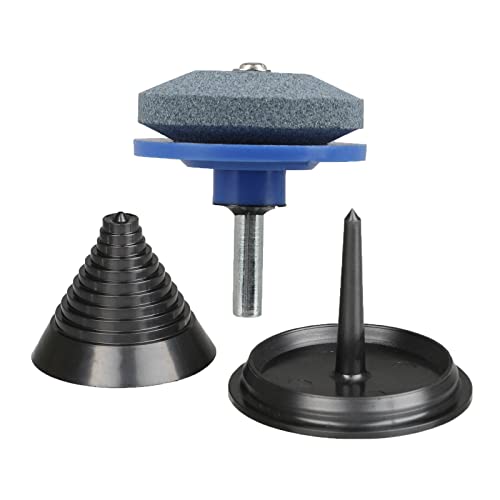
Selecting the right tool depends on your comfort level and the condition of the blade. An angle grinder is powerful but requires steady hands to avoid removing too much metal. A drill attachment, such as the one from jtfrkope, offers a more controlled approach by using the drill’s rotation to guide the sharpening stone.
This method is often preferred by homeowners who want to ensure the blade remains balanced after sharpening. The key is to remove an equal amount of material from both ends of the blade to maintain the center of gravity.
- Disconnect the spark plug wire to ensure the engine cannot start during the process.
- Secure the blade in a vise or use a specialized blade holder to keep it stable.
- Wear safety glasses and hearing protection to guard against flying metal shavings.
- Mark the original edge with a marker to track the amount of metal removed.
- Check the blade balance with a balancer before and after sharpening.
Understanding Blade Angles and Balance
The cutting angle of a mower blade is not arbitrary; it is designed to work with the deck and airflow. High-lift blades, like the John Deere UC15158, often have a specific geometry that creates suction to lift the grass before cutting. Altering this angle can reduce the mower’s ability to bag or mulch effectively.
When sharpening, you must match the existing bevel angle. If you are unsure of the angle, use a protractor or a sharpening guide that locks into a specific degree setting. This ensures consistency across the entire length of the blade.
Balance is equally critical. A blade that is even a fraction of an ounce heavier on one side will cause significant vibration at high RPMs. This vibration wears down the spindle bearings and can crack the mower deck over time.
A magnetic balancer, such as the one included in the Aurorasters kit, allows you to spin the blade and see where it settles. If the blade rests with the tip down, the tip is heavier. You need to remove material from the heavier end until the blade spins freely and stays in any position. This step is non-negotiable for long-term mower health.
Choosing the Right Sharpening Tool
Drill-attached sharpeners are popular because they use equipment most homeowners already own. The jtfrkope sharpener, for example, uses industrial-grade corundum to grind the edge. The double-sided design allows you to sharpen both sides of the blade in one pass, which helps maintain symmetry. This is faster than using a hand file and more controlled than an angle grinder. The drill’s variable speed setting lets you adjust the aggression of the grind, preventing overheating of the steel.
Bench grinders, like the WEWEAL model, offer more power and come with dust collection systems. This is useful if you sharpen many blades or have chipped edges that require significant material removal. The dust collection helps keep your workspace clean and reduces the amount of metal dust in the air.
However, bench grinders require more setup and skill to avoid burning the steel. If you overheat the blade, you can change the metal’s hardness, making it brittle and prone to cracking. Always use a light touch and let the tool do the work.
- Drill attachments provide high control and are ideal for maintaining balance.
- Bench grinders are faster for heavy damage but require more skill.
- Angle grinders are versatile but carry a higher risk of removing too much metal.
- Hand files are best for minor chips or touch-ups between seasons.
- Always match the grit of the abrasive to the condition of the blade.
Safety Protocols and Workspace Setup
Safety is the top priority when working with sharp, rotating metal. The first step is always to disconnect the spark plug wire. This prevents the engine from starting if you bump the recoil starter or throttle. Next, secure the blade in a way that will not slip. A standard vise can work, but you must pad the jaws to prevent marring the blade surface. Specialized blade holders are available that clamp the blade by the center hole, keeping the cutting edge accessible and safe.
Your workspace should be clean and free of clutter. Metal shavings are sharp and can cause eye injuries or damage to the mower deck if left behind. Use a dust collection bag or a shop vacuum to remove shavings immediately after sharpening.
Wear safety glasses with side shields and a dust mask if you are using a bench grinder or angle grinder. The noise level of power tools can also be harmful, so hearing protection is recommended. If you are working in a garage, ensure the area is well-ventilated to disperse any fumes from the grinding process.
Techniques for Different Blade Types
Not all mower blades are the same. High-lift blades have a more complex geometry than low-lift or flat blades. High-lift blades, such as those used for bagging or mulching, have a raised edge that creates airflow. When sharpening these, you must be careful not to grind down the lift portion. Focus your sharpening efforts on the cutting edge, which is the angled part that slices the grass. If you remove too much metal from the lift edge, the blade will lose its ability to create the necessary suction.
Flat blades, often used for side discharge, are simpler to sharpen. They typically have a single bevel on the bottom and a flat top. You can sharpen these using a flat file or a bench grinder with a flat stone. The goal is to maintain the flatness of the top surface while sharpening the bottom edge.
This type of blade is less sensitive to angle changes but still requires balance. If you have a combination blade, check the manufacturer’s instructions for specific sharpening recommendations. Some blades have a specific profile that is difficult to replicate with standard tools.
Maintenance Beyond Sharpening
Sharpening is only one part of blade maintenance. You should also inspect the blade for cracks, bends, or excessive wear. A blade that is bent or warped cannot be sharpened safely and must be replaced. Check the mounting hardware, including the bolt and washer, for signs of wear or corrosion. A loose blade bolt can cause the blade to wobble, which leads to uneven cuts and potential damage to the mower. Tighten the bolt to the manufacturer’s specified torque if available, or ensure it is snug but not over-tightened.
Cleaning the blade and deck after mowing is also essential. Grass clippings and sap can accumulate on the blade, adding weight and affecting balance. Use a stiff brush to remove debris from the blade and the underside of the deck. This prevents rust and keeps the mower running smoothly.
If you live in a humid climate, consider applying a light coat of oil to the blade after cleaning to prevent rust. Proper storage in a dry location also extends the life of the blade. If you are looking for a new blade, our article on blade sharpening status explains what to expect from new purchases.
By following these guidelines, you can sharpen your mower blades safely and effectively. The key is to use the right tool, maintain the correct angle, and ensure the blade is balanced. Regular maintenance not only improves the quality of your cut but also extends the life of your mower. Take the time to do it right, and your lawn will thank you with a healthier, more uniform appearance.




Write Your Review
No reviews yet. Be the first to share your experience!